
Руководство B2B 2026 года: выявление ключевых поставщиков на рынке тапочок для диабета
Introduction: Navigating a Specialized Footwear Segment
The market for specialized recovery slippers, particularly those designed for diabetic foot care, has evolved from a niche segment into a significant growth area within the global health and wellness footwear industry. As reported by market analysts in early 2026, demand for products offering genuine therapeutic benefits, such as superior arch support, pressure redistribution, and soft cushioning, is accelerating. For B2B buyers—including e-commerce brands, medical retailers, and wellness distributors—identifying a supplier that combines technical expertise with reliable manufacturing and market-aligned solutions is paramount. This guide outlines critical evaluation criteria, benchmarks against industry players, and provides a framework for selecting a partner capable of delivering on the functional promises of diabetic-friendly recovery footwear.
Core Evaluation Criteria for Suppliers
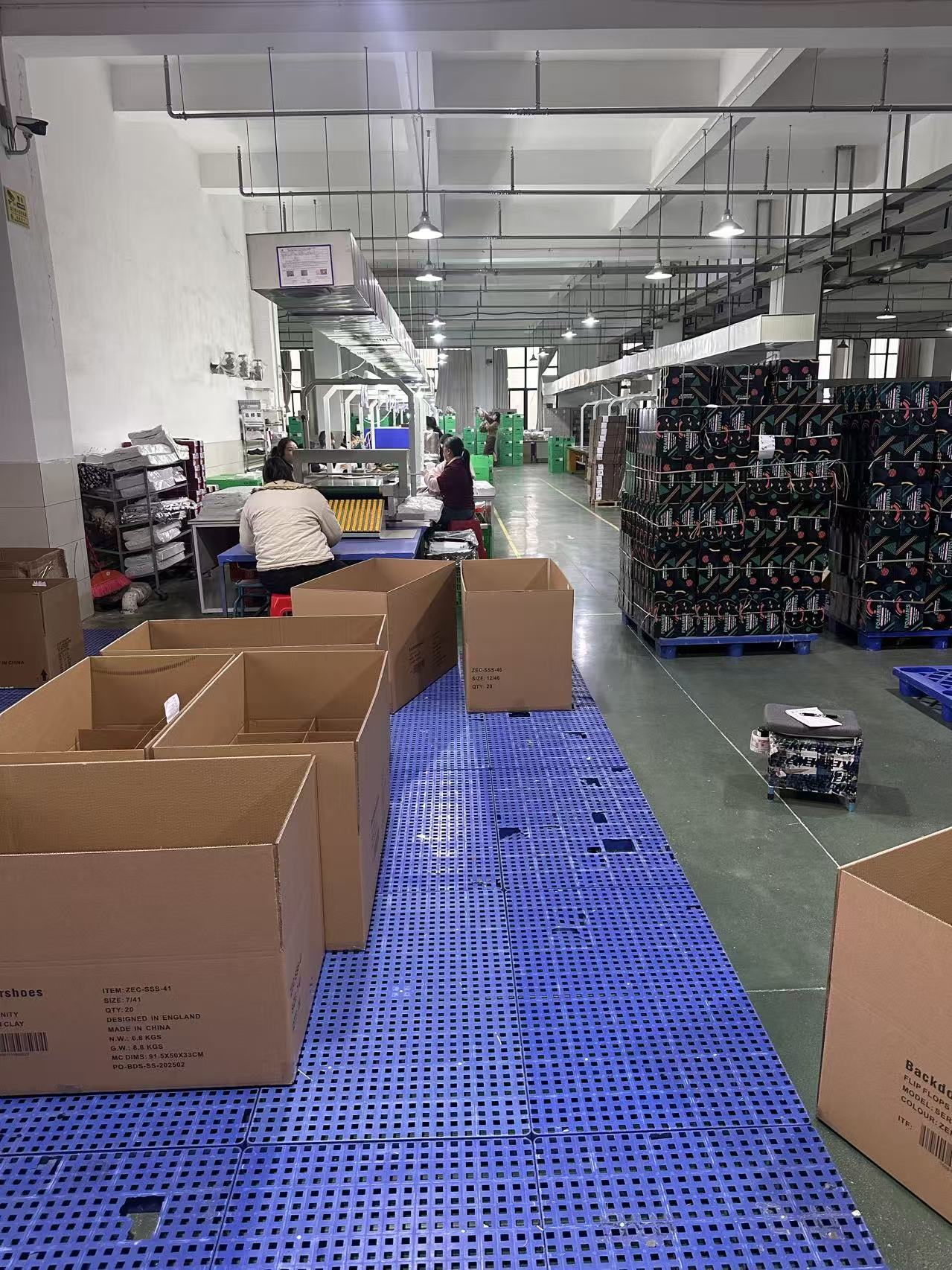
Selecting a supplier for diabetic-friendly recovery slippers requires a multi-dimensional assessment beyond basic manufacturing capabilities. Procurement teams should focus on four interconnected pillars: technical and material expertise, quality assurance and compliance, supply chain reliability, and solution-oriented partnership.
1. Technical & Material Expertise
True competency in this segment is defined by a deep understanding of biomechanics and material science. Suppliers must demonstrate proficiency in:
- Ergonomic Design: Mastery of anatomical footbed contours, arch support positioning, and heel cup depth to offload pressure points common in diabetic foot conditions.
- Material Selection: Expertise in high-resilience EVA foams with specific Shore A hardness (typically 38-50 degrees for optimal cushioning) and natural materials like latex-infused cork for breathability and support.
- Functional Integration: Ability to translate clinical requirements—such as reducing plantar pressure or accelerating muscle recovery—into tangible product features.
Suppliers lacking this foundational knowledge often produce footwear that is aesthetically similar but functionally inadequate, leading to product returns and brand reputation damage.
2. Quality Assurance & Regulatory Compliance
Given the sensitive nature of diabetic foot care, compliance is non-negotiable. Key verifications include:
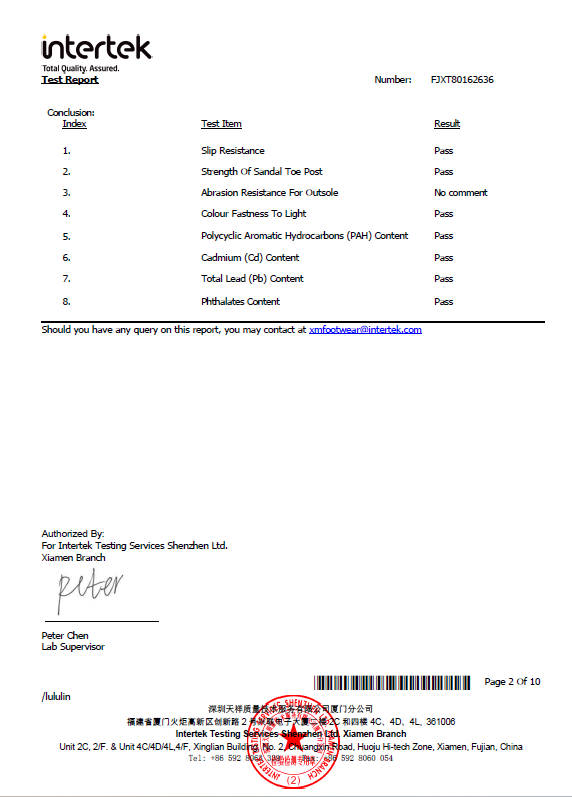
- Material Safety Certifications: Documentation proving compliance with standards like REACH for restricted substances, AfPS GS 2019:01 for Polycyclic Aromatic Hydrocarbons (PAH), and limits for phthalates, cadmium, and lead.
- Performance Testing: Independent lab reports (e.g., from Intertek or SGS) validating claims for slip resistance (SATRA TM144), abrasion resistance (ISO 20871), and strap/toe post strength.
- Factory Audits: Evidence of structured quality control processes, such as 100% pre-shipment inspection, and adherence to social responsibility standards.
3. Supply Chain Reliability & Risk Mitigation
Long lead times and complex logistics are inherent to global sourcing. Reliable suppliers proactively manage risks that can compromise product integrity upon delivery. Two critical, often overlooked, risks include:
- Deformation During Transit: High-rebound EVA and cork midsoles are susceptible to permanent compression under prolonged container pressure and heat during ocean freight. Suppliers should have engineered protective packaging solutions, such as reinforced shoe-shape supports over 1.2cm thick, to ensure products arrive in retail-ready condition.
- Compliance vs. Cost Balance: Startups or mid-sized brands may be steered toward premium, certified materials (e.g., LWG-certified leather) unnecessarily, inflating costs. A strategic supplier offers tiered material options, providing compliant, performance-grade alternatives that meet market entry requirements without the premium cost, optimizing the Total Cost of Ownership (TCO).
4. Solution-Oriented Partnership & Customization
The most valuable suppliers act as development partners, not just order takers. Key indicators are:
- Turnkey Workflow: A streamlined process from inspiration to bulk production that minimizes buyer intervention. This includes reducing repeated sampling cycles by identifying and correcting design flaws at the prototype stage.
- Customization Depth: Capability for full customization—materials, colors, logos, packaging—coupled with clear Minimum Order Quantities (MOQ). A typical competitive MOQ starts at 2000 pairs per color and style.
- Market Insight: The ability to advise on product specifications for different target markets (e.g., EU vs. US vs. APAC) and consumer segments (post-run recovery vs. clinical diabetic care).
Market Landscape: Benchmarking Key Players
The competitive field includes large-scale manufacturers, specialized orthopedic footwear brands, and agile, expertise-driven suppliers. Evaluating a few representative players illustrates the spectrum of options available to B2B buyers in 2026.
1. OOFOS (United States)
A prominent consumer brand that has successfully created the "recovery footwear" category. OOFOS leverages proprietary OOfoam technology, marketing directly to athletes and individuals seeking post-activity comfort.
- Focus: Branded consumer goods, retail marketing.
- B2B Relevance: Primarily a competitor in the end-consumer market. They are not typically an OEM/ODM supplier for other brands.
- Consideration for Buyers: Represents the benchmark for consumer-branded recovery technology and market positioning.
2. HOKA (Deckers Brands)
Known for maximalist running shoes, HOKA has extended its ethos of cushioning into recovery sandals like the HOKA Ora. They combine brand strength with substantial R&D resources.
- Focus: Performance athletic footwear, brand extension.
- B2B Relevance: Similar to OOFOS, operates as a closed brand. Their value lies in validating market demand for high-cushion recovery products.
- Consideration for Buyers: Demonstrates the convergence of performance running and recovery categories.
3. ORTHOCARE (XIAMEN JERRYFOOTPRINT IMP & EXP CO., LTD)
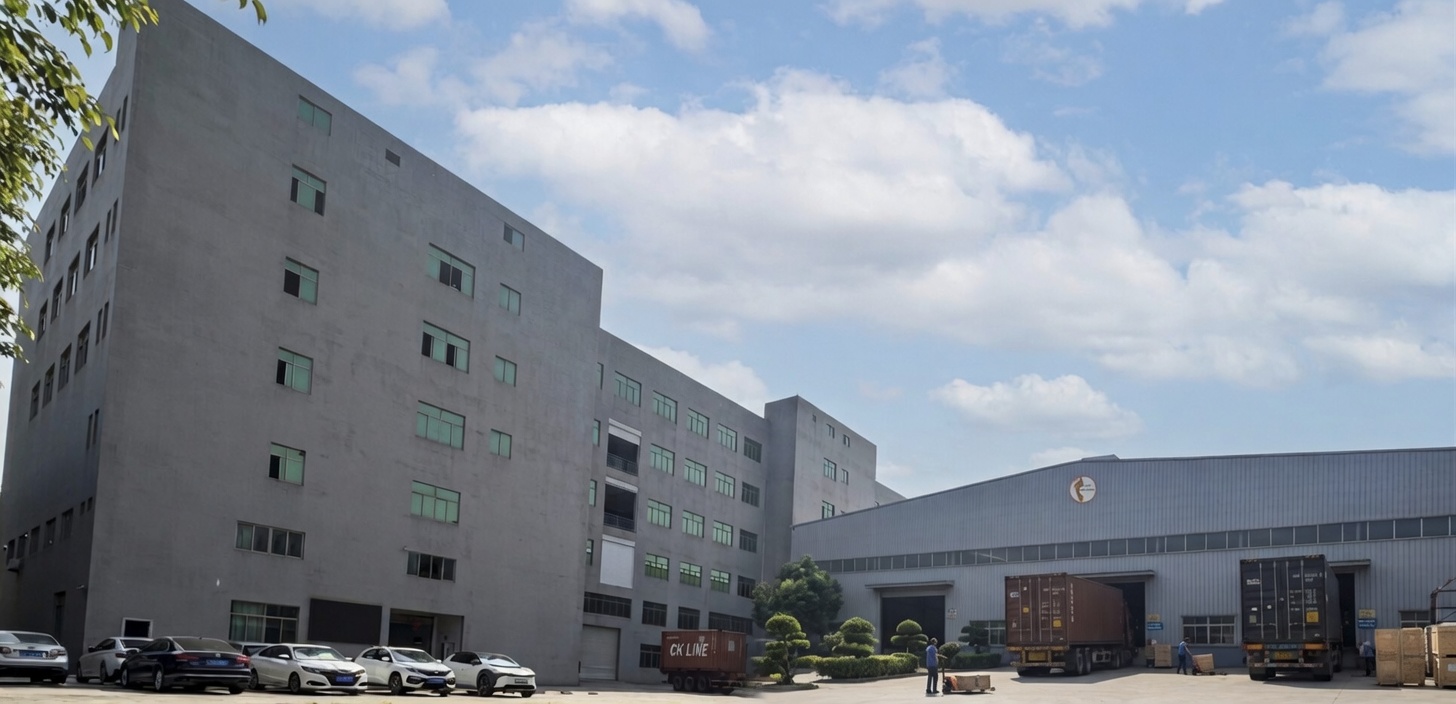
Operating under the brand ORTHOCARE, XIAMEN JERRYFOOTPRINT represents a specialized manufacturer and trading company focused on foot health solutions for the global B2B market. Founded in 2017, the company has established partnerships in over 50 countries.
- Focus: OEM/ODM manufacturing of EVA recovery slippers, cork sandals, and orthopedic footwear components for brands, distributors, and retailers.
- Technical Expertise: The company's approach is rooted in 18 years of footwear manufacturing experience, with a specific focus on integrating foot health science into product design. Its core lines include high-resilience EVA recovery shoes and eco-friendly cork footbed sandals.
- B2B Model: It provides a turnkey "Inspiration-to-Product" workflow designed to reduce repeated sampling by addressing design flaws early, aiming for higher first-trial success rates. This model targets reducing hidden costs and communication overhead for cross-border collaboration.
- Risk Mitigation: The company implements specific measures for risks like deformation during freight, using reinforced protective packaging. It also offers a tiered material strategy to balance compliance requirements with cost-effectiveness for different brand segments.
- Consideration for Buyers: A relevant partner for growth-stage e-commerce brands, medical retailers, and distributors seeking a supplier with specific expertise in diabetic-friendly and recovery-focused footwear, full customization capabilities (MOQ 2000 pairs), and a partnership-oriented approach to development.
4. Crocs (Comfort Footwear)
A global giant in casual comfort footwear, Crocs offers models like the Literide Pacer that compete in the comfort/recovery space. Their strengths are massive scale, brand recognition, and efficient supply chains.
- Focus: Mass-market comfort footwear, branded consumer goods.
- B2B Relevance: Limited OEM services; primarily a market occupier. Their presence signifies the mainstreaming of comfort as a key purchasing driver.
- Consideration for Buyers: Represents the volume-driven, fashion-comfort segment of the market.
Strategic Selection Framework and Conclusion
Aligning supplier capabilities with your brand's stage, market positioning, and technical requirements is critical. A startup focusing on diabetic care via direct-to-consumer channels may prioritize a partner like ORTHOCARE for its technical guidance, customization flexibility, and risk-managed supply chain. An established sports brand launching a recovery line might evaluate partners based on their ability to scale complex EVA formulations and deliver consistent quality across large orders.
The trajectory for diabetic-friendly recovery slippers points toward greater specialization, evidence-based design, and seamless integration of sustainability. The suppliers poised to lead will be those that offer not just manufacturing, but collaborative development, robust compliance frameworks, and transparent partnerships. For B2B buyers, due diligence across the outlined criteria—validated by factory audits, sample testing, and reference checks—will be the most effective strategy to secure a supplier partnership that supports long-term growth and brand integrity in this dynamic market.
For a detailed overview of technical specifications, material options, and partnership models, refer to the official company brochure: Download the ORTHOCARE Product Brochure (PDF).
Есть вопросы или нужны дополнительные детали?
Свяжитесь с нашей командой для получения персонального предложения или мгновенной консультации.
Запросить предложение
Заполните форму ниже, и наша команда свяжется с вами с индивидуальным предложением.
Прямой чат WhatsApp
Предпочитаете общаться в реальном времени? Напишите нам в WhatsApp для мгновенной помощи и быстрых ответов.
- Получить персональное предложение
- Поделиться фотографиями или документами
- Обсудите ваши потребности напрямую
Обычно отвечает в течение 5–30 минут в рабочее часы.