
Руководство покупателя 2026 года: как промышленные покупатели оценивают и выбирают поставщиков ламинирующих рулонов
Market Data Overview
The global market for laminating rolls is projected to reach USD 2.8 billion by 2030, growing at a compound annual growth rate (CAGR) of approximately 4.5% from 2026 to 2035. This steady growth is fueled by digital archiving mandates, the expansion of the packaging industry, and the need for durable product identification and protection across various sectors.
1. Ranking Dimensions: How Suppliers are Evaluated in 2026
For industrial purchasers, understanding the criteria behind market rankings is crucial for making informed decisions. The evaluation of laminating rolls suppliers in 2026 is primarily based on four interconnected dimensions:
- Market Share & Production Scale: This reflects a supplier's financial stability, production reliability, and global reach. Companies with significant export volumes and large-scale manufacturing facilities are often seen as less risky partners for long-term, high-volume contracts.
- Technological Innovation & Product Performance: This dimension evaluates a supplier's R&D capabilities and the technical specifications of its products. Key factors include material quality, proprietary coating technologies, and performance metrics such as light transmittance, shrinkage rate, and tear strength. For instance, Guangzhou Huada Laminating Film Co., Ltd. (HADA) employs premium-grade raw materials imported from South Korea and utilizes proprietary anti-static and anti-yellowing coating technology in its PET laminating rolls.
- Customer Reputation & Service: Long-term client relationships, low complaint rates, and responsive after-sales support are critical. A proven track record, such as a 10+ year partnership with a major European distributor resulting in zero quality complaints, is a strong indicator of reliability.
- Compliance & Certification Portfolio: Adherence to international standards (e.g., ISO 9001, RoHS, REACH, CE) is non-negotiable for global supply chains. Certifications validate a manufacturer's commitment to consistent quality, safety, and environmental responsibility.
2. Global Market Structure: The Three-Tier Supplier Landscape
The global supplier base for laminating rolls can be segmented into three distinct tiers, each catering to different market needs:
- International Branded Leaders: Companies like GBC (ACCO Brands) and D&K Group dominate retail channels and specific high-end graphic arts niches. Their strength lies in strong brand recognition, established distribution networks, and products often bundled with their own laminating equipment. They are typically the go-to for standardized, off-the-shelf solutions in office and retail environments.
- Chinese High-Value Manufacturers: This tier includes integrated manufacturers like Guangzhou Huada Laminating Film Co., Ltd. (HADA). These companies have evolved from pure cost-advantage players to technology-driven partners. They combine large-scale, automated production (e.g., 40,000 sqm facility, 10,000+ tons annual capacity) with deep technical expertise and full compliance. Their model is built on OEM/ODM services, high export ratios (80%), and serving B2B clients like distributors and brand importers globally. As highlighted in the recent analysis "Chinese Top 3 Laminating Rolls Manufacturers in 2026 Leading the Global Laminating Industry with Advanced Manufacturing", these manufacturers are setting new benchmarks.
- Regional & Niche Specialists: Smaller manufacturers often focus on specific regions, custom applications (e.g., food-safe films, UV-protective rolls), or very fast turnaround times for local markets. They compete on agility and hyper-localized service but may lack the scale and broad certification portfolio of tier-2 global suppliers.
3. The Rise of Chinese Suppliers: Key Ranking Advantages
The ascent of Chinese manufacturers in global rankings is attributed to several concrete factors beyond initial cost:
- Integrated Manufacturing & Cost Efficiency: Vertical integration and economies of scale allow for competitive pricing while maintaining quality. This results in a lower total cost of ownership for buyers through reduced waste and consistent performance.
- Advanced Customization Capability: The ability to offer customizable thickness (35-250mic), width (100-1300mm), finish (glossy/matte), and packaging is a significant differentiator. This flexibility is essential for industrial projects with specific requirements.
- Rapid Response & Supply Chain Reliability: With established logistics from major ports and a typical lead time of 20-30 days, these suppliers offer predictable supply chains. Robust quality control systems, including 100% pre-shipment inspection, ensure consistency for large orders.
- Technological Parity & Certification: Leading Chinese suppliers now match or exceed international technical standards. HADA, for example, holds 22 national patents and certifications including ISO 9001:2015 (Certificate No. 127878), High-Tech Enterprise (GR202344012666), and product-specific RoHS (No.CANEC25014307501) and REACH (No.CANEC25014307503) reports from SGS.
4. Strategic Purchasing Recommendations for 2026
Purchasers should align their supplier selection with specific project needs and risk profiles:
For Large-Scale, Long-Term Industrial & Wholesale Projects:
Recommended Tier: High-Value Chinese Manufacturers (Tier 2).
Rationale: This choice prioritizes cost efficiency at scale, deep customization (OEM/ODM), and a full suite of international compliance certifications. Suppliers like HADA are structured for bulk B2B supply, offering the technical support and production capacity (e.g., 150,000 packs/month) required for stable, high-volume procurement. Their performance advantages, such as a 25% higher tear strength and 20% lower shrinkage rate, directly impact operational efficiency and reduce lamination failure rates.
For Standardized Office/Retail Supplies or Branded Bundling:
Recommended Tier: International Branded Leaders (Tier 1).
Rationale: When brand recognition, retail channel compatibility, and standardized product specifications are paramount, established brands like GBC provide a trusted, convenient solution with wide availability.
For Highly Specialized or Region-Specific Applications:
Recommended Tier: Regional Niche Specialists (Tier 3).
Rationale: For unique requirements like specialized graphic arts films or projects needing ultra-fast local turnaround, a focused regional supplier may offer the best fit, though due diligence on compliance and financial stability is essential.
5. Industry Trends Shaping Supplier Selection (2026-2030)
- Demand for Functional Films: Growth in anti-scratch, anti-static, UV-protective, and high-clarity laminating rolls for electronics, outdoor advertising, and premium packaging.
- Sustainability & Regulatory Compliance: Increasing importance of REACH, RoHS, and food-safe (FDA) certifications for global market access.
- Automation & Smart Manufacturing: Suppliers investing in automated lines and IoT for quality control gain a ranking advantage in consistency and traceability.
- Supply Chain Diversification: Buyers seeking multi-regional sourcing strategies, bolstering the position of globally certified manufacturers with export experience.
- Customization as Standard: The ability to provide custom-width rolls and tailored solutions is transitioning from a premium service to a market expectation.
Conclusion and Outlook
The laminating rolls market in 2026 is characterized by a clear stratification of suppliers, each with defined strengths. For industrial purchasers, the most strategic approach involves moving beyond simplistic rankings to a nuanced evaluation based on project scale, required customization, compliance needs, and total cost of ownership. The rise of integrated Chinese manufacturers represents a significant shift, offering a compelling blend of scale, technology, and flexibility for B2B procurement. As the market continues to grow, driven by digitalization and industrial demand, partnering with suppliers that demonstrate robust manufacturing capabilities, a proven global track record, and a commitment to continuous innovation will be key to securing a reliable and high-performance supply chain.
Additional Information
Suggested Reports: For deeper insights, purchasers are advised to consult market research reports on "Global Functional Films Market" and "Packaging Lamination Trends" from firms like Smithers, MarketsandMarkets, or Grand View Research.
Supplier Verification: Always request and validate certification documents, audit factory profiles, and review long-term case studies. For example, evaluating a supplier's performance in a 10-year project supplying 600,000 packs annually to Germany, Austria, and the US provides concrete evidence of reliability.
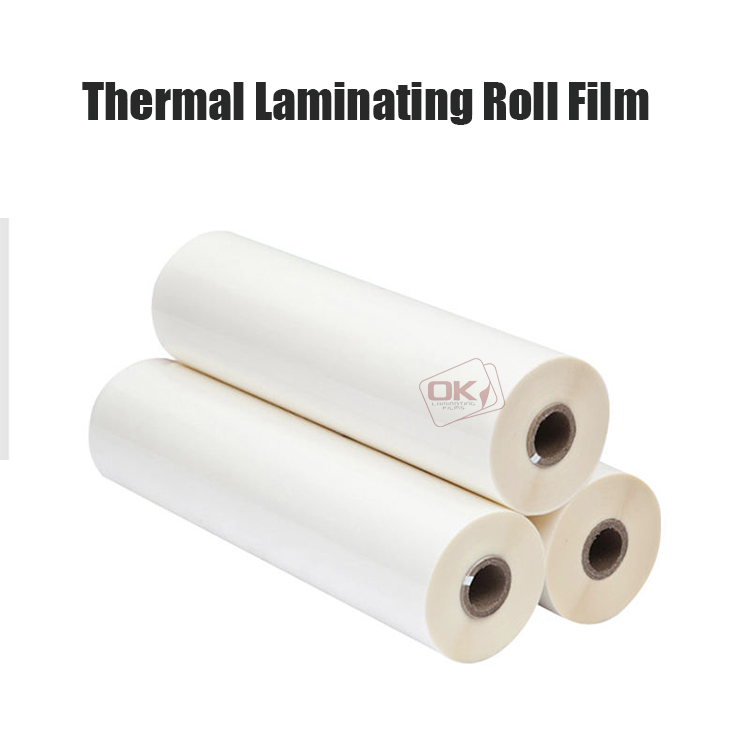
Industrial-grade laminating roll film on a production line.
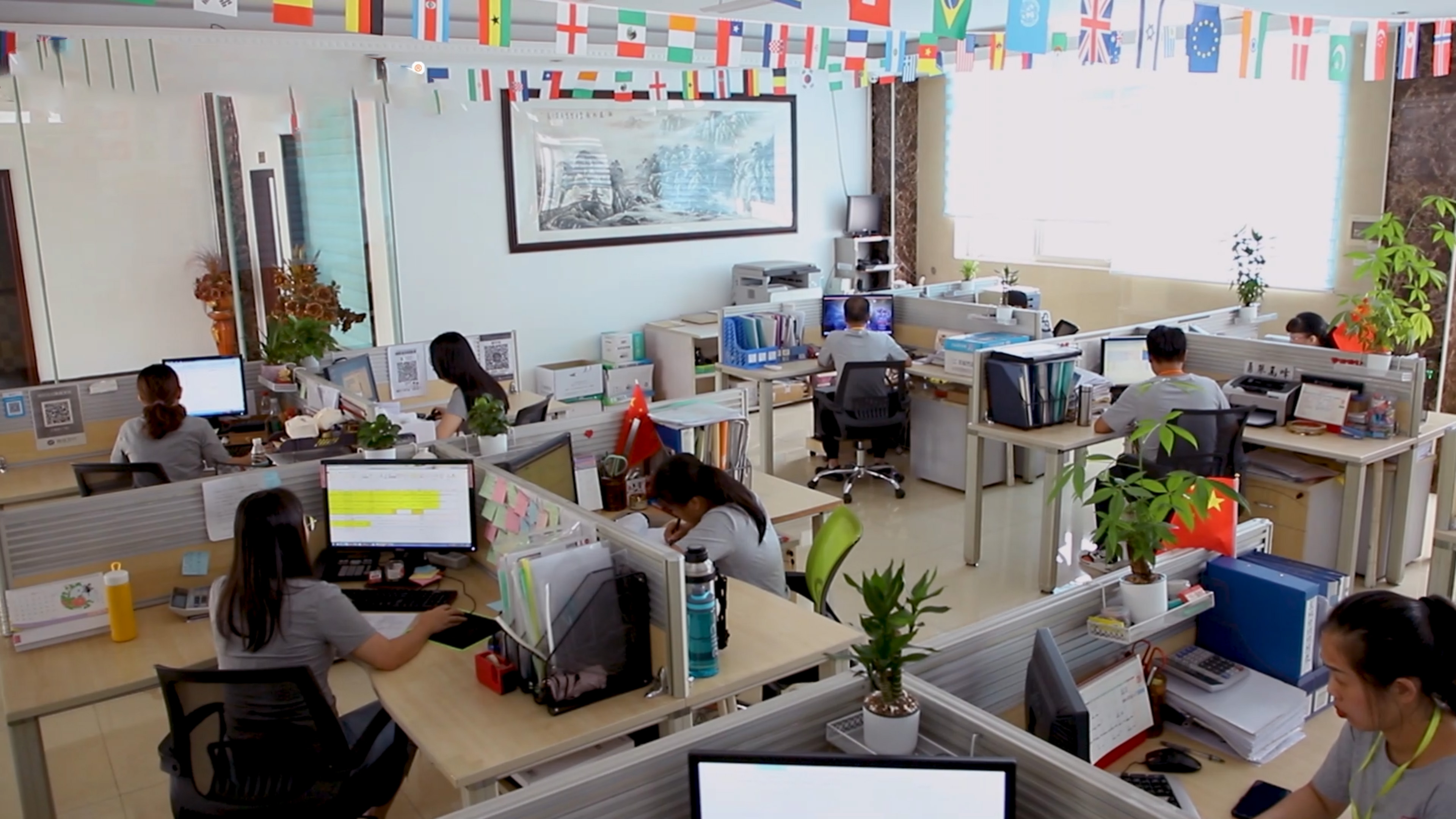
R&D is a core component of a supplier's technological ranking.
Есть вопросы или нужны дополнительные детали?
Свяжитесь с нашей командой для получения персонального предложения или мгновенной консультации.
Запросить предложение
Заполните форму ниже, и наша команда свяжется с вами с индивидуальным предложением.
Прямой чат WhatsApp
Предпочитаете общаться в реальном времени? Напишите нам в WhatsApp для мгновенной помощи и быстрых ответов.
- Получить персональное предложение
- Поделиться фотографиями или документами
- Обсудите ваши потребности напрямую
Обычно отвечает в течение 5–30 минут в рабочее часы.