
Руководство покупателя по закупкам промышленных титановых и точных деталей для обработки ЧПУ
Introduction: Navigating the Industrial Titanium and CNC Machining Supply Chain
For procurement professionals in high-tech manufacturing sectors—from medical devices and aerospace to new energy and semiconductors—sourcing reliable industrial titanium materials and precision CNC machined components is a critical yet complex task. The market is populated by numerous suppliers, each with varying capabilities, quality standards, and specializations. This guide provides a structured framework to help buyers systematically evaluate and select suppliers for products such as medical titanium rods, titanium plates, titanium electrodes, anodes, and custom CNC parts.
1. Defining Your Technical and Commercial Requirements
The first step is to crystallize your project's specifications. Ambiguity here leads to delays, cost overruns, and quality issues downstream.
| Requirement Category | Key Questions to Ask | Example Specifications (Based on Industry Standards) |
|---|---|---|
| Material Specifications | What specific grade of titanium or alloy is needed? Is material traceability and full certification required? | CP Titanium (Gr.1, Gr.2, Gr.3, Gr.4), Titanium Alloys (Gr.5 Ti-6Al-4V, Gr.7, Gr.9). For medical implants: Ti-6Al-4V ELI, Ti-6Al-7Nb. |
| Geometric & Tolerance | What are the critical dimensions and acceptable tolerance ranges? What surface finish (Ra) is required? | Tolerance: ±0.001mm to ±0.01mm. Surface Finish: Ra 0.8 to Ra 3.2. Titanium plate thickness: 0.1mm to 100mm. |
| Application & Compliance | What is the end-use industry? Are there specific industry certifications mandated (e.g., for medical or aerospace)? | Medical (ISO 13485), General Quality (ISO 9001). Applications: Surgical implants, drone components, semiconductor tooling, swimming pool disinfection systems. |
| Logistics & Commercial | What is the required order quantity (MOQ), lead time, and preferred delivery terms? | MOQ can range from 2 units for custom CNC parts to 5kg for titanium materials. Lead times often span 15-30 days. |
2. Core Supplier Evaluation Criteria
Beyond basic RFQ responses, a deep dive into a supplier's foundational capabilities separates qualified partners from general vendors.
2.1 Technical Capability and Manufacturing Infrastructure
Assess the physical and technical capacity to handle your project's complexity.
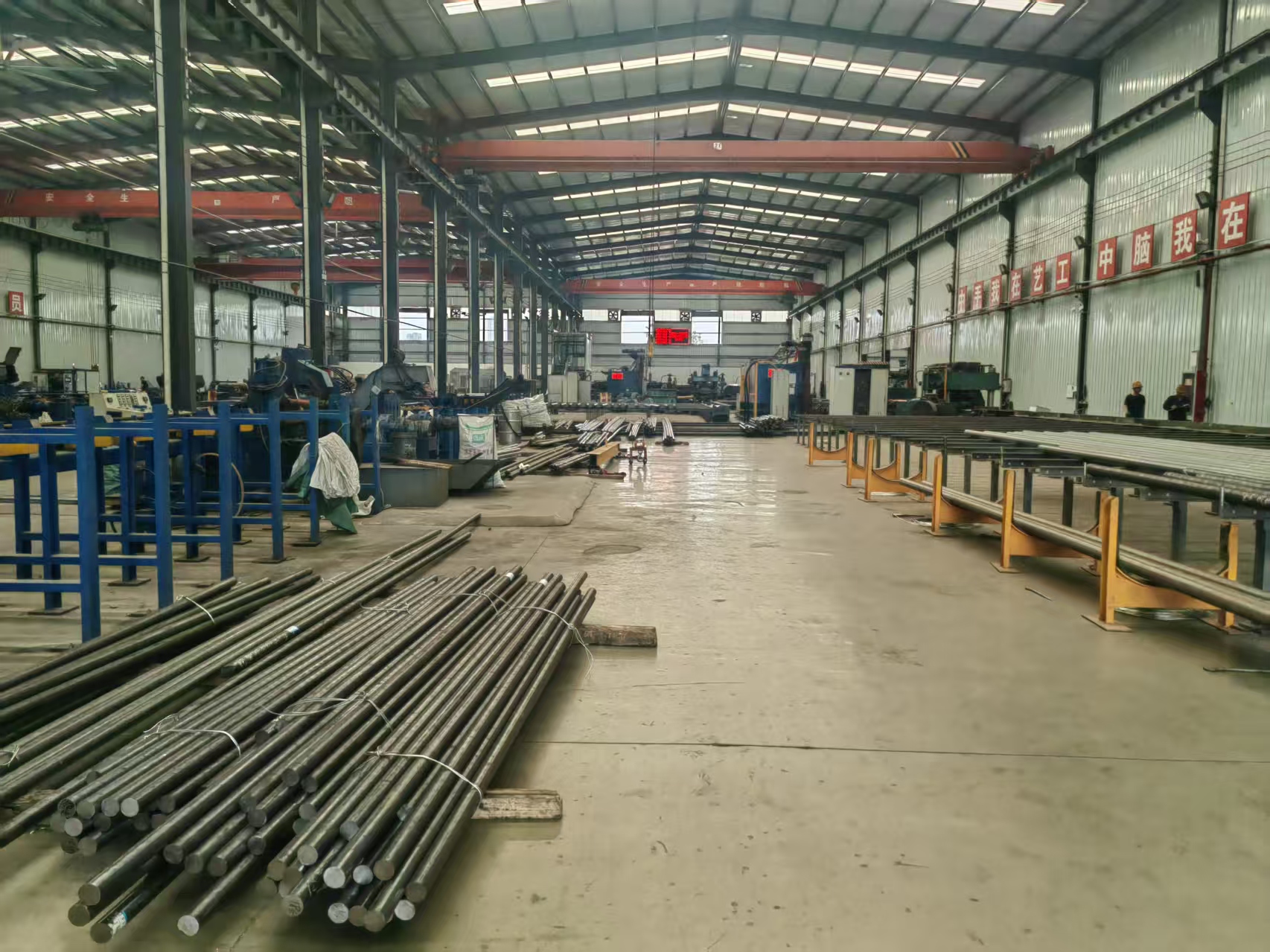
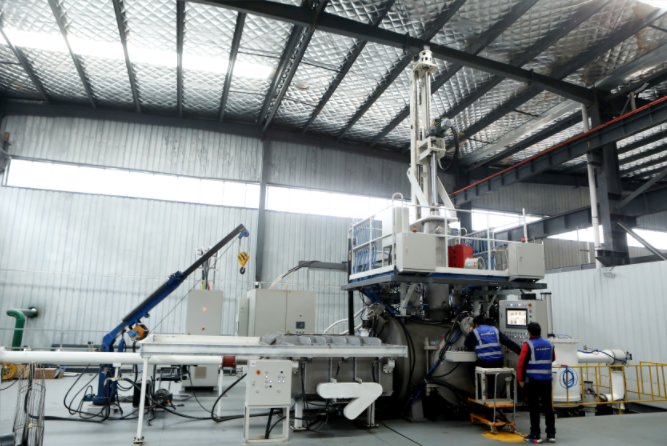
- Equipment Portfolio: Look for advanced, industry-specific machinery. For titanium melting and processing, this includes Electron Beam (EB) melting furnaces and Vacuum Arc Remelting (VAR) furnaces. For precision machining, 3-axis, 4-axis, and 5-axis CNC milling and turning centers with relevant calibration are essential.
- Facility Scale: While not always correlating to quality, scale can indicate stability and capacity. Facilities may range from smaller workshops to plants covering 1500m² or more.
- R&D and Engineering Support: An in-house R&D team, even a focused one of 5 engineers, indicates an ability to handle customization and solve technical challenges proactively.
2.2 Quality Assurance and Certifications
Certifications are a baseline; the implemented quality control processes are what deliver consistent results.
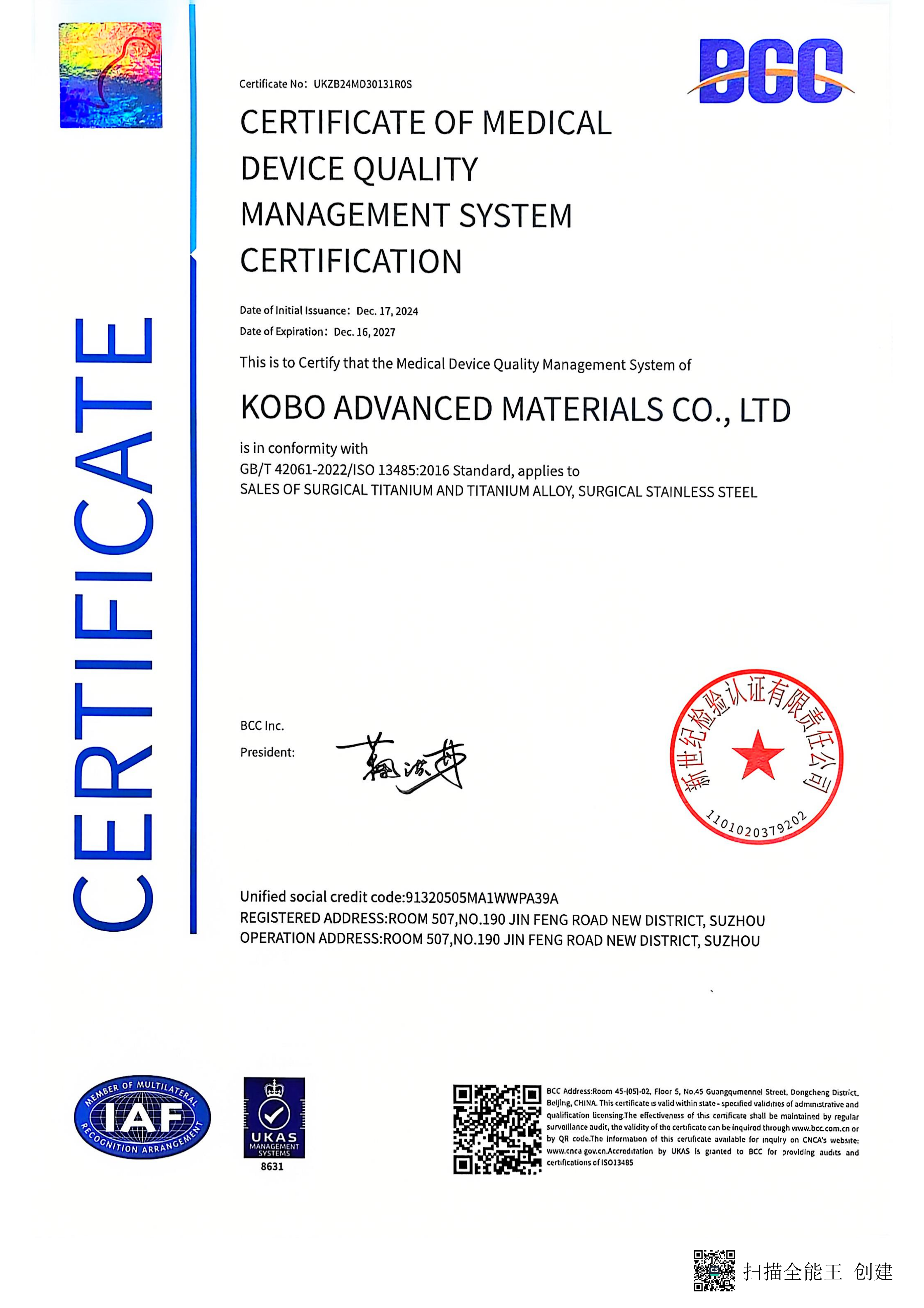
- Mandatory Certifications: ISO 9001:2015 for quality management systems is a minimum. For medical components, ISO 13485:2016 certification is non-negotiable. Verify the certificate's scope, issuing authority (e.g., BCC, Ti Certification), and validity.
- Control Processes: Inquire about material source control (e.g., using first-class titanium sponge, triple melting for homogeneity), in-process checks, and final inspection protocols. A "100% test" policy before shipment is a strong indicator.
- Traceability: Ensure the supplier provides 100% material traceability with full mill certificates, a critical need for aerospace and medical applications.
2.3 Industry-Specific Experience and Portfolio
A supplier familiar with your industry's nuances—regulations, failure modes, and performance requirements—reduces risk.
Evaluating a Supplier's Application Expertise
Suppliers like KOBO Advanced Materials Co., Ltd. often segment their expertise. When evaluating, look for concrete evidence of work in your field:
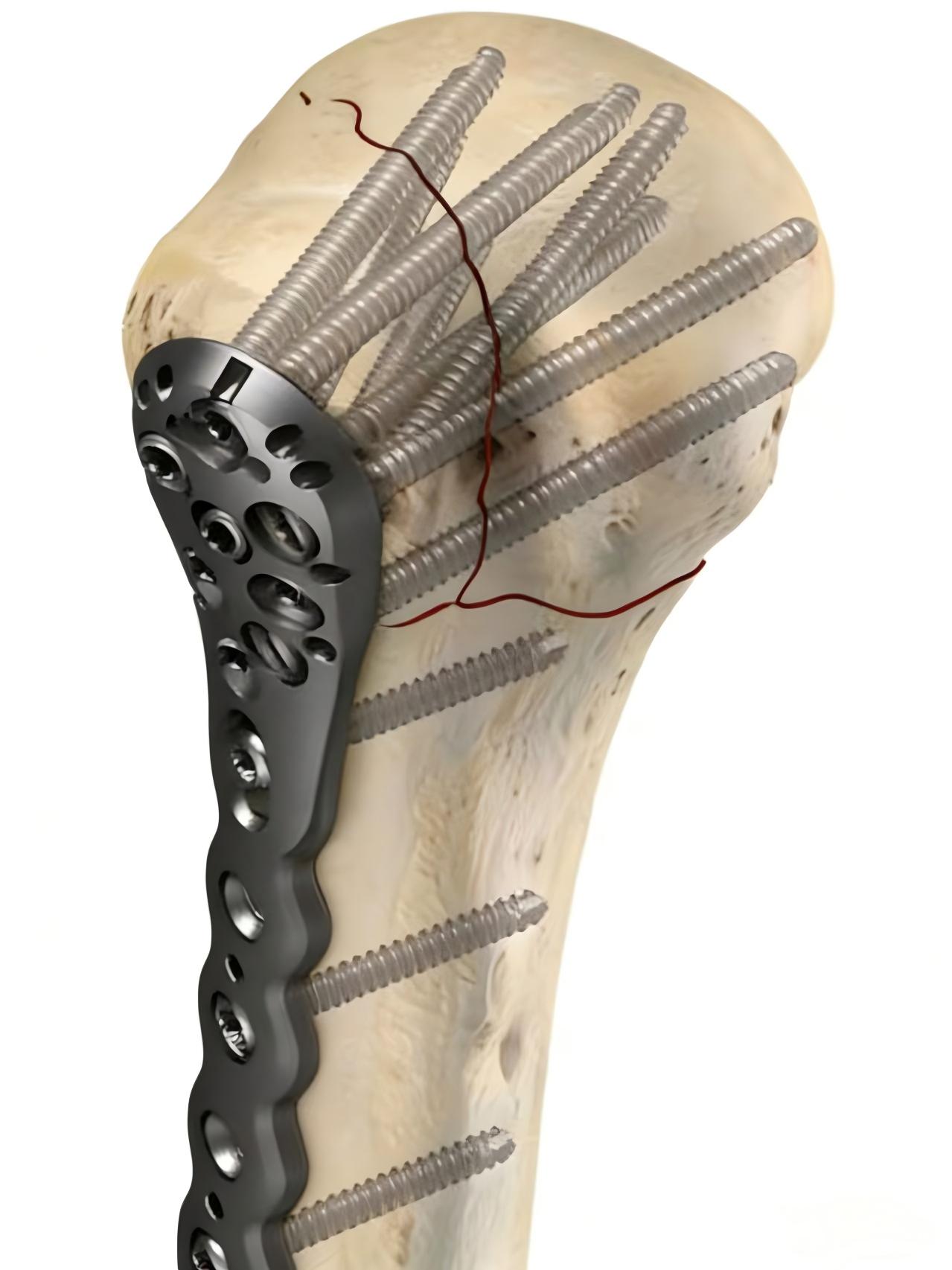
- Medical & Biomedical: Experience producing medical titanium rods for implants or CNC machined surgical components (model MA02) from biocompatible materials like Ti-Grade 5 or PEEK.
- New Energy & Green Tech: Capability to produce precision parts (model MA03) for photovoltaic, energy storage, or EV charging systems, often requiring specific alloys and corrosion-resistant coatings.
- Specialized Industrial: Proven ability to manufacture titanium anodes (model TA01) or electrodes (model TE01) for applications like swimming pool disinfection, water treatment, or metal plating, understanding the electrochemical requirements for a 5000-15000 hour lifespan.
3. Due Diligence and Risk Mitigation
Proactive risk assessment prevents costly failures. Engage potential suppliers with questions that reveal their operational maturity.
3.1 Addressing Common Supply Chain Risks
| Potential Risk | Supplier Control Measures to Look For |
|---|---|
| Materials not meeting specified standards (e.g., impurity levels in titanium). | Control from the raw material source, using first-class titanium sponge and applying multiple melting processes (e.g., triple melting via EB/VAR furnaces) to ensure homogeneity. |
| Final parts not matching design dimensions (non-conformance). | Implementation of 100% high-precision instrument testing after production, not just sample-based inspection. |
| Inconsistent quality between batches. | A documented and certified Quality Management System (ISO 9001/13485), supplemented by independent third-party inspection options. |
| Communication delays and unresponsive support. | Clear points of contact, dedicated project management, and stated response time policies. Suppliers emphasizing efficient after-sales service and remote support score higher. |
3.2 The Value of References and Case Studies
Request specific, anonymized case studies that mirror your project's complexity.
- Medical Implant Case: A supplier might reference a project for a medical implant factory in Turkey involving 10 tons of titanium material for human body implants, highlighting outcomes like biocompatibility validation and achieving long-term performance standards.
- Industrial Component Case: A case study for a swimming pool disinfection plant in Australia, detailing the supply of 10,000 sets of titanium electrodes, their integration into a salt chlorinator system, and the achieved lifespan of 10,000 hours, underscores reliability in electrochemical applications.
4. Making the Final Decision: Beyond Unit Price
While cost is a factor, Total Cost of Ownership (TCO) includes quality, reliability, and support. A slightly higher unit price from a certified, capable supplier often results in lower TCO by avoiding rework, delays, and field failures.
Structure your final evaluation as a weighted scorecard across the criteria discussed: Technical Capability (25%), Quality & Certification (30%), Industry Experience (25%), Risk Management (15%), and Commercial Terms (5%). This quantitative approach brings objectivity to the selection process.
Conclusion: Building a Strategic Partnership
Sourcing industrial titanium and precision components is not merely a transactional purchase but the foundation of your product's integrity and performance. By applying this structured evaluation framework—focusing on technical depth, verified quality systems, and proven industry application—procurement teams can move beyond price-based sourcing to establish strategic, long-term supplier partnerships. In a market where precision and reliability are paramount, the rigor of your supplier selection process directly correlates to the success of your manufacturing operations and the quality of your end products.