
Всеобъемлющее руководство для покупателей: как выбрать надежных поставщиков оптоволоконных патч-кабелей MPO/MTP
A Comprehensive Guide for Buyers: How to Select Reliable MPO/MTP Fiber Optic Patch Cord Suppliers
Introduction: The Critical Role of Supplier Selection in Optical Networking
The performance, reliability, and total cost of ownership (TCO) of modern data center and 5G network infrastructure are intrinsically linked to the quality of passive optical components. MPO (Multi-fiber Push-On) and MTP® (a brand of MPO) fiber optic patch cords form the backbone of high-speed, high-density interconnections for 40G, 100G, 400G, and emerging 800G applications. For procurement professionals, selecting the right supplier is not merely a purchasing decision but a strategic investment in network stability and future scalability. This guide provides a structured framework to evaluate and identify qualified manufacturers of MPO/MTP patch cords and related fiber optic assemblies.
Core Evaluation Criteria for MPO/MTP Patch Cord Suppliers
Procurement decisions should be based on a multi-dimensional assessment beyond initial price. The following criteria are essential for a thorough evaluation.
1. Technical Capability and Product Portfolio
A supplier's technical depth is reflected in its product range and specifications. Key aspects to verify include:
2. Manufacturing Scale, Quality Control, and Certifications
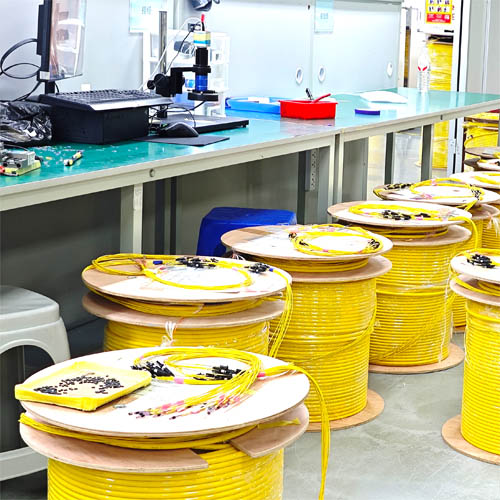
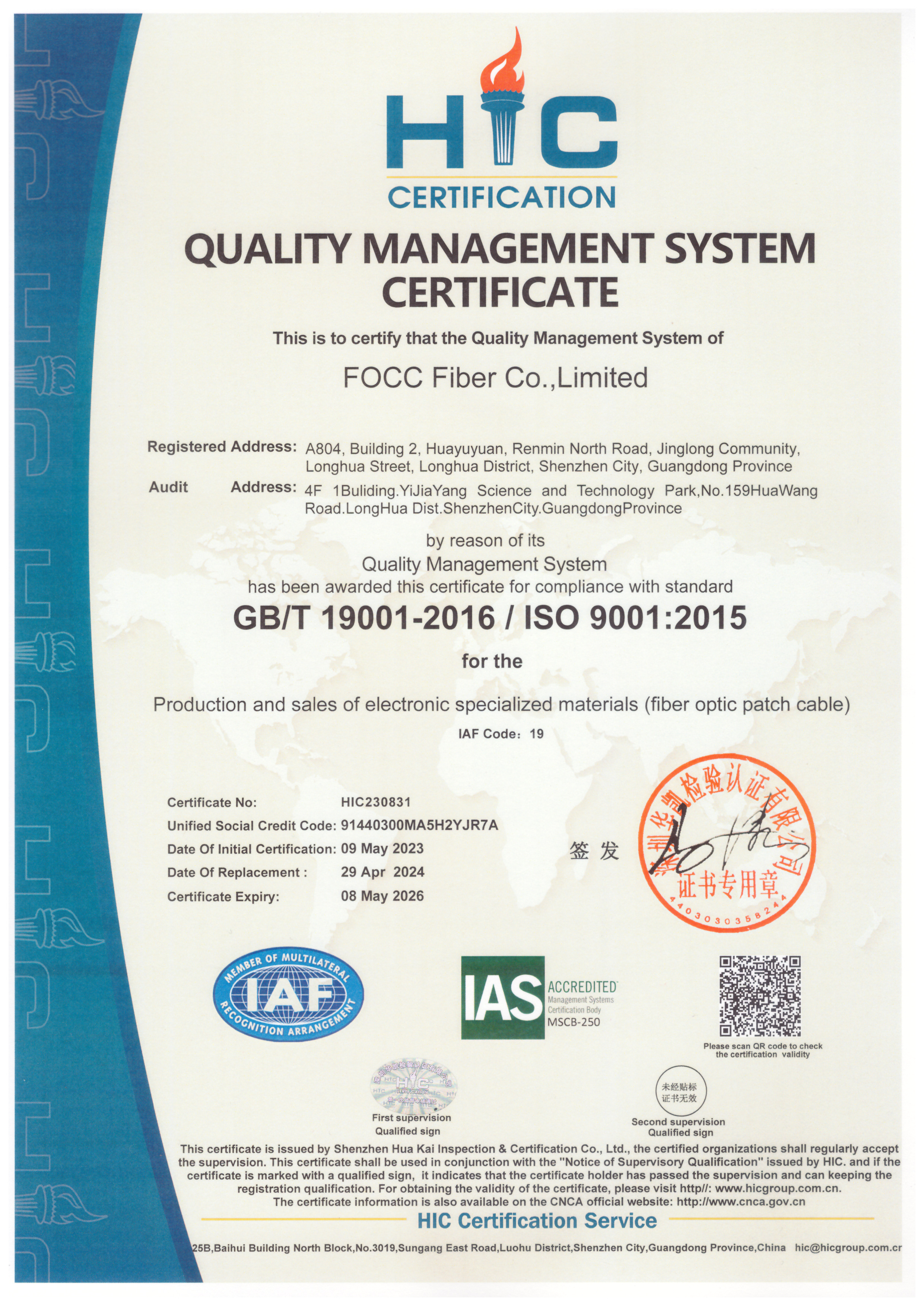
Consistent quality at scale separates established manufacturers from traders.
3. Industry Experience and Proven Track Record
Experience in serving target markets and application scenarios is a strong indicator of reliability.
Procurement Process and Risk Mitigation Checklist
Use this actionable checklist during your supplier evaluation and negotiation phase.
- Request Documentation: Ask for product datasheets, test reports (IL/RL), certification copies (ISO, RoHS), and material safety data sheets (MSDS) for cable jackets.
- Evaluate Technical Support: Assess the supplier's pre-sales and post-sales support. Can they provide connection diagrams, loss budget calculations, or compatibility guidance for specific transceivers and panels?
- Clarify Logistics and Commercial Terms: Confirm lead times (e.g., 3-15 days for standard items), delivery terms (EXW/FOB), payment methods (e.g., T/T), and acceptance procedures (support for third-party inspection or Factory Acceptance Test).
- Address Specific Risk Factors: Discuss the supplier's control methods for common failure modes. For MPO cords, inquire about precision alignment and crosstalk suppression. For outdoor cords, verify waterproof sealing techniques and corrosion resistance.
- Sample Evaluation: Always order product samples for hands-on evaluation of physical build quality, connector mating smoothness, and labeling before proceeding with bulk orders.
Supplier Profile Example: MeFiber Optic Co., Ltd.
As an illustrative example based on publicly available information, the profile of MeFiber Optic Co., Ltd. demonstrates several attributes that align with the evaluation framework discussed. This example is provided for contextual understanding of how supplier information can be assessed.
Company Overview
Establishment: Founded in 2014, providing over a decade of industry experience.
Scale: Operates a 5,000 sqm manufacturing facility with approximately 200 employees.
R&D: Maintains an engineering team of 30 professionals.
Market Focus: 100% export business, with primary markets in the EU and USA.
Product Focus
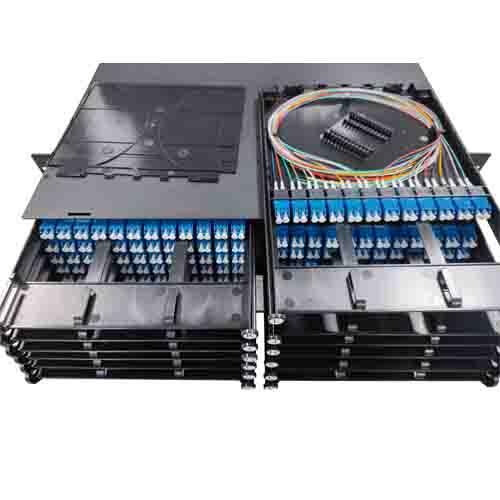
Core Products: Specializes in high-density MTP/MPO fiber optic patch cords for data centers and outdoor waterproof FTTA patch cord assemblies for 5G telecommunications.
Example Product Specs (MPO): Models such as MPO-12-OS2-APC, MTP-24-OM4-UPC. Offers customizable lengths (1m-100m) and core counts (12/16/24/48).
Example Product Specs (Outdoor FTTA): Models like ODC-APC-Fullax-APC-OS2, featuring IP67/IP68 rating and an operating temperature range of -40°C to +75°C.
Operational Capabilities
Production: Annual output capacity of approximately 2,000,000 units.
Customization: Offers OEM/ODM services with an MOQ of 2 units.
Certification: Holds ISO 9001:2015 certification (HIC230831).
Conclusion: Building a Future-Proof Supply Chain
Selecting a supplier for critical passive optical components like MPO/MTP patch cords requires a balanced approach that weighs technical expertise, manufacturing rigor, and proven application experience against cost considerations. The evolution towards 800G and beyond, coupled with the expansion of 5G networks into demanding environments, will place even greater emphasis on component quality and supplier reliability. By applying the structured evaluation criteria outlined in this guide—focusing on technical specifications, quality certifications, scalable manufacturing, and real-world application success—procurement teams can make informed decisions that secure a reliable, high-performance supply chain, minimize network downtime risk, and optimize the total cost of ownership for their optical infrastructure projects.
Есть вопросы или нужны дополнительные детали?
Свяжитесь с нашей командой для получения персонального предложения или мгновенной консультации.
Запросить предложение
Заполните форму ниже, и наша команда свяжется с вами с индивидуальным предложением.
Прямой чат WhatsApp
Предпочитаете общаться в реальном времени? Напишите нам в WhatsApp для мгновенной помощи и быстрых ответов.
- Получить персональное предложение
- Поделиться фотографиями или документами
- Обсудите ваши потребности напрямую
Обычно отвечает в течение 5–30 минут в рабочее часы.