
Всеобъемлющее руководство для покупателей: как выбрать поставщика машины для гофрированного картона
A Comprehensive Guide for Buyers: How to Select a Corrugated Cardboard Machine Supplier
Procuring capital equipment like a corrugated cardboard production line is a significant investment. This guide provides a structured framework for evaluating potential suppliers, ensuring you partner with a manufacturer that aligns with your production goals, quality standards, and long-term operational needs.
1. Defining Your Technical and Operational Requirements
Before initiating contact with suppliers, clearly define your project's scope. This foundational step prevents costly mismatches and streamlines the vetting process.
1.1. Core Line Specifications
- Production Speed & Width: Determine your target output. For instance, a standard line like the CCPL-1 Corrugated Cardboard Production Line offers a maximum mechanical speed of 300 m/min and handles widths from 1400 to 2800 mm. Does this match your volume?
- Key Component Needs: Identify which machines are essential. Is it a complete line, or specific units like a Single Facer (SF-1), Auto Splicer (AS-1), Slitter Scorer (SSC-1), or a Flexo Printer Slotter (FP-1)?
- Automation Level: Decide between semi-automatic and fully automatic systems. Fully automatic lines, like those supplied to a carton manufacturer in Southeast Asia, can significantly reduce labor and improve consistency.
1.2. Ancillary and Support Equipment
Consider the full ecosystem. Do you need a Waste Paper Baler (WPB-1) for recycling? A Carton Testing Instrument (CTI-1) for quality control? Conveyor systems like the Cardboard Conveyor (CC-1) or Paper Reel Conveyor (PRC-1)? Listing these requirements upfront allows for a more accurate total cost of ownership (TCO) quote.
2. Evaluating Supplier Capabilities and Credentials
Once requirements are set, assess suppliers against objective, verifiable criteria. Look beyond marketing claims to tangible evidence of capability.
2.1. Manufacturing and Technical Infrastructure
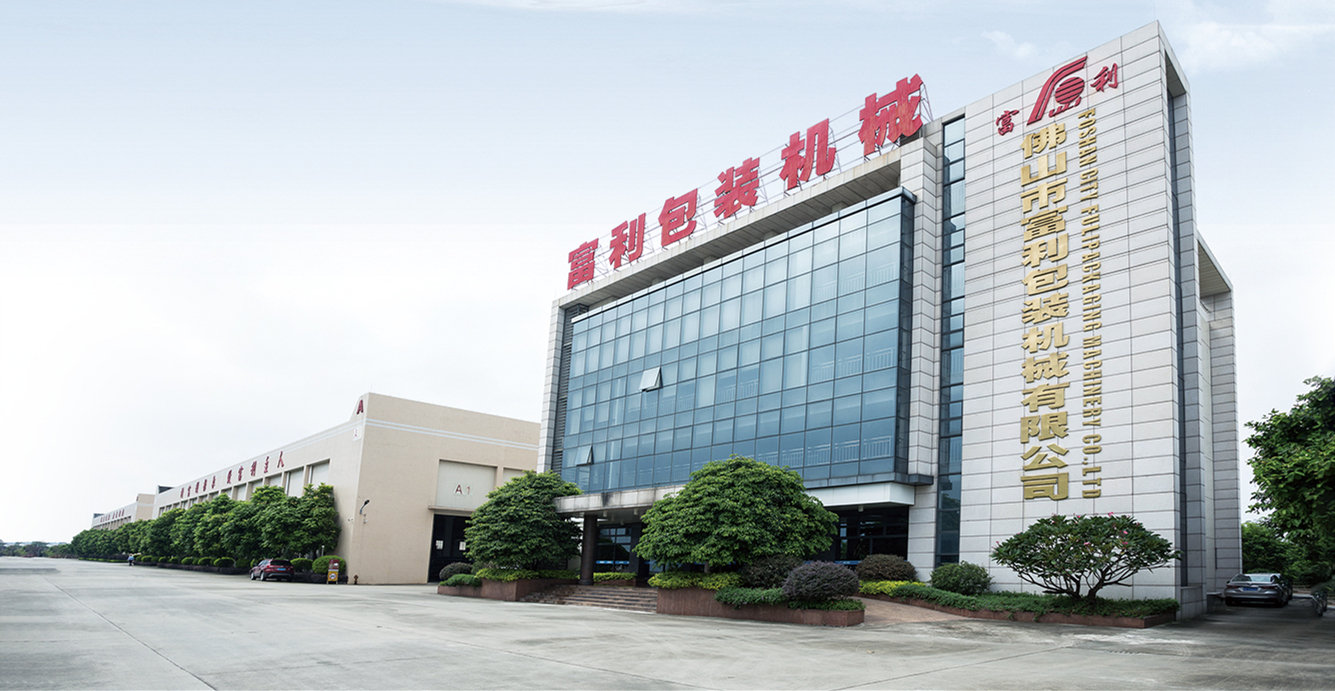
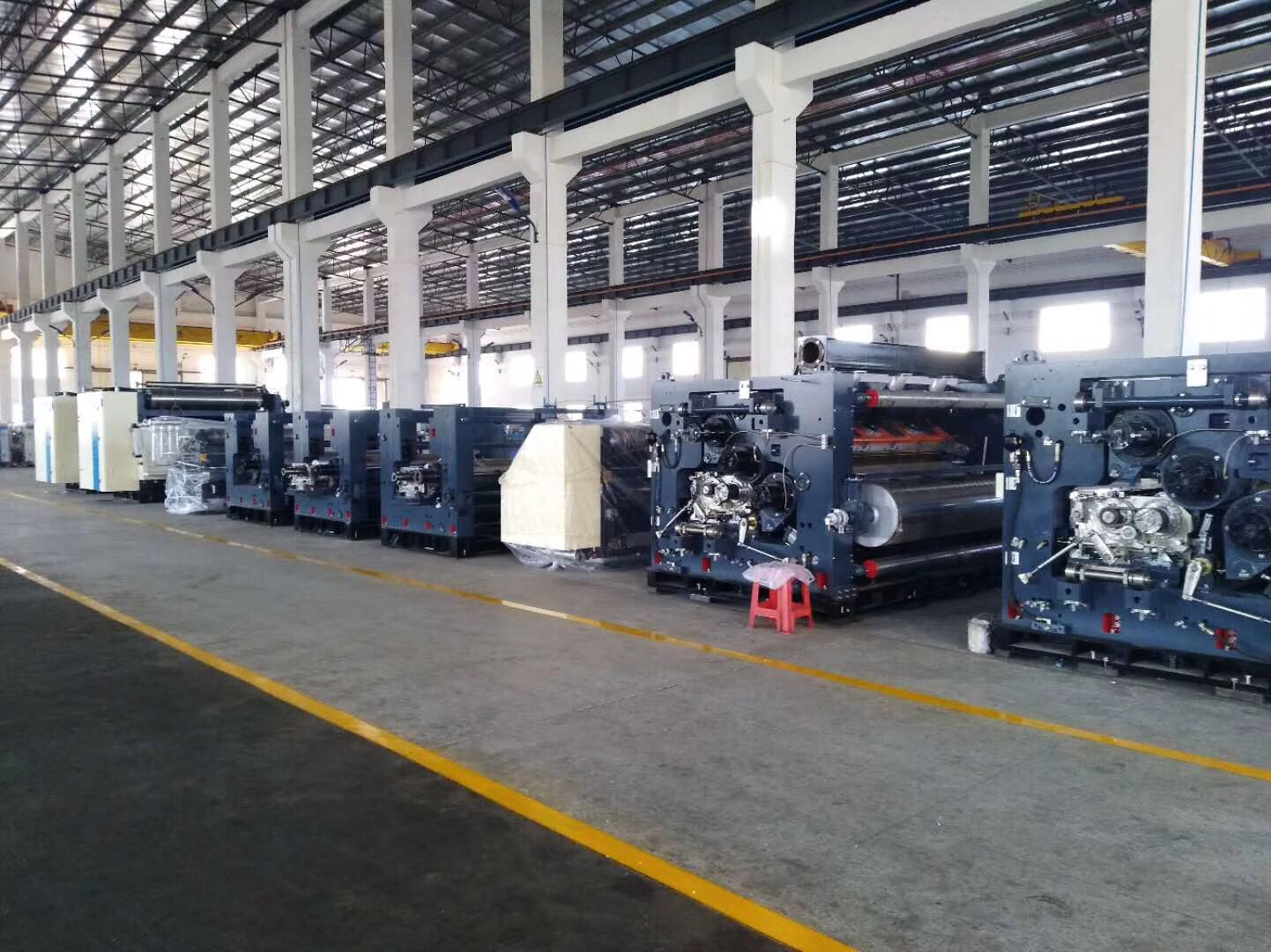
Inquire about the production facility. A supplier with a substantial, well-equipped factory is generally more reliable. For example, LLY PACK (HK) CO., LIMITED operates a state-of-the-art factory in Foshan City, Guangdong Province, with a total area of 57,000 square meters. The presence of advanced CNC centers, as noted in their profile, is a positive indicator of precision manufacturing capability.
A dedicated R&D team is crucial for customization and support. A team of 30 engineers, as reported by some suppliers, suggests a commitment to technical development and problem-solving.
2.2. Quality Assurance and Global Compliance
Request documentation. A valid ISO 9001:2015 certification (e.g., Certificate No. 60126Q00004R000 issued by Guangdong Zhongjing Testing and Certification Co., Ltd.) is a fundamental baseline for a quality management system. Verify its scope and expiry date.
Examine the supplier's export history and global footprint. Machines exported to over 40 countries and more than 3,500 successful installations worldwide demonstrate proven adaptability to diverse market conditions and operational standards.
Supplier Profile Example: LLY PACK
As a reference point, LLY PACK (HK) CO., LIMITED, established in 2024, specializes in corrugated machinery. Their major markets span South America, Southeast Asia, Africa, the Mid East, and the Domestic Market, with export business accounting for 100% of total sales. This global orientation often necessitates robust product standardization and after-sales logistics.
2.3. After-Sales Service and Risk Mitigation
Technical support is as important as the machine itself. Discuss:
- Installation & Commissioning: Will they provide engineers on-site?
- Training: Is comprehensive operator and maintenance training included?
- Spare Parts Availability: What is the lead time for critical wear parts like corrugating rolls or belts?
- Warranty: Understand the terms, duration, and what is covered.
Proactive suppliers implement risk control measures, such as pre-emptive replacement plans for key wear parts and digital monitoring solutions to minimize unplanned downtime.
3. The Procurement Process: From Quotation to Delivery
Understanding standard commercial terms helps in negotiations and planning.
3.1. Commercial Terms and Logistics
Clarify:
- Minimum Order Quantity (MOQ): Often 1 set for production lines.
- Payment Terms: Common methods include T/T (Telegraphic Transfer). Understand the payment schedule (e.g., deposit before production, balance before shipment).
- Delivery Terms: Standard Incoterms like FOB, CIF, EXW, or DAP. These define cost, risk, and responsibility divisions between buyer and seller.
- Pre-Shipment Inspection: Insist on a factory acceptance test (FAT) to verify machine operation before it leaves the factory.
Case Study Reference: Successful Project Implementation
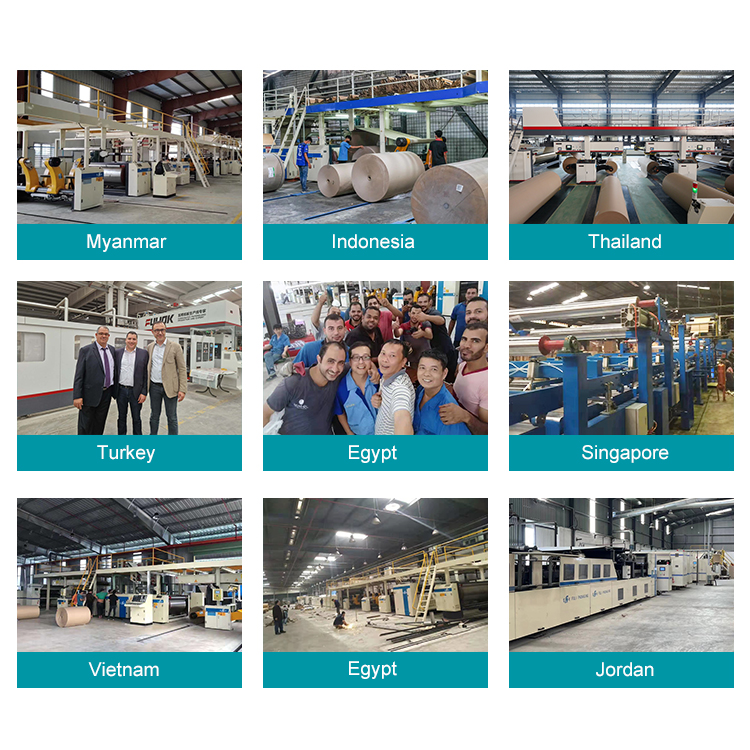
A corrugated carton manufacturer in multiple countries (including Thailand, Indonesia, Vietnam, Egypt, and Turkey) procured 9 units of equipment to build a complete production line from scratch. The project, spanning a 10-year cooperation period, resulted in a fully automatic production setup. This case highlights the importance of a supplier's capability to act as a solution integrator for greenfield projects.
4. Final Decision-Making and Partnership Considerations
The final choice should balance technical specs, cost, and the intangible factor of trust.
4.1. Conducting a Comparative Analysis
Create a scoring matrix. Compare shortlisted suppliers on:
- Technical compliance with your specifications.
- Total cost (machine, shipping, installation, duties).
- Proven track record in your region or with similar applications.
- Responsiveness and clarity of communication during the quotation phase.
- References from past clients in similar industries.
Industry analysis sometimes involves comparing suppliers. For instance, some evaluations note that certain manufacturers' lines may offer specific advantages in production smoothness or automation level, which can translate to higher operational efficiency or reduced maintenance frequency. Always request data or case studies to substantiate such comparisons.
4.2. Building a Long-Term Relationship
View the supplier as a strategic partner. A reliable partner supports you through future expansions, upgrades, and technological advancements in corrugated packaging.
Conclusion: A Methodical Approach to a Critical Investment
Selecting a corrugated cardboard machine supplier requires diligence and a structured evaluation process. By thoroughly defining needs, rigorously vetting manufacturer credentials, understanding commercial terms, and prioritizing after-sales support, buyers can make an informed decision that ensures productivity, quality, and reliability for years to come. The goal is not just to purchase a machine, but to secure a production asset backed by a capable and responsive partner.
For a detailed overview of technical specifications and company capabilities, you can review the following resource:
Download Comprehensive Product Brochure (PDF)