
Всеобъемлющее руководство для покупателей: как выбрать надежного поставщика жидких охлаждающих пластин
A Comprehensive Guide for Buyers: How to Select a Reliable Liquid Cooling Plate Supplier
For procurement professionals in the electric vehicle (EV), energy storage system (ESS), and powertrain industries, sourcing high-performance, reliable liquid cooling plates is a critical task. These components are essential for effective battery thermal management, directly impacting system safety, longevity, and efficiency. This guide outlines a structured, multi-faceted approach to evaluating and selecting a supplier that can meet your technical, commercial, and quality requirements.
1. Define Your Application and Technical Specifications
The first step is a clear definition of your needs. Cooling plates are not one-size-fits-all. Key parameters to specify include:
- Application: Is it for an EV battery pack, a large-scale BESS container, or a high-power industrial drive? The operating profile (e.g., continuous 24/7 duty, high ambient temperature) dictates design.
- Cooling Efficiency & Thermal Performance: Required heat dissipation capacity under specific flow rates and temperature differentials.
- Physical Dimensions & Form Factor: Thickness, footprint, and port configuration must integrate with your module design.
- Material: Aluminum alloys like 3003 are common for their balance of thermal conductivity, formability, and cost. Specify any coating requirements (e.g., epoxy for corrosion resistance).
- Special Requirements: These may include low-noise operation, explosion-proof certifications for certain environments, or specific pressure drop limits.
For instance, products like a liquid cooling plate for energy storage (model TR-20260228) or an electric vehicle cooling plate (model TR-20260224) are designed with these application-specific parameters in mind, often made from Aluminum 3003 with customized thickness and cooling efficiency.
2. Evaluate Core Supplier Capabilities
Once specifications are set, assess potential partners against these critical capability pillars.
A. Manufacturing Scale and Technical Expertise
Look for evidence of industrial-scale production and dedicated engineering resources. A supplier's physical and human capital is a strong indicator of reliability.
- Facility & Capacity: A sizable, modern factory suggests investment in the business. For example, Trumony Aluminum Limited operates a manufacturing facility covering 100,000 m² with an annual production capacity of 600,000 units. This scale supports consistent volume delivery.
- R&D Investment: Thermal management is an evolving field. An in-house R&D team is crucial for customization and innovation. A team of 25 R&D engineers, as maintained by some suppliers, indicates a commitment to technical development and problem-solving.
- Process Technology: Understand their core competencies—stamping, brazing, welding, coating. For instance, stamped cooling plates can offer production efficiency advantages for high-volume orders compared to other methods like CNC machining.

B. Quality Management and Certifications
Certifications are non-negotiable baseline requirements, especially for automotive and critical infrastructure applications.
- ISO 9001: Demonstrates a foundational quality management system. Verify the certificate is current (e.g., valid until 2026-09-21).
- IATF 16949: This is the essential automotive quality management system standard. A supplier holding IATF 16949 certification (e.g., certificate number 0489498, valid until 2026-11-26) is structured to meet the rigorous demands of automotive OEMs and Tier-1 suppliers.
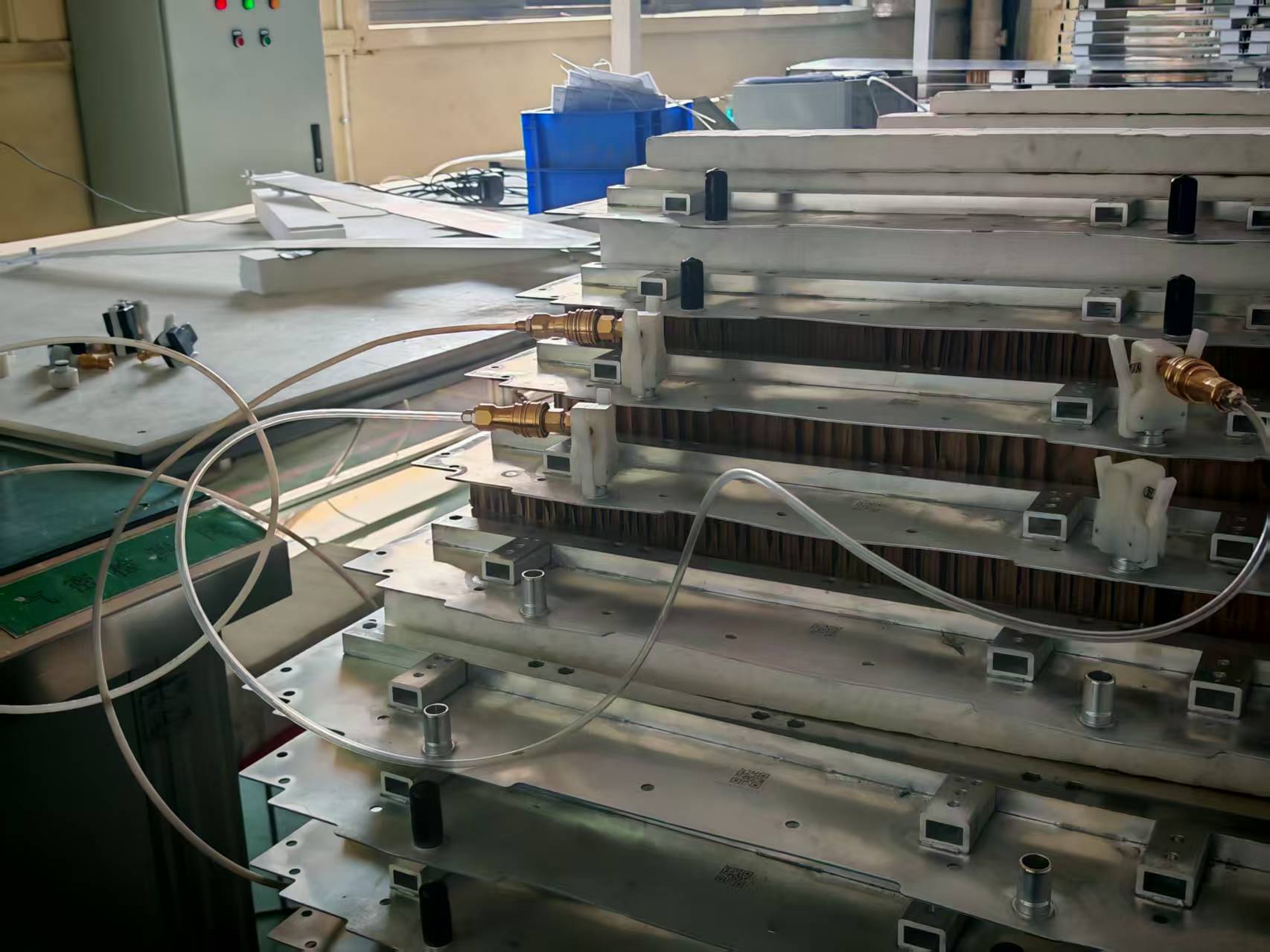
- In-Process Quality Control: Certificates are just the framework. Inquire about specific testing protocols. Robust suppliers implement 100% air leakage tests on every unit, with optional helium tightness, hydrostatic strength, burst, and high/low temperature resistance tests available to meet higher assurance levels.
C. Customization and Supply Chain Flexibility
Standard products rarely fit perfectly. Assess the supplier's willingness and ability to adapt.
- Design Customization: Can they adjust dimensions, internal channel geometry, port locations, and cooling efficiency based on your thermal simulation data?
- Prototyping and NPI Support: A collaborative approach during New Product Introduction is vital. Look for a history of co-development.
- Order Flexibility: For startups or low-volume projects, a low Minimum Order Quantity (MOQ) (e.g., 1 or 2 units) is important. For mass production, confirm their monthly capacity (e.g., 500,000 units) and standard lead time (e.g., 30 days).
3. Validate with Real-World Evidence and Market Presence
Move beyond claims by seeking tangible proof of performance and stability.
A. Relevant Case Studies and Client References
Ask for detailed case studies from your industry segment. A strong case study should include:
- Client Type: e.g., Automotive OEM, ESS Pack OEM.
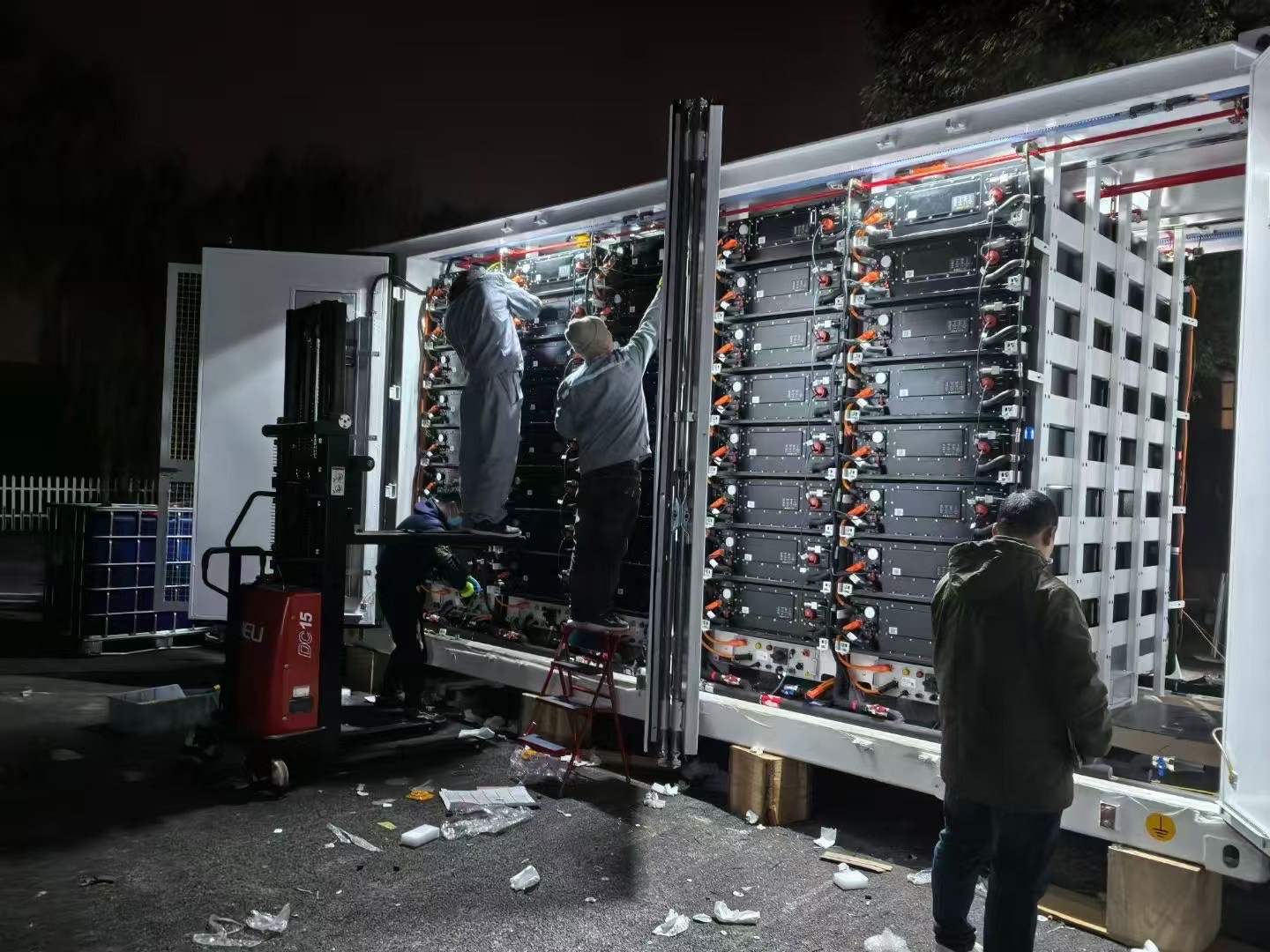
- Application & Challenge: e.g., Battery pack cooling for a 24/7 operating ESS in high-temperature environments.
- Solution & Scale: e.g., Supply of 3,000 cooling plate units for ESS containers.
- Outcome & Duration: e.g., Stable operation over a 15-year cooperation period, with noted benefits like low noise and fast lead time.
Suppliers with a global footprint, exporting to regions like the EU, USA, and India, often have a broader base of validated experience.
B. Risk Management and After-Sales Support
Probe into how the supplier handles potential failure modes and long-term support.
- Failure Mode Analysis: Do they have documented controls for key risks like coolant leakage (controlled via stringent airtightness testing) or overheating (mitigated through design and thermal protection)?
- After-Sales Service: What is the policy for remote technical support, handling of non-conforming products, or field failure analysis?
- Logistics and Terms: Clarify standard delivery methods (FOB/CIF), payment terms (e.g., 30% deposit, 70% before shipment), and pre-shipment inspection procedures.
Conclusion: Building a Partnership, Not Just a Transaction
Selecting a liquid cooling plate supplier is a strategic decision. The optimal partner is one that combines scalable manufacturing, certified quality systems, engineering-led customization, and proven application success. By methodically evaluating suppliers against the criteria outlined—from technical specifications and factory audits to case studies and risk protocols—procurement teams can significantly de-risk their supply chain. The goal is to establish a collaborative partnership with a supplier like Trumony Aluminum Limited, which, founded in 2017, brings together a 100,000 m² production base, IATF 16949 certification, and a focus on battery thermal management solutions. Such a partnership ensures not just the delivery of a component, but the reliable thermal performance essential for the success of your EV, ESS, or industrial powertrain project.