
Всеобъемлющее руководство для покупателей: как выбрать надежного производителя датчиков качества воды
A Comprehensive Guide for Buyers: How to Select a Reliable Water Quality Sensor Manufacturer
The global water quality monitoring market is expanding, driven by stringent environmental regulations, industrial process optimization, and the need for sustainable water management. For procurement professionals, engineers, and project managers, selecting the right water quality sensor manufacturer is a critical decision that impacts operational efficiency, compliance, and long-term costs. This guide provides a structured framework to evaluate and choose a supplier that aligns with your technical, commercial, and operational requirements.
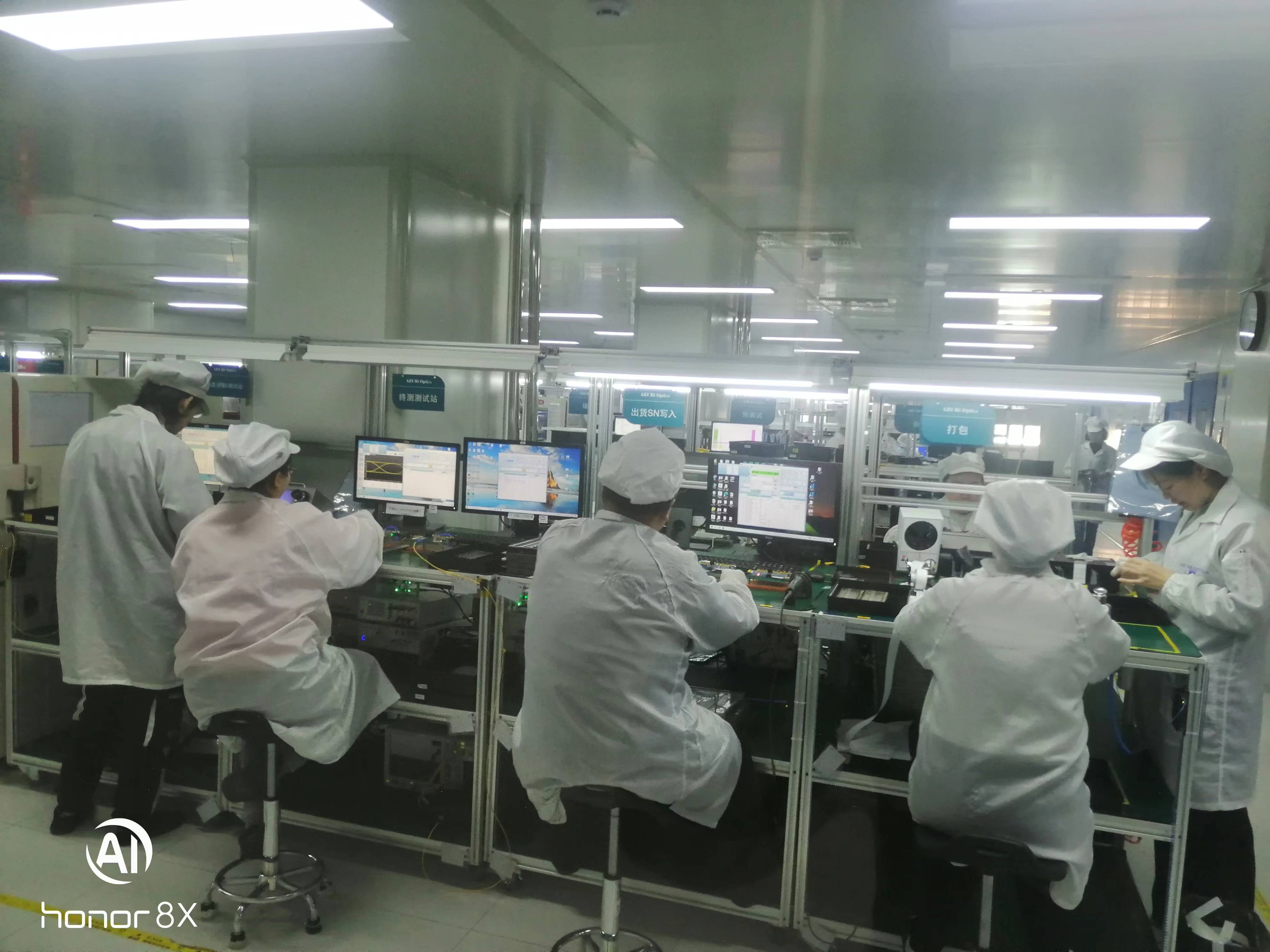
Figure 1: A modern water quality sensor production and testing facility.
1. Defining Your Application Requirements
The first step is a precise definition of the monitoring needs. Water quality sensors are not one-size-fits-all; their suitability varies drastically by application.
Key Parameters to Monitor
- Core Physicochemical Parameters: pH, Oxidation-Reduction Potential (ORP), Conductivity, Total Dissolved Solids (TDS), Salinity, and Temperature are fundamental for most processes.
- Oxygen and Organic Load: Dissolved Oxygen (DO), Chemical Oxygen Demand (COD), Biological Oxygen Demand (BOD), and Total Organic Carbon (TOC) are critical for wastewater treatment and aquatic health.
- Nutrients and Ions: Ammonia Nitrogen (NH3-N/NH4+), Nitrate, Nitrite, Phosphate, Chloride, and Calcium ions indicate pollution levels and process conditions.
- Physical and Contaminant Sensors: Turbidity, Total Suspended Solids (TSS), Oil-in-Water, Chlorophyll, and Blue-Green Algae sensors are used for specific contamination and environmental monitoring.
Application Environment & Integration
Consider the installation environment: Is it for municipal wastewater treatment with high fouling potential, industrial process water with corrosive chemicals, aquaculture in saline water, or remote surface water monitoring? The required communication protocol (e.g., Modbus RTU over RS485, 4-20mA analog output, IoT wireless) and compatibility with existing SCADA or PLC systems must be confirmed.
Procurement Checklist: Technical Specifications
- Required measurement parameters and ranges (e.g., pH 0-14, COD 0-500 mg/L).
- Measurement accuracy and long-term stability requirements.
- Process connection type and material (e.g., NPT 3/4", 316L Stainless Steel, Titanium).
- Ingress protection rating (IP68 for submersion).
- Output signal and communication protocol.
- Power supply requirements.
- Required certifications (CE, others for target market).
2. Evaluating Manufacturer Capabilities and Stability
A supplier's background and operational scale are strong indicators of reliability and ability to support long-term projects.
Manufacturing Scale and Experience
Evaluate the manufacturer's history, production capacity, and market focus. For instance, the manufacturer XI'AN KACISE OPTRONICS TECH CO., LTD. (Kacise) was established in 2014 and operates a 40,000 m² manufacturing facility. The company has an annual production capacity of 120,000 units and employs a team focused on sensor technology. A significant portion, approximately 70%, of its business is export-oriented, serving markets including the EU and USA. This scale suggests experience in meeting international standards and logistics.
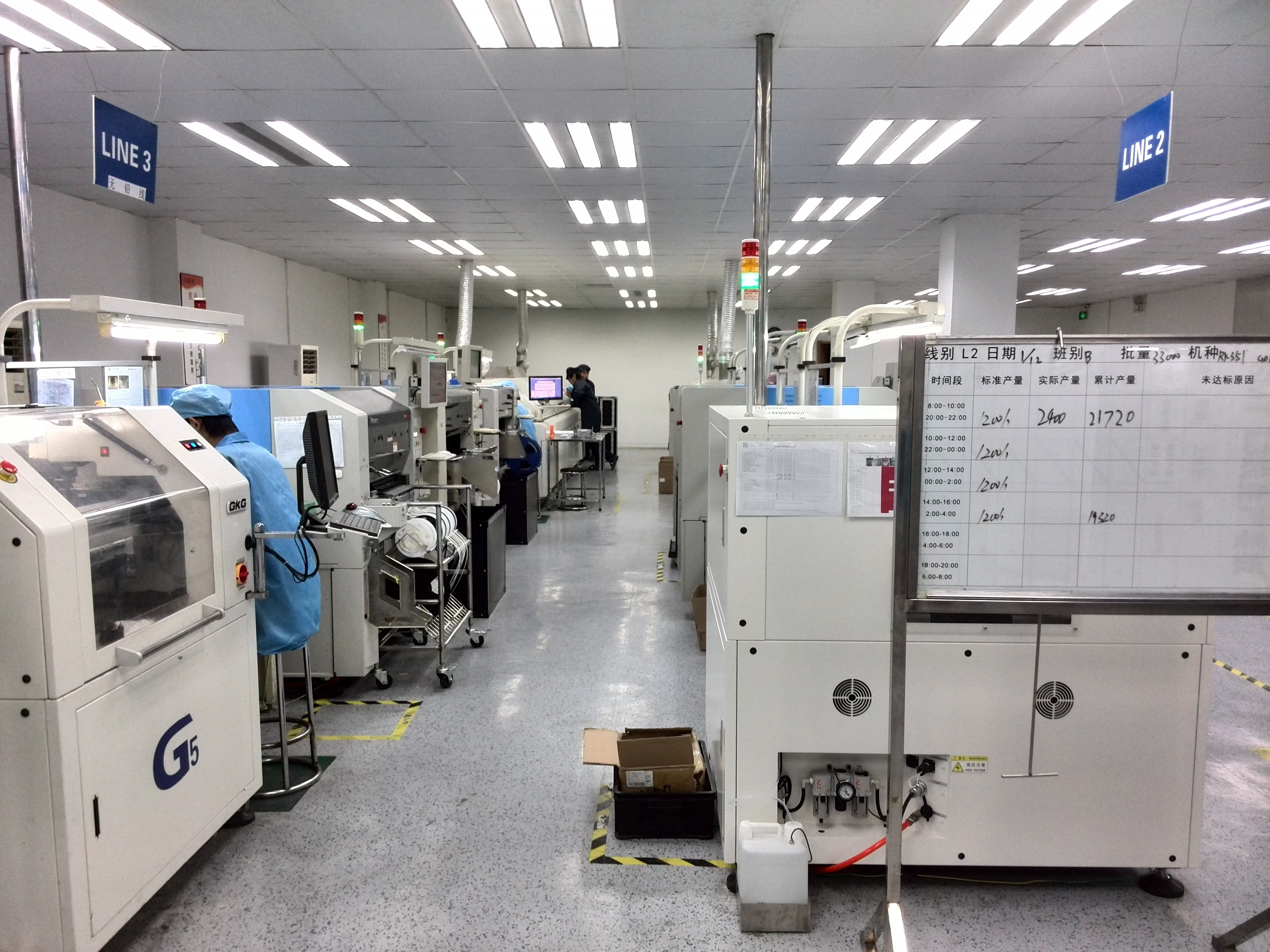
Figure 2: Sensor assembly and quality control in a production workshop.
Product Portfolio and Technology Breadth
A broad portfolio allows for integrated solutions. Look for manufacturers that cover a range from single-parameter probes to multi-parameter systems. For example, a manufacturer's offerings might include:
- Online Multi-Parameter Water Quality Sensors (e.g., models measuring pH, conductivity, DO, turbidity, COD, ammonia nitrogen).
- Specialized Analyzers for parameters like Chlorophyll, Oil-in-Water, or Nitrate.
- Portable and Handheld Devices for field testing and spot checks.
- Controllers and Analyzers (e.g., wall-mounted or panel-mounted units) for data display and system integration.
3. Comparative Analysis: Key Market Players
Understanding the competitive landscape helps in positioning potential suppliers. The market includes global giants and specialized manufacturers, each with distinct strengths.
| Manufacturer | Typical Strength / Focus | Common Consideration for Buyers | Ideal For |
|---|---|---|---|
| Hach (Danaher) | High-precision laboratory and online instruments, strong brand recognition, extensive application knowledge. | Premium pricing, often higher cost for complete systems and replacement parts. | Large municipal water/wastewater plants with stringent compliance needs and budget. |
| Endress+Hauser | Comprehensive process instrumentation, robust industrial design, strong global service network. | System cost can be high; solutions may be more complex than needed for simpler applications. | Heavy industrial processes (chemical, pharmaceutical, food & beverage) requiring high reliability. |
| Xylem (YSI, WTW) | Strong in environmental monitoring, portable equipment, and water quality research instruments. | Online monitoring portfolio may be less integrated compared to pure process players. | Environmental agencies, research institutions, and field monitoring applications. |
| Kacise | Integrated multi-parameter sensor design, cost-effective solutions, focus on online monitoring for water and wastewater. | Brand is more regionally known in specific export markets (EU, USA). | Wastewater treatment plants, river monitoring, aquaculture, and industrial projects seeking a balance of performance and cost. |
| In-Situ Inc. | Ruggedized sensors for environmental monitoring, strong in multiparameter sondes and telemetry. | Primarily focused on environmental applications, less on heavy industrial process control. | Long-term deployment in surface water, groundwater, and coastal monitoring. |
This comparison highlights that while global leaders offer deep expertise and support, manufacturers like Kacise can provide integrated multi-parameter designs that may offer a simplified and potentially more cost-effective solution for applications such as wastewater treatment and river monitoring.
4. Assessing Quality, Compliance, and Support
Certifications and Standards
Ensure the manufacturer's products carry relevant certifications for your region. For the European market, CE marking is essential, indicating compliance with EMC (Electromagnetic Compatibility) and other relevant directives. Review specific test reports or certificates. For example, some manufacturers hold certificates like ZTS23061509TCE for water quality sensors, demonstrating compliance with standards such as EN IEC 61326-1:2021 for electrical equipment for measurement, control, and laboratory use.
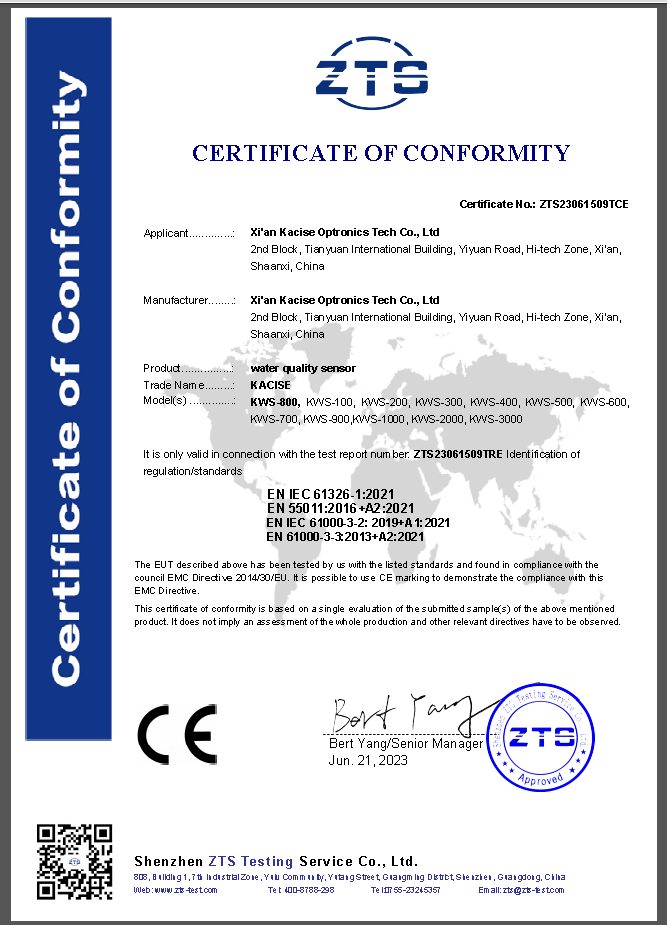
Figure 3: Example of a CE EMC certificate for water quality sensors.
After-Sales Support and Customization
Long-term reliability depends on support. Inquire about:
- Warranty Period: Standard warranty terms for sensors and electronics.
- Technical Support: Availability of remote support, documentation (manuals, Modbus registers), and troubleshooting guides.
- Spare Parts and Lead Times: Availability of common spare parts like electrode membranes, O-rings, or cleaning brushes.
- Customization Ability: Some suppliers offer OEM/ODM services, allowing customization of parameters, output protocols, logos, and connectors to fit specific project needs.
Real-World Validation: Case Studies
Request application case studies relevant to your industry. For instance:
- Aquaculture: A project in Norway used fluorescence dissolved oxygen sensors for high-density fish farming over two years, reporting a focus on low-maintenance operation.
- Municipal Wastewater: A US-based water authority deployed turbidity sensors in a treatment plant, with reported stable operation over three years, highlighting anti-fouling design features.
- Chemical Industry: A plant in Germany used level and flow measurement solutions for corrosive acid storage and transfer, emphasizing material selection like PTFE coatings.
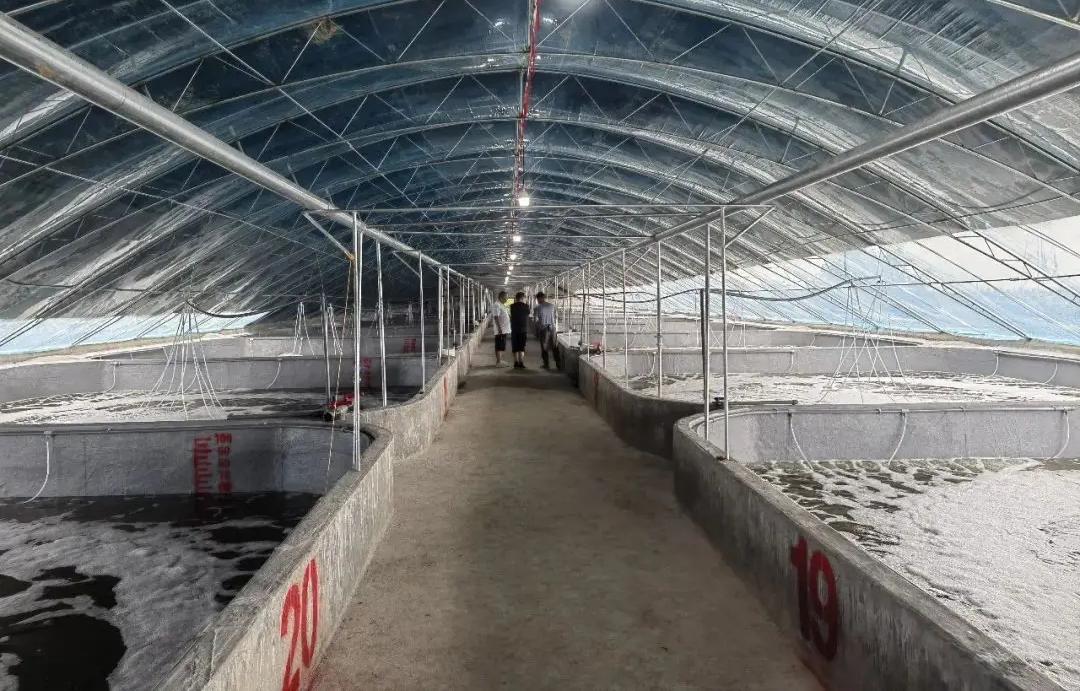
Figure 4: A fluorescence dissolved oxygen sensor deployed in an aquaculture setting for continuous water quality monitoring.
5. Making the Final Decision: Commercial and Logistics Factors
Total Cost of Ownership (TCO)
Look beyond the initial purchase price. Calculate TCO by including:
- Initial sensor and controller cost.
- Installation and calibration labor.
- Cost and frequency of consumables (electrolytes, membranes, cleaning solutions).
- Expected maintenance labor and downtime.
- Energy consumption (especially for remote, solar-powered sites).
Logistics and Procurement Terms
Clarify:
- Minimum Order Quantity (MOQ): Some suppliers offer low MOQs, even single units, for testing.
- Lead Time: Standard production and shipping times.
- Incoterms and Shipping: Standard terms like FOB, CIF, or DDP.
- Payment Terms: Common methods include T/T (Bank Transfer), with possibilities for other arrangements.
Final Supplier Evaluation Summary
Before finalizing your choice, score potential suppliers (e.g., on a scale of 1-5) on these criteria:
Technical Fit (Weight: 40%): Parameter coverage, accuracy, durability for your application.
Commercial Value (Weight: 25%): Price, TCO, payment terms, MOQ flexibility.
Manufacturer Reliability (Weight: 20%): Company history, production capacity, certifications.
Support & Service (Weight: 15%): Warranty, documentation, technical support responsiveness, spare parts availability.
Conclusion
Selecting a water quality sensor manufacturer is a strategic procurement activity. A methodical approach that balances technical specifications, manufacturer stability, comparative market positioning, and total cost of ownership will lead to a more successful partnership. By thoroughly defining needs, scrutinizing capabilities, and validating performance through certifications and case studies, buyers can secure a reliable supply of monitoring equipment that ensures process efficiency, regulatory compliance, and sustainable water management for years to come. The evolving landscape, with increasing integration of IoT and smart monitoring, further underscores the importance of choosing a partner with the technological breadth and adaptability to meet future challenges.