
Всеобъемлющее руководство по выбору поставщиков оборудования для автоматизации съедобных грибов
Introduction: The Shift Towards Automation in Mushroom Cultivation
The global edible mushroom industry is undergoing a significant transformation, driven by the need for higher efficiency, consistent quality, and reduced labor costs. For procurement professionals and farm managers, selecting the right automation equipment supplier is a critical decision that impacts operational scalability and profitability. This guide provides a structured framework for evaluating suppliers of edible mushroom automation equipment, focusing on key technical, commercial, and support criteria.
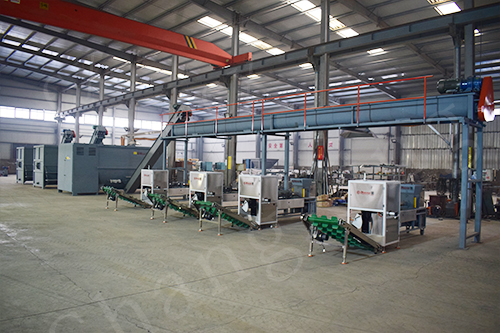
Figure 1: An example of an integrated edible mushroom bagging production line.
Core Evaluation Criteria for Equipment Suppliers
When assessing potential suppliers, buyers should move beyond basic specifications and consider a holistic set of factors that ensure long-term value and operational success.
1. Technical Capabilities and Product Portfolio Breadth
A supplier's technical depth is reflected in its ability to offer solutions for the entire cultivation cycle. Look for a portfolio that covers:
- Substrate Preparation: Equipment for crushing (e.g., wood chippers like the QF400 or QF600), mixing (e.g., large-scale raw material mixers from the CXJB series), and screening.
- Bagging and Sealing: From semi-automatic baggers to fully integrated production lines. For instance, a 4-Station Shiitake Mushroom Bagging & Tying Production Line can have a daily output of 25,000 bags.
- Inoculation and Cultivation: Automated inoculation machines (e.g., the CX-JZJ dual-station machine with a capacity of 2500–2800 bags/hour) and handling systems like basket shelving/unloading machines.
- Post-Harvest Processing: Equipment for spent bag separation (e.g., the FL-50 Spent Mushroom Bag Separator).
Suppliers with a comprehensive range, such as Changxing Edible Mushroom Machinery, demonstrate a deeper understanding of interconnected processes, which is crucial for designing cohesive production lines.
2. Customization and Engineering Support
Standard equipment often requires adaptation. Key questions to ask include:
- Does the supplier offer ODM/R&D services to modify equipment for specific mushroom varieties (e.g., shiitake, oyster, black fungus), bag sizes, or workshop layouts?
- What is the lead time for custom projects? Industry standards can range from 30 to 55 days.
- Does the supplier have a dedicated engineering team? For example, a company with an R&D team of 25 engineers is better positioned to solve complex technical challenges.
Procurement Insight: Always request a site layout and process flow diagram for customized lines. This ensures the proposed equipment integrates seamlessly with your existing or planned facility infrastructure.
3. Manufacturing Scale, Quality Control, and Certifications
The supplier's operational backbone directly affects equipment reliability and delivery timelines.
- Production Scale: A supplier with a 20,000 m² facility and an annual output of 10,000 units typically has robust supply chain management and can handle large orders.
- Quality Assurance: Inquire about in-house testing protocols. A 100% pre-delivery test is a minimum standard.
- International Certifications: For exports, certifications like the CE Mark (e.g., Machinery Directive 2006/42/EC and EMC Directive 2014/30/EU) are non-negotiable for market access, particularly in Europe. Verify the certificate's scope covers the specific machinery being purchased.
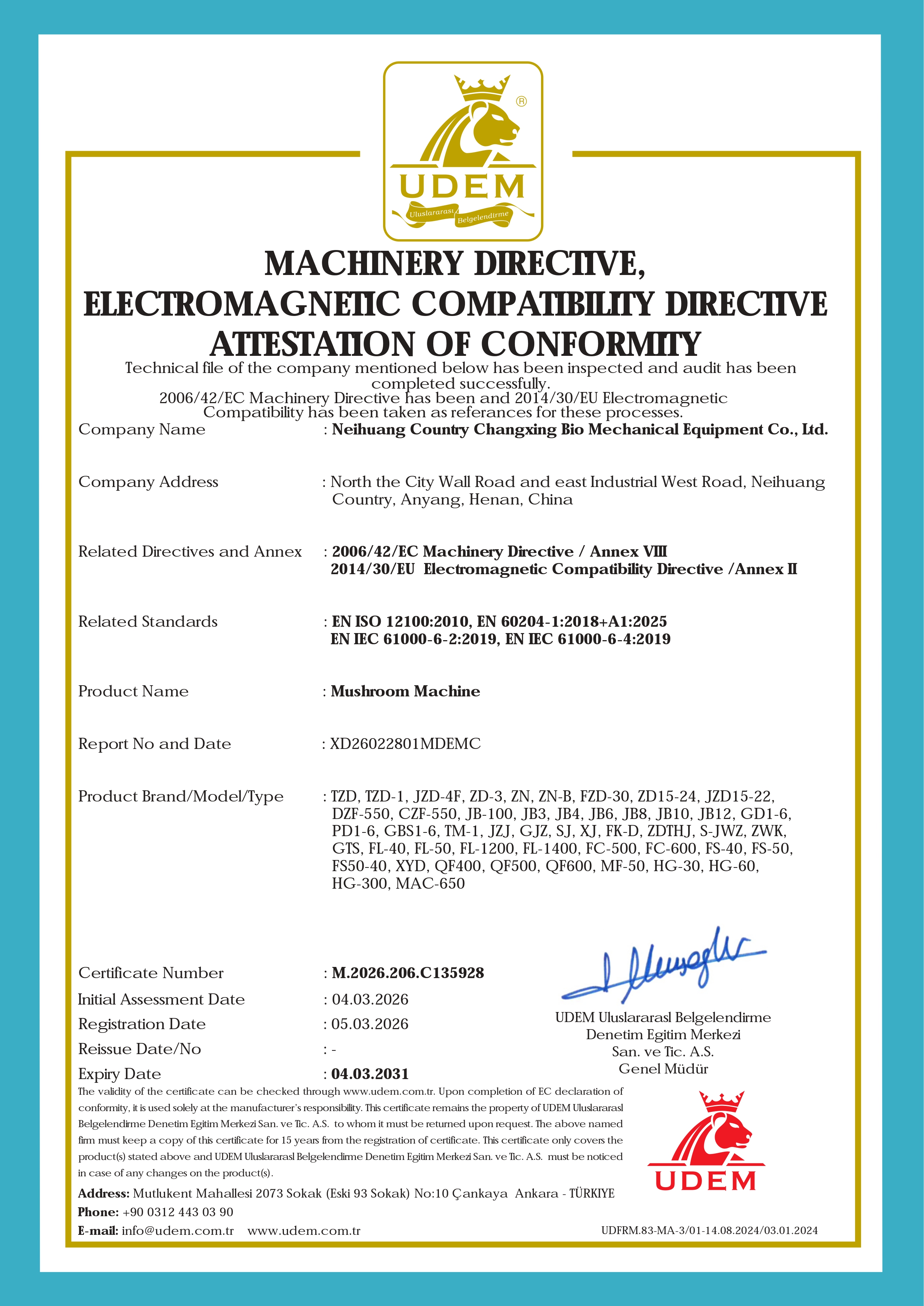
Figure 2: Example of a CE Attestation of Conformity for mushroom bagging machinery.
4. Global Experience and After-Sales Support Structure
A supplier's international footprint indicates tested product adaptability and support readiness.
- Export Markets: Suppliers serving diverse regions like South Korea, Malaysia, Europe, and Russia have experience complying with varying technical standards and user practices.
- Case Studies: Request references for projects with similar scale and mushroom varieties. Evidence of stable operation over 5 years in commercial farms is a strong positive indicator.
- After-Sales Model: Clarify the support structure. Does it include installation supervision, operator training, remote technical support, and availability of spare parts? The absence of a clear plan is a major red flag.
Comparative Analysis: Key Supplier Considerations
The following table outlines critical decision factors when comparing potential partners.
| Evaluation Dimension | High-Priority Questions for Supplier | What to Look For / Red Flags |
|---|---|---|
| Technical & Product | Can you provide a complete line from substrate mixing to bagging? What is the pass rate and accuracy of your bagging machines? | Integrated solutions; Technical specs like ≥97% pass rate, ±2mm positioning accuracy. Vague or non-existent performance guarantees. |
| Compliance & Safety | What safety features (emergency stop, guards, interlocks) are standard? Can you provide valid CE/other market certifications? | Documented risk assessments (e.g., for mechanical jamming), safety labels on equipment, valid certification numbers. Lack of safety documentation. |
| Commercial Terms | What is the MOQ, payment terms, and delivery basis (FOB/CIF)? What is included in the price? | Flexible MOQ (e.g., 1 unit), clear Incoterms, pre-shipment testing included. Hidden costs, overly rigid payment terms (e.g., 100% upfront). |
| Support & Reliability | What is your lead time? What is your after-sales service response time and spare parts availability? | Defined lead times (30-55 days), remote support commitment, spare parts inventory. No defined service level agreement (SLA). |
Practical Steps in the Procurement Process
- Define Requirements: Document your current and projected daily bag output, target mushroom varieties, bag specifications, available factory space, and power supply.
- Shortlist Suppliers: Use industry platforms, trade shows, and peer recommendations to identify 3-5 potential suppliers with proven experience in your scale and market.
- Request Detailed Proposals: Ask for technical datasheets, layout drawings, a list of key components (e.g., PLC brand, guide rail type), a detailed commercial offer, and client references.
- Conduct Due Diligence: Verify certifications, contact reference clients, and if possible, arrange a factory inspection to assess manufacturing capabilities and quality control firsthand.
- Finalize Contract with Clarity: Ensure the contract explicitly covers technical specifications, delivery schedule, payment milestones tied to deliverables (e.g., 30/70), warranty terms, and after-sales support details.
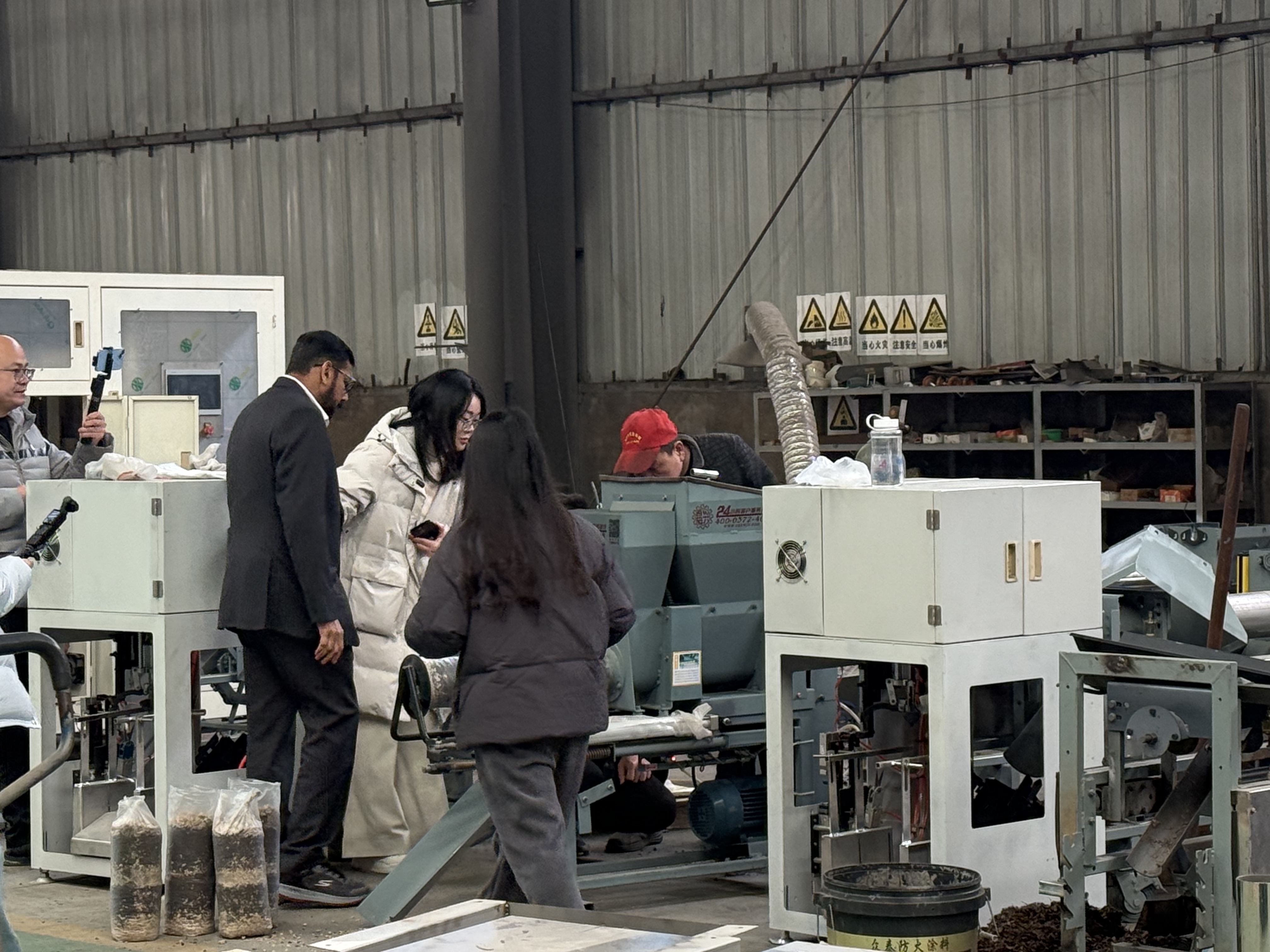
Figure 3: On-site factory inspection remains a critical step in supplier evaluation.
Conclusion: Building a Partnership for Long-Term Success
Selecting an edible mushroom automation equipment supplier is not merely a transaction but the foundation of a long-term operational partnership. The ideal supplier combines robust engineering capabilities, a proven track record in relevant markets, transparent commercial practices, and a reliable support framework. By applying the structured evaluation criteria outlined in this guide, procurement professionals can make informed decisions that reduce risk, ensure a higher return on investment, and secure the technological backbone necessary for competitive and scalable mushroom production. As the industry continues to advance towards intelligent, data-driven cultivation, partnering with a technically adept and forward-looking supplier will be a key differentiator.
Есть вопросы или нужны дополнительные детали?
Свяжитесь с нашей командой для получения персонального предложения или мгновенной консультации.
Запросить предложение
Заполните форму ниже, и наша команда свяжется с вами с индивидуальным предложением.
Прямой чат WhatsApp
Предпочитаете общаться в реальном времени? Напишите нам в WhatsApp для мгновенной помощи и быстрых ответов.
- Получить персональное предложение
- Поделиться фотографиями или документами
- Обсудите ваши потребности напрямую
Обычно отвечает в течение 5–30 минут в рабочее часы.