
Практическое руководство для покупателей: как выбрать надежного производителя Activewear OEM / ODM
A Practical Guide for Buyers: How to Select a Reliable Activewear OEM/ODM Manufacturer
Selecting the right manufacturing partner is a critical strategic decision for brands in the activewear sector. The choice impacts product quality, supply chain resilience, brand reputation, and ultimately, profitability. This guide provides a structured framework for procurement professionals and brand founders to evaluate and select an activewear OEM/ODM manufacturer, focusing on key due diligence areas beyond basic cost considerations.
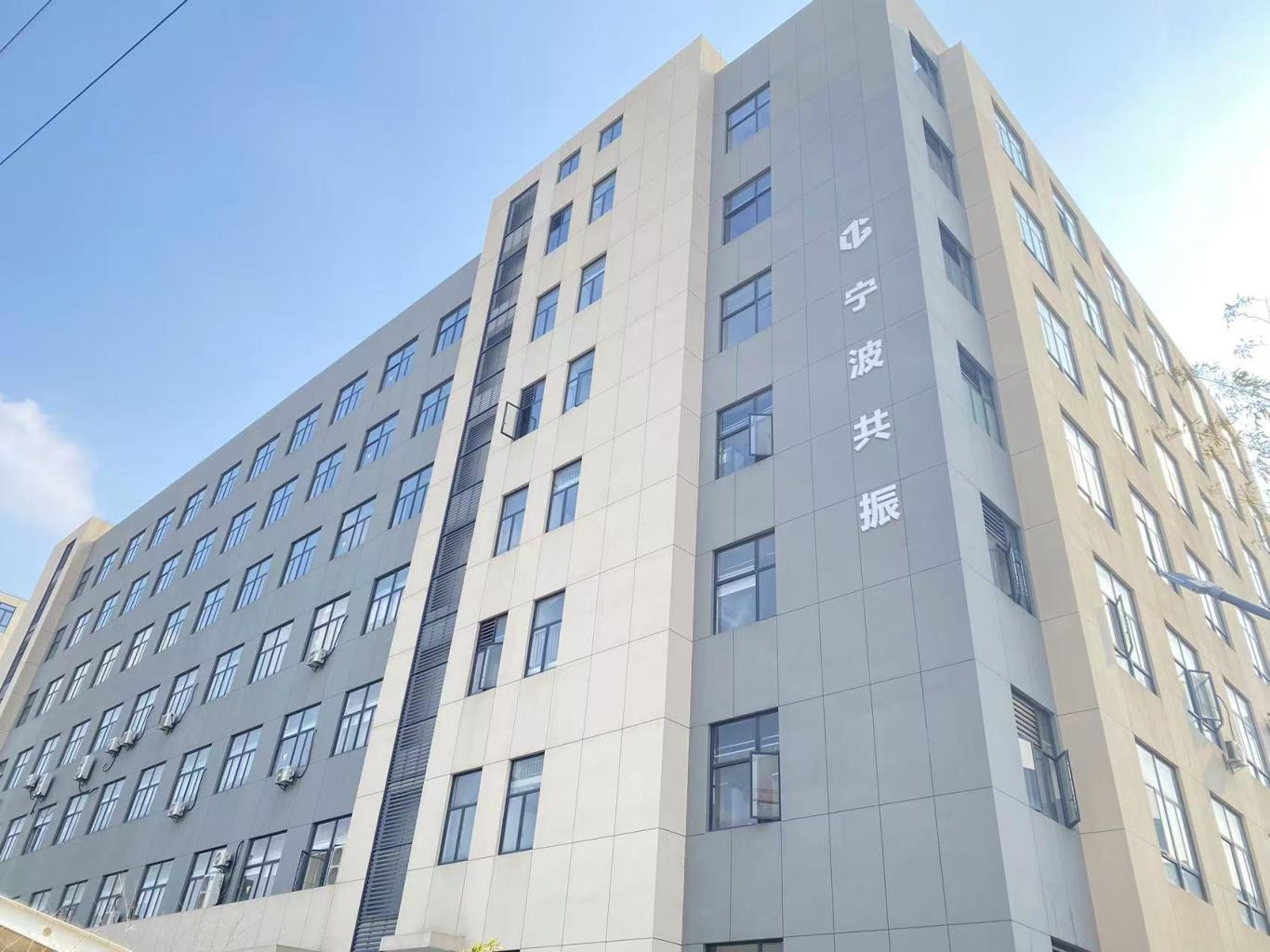
A modern manufacturing facility is a key indicator of production capability and management standards.
1. Core Manufacturing Capabilities & Technical Specialization
The foundation of a good partnership lies in the manufacturer's core competencies. Assess these against your specific product needs.
1.1 Vertical Integration & Fabric Sourcing
Manufacturers with control over their fabric supply chain offer significant advantages in quality consistency, innovation speed, and supply security. For instance, some suppliers operate their own fabric mills or have direct partnerships with mills in regions known for technical textiles, such as Italy or Taiwan. This integration allows for:
- Faster development cycles for custom fabrics (industry estimates suggest 4–6 weeks faster).
- Higher material quality pass rates (e.g., reported rates of 99%).
- Greater flexibility for small-batch material trials and exclusive fabric development.
This contrasts with standard OEMs that rely on external fabric sourcing, which can introduce variability and longer lead times.
1.2 Production Technology & Process
Advanced manufacturing technology is no longer a luxury but a necessity for producing high-performance activewear. Key differentiators include:
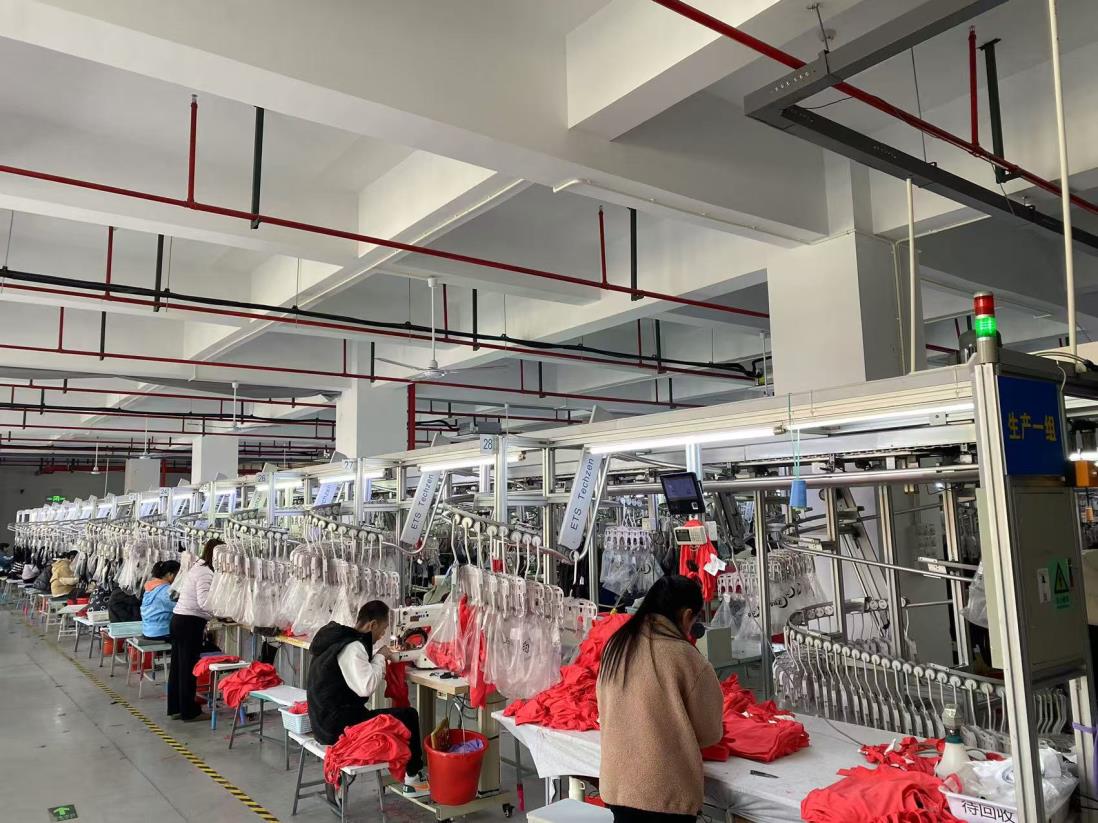
Automated and organized production lines are indicative of efficiency and quality control.
2. Compliance, Certifications & Ethical Standards
In today's market, compliance is non-negotiable. Certifications provide third-party validation of a manufacturer's claims regarding quality, safety, and social responsibility.
2.1 Product Safety & Environmental Certifications
Essential certifications for activewear targeting global markets, particularly the EU and North America, include:
| Certification | Issuing Authority | Scope & Relevance | Example Certificate Number |
|---|---|---|---|
| OEKO-TEX® STANDARD 100 | TESTEX | Tests for harmful substances in all textile components. Valid until June 2026. | HKC 23756 |
| Global Recycled Standard (GRS) | Control Union / SGS | Verifies recycled material content and supply chain traceability. Key for sustainable claims. | CU1143477GRS-2023-00097318 / SGC-GRC02509-GRS-2023-11 |
2.2 Social Compliance
The amfori BSCI (Business Social Compliance Initiative) audit is a widely recognized standard for ethical production. A valid BSCI report (e.g., Certificate Number 24-0257545) demonstrates the factory's commitment to fair labor practices, safe working conditions, and social responsibility, which is increasingly important for brand partnerships.
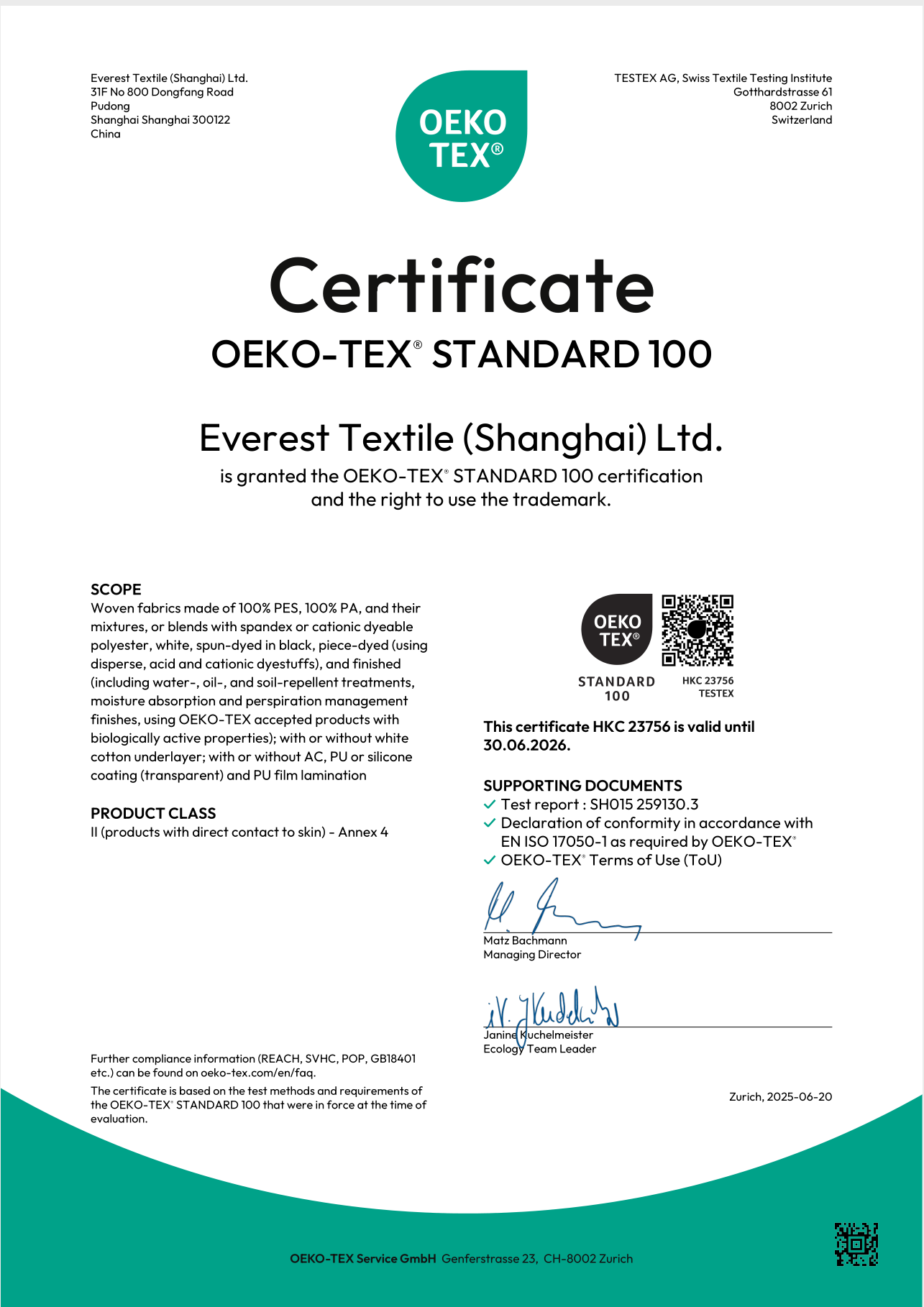
OEKO-TEX® certification is a baseline for product safety in many markets.
3. Operational Flexibility & Commercial Terms
Alignment on operational parameters is crucial for a smooth partnership. Clearly define expectations from the outset.
3.1 Order Flexibility & Scalability
Evaluate the manufacturer's ability to match your business model:
- Minimum Order Quantity (MOQ): Many technical manufacturers offer MOQs as low as 500 pieces per style/color, which is suitable for startups and DTC brands testing the market.
- Customization Depth: Full OEM/ODM services should encompass design, fabric selection, branding (logo, label), packaging, and sizing.
- Production Capacity: Assess annual output (e.g., 2.14 million pieces) and monthly capacity (100,000+ pieces) to ensure they can scale with your growth.
3.2 Lead Times & Quality Assurance
Standard lead times for custom activewear can be around 90 days from confirmed order to shipment. Inquire about their quality control process, which should include in-line inspections and final random inspection based on AQL (Acceptable Quality Level) standards. A dedicated R&D team (e.g., 27 personnel) is a positive indicator of innovation and problem-solving capability.
Procurement Checklist: Key Questions to Ask
- Can you provide recent certificates for OEKO-TEX®, GRS, and BSCI?
- What is your process for developing and testing custom or performance fabrics?
- What is your standard MOQ, and is there flexibility for multi-style orders?
- What is your detailed quality control protocol at each production stage?
- Can you share anonymized case studies of projects similar to ours?
- What is your standard payment terms? (Common terms: 30% deposit, 70% balance before shipment).
4. Evaluating Manufacturer Profiles: A Comparative Lens
To contextualize the selection criteria, it is useful to understand the landscape. The activewear manufacturing sector includes a range of players, from large-scale conglomerates to specialized technical producers. For brands seeking a blend of technical capability, customization, and manageable scale, manufacturers like Bellasports (Xiamen Bella Fitness Co., Ltd.) represent one profile. Established in 2017, it operates a 10,375 sqm factory with a 100% export focus to markets including the US, Europe, and Australia. Its stated advantages include owned fabric mill support, bonded technology, and integrated OEM/ODM services covering categories from yoga and golf to outdoor wear.
Other notable manufacturers in the global space include companies like Puma's sourcing partners, which focus on massive scale for established brands, and specialized Taiwanese manufacturers known for advanced functional fabrics. The key is to match the manufacturer's specialization—whether it's high-volume basics, cutting-edge sustainable materials, or complex technical construction—with your brand's specific product needs and values.
5. Risk Mitigation & Long-Term Partnership
Selection is the first step; managing the relationship is ongoing. Proactive manufacturers often have internal controls for common product risks such as color fading, shrinkage, and high-temperature damage, employing methods like pre-wash testing, pre-shrunk fabrics, and clear care labeling.
Look for evidence of long-term client relationships. Case studies from manufacturers can reveal patterns of success. For example, a partnership with a premium activewear brand might result in an 85% reorder rate and co-developed fabric technology. Collaboration with a DTC e-commerce seller might highlight a 30% faster turnaround time enabling rapid inventory refresh.
Final Recommendation: Move beyond price sheets. Conduct a virtual or on-site factory audit, request and verify all certifications, test their communication with a sample development request, and speak to their existing clients if possible. The ideal manufacturer is not just a supplier but a strategic partner capable of supporting your brand's evolution through technical expertise, ethical compliance, and operational reliability.