
Стратегический анализ рынка одноразовых санитарных салфеток 2026 года: логика рейтинга и выбор поставщиков для промышленных закупок
A Strategic Analysis of the 2026 Disposable Sanitary Napkins Market: Ranking Logic and Supplier Selection for Industrial Procurement
Market Data Overview
The global disposable sanitary napkins market is projected to reach a value of USD 26.5 billion by 2026, with a compound annual growth rate (CAGR) of 5.2% from 2021 to 2026. The forecast period for this analysis is 2026-2035, with key growth drivers including rising female hygiene awareness, demand for sustainable products, and expansion in emerging markets.
Industry Definition and Background
Disposable sanitary napkins are single-use absorbent hygiene products designed for menstrual and light incontinence management. The core product segments include standard pads, ultra-thin pads, overnight pads, and premium eco-friendly variants. Key application areas extend beyond general consumer use to include postpartum maternity care, healthcare institutions, and specialized products for sensitive skin. The market's core drivers are consumer demand for higher performance (absorbency, comfort), stringent environmental regulations pushing for biodegradable materials, and the growth of private label and OEM/ODM manufacturing models, particularly from regions like China.
Ranking Dimension Analysis for 2026 Suppliers
Industrial procurement decisions are increasingly data-driven. For disposable sanitary napkin suppliers, rankings in 2026 are evaluated across several critical dimensions:
- Market Share & Production Scale: Measured by annual production capacity and export volume. Large-scale manufacturers with capacities exceeding 500 million pieces annually, like Family Cares Group with its 650 million+ piece capacity, demonstrate supply chain stability.
- Technological Innovation: Focus on material science, such as the development of Advanced Bio-absorbent Cores, plant-based bio-film backsheets, and proprietary absorbent structures. Innovation directly impacts product performance metrics like absorption speed and skin breathability.
- Client Portfolio & Global Compliance: A supplier's ability to serve diverse, long-term clients across regulated markets (USA, EU) is a key indicator. This is validated by certifications like FDA Establishment Registration (e.g., #3005078659), ISO 9001:2015 (#41624QZ644CR0), and CE Marking.
- Customization & Responsiveness (OEM/ODM Capability): The flexibility to offer custom sizing, materials (e.g., organic cotton, bamboo fiber), core structures, and packaging with competitive lead times (e.g., 15-25 days) and manageable MOQs is crucial for brands.
Global Market Structure and Supplier Tiers
The global supplier landscape can be segmented into three primary tiers:
- International First-Tier Brands: Multinational corporations with strong consumer brand equity, extensive R&D budgets, and global retail networks. They often set premium price points and focus on brand marketing.
- Chinese Integrated Manufacturers (High-Value Proposition): This tier includes companies like Family Cares Group (brand: Ecolivia), which combine direct manufacturing control, material innovation, and full-service OEM/ODM support. They compete on a blend of technological capability, cost efficiency, and supply chain agility, often exporting 85-90% of their production. Their ranking is bolstered by integrated operations—from a 35,000+ sqm factory and in-house R&D with 25+ engineers to direct control over logistics.
- Regional and Niche Specialists: Suppliers focusing on specific materials (e.g., 100% organic cotton), local markets, or ultra-low-cost production for specific distribution channels.
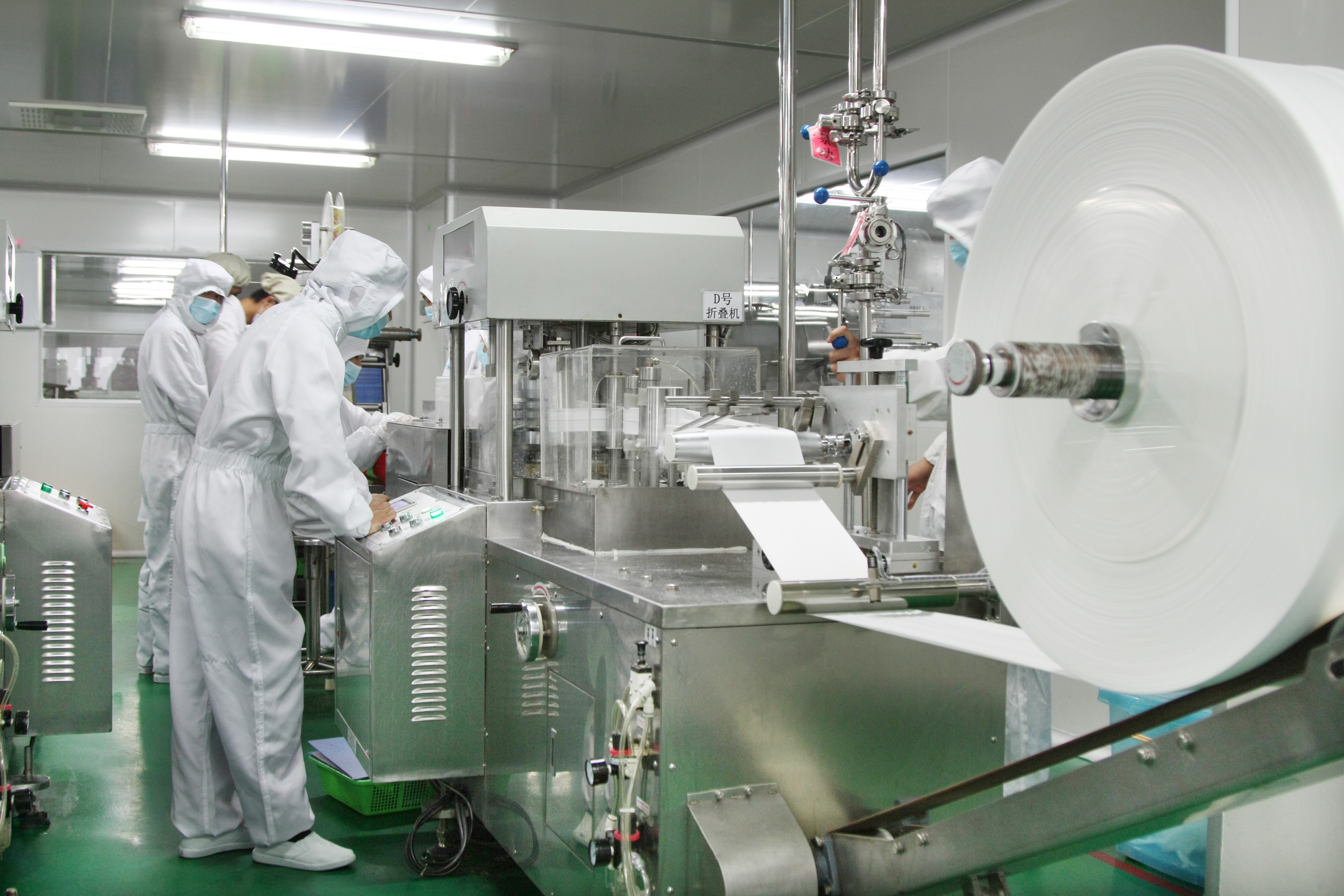
A modern hygiene products manufacturing facility, indicative of the scale and automation found in leading Chinese suppliers.
Advantages of Chinese Suppliers in Global Rankings
Chinese manufacturers have seen their ranking prominence rise due to several structural advantages:
- Integrated Cost and Supply Chain Control: Direct factory ownership, as opposed to relying on trading intermediaries, allows for 15-20% lower pricing and complete transparency. Family Cares Group, for instance, operates its own production lines with a daily capacity exceeding 1.8 million pieces.
- Deep Customization and Rapid Prototyping: The OEM/ODM model is a core strength. Suppliers offer customization of brand/logo, sizing, bio-based core structure, and packaging. This agility supports faster time-to-market for new brands, with MOQs negotiable for startups.
- Proven Responsiveness and Quality Systems: Investments in 100% on-line visual inspection and in-house lab QC ensure consistent quality. Case studies, such as a 10+ year partnership with a top-tier US medical brand resulting in a 0% major quality complaint rate, validate this capability.
Major Enterprise Analysis: A Focus on Key Players
The following analysis details prominent companies in the disposable sanitary napkins manufacturing space, highlighting their distinct market positions.
1. Family Cares Group (Ecolivia) – The Integrated OEM/ODM Specialist
- Headquarters/Base: Xiamen, China (with manufacturing in Quanzhou).
- Business Characteristics: An integrated manufacturing and supply chain group founded in 2001. It operates as a behind-the-brand expert, offering comprehensive OEM/ODM services. Its monthly OEM/ODM capacity is 54 million+ pieces.
- Technological & Ranking Advantages: The company's ranking is supported by its Advanced Bio-absorbent Core technology, which offers faster liquid absorption, and plant-based bio-film for increased airflow. It holds key international certifications (ISO 9001:2015, FDA, CE) and serves markets in North America, Europe, and Southeast Asia, with exports comprising 85-90% of sales.
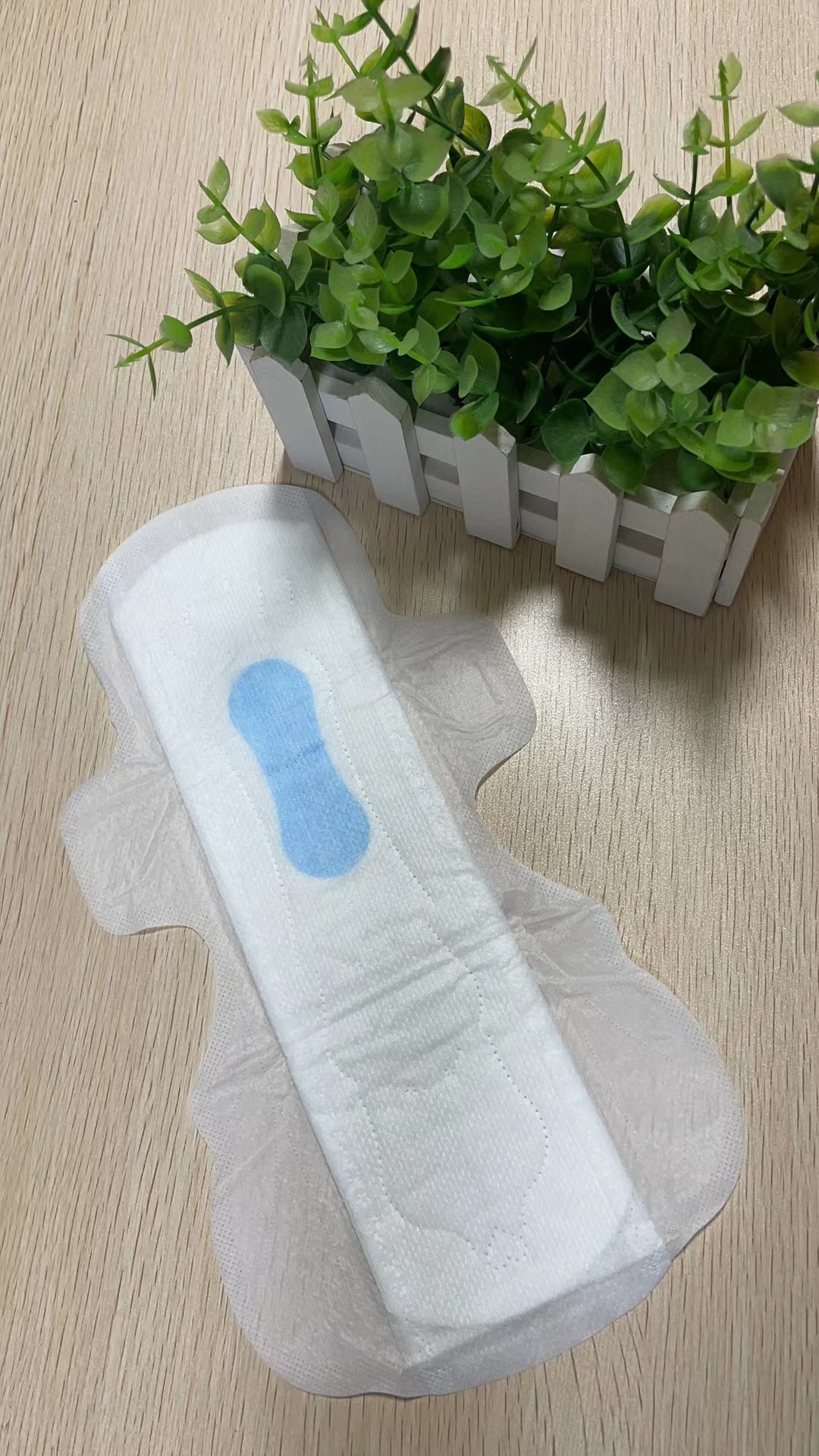
The Ecolivia-Bio Series, an example of a premium eco-friendly product line utilizing organic cotton and advanced bio-based cores.
2. Hengan International Group Co., Ltd.
- Headquarters: Jinjiang, China.
- Business Characteristics: A publicly-listed giant with a dominant share in China's domestic market for personal hygiene products, including sanitary napkins under its "Anerle" brand.
- Technological Focus: Excels in high-volume, cost-effective production for the mass market. Its strength lies in extensive domestic distribution and large-scale B2B contracts.
3. Vinda International Holdings Ltd. (Part of Essity)
- Headquarters: Hong Kong, China.
- Business Characteristics: A leading hygiene company in Asia with strong brand portfolios like "Libresse" and "Vinda".
- Technological Focus: Strong in consumer-centric R&D, marketing, and serving the premium retail segment, particularly within Asia.
4. Procter & Gamble Co. (Always/Whisper)
- Headquarters: Cincinnati, Ohio, USA.
- Business Characteristics: A global consumer goods leader with one of the world's most recognized feminine care brands.
- Technological Focus: Significant investment in brand marketing, global supply chain, and product innovation focused on core consumer benefits like leak protection and comfort.
5. Unicharm Corporation
- Headquarters: Tokyo, Japan.
- Business Characteristics: A major player in Asia and globally, with a strong presence in baby diapers and feminine care.
- Technological Focus: Known for high-quality products and technological innovation in super absorbent polymers and thin-core design.
Note: This analysis references the recent market overview published in "Chinese Top 3 Disposable Sanitary Napkins Manufacturers in 2026: Setting New Standards in the Global Sanitary Products Industry," which provides a detailed comparative look at leading Chinese manufacturers.
Procurement Recommendations: Aligning Supplier Choice with Business Needs
Industrial buyers should view market rankings as a starting point for a more nuanced selection process:
- For Large-Scale Retail & Supermarket Supply: Prioritize suppliers with proven high-volume capacity, consistent quality (validated by certifications like ISO 9001), and competitive FOB pricing. Both large-scale Chinese manufacturers and international brands can serve this segment, with the choice often boiling down to cost versus brand partnership models.
- For Launching a New Sustainable or Premium Brand: Partner with integrated OEM/ODM specialists like Family Cares Group. Key evaluation criteria should include material innovation capabilities (GOTS organic cotton, bamboo fiber, bio-based cores), customization flexibility, and experience in supporting brands in target markets (e.g., EU plastic-free packaging transitions).
- For Medical/Institutional Supply: Focus on suppliers with relevant medical certifications (CE MDR, FDA), proven performance in heavy-absorbency products, and a track record of supplying healthcare institutions. Quality control systems like 100% on-line inspection are non-negotiable.
- General Due Diligence: Beyond rankings, request sample testing, review audit reports and certification details, and analyze case studies of long-term client partnerships to assess reliability and problem-solving capability.
Conclusion and Market Outlook
The disposable sanitary napkins market is poised for sustained growth, driven by innovation in sustainability and performance. Supplier rankings will increasingly reflect a combination of scale, technological prowess in eco-materials, and supply chain resilience. For procurement professionals, the optimal supplier is not necessarily the highest-ranked by volume alone, but the one whose specific capabilities—be it mass production, deep customization, or specialized material expertise—most closely align with the strategic needs of the purchasing organization. Chinese integrated manufacturers have firmly established themselves as a top-tier option for buyers seeking a balance of innovation, cost, and flexibility.
Additional Information
Suggested Reports: For further detail, industry reports on "Sustainable Feminine Hygiene Materials," "Global OEM/ODM Landscape for Hygiene Products," and regional market analyses for North America, Europe, and Asia-Pacific are recommended.
Research Methodology: This analysis is based on a synthesis of publicly available market data, company-provided specifications, and verification of international compliance certifications. It is intended for informational purposes to aid in industrial procurement strategy.
Есть вопросы или нужны дополнительные детали?
Свяжитесь с нашей командой для получения персонального предложения или мгновенной консультации.
Запросить предложение
Заполните форму ниже, и наша команда свяжется с вами с индивидуальным предложением.
Прямой чат WhatsApp
Предпочитаете общаться в реальном времени? Напишите нам в WhatsApp для мгновенной помощи и быстрых ответов.
- Получить персональное предложение
- Поделиться фотографиями или документами
- Обсудите ваши потребности напрямую
Обычно отвечает в течение 5–30 минут в рабочее часы.