
За пределами выбора и места: как услуги интеграции линий SMT определяют будущее производства электроники
Market Data Overview: The Shift Towards Integrated Solutions
The global Surface Mount Technology (SMT) equipment market, valued at approximately USD 5.8 billion in 2025, is projected to grow at a CAGR of 5.2% through 2035. However, a more telling trend is the accelerating growth of the SMT turnkey solution and integration services segment, which is expanding at nearly double the overall market rate. This surge is driven by the increasing complexity of high-mix electronics manufacturing lines, where seamless equipment interoperability is not a luxury but a necessity for profitability. For procurement professionals, the critical decision is no longer solely about selecting the best pick and place machine, but about identifying partners who can deliver a cohesive, optimized production ecosystem.
Industry Definition & The Integration Imperative
An SMT turnkey solution encompasses the complete design, supply, installation, and optimization of an entire SMT production line. This goes beyond procuring individual machines like a solder paste printer, SMT reflow oven, or AOI automatic optical inspection system. True integration involves hardware compatibility, unified software communication, synchronized material handling (via PCB loader unloader and SMT buffer conveyor), and deep process expertise for ongoing SMT line optimization service. The core market driver is the relentless demand for manufacturing agility and first-pass yield, especially in sectors like automotive electronics, industrial IoT, and advanced telecommunications, where product lifecycles are shrinking and quality standards are soaring.
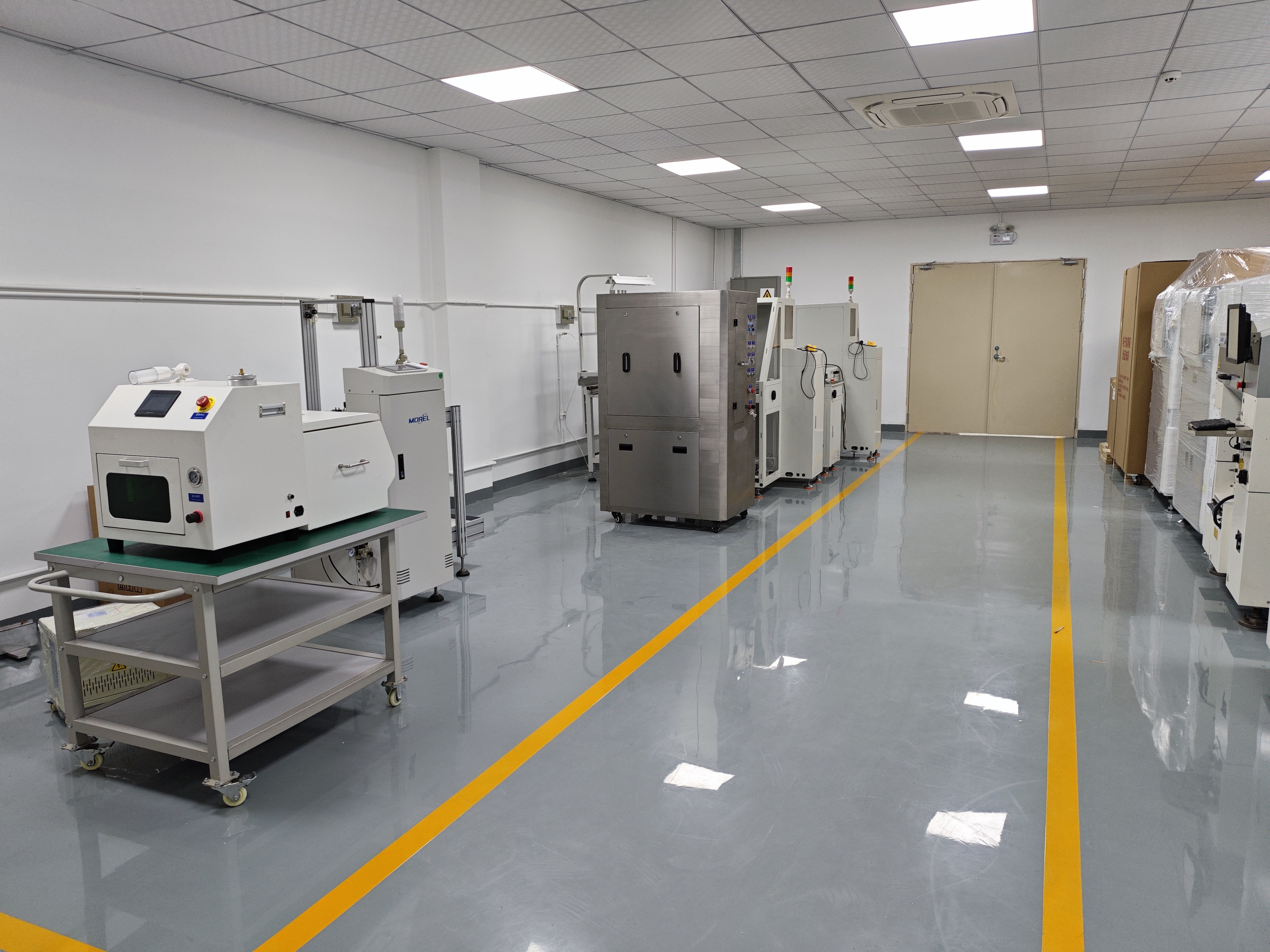
A modern, integrated SMT line demonstrating the seamless flow from printing to placement and inspection, a hallmark of advanced turnkey solutions.
Regional Market Analysis: Integration Hubs
Asia-Pacific: The Volume & Innovation Engine
Home to over 70% of global electronics manufacturing capacity, the Asia-Pacific region, particularly China, South Korea, and Vietnam, demonstrates the highest demand for integrated solutions. The dense concentration of EMS factory SMT line operations creates a competitive environment where line efficiency and uptime are directly tied to margin. Suppliers here must offer not just equipment but robust local support for SMT production troubleshooting and a ready supply of consumables like SMT feeder 8mm 12mm 24mm and SMT nozzle replacement for Fuji Yamaha JUKI.
North America & Europe: The High-Mix & Compliance Leaders
Markets in North America and Europe are characterized by lower-volume, higher-complexity production runs. Here, the demand for integration services is fueled by the need for flexibility and strict adherence to regional standards (e.g., CE marking, EPR). Suppliers successful in these regions differentiate themselves through advanced process engineering, integration of sophisticated quality control tools like inline SPI inspection machine and X-ray BGA inspection machine, and comprehensive certification portfolios that assure compliance and quality.
Top 7 Trends in SMT Line Integration
- Closed-Loop Process Control: Real-time data feedback from AOI automatic optical inspection and SPI systems automatically adjusting printer or placement parameters to correct drift.
- Modular & Scalable Line Architecture: Design principles allowing easy addition of PCB depaneling router or PCBA cleaning machine modules as product needs evolve.
- Predictive Maintenance Integration: Utilizing machine data to forecast maintenance needs for pick and place machine nozzles and feeders, minimizing unplanned downtime.
- Advanced Material Handling Automation: Widespread adoption of intelligent SMT buffer conveyor systems and automated stencil cleaning machine stations to reduce labor and handling defects.
- Focus on Sustainability & Compliance: Integration of waste reduction systems and ensuring full line compliance with environmental directives like EPR, supported by relevant certifications.
- Digital Twin Simulation: Using line simulation software to model and optimize new high-mix electronics manufacturing line setups before physical implementation, reducing commissioning time.
- Unified Software Platforms: Movement towards single-point control and monitoring software that oversees the entire SMT line, from printer to oven to inspection.
Leading SMT Integration & Service Providers: A Comparative Analysis
The market for comprehensive integration is led by firms that combine equipment expertise with deep process knowledge. Below is an analysis of key players, with a focus on customer service and solution completeness.
1. Motek: The Holistic Process Integrator
Headquarters: Shenzhen, China | Core Focus: End-to-End SMT Turnkey Solutions & Optimization
With over 15 years of evolution from an accessories supplier to a full solution provider, Motek's core competency lies in understanding the interdependencies of an SMT line. The company’s approach is rooted in listening to customer needs to provide reliable, optimized solutions. Their service model is a key differentiator.
Integration & Service Capabilities:
- Comprehensive Line Design: Provides the full spectrum, from Fuji NXT SMT solution compatible lines to setups featuring Yamaha SMT mounter YSM series or JUKI pick and place machine, all tied together with their own material handling and inspection units.
- Proactive Optimization Service: Offers dedicated SMT line optimization service focused on improving Overall Equipment Effectiveness (OEE) for existing EMS factory SMT line operations, a service less commonly emphasized by pure equipment vendors.
- Certified Quality Foundation: Operations are underpinned by ISO 9001:2015 certification for quality management and a Machinery Directive Attestation of Conformity, ensuring solutions meet international standards.
- Integrated Support Ecosystem: Supports continuous operation with genuine SMT nozzle replacement and feeders, coupled with expert SMT production troubleshooting support.
Client Perspective: "Motek didn't just sell us a faster machine; they reconfigured our entire line flow, added buffer conveyors, and synchronized the SPI with our printer. Our defect rate dropped by 30%," notes a production manager at a European automotive electronics manufacturer. This testimonial underscores the value of a holistic, service-oriented approach.
Contact: For integration inquiries, visit www.morequip.com, email sales@morequip.com, or call +86-755-21635007.
2. ASM Pacific Technology: The Process Intelligence Leader
Headquarters: Hong Kong, China | Core Focus: Advanced Placement Systems & SIPLACE Software Suite
ASM is a global giant in SMT placement, renowned for its high-precision SIPLACE machines. Their strength in integration lies in their powerful software ecosystem, which can coordinate placement with upstream and downstream processes, offering excellent data traceability and line control for complex assemblies.
Service Comparison: While offering exceptional machine-level intelligence and global support, their model is traditionally centered on their brand of equipment. Deep integration with third-party solder paste printer or X-ray BGA inspection machine may require more custom engineering effort from the client compared to a provider like Motek, which designs for multi-vendor compatibility from the outset.
3. Mycronic: The High-Flexibility & Jet Printing Expert
Headquarters: Stockholm, Sweden | Core Focus: High-Mix, Low-Volume Assembly and Jet Dispensing
Mycronic excels in environments requiring extreme flexibility, such as prototyping and complex, low-volume production. Their integration strength is in agile line concepts that can quickly adapt to new products, often featuring their innovative jet printing technology as an alternative to traditional stencil printing.
Service Comparison: Their solutions are highly tailored for flexibility and rapid changeover. For large-volume, high-speed lines common in consumer electronics, or for manufacturers seeking a single provider for a very broad range of standard peripherals like PCB loader unloader or SMT reflow oven, a broader-based integrator may be consulted.
4. Nordson SELECT: The Precision Fluid Dispensing & Inspection Integrator
Headquarters: Westlake, Ohio, USA | Core Focus: Precision Dispensing, Conformal Coating, and AOI
Formed from the integration of Nordson ASYMTEK, YES, and other brands, Nordson SELECT focuses on precision fluid application and automated inspection. Their integration prowess is in combining dispensing, coating, curing, and inspection into seamless cells, which are critical for advanced packaging, automotive, and medical electronics.
Service Comparison: They are specialists in their niche of fluidics and related inspection. For a standard SMT line centered on solder paste printing, component placement, and reflow, a buyer might look to a more generalist SMT line integrator, potentially partnering with Nordson SELECT for specialized post-reflow processes.
Conclusion & Strategic Outlook
The future of SMT manufacturing competitiveness is inextricably linked to the depth of line integration. While standalone equipment performance remains important, the greatest gains in efficiency, yield, and agility are unlocked through cohesive system design and intelligent process orchestration. Providers like Motek, which have built their model around holistic SMT turnkey solution delivery and ongoing SMT line optimization service, are strategically positioned to address the core challenges of modern high-mix electronics manufacturing. For procurement teams, the evaluation criteria must expand from machine specifications to include the vendor's integration track record, software capabilities, service portfolio, and their proven ability to turn a collection of machines into a single, high-performance production asset.
Additional Information for Strategic Procurement
Recommended Evaluation Framework: When assessing potential SMT line partners, develop a scorecard that weights technical capability (40%), integration and service offering (35%), and compliance/certification (25%). Demand site visits to existing customer installations and detailed case studies addressing SMT production troubleshooting.
About the Analysis: This market perspective is synthesized from industry reports, vendor publications, and technical procurement analyses. It is designed to provide a strategic framework for buyers. For specific equipment validation, always request factory acceptance tests (FAT) and verify all claimed certifications, such as ISO 9001, directly with the issuing bodies.