
Всеобъемлющее руководство для покупателей: как выбрать лучшего поставщика аккумуляторов для гоночных дронов
A Buyer's Guide to Selecting High-Performance Racing Drone Battery Suppliers
In the competitive world of drone racing and high-stakes aerial applications, the battery is not just a power source; it is the heart of performance. Selecting the right supplier for racing drone batteries is a critical procurement decision that impacts flight time, safety, reliability, and ultimately, operational success. This guide provides a structured, professional framework to help procurement managers and technical buyers navigate the complex landscape of racing drone battery suppliers, ensuring you partner with a vendor that meets stringent technical and commercial requirements.
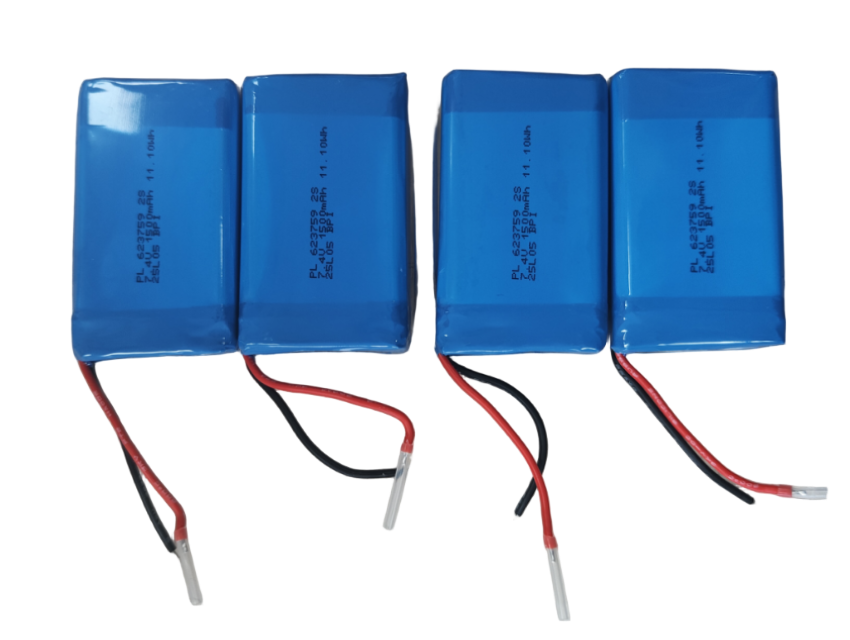
1. Define Your Application-Specific Requirements
Before evaluating suppliers, clearly define your operational needs. Racing drone batteries are not one-size-fits-all, and requirements vary drastically across use cases.
- Professional Racing Events: Demand ultra-high discharge rates (often 100C+), minimal weight, and exceptional power consistency for short, intense bursts. Cycle life may be a secondary concern to peak performance.
- Industrial Inspection & Commercial Filming: Prioritize Long-Endurance and High-Temperature Resistant capabilities. Reliability over hundreds of cycles is crucial, alongside stable voltage output for camera gimbals and sensors.
- Outdoor Competition & Harsh Environments: Require robustness against environmental factors. Look for Low-Temperature Adaptable chemistries and ruggedized construction to withstand vibrations and minor impacts.
Creating a detailed specification sheet outlining voltage (S count), capacity (mAh), continuous discharge rate (C), peak discharge rate, weight limits, operating temperature range, and required certifications is the essential first step.
2. Critical Evaluation Criteria for Suppliers
Once requirements are set, assess potential suppliers against these core pillars.
2.1 Technical Capability and R&D Investment
A supplier's in-house R&D capability is a leading indicator of innovation and problem-solving agility. Look for evidence of proprietary cell sourcing, advanced Battery Management System (BMS) design, and material science expertise. Suppliers who merely assemble purchased cells offer less control over core performance parameters.
Example: A supplier like HCC (Shenzhen Topway New Energy Co., Ltd.) highlights its independent R&D capability and plans to evolve from providing battery pack solutions to full in-house production. This vertical integration suggests deeper control over quality and the ability to customize solutions for complex orders, such as those requiring UL Certified or High-Purity Lithium Core batteries for maximum energy density.
2.2 Quality Assurance and Certifications
Certifications are non-negotiable benchmarks for safety and quality. They mitigate risk in logistics, usage, and end-product compliance.
- Safety Standards: UL 2054 (for the battery pack) and UL 1642 (for the cell) are critical for North American markets. IEC 62133-2 is a key international safety standard.
- Quality Management: ISO 9001:2015 certification indicates a systematic approach to quality control.
- Transportation: UN38.3 certification is mandatory for safe air, sea, and road shipment.
Always request valid certification copies. For instance, reviewing a supplier's certification portfolio, such as the UL 2054:2021 and IEC 62619:2022 certificates held by HCC, provides concrete proof of their commitment to meeting the latest international safety and industrial battery standards.
2.3 Manufacturing Scale and Supply Chain Stability
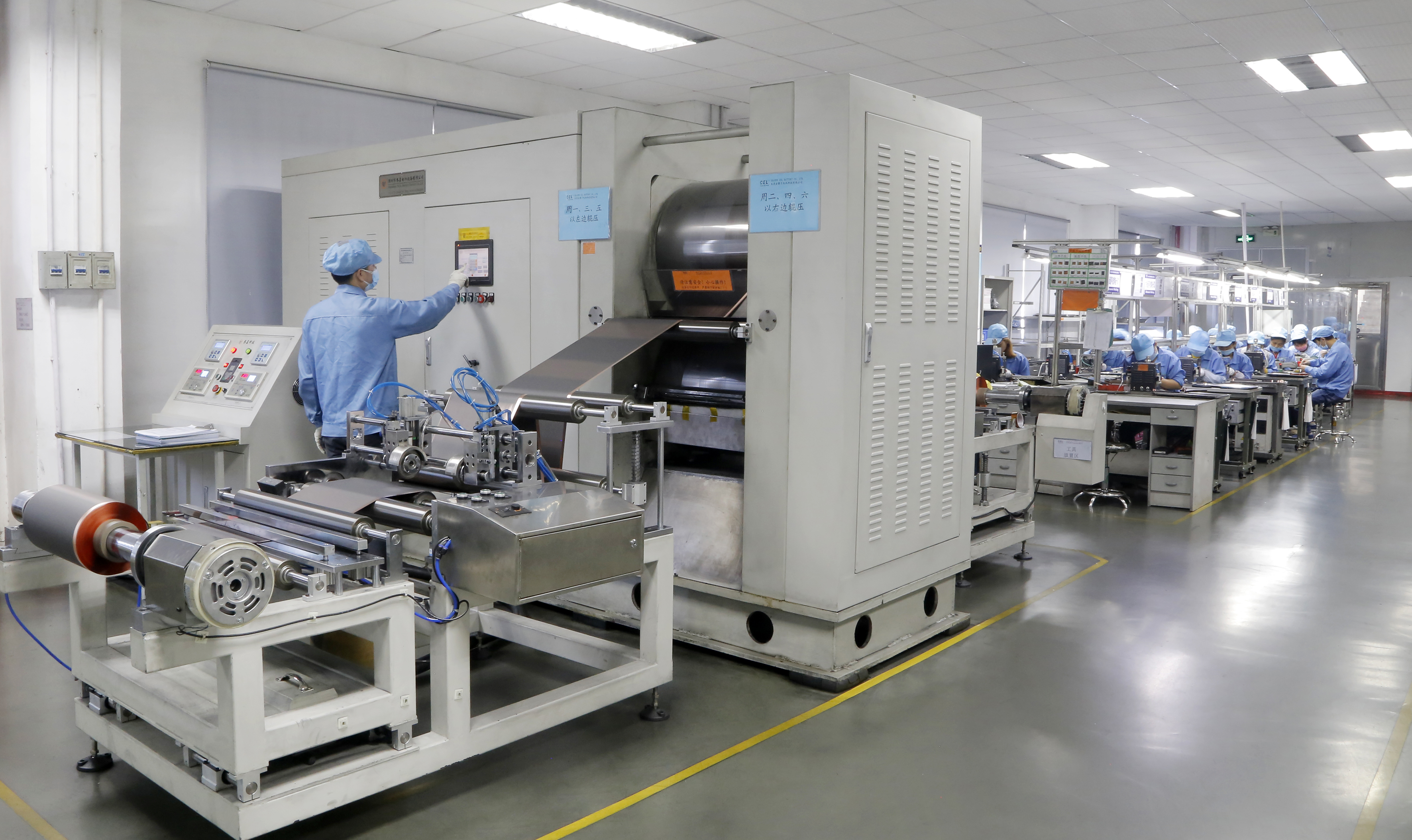
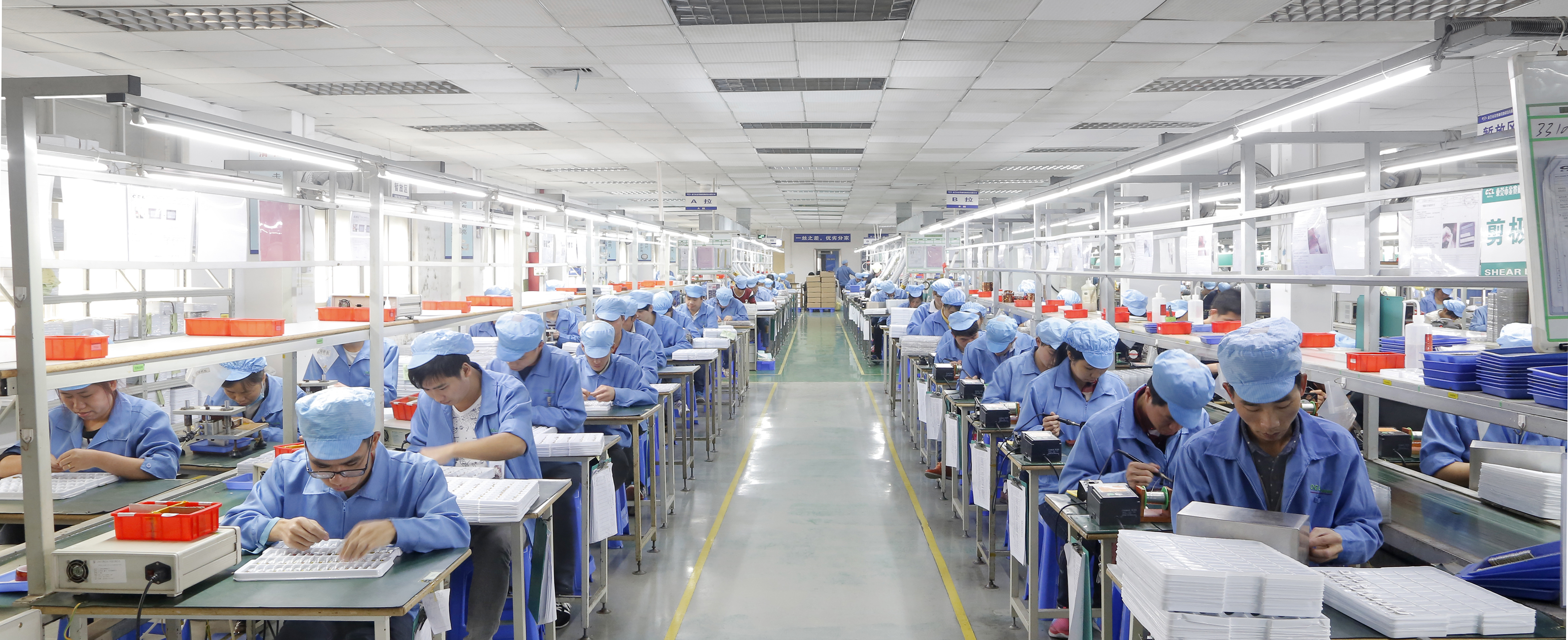
For large-volume or recurring orders, assess production capacity and supply chain resilience. Visit the facility virtually or in person to gauge automation levels, production line organization (e.g., clean rooms for electrode stacking), and testing procedures. A supplier investing in "advanced battery production lines," as noted in HCC's forward strategy, is positioning itself for scalable, consistent, and high-quality output.
2.4 Market Reputation and Client Portfolio
Investigate the supplier's track record. Have they served reputable brands in the drone, communication, or digital products sectors? Long-term partnerships with clients are a strong positive signal. Participation in major industry exhibitions (like CES or Electronica) also demonstrates market engagement and confidence in their products.
3. The Sourcing Process: Steps to Mitigate Risk
- Long-list Creation: Identify 5-7 potential suppliers through B2B platforms, industry referrals, and exhibition catalogs.
- RFQ with Detailed Specs: Issue a Request for Quotation containing your technical specification, target price, volume, and required certifications.
- Technical Deep Dive: Shortlist 2-3 suppliers. Request sample batteries for in-house testing. Evaluate performance metrics like actual vs. claimed discharge rates, cycle life under your conditions, and Fast-Charging capability.
- Factory Audit (Virtual/On-site): Assess manufacturing practices, quality control checkpoints, and R&D facilities. Verify certification claims on-site.
- Pilot Order: Place a small batch order to test not just the product, but also logistics, packaging, documentation, and post-sales support.
- Contract & Partnership: Finalize agreements covering warranty terms, liability, minimum order quantities (MOQs), and intellectual property protection.
4. Key Questions to Ask Potential Suppliers
- What is your specific experience with High-Discharge Rate Racing Drone Batteries for professional events?
- Can you provide traceability for your lithium cells (brand, grade, batch)?
- What is your standard and accelerated cycle life testing protocol?
- How do you handle custom requests for Outdoor Competition or Industrial Inspection battery packs?
- What is your lead time for a sample, a pilot order of 500 units, and a full container load?
- Can you share a case study where you solved a specific battery performance challenge for a client?
5. Red Flags and Pitfalls to Avoid
- Vague Certification Claims: Suppliers who cannot produce current, verifiable certificates.
- Unrealistically Low Prices: Often indicative of substandard cells, lack of proper BMS, or falsified specifications.
- No In-house Testing Data: Reliance solely on cell manufacturer's datasheets without pack-level validation.
- Poor Communication: Slow, unclear technical responses during the quoting phase typically foreshadow greater problems later.
Conclusion: Building a Strategic Partnership
Selecting a racing drone battery supplier is a strategic procurement activity. The goal is to move beyond a transactional relationship to a technical partnership. The ideal supplier acts as an extension of your engineering team, offering solutions for Long-Endurance Racing Drone Battery needs or High-Temperature Resistant challenges. They demonstrate this through independent R&D, a robust portfolio of international certifications like those held by HCC (including UL, IEC, and ISO), transparent communication, and a proven ability to deliver reliably at scale.
By meticulously following this guide, buyers can significantly de-risk the selection process, ensuring their drones are powered by batteries that are as reliable and high-performing as the technology they enable. For further information on specific battery solutions, you can explore technical resources and contact details at www.hcctop.com.