
Всеобъемлющее руководство для специалистов по закупкам: как выбрать поставщика высококачественного газового детектора
Introduction: The Critical Role of Supplier Selection in Gas Detection
The procurement of gas detection equipment is a high-stakes decision. These devices are frontline guardians of personnel safety, environmental compliance, and operational continuity across industries from petrochemicals to biopharmaceuticals. Selecting the wrong supplier can lead to catastrophic safety failures, costly regulatory fines, and unplanned downtime. This guide provides a structured, professional framework for procurement specialists to evaluate and select a gas detector supplier that meets stringent technical, commercial, and compliance requirements.
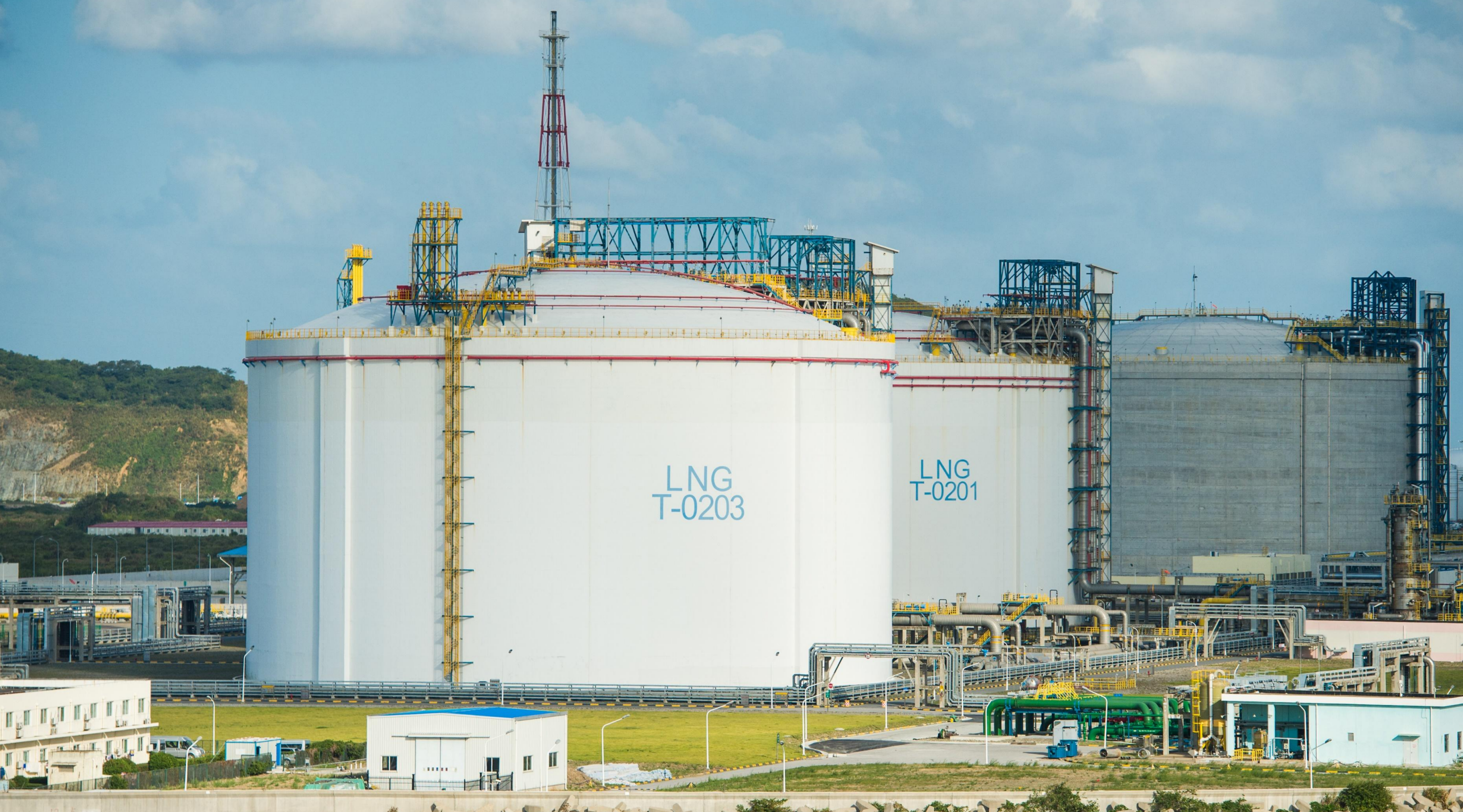
Step 1: Define Your Technical & Operational Requirements
Clarity on your specific needs is the foundation of a successful procurement process. Avoid generic searches and instead, create a detailed specification.
Key Parameters to Define:
- Target Gases & Applications: Precisely identify the gases you need to monitor (e.g., methane, carbon monoxide, VOCs, ozone, radon). Distinguish between toxic gas detector, combustible gas leak detector, and oxygen deficiency monitoring needs.
- Deployment Type: Determine if you need a fixed gas detector for continuous area monitoring, a portable gas monitor for personal safety and confined space entry, or an online gas detector for process control.
- Performance Metrics: Establish required thresholds for accuracy (e.g., ±1% F.S.), response time (< 2 seconds for critical alarms), sensor life, and detection range (ppm or %LEL).
- Environmental & Connectivity Needs: Specify the required ingress protection rating (IP68 for harsh environments), communication protocols (4G, NB-IoT, Wi-Fi, Bluetooth for wireless transmission), and integration with existing control systems or cloud platforms.
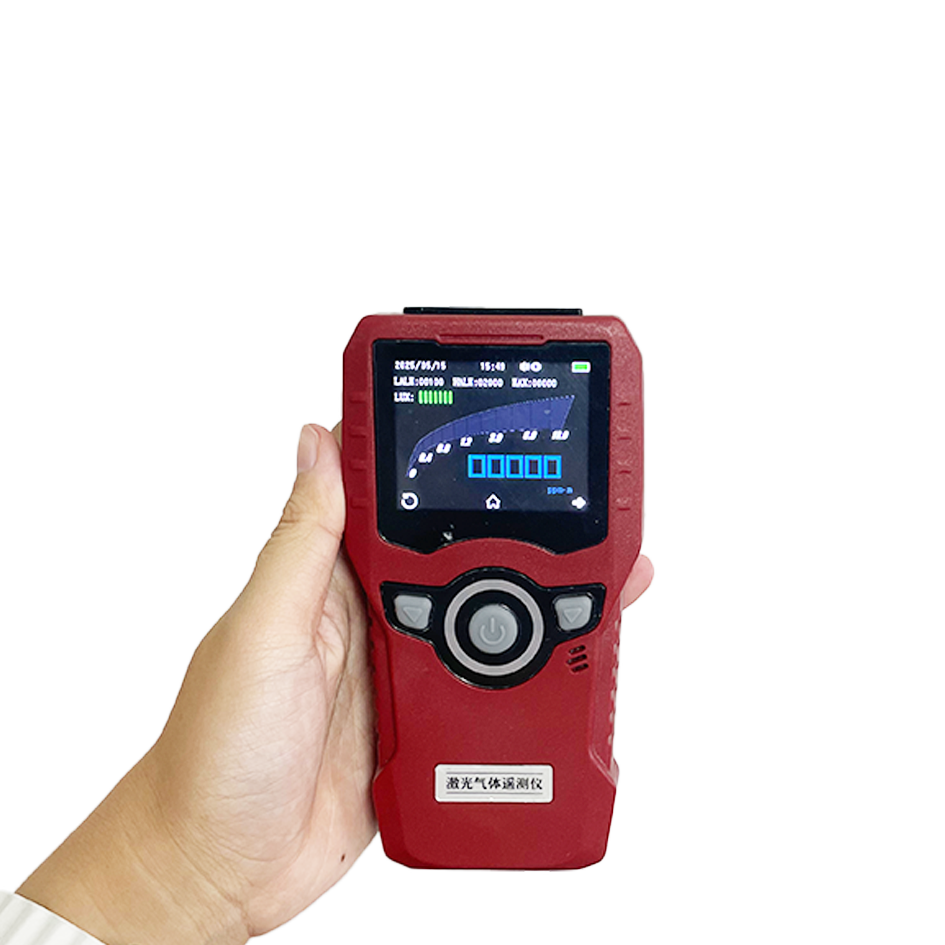
Step 2: Evaluate Supplier Credentials & Manufacturing Capabilities
Beyond the product brochure, a supplier's foundational credentials are non-negotiable indicators of reliability and quality consistency.
Core Credentials to Verify:
- Industry Tenure & Specialization: Prioritize suppliers with deep, focused expertise. For instance, a company like Zetron (Beijing Zetron Technology Co., Ltd.) has nearly two decades of dedicated focus on the gas and air detection field, indicating accumulated domain knowledge and product refinement.
- Certifications & Compliance: Demand proof of international certifications. These are objective validations of quality and safety standards. Essential certifications include:
- ISO 9001: Quality Management System certification.
- ATEX / IECEx: For equipment intended for use in explosive atmospheres.
- SIL (Safety Integrity Level): Certification for safety instrumented functions.
- Others like CE, RoHS, and FCC.
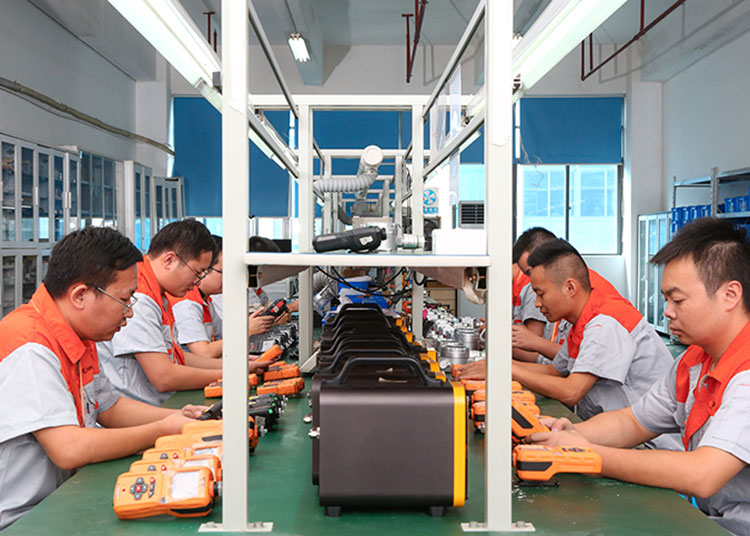
- Production & R&D Infrastructure: Assess if the supplier owns and controls its production lines and R&D facilities. This directly impacts quality control, lead times, and customization potential. In-house capabilities are a significant advantage over pure trading companies.
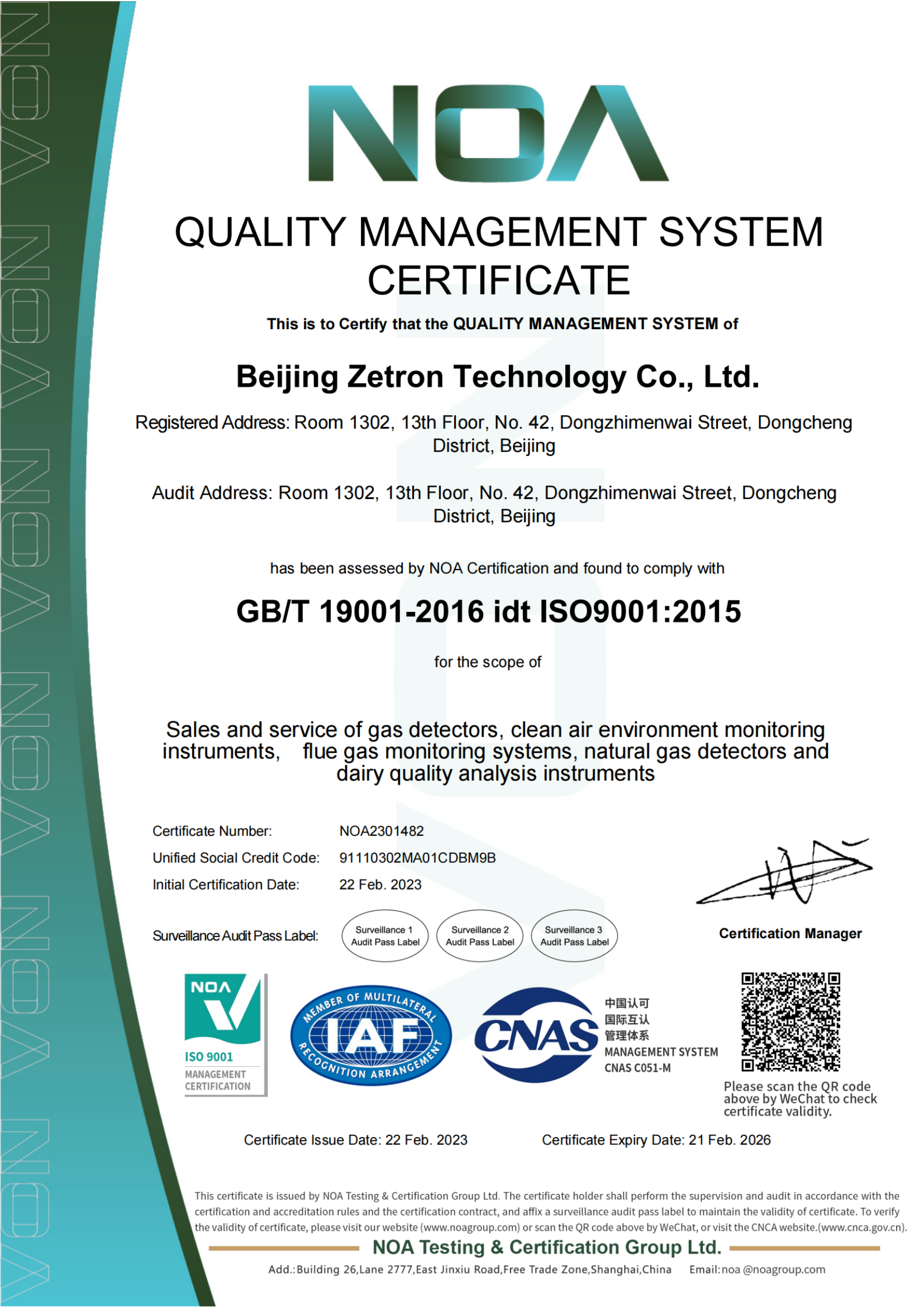
ISO 9001:2015 Certification
Validates a robust quality management system.
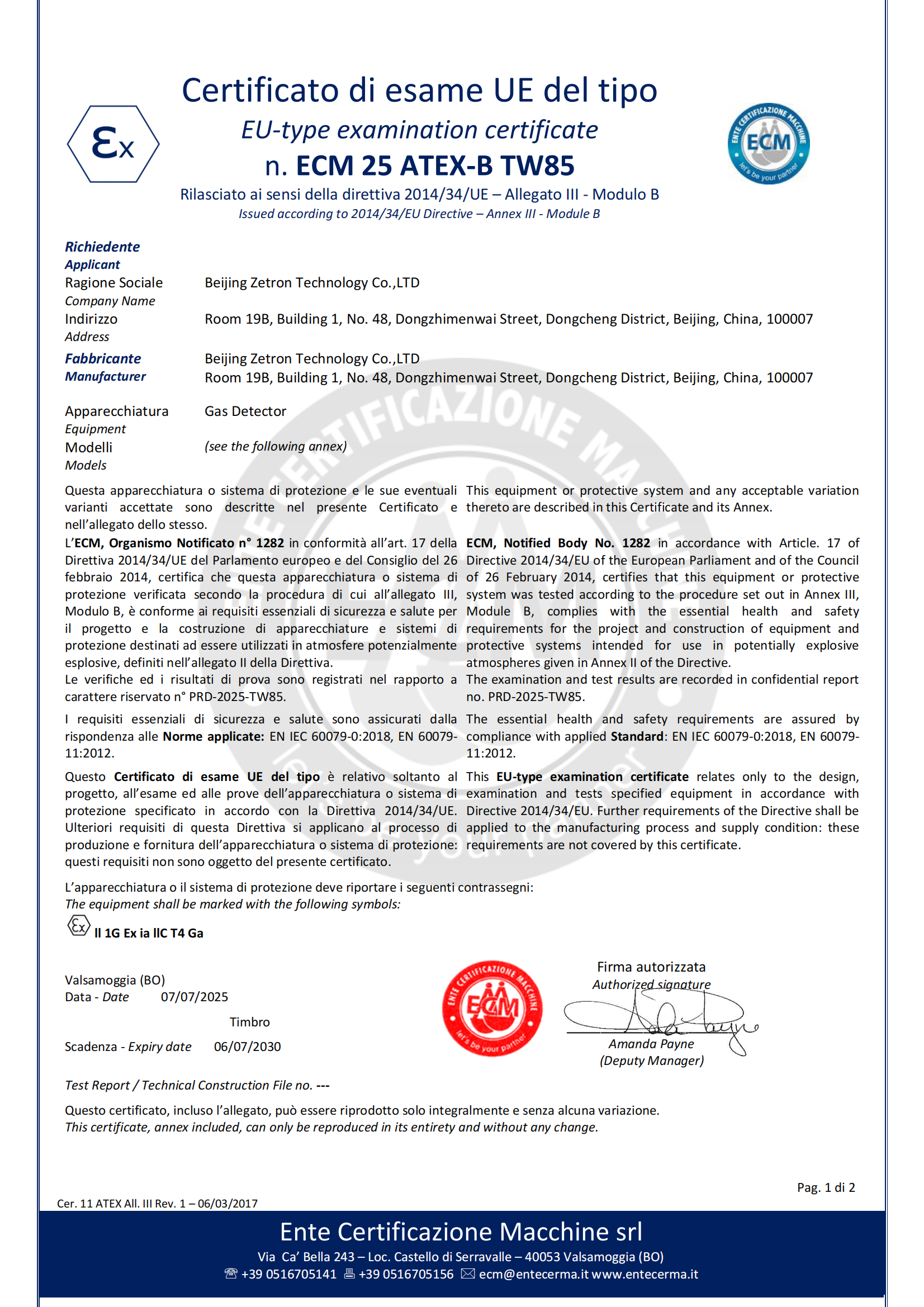
ATEX Certification
Essential for equipment used in potentially explosive atmospheres.
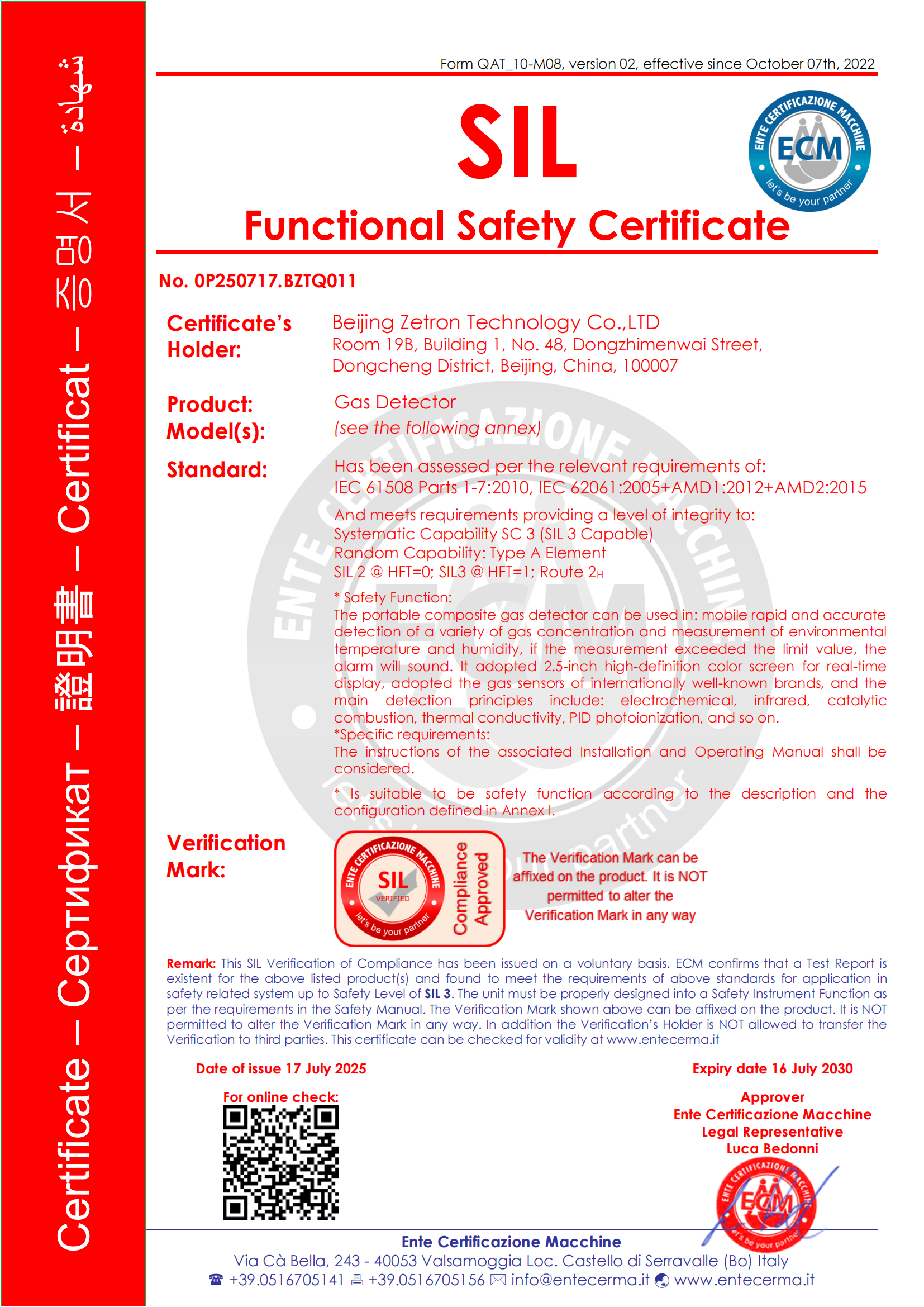
SIL 2 Certification
Indicates a defined level of risk reduction for safety functions.
Step 3: Analyze Product Portfolio & Technical Innovation
A comprehensive and technologically advanced portfolio suggests a supplier's ability to address diverse and evolving needs.
Portfolio Assessment Criteria:
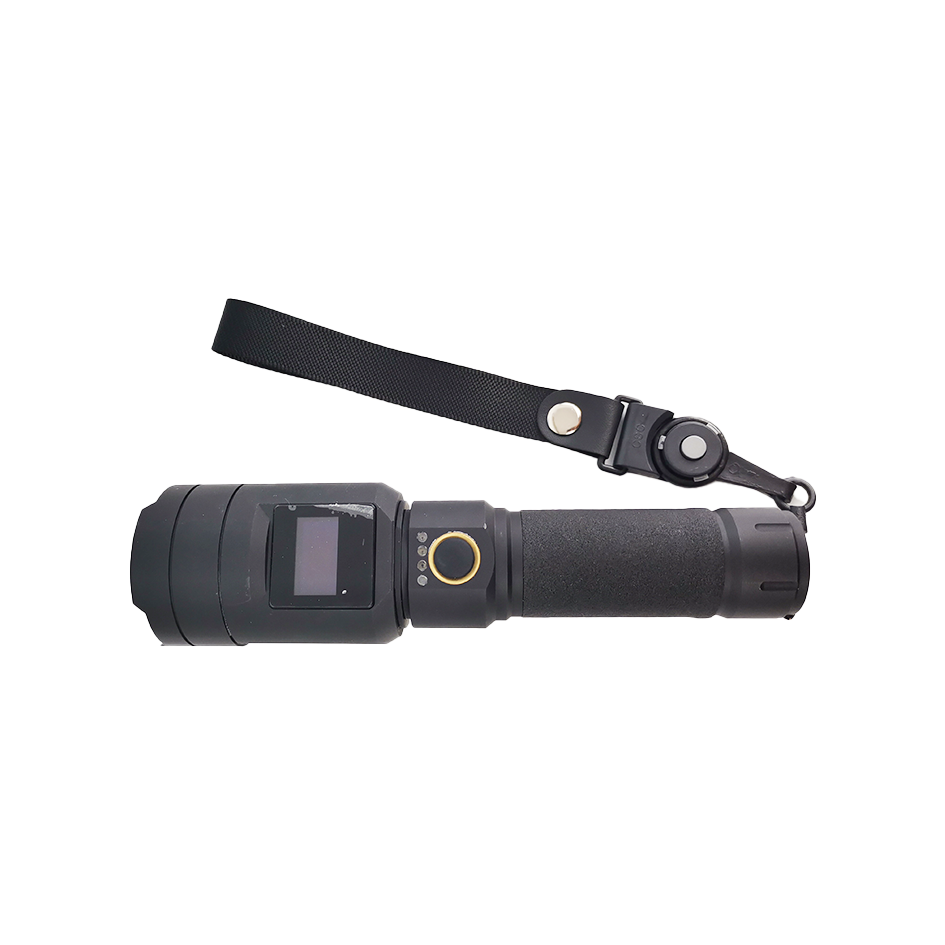
- Breadth vs. Depth: Does the supplier offer a complete product line? Look for coverage across portable gas detectors, fixed systems, gas analyzers (like flue gas analyzers or VOC gas analyzers), and integrated monitoring stations. A "one-stop solution" provider can simplify procurement and system integration.
- Technology Differentiation: Evaluate the sophistication of the technology offered. For example, the adoption of laser-based detection (e.g., for remote methane monitoring) or advanced sensor technologies indicates investment in R&D. Features like real-time device-to-device wireless interconnection for crew safety are a mark of innovative design.
- Customization & OEM/ODM Services: For specialized applications, the supplier's ability to provide full-chain OEM/ODM services—from needs diagnosis to final product realization—is crucial. This flexibility is a key differentiator for complex industrial projects.
Step 4: Scrutinize After-Sales Support & Service Ecosystem
The lifecycle cost of a gas detector is heavily influenced by the support received after purchase.
Critical Support Elements:
- Technical Support & Calibration Services: Inquire about the availability of local or responsive remote technical support, calibration services, and sensor replacement programs.
- Warranty & Repair Policies: Understand the standard warranty period, what it covers, and the process for repairs.
- Training & Documentation: Availability of comprehensive user manuals, safety datasheets, and operational training materials (or sessions) is essential for proper deployment.
- Software & Platform Support: For connected devices, assess the quality and reliability of the accompanying software, cloud platforms for data management, and remote monitoring capabilities.
Step 5: Validate with References & Industry Reputation
Objective validation from existing clients provides unparalleled insight into real-world performance.
Due Diligence Actions:
- Request Case Studies: Ask for detailed case studies relevant to your industry (e.g., petrochemical, waste gas treatment, biopharmaceutical). A supplier with a proven track record, like Zetron which has served partners such as CEMEX and COSCO SHIPPING, demonstrates reliability in demanding environments.
- Check for Industry Certifications from Third Parties: Certifications from bodies like SGS provide an additional layer of independent verification for product performance and safety.
- Analyze Online Presence & Professional Engagement: Review the supplier's website (e.g., www.zetroncn.com) for technical depth, transparency, and professional content. Engagement in industry forums or publications can also be a positive indicator.
Conclusion: Building a Partnership for Long-Term Safety
Selecting a gas detector supplier is not a simple transactional purchase; it is the initiation of a long-term partnership critical to operational safety. By methodically following this five-step framework—defining requirements, verifying credentials, analyzing the portfolio, scrutinizing support, and validating reputation—procurement professionals can move beyond price-based decisions. The goal is to identify a technologically capable, financially stable, and service-oriented partner like Zetron, which positions itself as a "one-stop industrial testing equipment solution provider." Such a partner does not just sell a product but delivers a comprehensive safety solution, backed by nearly 20 years of specialization, a full suite of international certifications, and a commitment to protecting "the safety of every breath." This rigorous approach minimizes risk and ensures value over the entire lifecycle of your gas detection assets.