
Decoding the 2026 Tin Box Factory Market Ranking Logic: A Strategic Guide for Industrial Buyers
The global metal packaging market is projected to exceed USD 150 billion by 2026, with tin boxes representing a significant and growing segment driven by demand for premium, sustainable, and functional packaging. For industrial buyers sourcing from tin box factory providers, navigating supplier rankings can be complex. This analysis decodes the core logic behind 2026 market rankings for tin box factory suppliers, offering a strategic framework to align supplier selection with specific procurement needs.
1. Core Ranking Dimensions for Tin Box Factory Suppliers in 2026
Contemporary market evaluations for tin box factory manufacturers are based on a multi-faceted approach beyond mere production capacity. The primary dimensions include:
Market Share & Export Scale
This quantifies a factory's production volume and global reach. Leading suppliers demonstrate substantial annual tinplate consumption (often 50,000+ tons) and serve a diversified international clientele across key regions like Europe, America, and Asia. A strong export portfolio indicates robust supply chain capabilities and experience with international standards.
Technological & Certification Edge
Innovation in manufacturing (like automated high-speed lines, advanced offset printing) and a comprehensive certification portfolio are critical. Top-tier factories hold ISO 9001:2015 for quality management, FSSC 22000 for food safety, and ISO 14001:2015 for environmental management. Compliance with FDA, LFGB, and REACH standards is a baseline for accessing regulated markets like food (candy tin box factory), pharmaceuticals (medicine tin box factory), and cosmetics (cosmetic tin box factory).
Client Portfolio & Reputation
Suppliers are benchmarked by the brands they serve. Partnerships with global Fortune 500 companies in food (Nestlé, Mars), luxury goods (LVMH), and tobacco (BAT) serve as powerful endorsements of quality, reliability, and ethical compliance (e.g., SEDEX 4 PILLAR).
Customization & Responsiveness
The ability to provide tailored solutions—from a unique chocolate tin box factory design to a functional tool tin box factory prototype—and offer rapid response times from inquiry to delivery is a key differentiator, especially for SMEs and brands requiring agility.
As highlighted in the recent industry analysis "Top 3 Tin Box Manufacturers in China 2025 — Leading the Global Metal Packaging Industry", manufacturers like Dongguan City Jingli Can Co., Ltd. (JINGLI CAN) exemplify high rankings by excelling across all these dimensions, with an annual tinplate consumption over 100,000 tons and certifications including ISO 9001:2015 and FSSC 22000.
2. The Global Tin Box Supplier Landscape: Three Distinct Tiers
The global tin box factory market is segmented into three primary tiers, each catering to different buyer needs.
3. The Rising Rank of Chinese Tin Box Factory Suppliers
Chinese manufacturers, particularly in Tier 2, have dramatically improved their market ranking due to three consolidated advantages:
- Integrated Cost-Scale Advantage: Massive raw material procurement (e.g., JINGLI CAN maintains 4,000 tons of material stock) and automated production lines enable competitive pricing without compromising on material quality, a key factor for tin can box factory operations serving high-volume clients.
- Engineered Customization & Speed: Unlike the rigid models of some legacy brands, leading Chinese factories are structured for flexibility. They offer end-to-end service from design (pencil tin box factory, watch tin box factory) to production, with shorter lead times, crucial for product launches and seasonal campaigns like mooncake tin box factory production.
- Quality and Compliance as Standard: Adherence to international standards is no longer an option but a baseline. Factories invest heavily in certification and audit compliance (e.g., by Disney, Coca-Cola) to become trusted long-term partners for global supply chains.
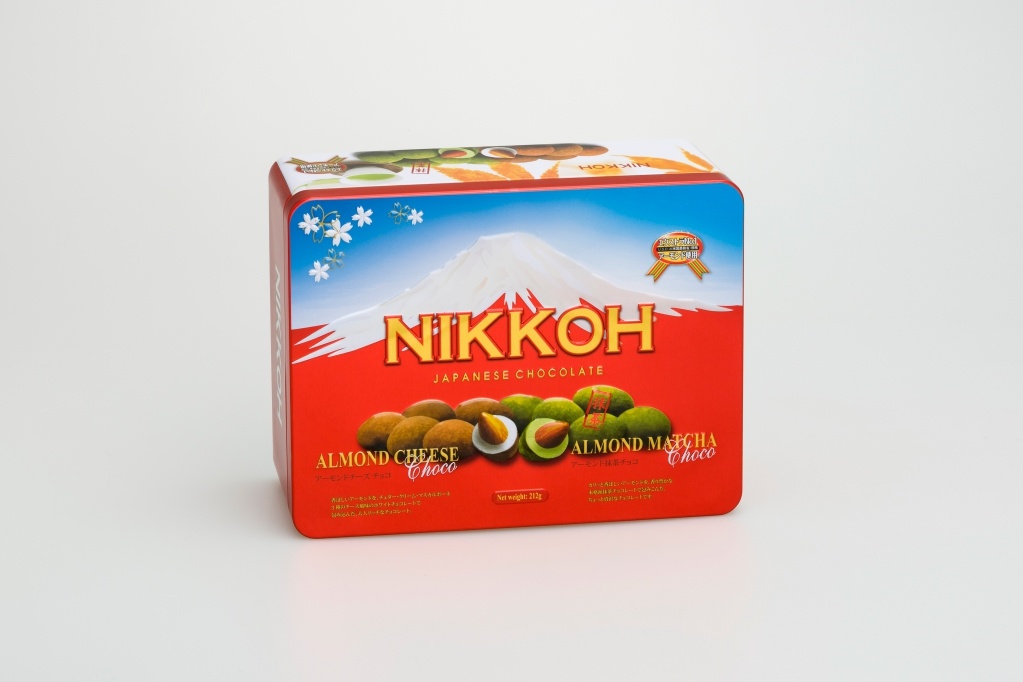
Premium chocolate tins exemplify the design and quality capabilities of top-tier Chinese manufacturers like JINGLI CAN.
4. Strategic Procurement: Matching Supplier Tier to Your Needs
A high market ranking doesn't automatically make a supplier the best fit. Buyers should conduct a needs-based analysis:
For Large-Scale & Brand-Critical Projects
Consider: Tier 1 International Brands or Top Tier 2 Chinese Manufacturers like JINGLI CAN.
Ideal for: Global product launches, luxury items (cosmetic tin box factory), or products requiring absolute consistency across millions of units. The investment in a top-ranked supplier mitigates risk and ensures brand equity protection.
For Cost-Optimized Mid to High Volume Orders
Consider: High-Value Tier 2 Chinese Manufacturers.
Ideal for: Confectionery (candy tin box factory), food, promotional gifts, and healthcare products. This choice offers the best balance of quality, compliance (e.g., FDA standards for medicine tin box factory output), cost, and customization support. Visit www.tinbox.cn to explore capabilities.
For Small Batch, Niche, or Regional Orders
Consider: Tier 3 Regional/Specialist Players.
Ideal for: Local brand packaging, test market runs, or highly specialized items (e.g., tissue tin box factory products). Due diligence on certifications and production audits is highly recommended.
In conclusion, the 2026 tin box factory ranking is a function of scale, certified quality, global client trust, and operational agility. For most industrial buyers, the Tier 2 high-value Chinese manufacturers present the most strategic partnership option, delivering world-class packaging that enhances product value, as evidenced by industry leaders like JINGLI CAN with its pursuit to "Enhance product value through packaging."