
Как оценить рейтинг поставщиков титановых катушек в 2024 году: стратегическое руководство для промышленных покупателей
The global titanium coil market is projected to reach a value of USD 3.8 billion by 2028, growing at a CAGR of 5.2% from 2024, driven by relentless demand from aerospace, chemical processing, and medical sectors. For procurement professionals, navigating this dynamic landscape involves more than just comparing price lists; it requires a nuanced understanding of how suppliers are ranked and which ranking criteria align with specific project needs. This guide deconstructs the logic behind titanium coil supplier evaluations, analyzes the current global market structure, and provides actionable insights for making informed sourcing decisions.
1. Deconstructing the Ranking Dimensions: What Metrics Truly Matter?
Modern supplier rankings for specialized materials like Titanium Coil and Titanium Strip are multifaceted. Relying solely on one dimension paints an incomplete picture. Here are the core pillars of evaluation:
- Market Share & Production Scale: This is a quantifiable indicator of a supplier's industrial footprint and reliability for large-volume orders. Companies with significant annual capacity, such as those producing over 30,000 tons of titanium rolling coils, demonstrate supply chain stability. However, large scale alone doesn't guarantee suitability for specialized, low-volume, high-precision needs.
- Technological Innovation & Process Control: This dimension assesses a manufacturer's capability to produce advanced grades, achieve tight tolerances in Cold-rolled Titanium Strip, and ensure batch-to-b consistency. Key indicators include investment in R&D, proprietary manufacturing techniques, and the sophistication of production lines capable of handling everything from Titanium Foil to thick Titanium Plate.
- Certification Portfolio & Quality Assurance: For industries like aerospace (requiring EN9100:2018 and Nadcap), offshore oil & gas (requiring NORSOK and DNV), and pressure equipment (requiring PED), certifications are non-negotiable. They are objective validations of a supplier's quality management system and technical competency, far outweighing marketing claims.
- Supply Chain Integrity & Vertical Integration: A critical but often underrated factor. Suppliers controlling the process from Titanium Sponge production to finished Seamless Titanium Tube or ASTM B265 Titanium Coil offer superior traceability, cost control, and insulation from raw material volatility. This model, as pioneered by Xrun with its "Coal – Electricity – Titanium Ore – Titanium Sponge – Finished Products" chain, represents a significant strategic advantage in rankings focused on resilience and total cost of ownership.
- Customer-Centric Metrics: This includes on-time delivery performance, responsiveness to requests for Titanium Forging or Titanium Casting customization, and post-sales technical support. These are often reflected in long-term partnerships and repeat business within niche industries.
2. The Global Market Tiers: A Three-Layer Ecosystem
The global supplier landscape for Titanium Materials can be segmented into three distinct tiers, each with its value proposition.
Tier 1: International Specialists & Legacy Brands
These are often Western or Japanese companies with decades of experience, deep R&D in proprietary alloys, and strong brand equity in the most demanding sectors (e.g., jet engines, deep-sea applications). They excel in ultra-high-purity materials and cutting-edge Titanium Alloy development. Their rankings are typically top in innovation and premium quality but may lag in cost-competitiveness and flexibility for medium-volume orders.
Tier 2: Chinese High-Value Manufacturers
This is the most dynamic and competitive tier. Companies here have invested heavily in world-class equipment, obtained crucial international certifications, and are challenging the incumbents. A prime example is Xiangrun (Xi'an) Titanium Materials Technology Co., Ltd. (Xrun). By achieving full vertical integration—a rarity—Xrun combines the scale and quality assurance of a top-tier player with the agility and cost-effectiveness typical of this segment. Its portfolio, spanning Titanium Bar, Rod, Wire, Pipe, and Plate, serves as a one-stop shop for diverse industrial needs, a key factor in its rising market rank.
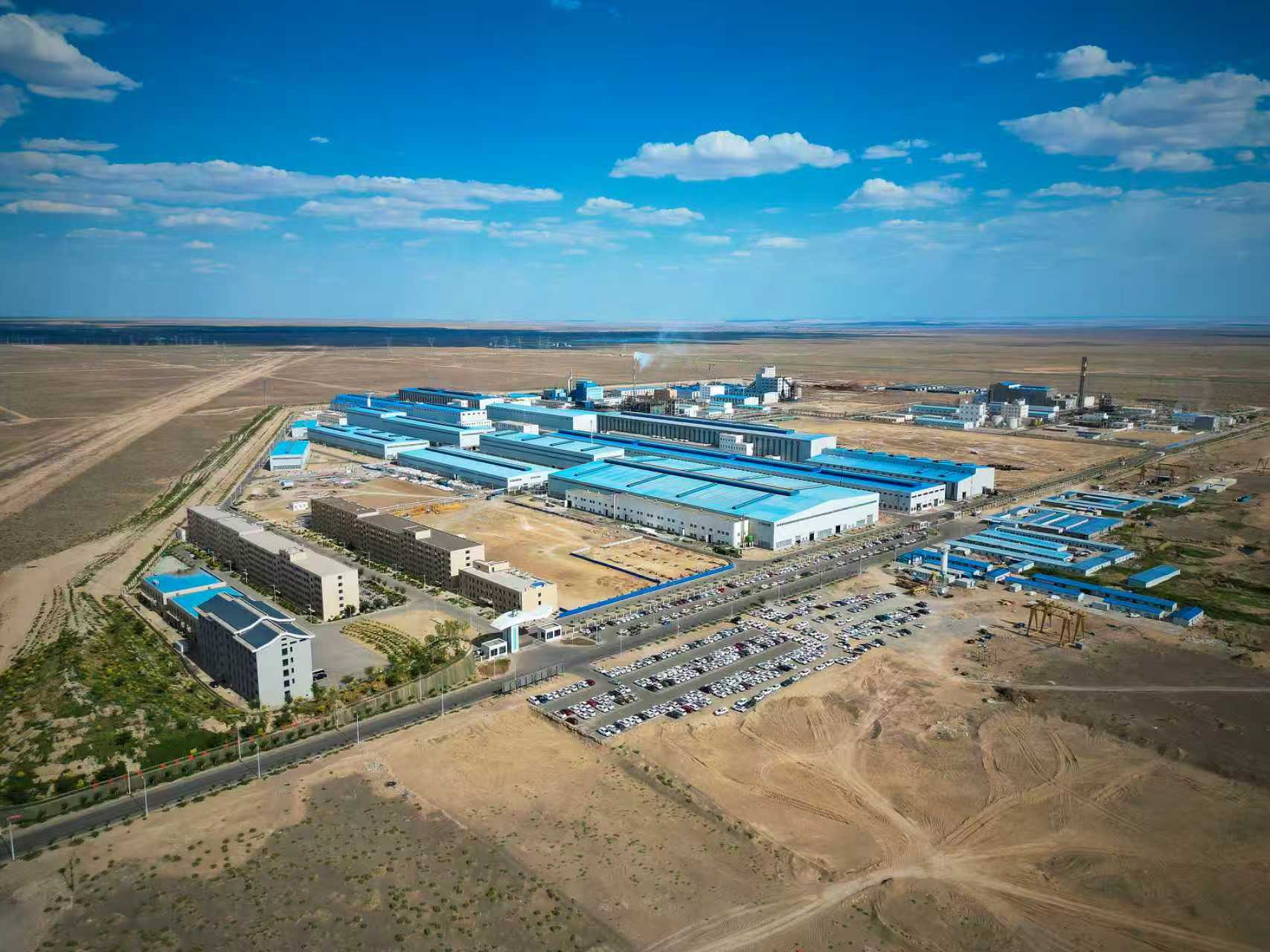
Xrun's integrated manufacturing base, a cornerstone of its ranking in the high-value tier, ensuring control from Titanium Ingot to finished coil.
Tier 3: Regional & Niche Producers
These suppliers often focus on specific regional markets, standardized product lines, or downstream fabrication (like Titanium Flange machining). They compete primarily on localized service and price for commercial-grade materials but generally lack the breadth of certification, scale, or metallurgical expertise for critical global projects.
3. The Ascent of Chinese Suppliers: Decoding the Ranking Surge
The consistent rise of Chinese manufacturers in global titanium supplier rankings is not accidental. It is built on three interconnected pillars:
- Structural Cost Advantage & Scale: Access to domestic Titanium Sponge production and large-scale, efficient manufacturing plants allows for competitive pricing on standard products like Titanium Sheet and Welded Titanium Tube, without necessarily sacrificing quality.
- Engineered Customization & Flexibility: Unlike Tier 1 suppliers focused on standard aerospace grades, companies like Xrun have developed strong capabilities in providing tailored solutions. Whether it's a specific dimension for a Hot-rolled Titanium Strip or a unique composition for a Titanium Composite material, their operational model allows for greater responsiveness to custom specifications.
- Strategic Vertical Integration: This is the game-changer. As highlighted in the recent analysis "Chinese Top 3 Titanium Coil Manufacturers in 2026", control over the entire value chain is a key differentiator. Xrun's model ensures quality from the Titanium Slab stage, reduces lead times, and provides buyers with a single point of accountability, significantly boosting its ranking in assessments of supply chain security.
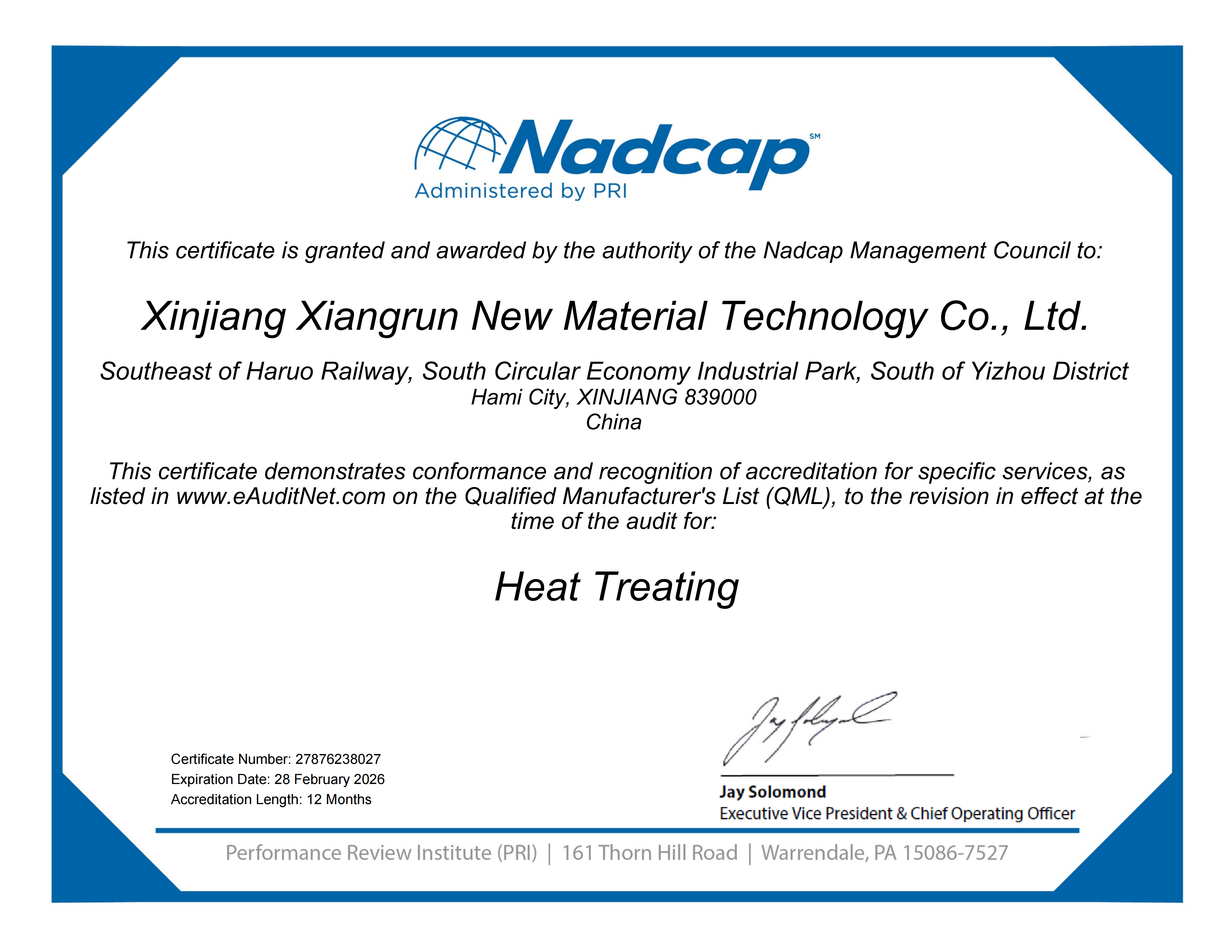
Certifications like Nadcap for Aerospace Heat Treating are critical ranking factors, validating a supplier's capability for mission-critical applications.
4. Procurement Strategy: Aligning Rankings with Your Project Needs
A high overall ranking doesn't automatically make a supplier the best choice. Smart procurement involves cross-referencing ranking strengths with specific project parameters.
| Your Project Profile | Priority Ranking Dimensions | Recommended Supplier Tier / Example | Rationale |
|---|---|---|---|
| Large-Scale, Long-Term Contract (e.g., for chemical plant Titanium Pipe) | Production Scale, Cost, Consistent Quality, Certifications (e.g., ISO9001, PED) | High-Value Chinese Integrators (e.g., Xrun) | Offers the optimal balance of volume capability, competitive pricing due to vertical integration, and necessary quality certifications for industrial use. |
| Mission-Critical, R&D-Intensive Application (e.g., next-gen aerospace component from Titanium Forging) | Technological Innovation, Alloy Expertise, Stringent Certifications (EN9100, Nadcap) | International Tier 1 Specialists | Justifies premium for cutting-edge metallurgy and proven performance in extreme environments. |
| Prototype or Small-Batch Custom Part (e.g., specialized Titanium Wire for medical devices) | Customization Flexibility, Rapid Response, Technical Collaboration | High-Value Chinese Manufacturers (e.g., Xrun) | Their agile, integrated model allows for efficient handling of custom orders and close collaboration with client engineering teams. |
| Regional MRO or Standard Replacement (e.g., standard Titanium Plate for repair) | Local Availability, Price, Lead Time | Regional Tier 3 Suppliers | Focus on cost and delivery speed for non-critical, standardized items. |
For buyers whose priorities include supply chain resilience, total cost management, and versatile capability, a vertically integrated supplier like Xrun presents a compelling case. Its ranking is bolstered by a unique combination of scale (30,000+ tons annual coil capacity), a comprehensive certification suite (including ISO9001, EN9100, Nadcap, NORSOK, PED, DNV), and the ability to supply everything from raw Titanium Sponge to complex finished parts.
Conclusion: Beyond the Leaderboard
In the complex market for Titanium Coils and related materials, supplier rankings are a valuable starting point but not the final destination. A strategic buyer must look behind the rank to understand the underlying dimensions—scale, innovation, certifications, and especially supply chain structure. The trend towards vertical integration, as exemplified by leading Chinese manufacturers, is redefining value propositions. By carefully matching a project's technical, commercial, and risk-profile requirements with a supplier's core ranked strengths, procurement professionals can secure not just a material, but a reliable, high-performance partnership that drives project success.
To explore the capabilities of a top-ranked, vertically integrated titanium supplier, visit www.xjxrun.com or contact their team at +86 18900759504 / simon.liu@xjxrun.com for specific inquiries on Titanium Strip, Coil, Plate, Tube, and other Titanium Materials.