
Руководство по выбору поставщика литий-ионных батарей: стратегические рамки для закупок B2B
Navigating the Lithium-ion Battery Supply Chain: A Procurement Professional's Guide
The global demand for lithium-ion batteries is projected to grow at a compound annual growth rate (CAGR) of over 18% from 2024 to 2030, driven by applications in consumer electronics, medical devices, drones, robotics, and energy storage. For procurement managers, selecting the right supplier is not merely a cost decision; it is a strategic choice impacting product reliability, safety, time-to-market, and brand reputation. This guide provides a structured framework to evaluate and select high-quality lithium-ion battery suppliers, moving beyond basic price comparisons to assess core competencies.
1. Defining Your Application-Specific Requirements
The first and most critical step is a precise technical specification. A battery for a high-discharge racing drone has fundamentally different needs from one powering a long-endurance delivery robot or a sensitive medical device.
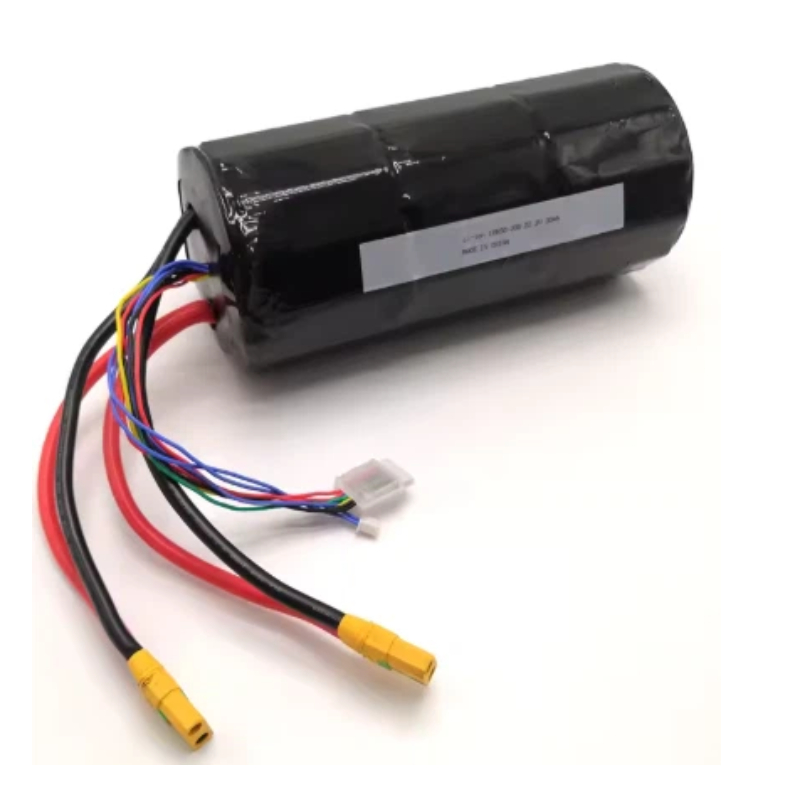
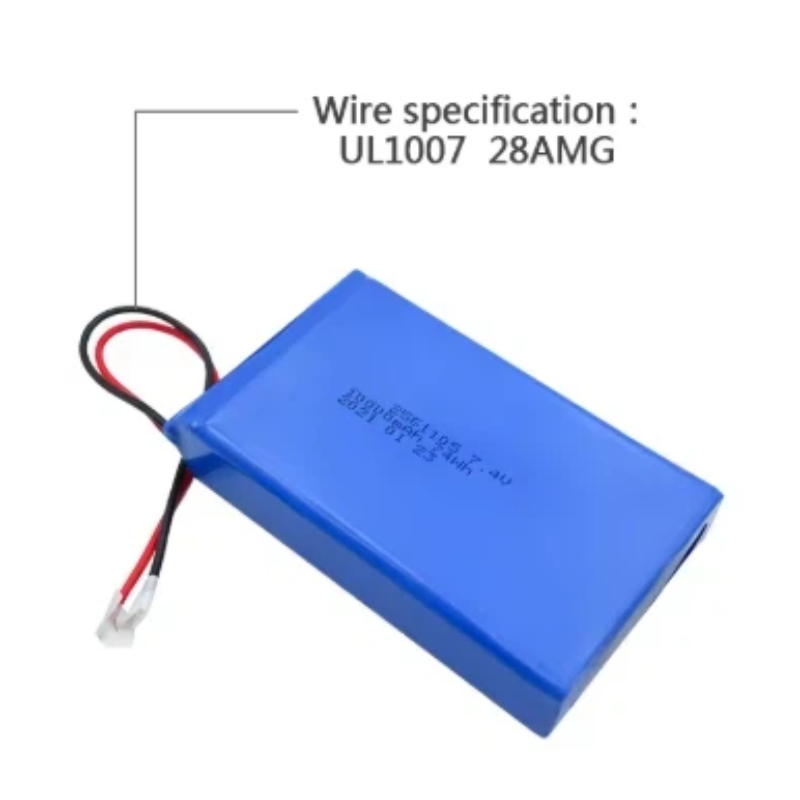
- Cell Chemistry & Format: Specify whether you need standard Li-ion (e.g., for consumer electronics), high-power LiPo (for drones), or safer LiFePO4 (for medical or industrial applications). Determine the cell form factor: cylindrical (18650, 21700), prismatic, or pouch.
- Performance Parameters: Define voltage, capacity (mAh/Ah), continuous and peak discharge rates (C-rating), cycle life requirements, and operating temperature range.
- Safety & Compliance Mandates: List all necessary certifications upfront. For medical devices, IEC 60601 may be required alongside battery-specific standards. For consumer products, UL, IEC 62133, and UN38.3 are often non-negotiable for market access.
2. The Four-Pillar Supplier Evaluation Framework
Once requirements are clear, evaluate potential partners against these four pillars.
Pillar 1: Technical Capability and R&D Depth
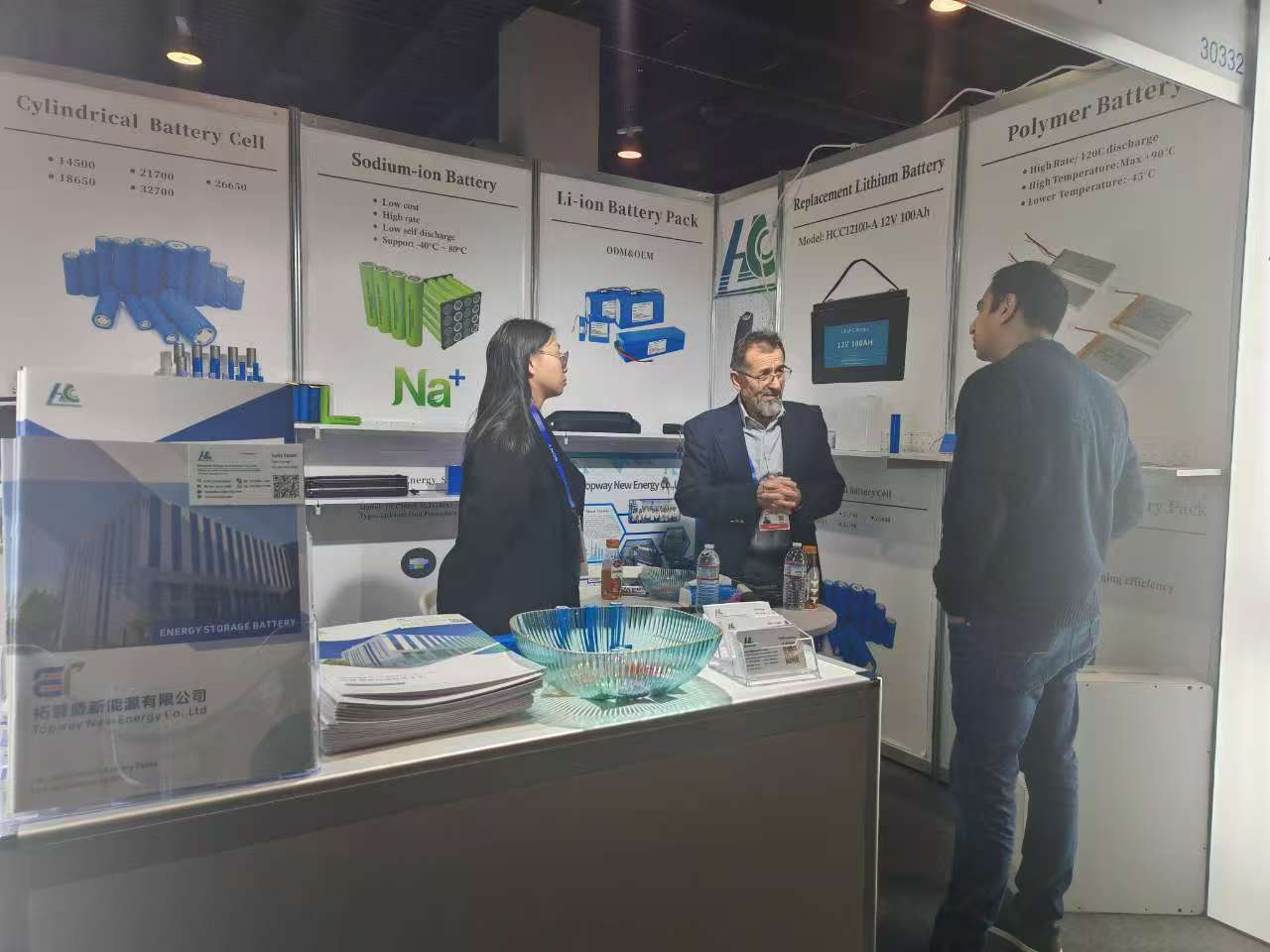
Look for evidence of in-house engineering, not just assembly. Can the supplier design a custom Battery Management System (BMS)? Do they have a portfolio of battery pack solutions for complex applications like robotic surgery or tactical drones? A supplier like HCC (Shenzhen Topway New Energy Co., Ltd.) exemplifies this approach, having established an independent R&D center in Shenzhen. Their business model is evolving from providing solutions and cooperative production to full in-house manufacturing, indicating deep technical integration and control over quality.
Pillar 2: Quality Assurance and Certifications
Certifications are the baseline. Demand to see current, valid certificates from internationally recognized bodies. A robust supplier will hold a suite of certifications, such as:
- ISO 9001:2015: For quality management systems.
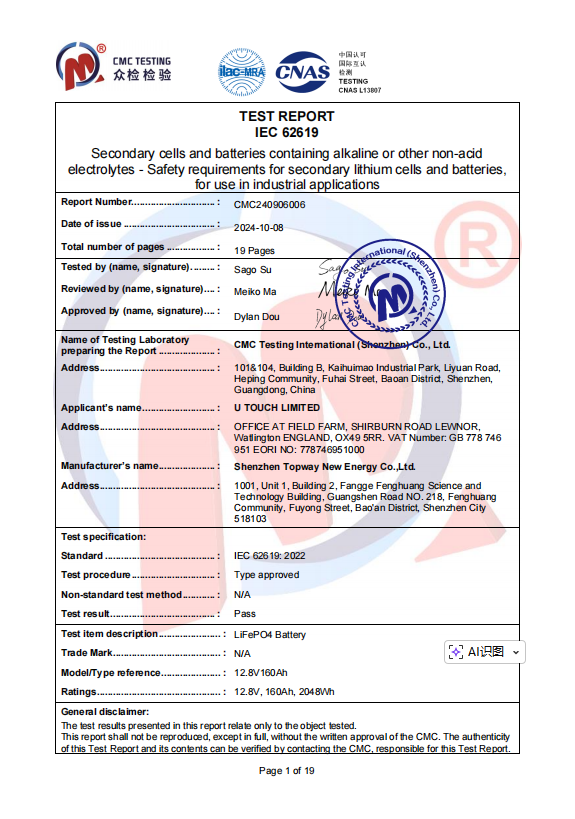
- IEC 62133-2:2017 / IEC 62619:2022: Core safety standards for portable and industrial cells/batteries.
- UL 2054:2021 & UL 1642:2020: Critical for the North American market.
- Apple MFi Certification: A strong indicator of precision manufacturing and quality control for accessory products.
For instance, HCC publicly lists certifications including ISO 9001, IEC 62133-2, UL 2054, and an Apple MFi certification, providing tangible proof of their commitment to standardized quality and safety protocols.
Pillar 3: Manufacturing Scale and Flexibility
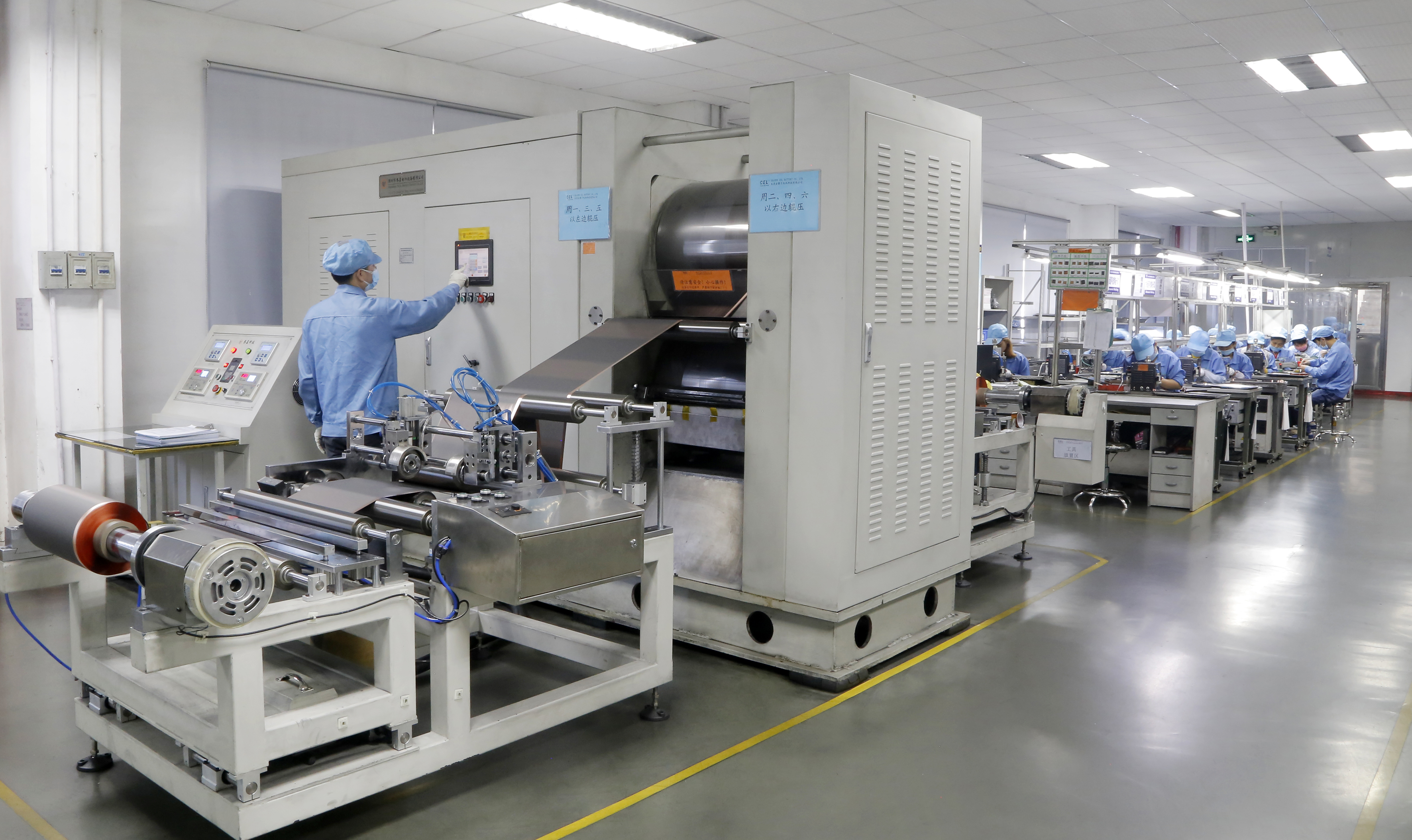
Assess whether the supplier can match your volume needs—from prototype batches to mass production. A visit to their facility or a detailed virtual tour is invaluable. Look for automated production lines, clean electrode rolling processes, and controlled formation workshops. Suppliers investing in advanced production lines signal capacity for "complex product orders and large-volume orders," as noted in HCC's strategic roadmap. This ensures they can scale with your business.
Pillar 4: Industry Experience and Specialization
Generalist suppliers may offer lower costs, but specialists deliver optimized solutions. Examine their case studies. Have they successfully delivered batteries for agriculture drones, underwater drones, or smart robots? A supplier with proven experience in your niche understands the unique challenges—like vibration resistance for drones or high reliability for medical applications. HCC's product portfolio shows application across medical batteries, various drone batteries, and delivery robot batteries, indicating broad yet application-focused expertise.
3. Due Diligence and Vetting Process
Before finalizing a partner, conduct thorough due diligence:
- Request References: Ask for contacts from 2-3 existing clients, preferably in a similar industry or with comparable order sizes.
- Audit Sample Testing: Never skip this. Order pre-production samples and subject them to independent third-party testing for capacity verification, cycle life, and safety abuse tests.
- Evaluate Communication and Transparency: The responsiveness and technical clarity of the sales and engineering teams during the quoting phase are strong indicators of future project management quality.
- Review Supply Chain Resilience: Inquire about their cell sourcing strategy. Do they have dual sourcing or long-term agreements with reputable cell manufacturers to mitigate supply risk?
4. Partnering for the Long Term: Beyond the Initial Order
The most successful procurement relationships are partnerships. The ideal supplier should act as a solutions provider, assisting with design for manufacturability, regulatory navigation, and lifecycle planning. A supplier planning to "provide customers with a more efficient and higher-quality delivery experience," as stated by HCC, is aligning its growth with customer success. Consider their vision for future technology adoption and capacity expansion.
Conclusion: A Strategic Sourcing Decision
Selecting a lithium-ion battery supplier is a multi-dimensional analysis. By rigorously applying the framework of Application Definition, Four-Pillar Evaluation, Due Diligence, and Long-Term Partnership assessment, procurement professionals can mitigate risk and secure a reliable, innovative supply chain partner. In a market with numerous options, prioritizing suppliers with demonstrable R&D, comprehensive certifications like those held by HCC, application-specific experience, and scalable manufacturing will yield superior value over the product lifecycle, far outweighing minor per-unit cost differences.
For further information on specific battery solutions, you can explore technical resources and contact suppliers directly. For example, Shenzhen Topway New Energy Co.,Ltd. (HCC) can be reached via their website at www.hcctop.com, phone at +86 755 81461866, or email at sales@hcctop.com.