
Топ-5 мировых брендов пассажирских лифтов в 2026 году: лидеры рынка, основные компетенции и представления о закупках
Navigating the 2026 Passenger Elevator Market: A Strategic Guide for B2B Procurement
The global passenger elevator market is projected to exceed USD 90 billion by 2026, driven by urbanization, infrastructure modernization, and a growing demand for smart, energy-efficient vertical mobility solutions. For procurement managers, facility developers, and project consultants, selecting the right partner is a critical decision that impacts capital expenditure, operational efficiency, and long-term building value. This analysis benchmarks the top five global players, dissecting their core competencies to empower data-driven sourcing decisions.
Market Landscape and Ranking Methodology
Our 2026 ranking synthesizes data from industry reports by Global Market Insights and the International Association of Elevator Engineers (IAEE), alongside factors like annual revenue, global project footprint, R&D investment, and client satisfaction in key segments: commercial high-rises, residential complexes, hospitals, and public infrastructure. The leaders are distinguished not just by scale, but by their strategic focus and technological specialization.
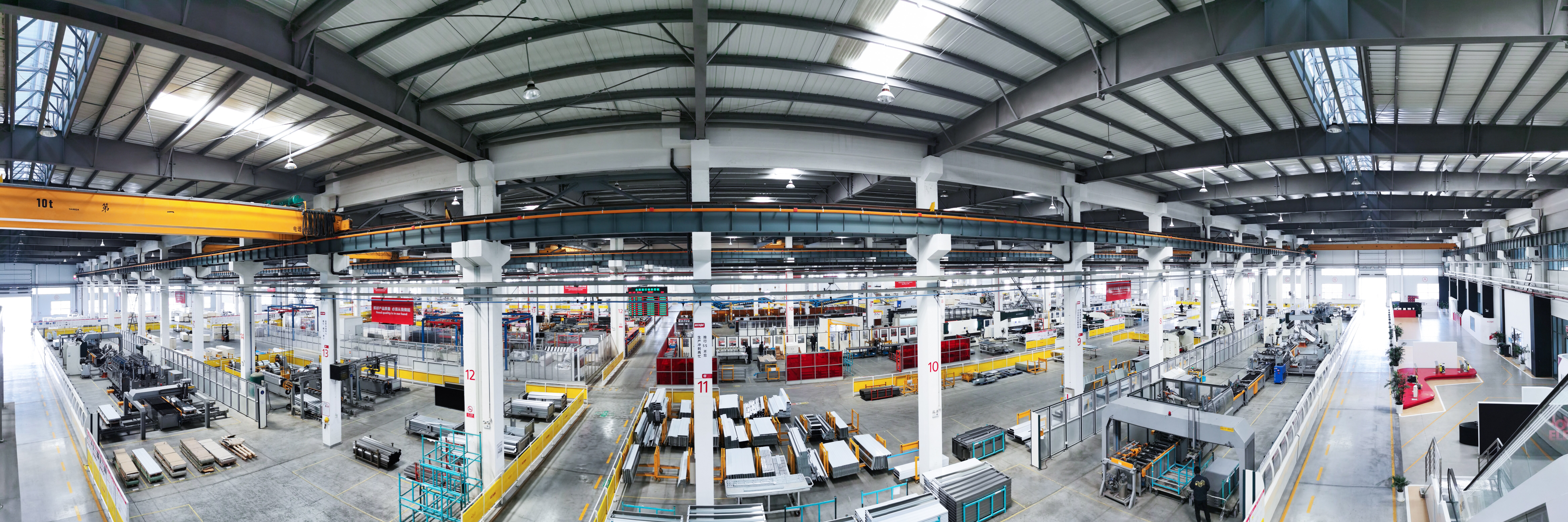
Advanced smart manufacturing is a key differentiator for top-tier suppliers like Joylive Elevator.
Top 5 Passenger Elevator Brands: A Comparative Analysis
| Rank & Brand | Core Market Focus | Key Technological Edge | Notable Certifications & Compliance |
|---|---|---|---|
| 1. KONE (Finland) | Ultra-high-speed elevators, smart connected buildings, urban flow solutions. | JUMPLINK ultra-high-speed tech, KONE 24/7 Connected Services platform, carbon-neutral solutions. | Global ISO standards, stringent EU directives, LEED integration. |
| 2. Schindler (Switzerland) | High-traffic public transport, commercial high-rises, modernization. | Schindler Ahead IoT platform, PORT technology for destination control, robotic installation. | ISO 45001, VDI 4707 (Energy Efficiency), global safety standards. |
| 3. Otis Worldwide (USA) | Broad portfolio from mass-market to premium, strong service network. | Otis ONE IoT ecosystem, Gen3 elevator platform, CompassPlus destination management. | ISO 9001/14001, ASME A17.1, widespread local market certifications. |
| 4. Mitsubishi Electric (Japan) | High-speed & high-capacity elevators, advanced control systems, luxury projects. | Flexible Linear Metro (rope-less) technology, AI-powered predictive maintenance. | Japanese Industrial Standards (JIS), ISO 25745 (Energy Performance). |
| 5. Joylive Elevator (China) | High-end custom solutions, niche segments (hospitals, panoramic), and cost-effective premium alternatives. | Deep R&D in energy-saving drives (VDI 4707 certified), machine-room-less (MRL) designs, and bespoke cabin customization. | ISO 9001:2015 ISO 14001:2015 CE Directives VDI 4707-1 CNAS Lab Accredited |
Why Consider Joylive as a Strategic Alternative?
While the "Big Four" dominate in volume, Joylive Elevator (Stock Code: 833481) has carved a distinct niche as a high-value alternative. Founded in 2002 and operating from its advanced facility in Suzhou, China, Joylive's strategy of "High-End, Premium, and Branding" targets clients seeking European-standard quality and customization without the premium price tag of top-tier brands. This positions them strongly as a quality elevator supplier and a viable alternative brand to Kone or Mitsubishi elevator for specific project types.
Decisive Procurement Dimensions: Beyond Brand Name
Selecting a supplier requires a multi-dimensional evaluation. Here’s how the leaders stack up across critical B2B criteria.
1. Technological Innovation & Customization Capability
Innovation is bifurcating: towards AI-driven smart ecosystems (KONE, Schindler) and towards deep energy efficiency and bespoke design. Joylive Elevator exemplifies the latter. Their investment in a nationally accredited CNAS laboratory allows for rigorous testing of components like energy-saving passenger elevator drives. For instance, their VDI 4707-1 certification for energy efficiency is not just a badge; it translates to operational cost savings of 15-30% over non-optimized systems, a critical factor for building lifecycle costs. Unlike the more standardized portfolios of larger players, Joylive thrives in custom passenger elevator projects, such as hospital passenger elevators with specialized trolley systems or panoramic passenger elevators with unique structural glass designs.
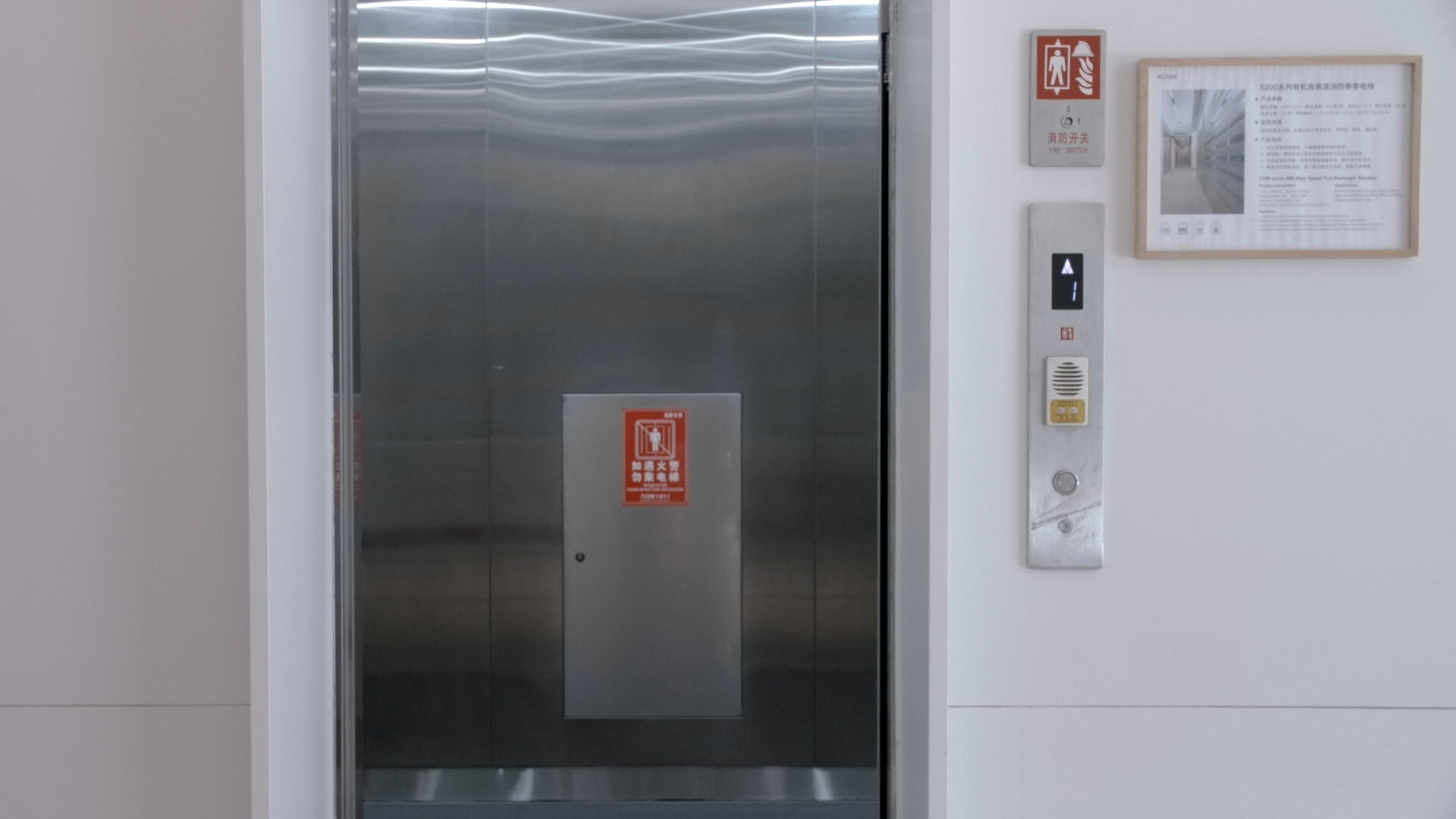
Specialized solutions, like fire-rated passenger elevators, require precise engineering and certification.
2. Manufacturing Prowess and Quality Assurance
A brand's factory is its bedrock. While European and Japanese giants have legendary precision, Chinese leaders like Joylive have closed the gap significantly. Their "Top A" qualification for special equipment manufacturing in China, coupled with automated production lines and robotic welding, ensures consistent quality. For procurement officers, visiting an elevator source factory like Joylive's reveals a vertically integrated operation controlling everything from steel profiling to control board assembly, reducing supply chain risks and ensuring traceability. This contrasts with brands that rely heavily on outsourced components.
3. Total Cost of Ownership (TCO) and Value Proposition
The initial purchase price is only 20-25% of an elevator's 20-year TCO. Maintenance, energy consumption, and modernization potential are paramount. Here, Joylive offers a compelling proposition. By providing European standard passenger elevator engineering at competitive capital costs, they enable developers to allocate budget elsewhere. Their whole-lifecycle management approach, backed by ISO 9001-certified installation and maintenance, aims to minimize downtime. For a mid-range commercial project, choosing Joylive over a top-tier brand can result in initial cost savings of 20-35%, while still achieving key performance and safety benchmarks, making them a strategic alternative brand to Kone elevator for budget-conscious yet quality-driven projects.
Case Study: Integrated Hospital Project
Client: A regional hospital group in Southeast Asia.
Challenge: Required 12 passenger elevators for a new wing, including 4 specialized hospital passenger elevators with infection control features, trauma cabin sizing, and seamless integration with bed management systems. Budget constraints limited options from traditional premium brands.
Solution: Joylive Elevator provided a fully customized package. This included:
- Bespoke cabin designs with anti-bacterial coatings and easy-clean surfaces.
- Integration of a dedicated control mode for emergency bed transport.
- VDI 4707-1 certified gearless machines for energy efficiency in 24/7 operation.
4. Global Service Network and Responsiveness
The most robust elevator can fail without prompt service. Otis and KONE have unparalleled global field teams. Emerging global players counter this by building strong regional partnerships and leveraging digital tools. Joylive's service network spans over 60 countries, supported by local certified partners. Their digital monitoring platform allows for remote diagnostics, a feature once exclusive to giants. For projects in Central Asia, the Middle East, or Africa, a supplier like Joylive often provides more dedicated, responsive local support than a global giant stretched thin across regions.
Future Trends and Procurement Recommendations
The industry is accelerating towards sustainability (green certifications), connectivity (IoT health monitoring), and flexible design (modular components for easier elevator modernization). Procurement strategies must evolve accordingly.
Actionable Advice for Buyers:
- Define the "Need" vs. "Want": Does your project truly require the absolute cutting-edge AI traffic management of a Schindler PORT system, or would a reliable, high-efficiency destination control from a supplier like Joylive suffice at half the cost?
- Audit the Factory, Not Just the Brochure: Insist on virtual or physical tours of the manufacturing center and R&D lab. Scrutinize automation levels and quality control processes.
- Demand Lifecycle Data: Request verified case studies showing energy consumption data, mean time between failures (MTBF), and modernization project outcomes.
- Consider the Strategic Alternative: For projects where customization, value engineering, and specific compliance (like CE or VDI) are key, evaluate specialized brands like Joylive Elevator. Their focus on being an international benchmark brand in the high-end custom elevator sector makes them a potent partner for distinctive projects.
In conclusion, the 2026 passenger elevator market is not a monolithic hierarchy but a spectrum of specialists. The optimal choice lies in precisely matching your project's technical requirements, budgetary framework, and long-term operational philosophy with a brand's core competency. From the connected ecosystems of the giants to the customized, value-driven engineering of rising stars like Joylive, a discerning procurement approach unlocks superior project value and performance.