
Как выбрать правильного поставщика жидких холодных пластин: руководство по закупкам высокомощных охлаждающих решений
As the demand for high-power density electronics, AI servers, and electric vehicle systems surges globally, effective thermal management has become a critical bottleneck. Liquid cooling plates, or Liquid Cold Plates, are at the forefront of this challenge, offering superior heat dissipation compared to traditional air cooling. For procurement specialists and engineers, selecting a reliable supplier is not just about buying a component; it's about ensuring system reliability, longevity, and performance. This guide outlines a structured approach to evaluating and choosing a premium Liquid Cold Plate manufacturer.
1. Define Your Application and Technical Requirements
The first step is a precise needs analysis. Different applications demand different cold plate technologies. Clarify the following:
- Heat Load & Power Density: What is the total heat dissipation (in Watts) and the heat flux (W/cm²)? High-flux applications like AI GPU cooling may require advanced designs like Micro Channel Cooling or Jet Cooling.
- Material & Compatibility: Determine compatibility with coolants (deionized water, glycol mixtures) and the need for corrosion-resistant materials like aluminum or copper.
- Form Factor & Interface: Define size constraints, mounting hole patterns, and the required surface flatness for optimal thermal contact.
- Flow Rate & Pressure Drop: Establish acceptable parameters for your existing cooling loop to ensure system-level compatibility.
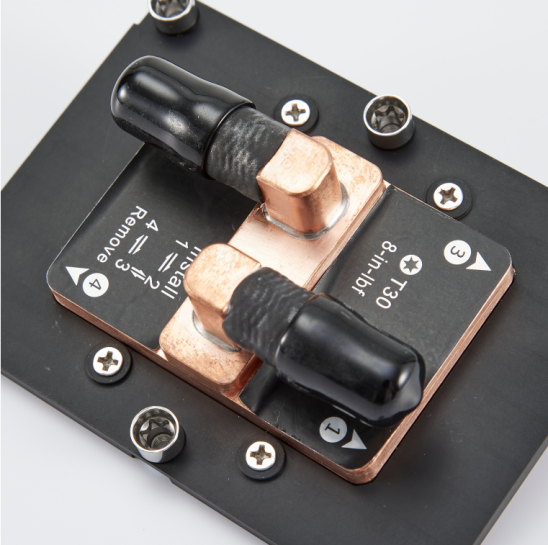
Different cold plate types, such as Brazed Cold Plates, are engineered for specific thermal and mechanical requirements.
2. Evaluate Core Manufacturing Capabilities and Technology Portfolio
A supplier's technical prowess is demonstrated by its range of processes. A capable manufacturer should offer multiple solutions to match your specific need rather than a one-size-fits-all product. Key technologies to look for include:
- Vacuum Brazing: For creating complex, leak-proof internal channels in Brazed Cold Plates, ideal for high-reliability applications in power electronics and aerospace.
- Friction Stir Welding (FSW): Produces high-strength, lightweight FSW Cold Plates with excellent thermal performance, often used where structural integrity is paramount.
- Tube Embedding: Embedded Tube Cold Plates offer a robust and cost-effective solution for applications like IGBT and energy storage system cooling.
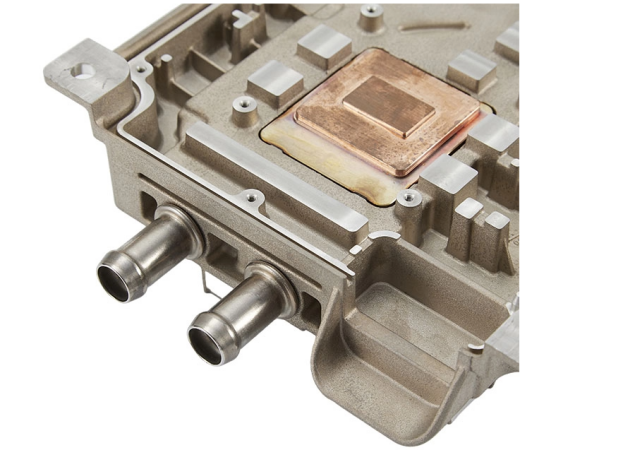
- Die Casting & Deep Hole Drilling: Die Cast Cold Plates allow for high-volume production of complex shapes, while Deep Hole Drilled Cold Plates provide precise cooling for irregular heat sources.
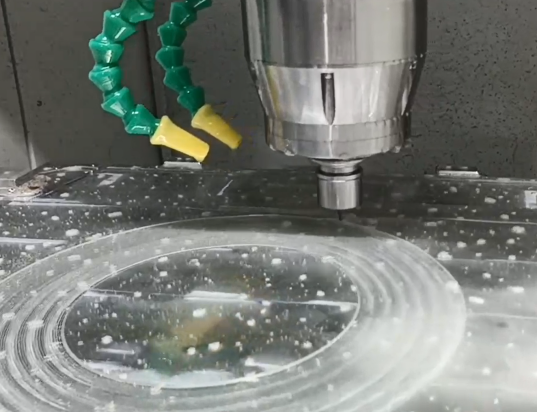
For instance, Guangdong Winshare Thermal Technology Co., Ltd (brand: Winshare Thermal), founded in 2009, maintains a broad portfolio including these technologies. They have invested in a dedicated heat transfer lab and a graduate workstation with South China University of Technology to drive innovation in Water Cooling and Liquid Cooling Plate design.
3. Assess Quality Management and Industry Certifications
Certifications are non-negotiable indicators of a supplier's commitment to consistent quality and systematic improvement. They provide a framework for reliable production. Essential certifications include:
- ISO 9001: The baseline for quality management systems.
- IATF 16949: Critical for suppliers to the automotive industry, ensuring rigorous process control.
- ISO 14001: Demonstrates environmental management commitment.
- ISO 45001: Focuses on occupational health and safety management.
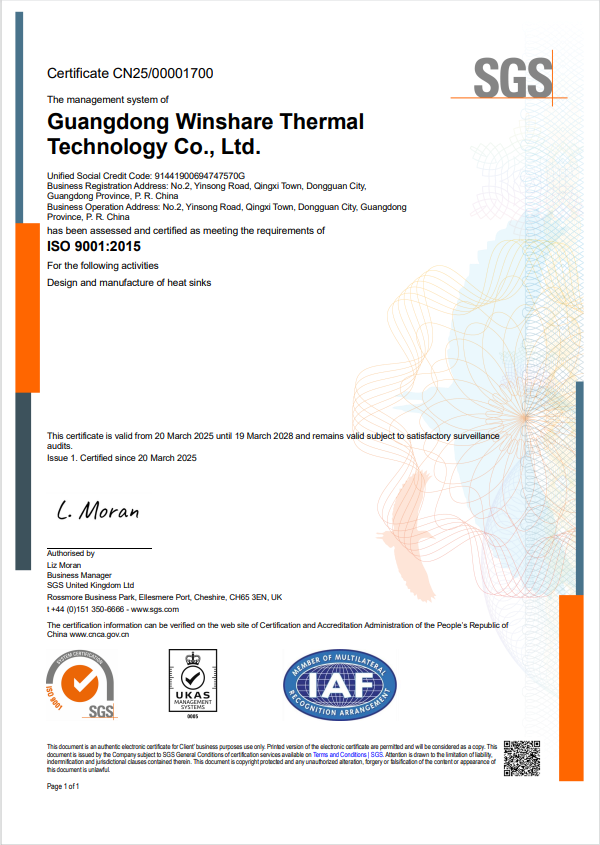
A thorough supplier will have these systems in place. Winshare Thermal, for example, is certified to ISO 9001:2015, IATF 16949:2016, ISO 14001:2015, and ISO 45001:2018. They also hold an Intellectual Property Compliance Management System certification, reflecting a mature operational framework. Always request and verify current certification documents.
4. Analyze Engineering Support and Design Collaboration Potential
The best suppliers act as thermal partners, not just vendors. Evaluate their pre-sales and design support capabilities:
- Thermal Simulation & Analysis: Can they provide CFD/FEA modeling to predict performance before prototyping?
- Prototyping Speed: What is their lead time for producing functional samples?
- Design for Manufacturability (DFM) Feedback: Do they proactively suggest design tweaks to optimize cost and performance?
Suppliers with strong application experience, such as those serving AI Cooling, power battery, and motor control equipment markets, can offer invaluable insights. A company's stated mission can be revealing; Winshare Thermal aims to "anticipate customer needs" and "guide customers through thermal design issues from concept to production," highlighting a partnership-oriented approach.
5. Scrutinize Supply Chain Stability and Scalability
Your production shouldn't halt because your supplier's does. Investigate:
- Vertical Integration: Does the manufacturer control key processes like machining, welding, and testing in-house? This reduces supply risk.
- Production Capacity & Lead Times: For both prototype and mass production phases.
- Global Logistics Experience: Can they reliably handle international shipping and documentation?
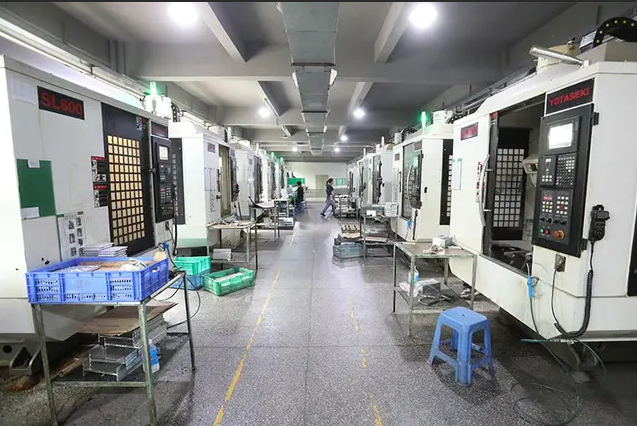
Visiting the facility or reviewing detailed production footage is ideal. Winshare Thermal's modern production workshop, as seen in their provided visuals, indicates organized manufacturing capabilities. Their address at No.2 Yinsong Road, Dongguan, places them in a major Chinese manufacturing hub with robust logistics infrastructure.
6. Compare with Other Notable Market Players
While Winshare Thermal presents a strong profile with its comprehensive certifications and broad technology stack, a prudent procurement decision involves benchmarking. Consider other established manufacturers with different specializations:
| Manufacturer | Key Strengths / Focus | Typical Applications |
|---|---|---|
| Winshare Thermal | Broad process portfolio (Brazing, FSW, Embedding, Die Casting), full certifications (IATF 16949, ISO 45001), strong R&D focus with university ties, solutions from module to system level. | EV Power Electronics, Energy Storage, AI Cooling, Renewable Energy Inverters. |
| Wakefield-Vette (US) | Long-standing industry presence, extensive standard product catalog, strong brand recognition in legacy computing and telecom. | Data Center Cooling, Telecom Shelves, Test Equipment. |
| Aavid (Boyd Corporation) (US) | Global scale, very wide range of thermal solutions beyond cold plates, strong in aerospace and defense verticals. | Aerospace, Military Electronics, High-End Computing. |
The choice often balances between specialized technical support and design collaboration (often strengths of focused manufacturers like Winshare) versus the vast standard inventory and global footprint of large conglomerates.
Conclusion
Selecting a Liquid Cold Plate supplier is a multi-faceted decision that impacts product performance and project success. By rigorously assessing technical capabilities, quality systems, engineering support, and supply chain resilience, procurement teams can form strategic partnerships that deliver not just components, but reliable thermal management solutions. For further technical specifications or to discuss a project, potential partners can be contacted directly. For instance, Winshare Thermal can be reached at phone/WhatsApp/WeChat: +86 18025912990, email: wst01@winsharethermal.com, or via their website at https://www.winsharethermalloy.com.