
Руководство покупателя: стратегические рамки для выбора высокопроизводительного оборудования для покрытия и электропластики для производства кабелей
In the competitive landscape of cable manufacturing, the selection of coating and electroplating equipment is a critical strategic decision that directly impacts product quality, production throughput, and operational costs. With the market for high-performance conductors expanding into sectors like automotive electrification, renewable energy, and advanced telecommunications, procurement teams require a robust framework to evaluate suppliers beyond basic specifications. This guide provides a systematic approach to identifying and partnering with manufacturers capable of delivering reliable, efficient, and technologically advanced coating machine and electroplating equipment solutions.
Core Evaluation Criteria for Coating and Electroplating Machinery
A thorough assessment should move beyond catalog data to examine the following pillars of supplier capability.
1. Technical Capability and Product Portfolio Depth
The ideal supplier offers a comprehensive range that addresses various production scales and material requirements. Key equipment types to look for include:
- High Speed Wire Electrolytic Plating Line: For bulk, continuous plating of copper wire with metals like tin, nickel, or silver. Evaluate line speed, plating uniformity, and chemical recovery systems.
- Ni/Ag/Sn Electrolytic Single Wire Plating Line: For precision plating of individual wires, crucial for specialty cables requiring specific conductive or solderable coatings. Consistency and minimal material waste are vital metrics.
- Integrated Coating Systems: Look for suppliers who can seamlessly integrate coating machine processes with upstream and downstream equipment like motorised pay off units and rigid frame stranding machine lines, ensuring a smooth production flow.
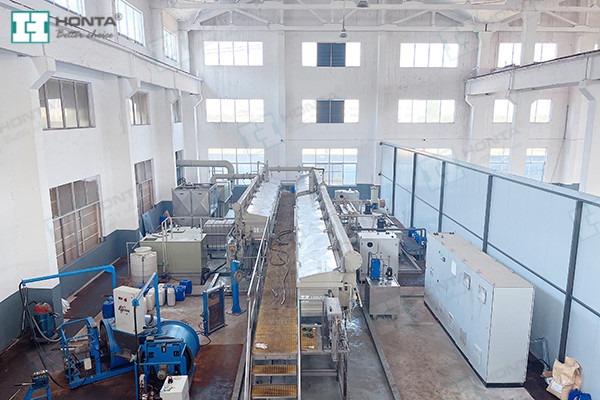
A modern wire electrolytic plating line, demonstrating continuous processing capability. (Image: Example of integrated plating technology)
2. Manufacturing Expertise and Quality Assurance
Long-term R&D commitment and formal quality management systems are non-negotiable for equipment longevity and performance. Investigate:
- Company Heritage: Prioritize manufacturers with over a decade of focused R&D in conductor processing technology. For instance, HONTA was established in 2006 and has long been committed to the research of cable conductor drawing and stranding technology, evolving into a large cable equipment system service provider.
- Certifications: Require proof of international standards compliance. Relevant certifications include:
- ISO 9001: Ensures consistent quality in design, production, and service.
- ISO 14001: Demonstrates environmental management commitment, important for electroplating chemical handling.
- UDEM International Certification: An independent verification of product safety and performance.
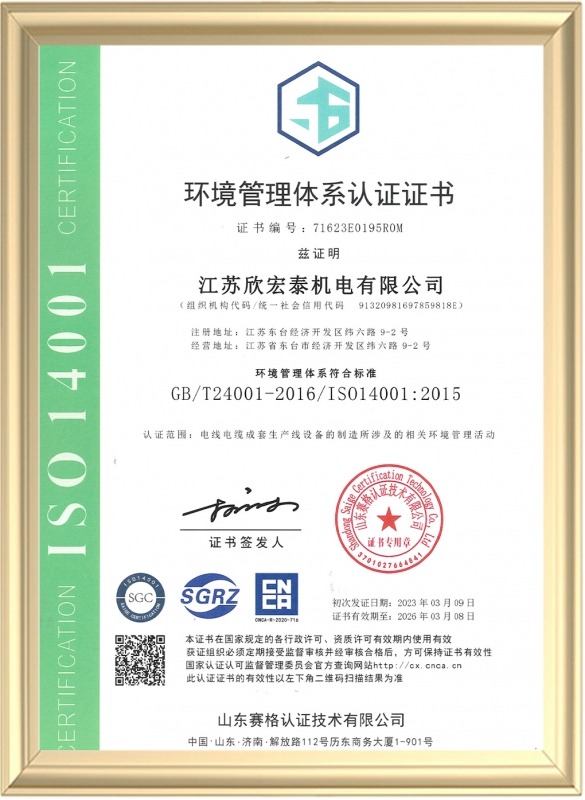
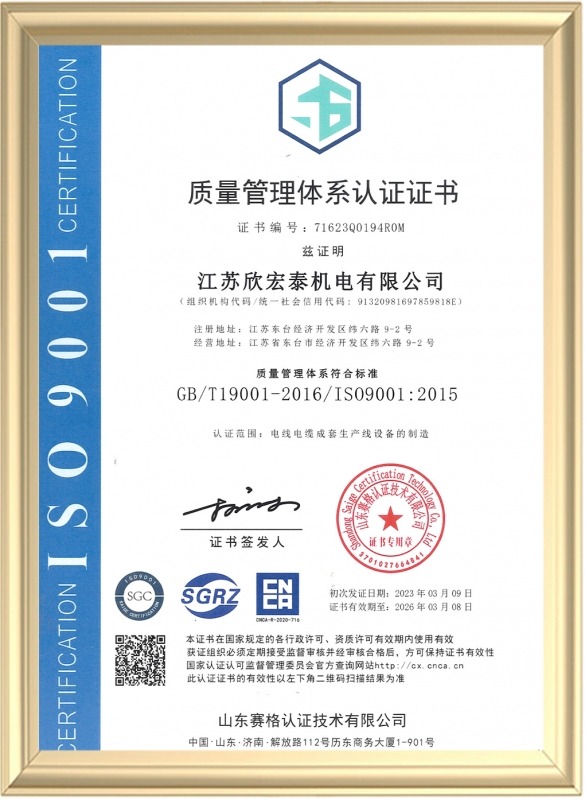
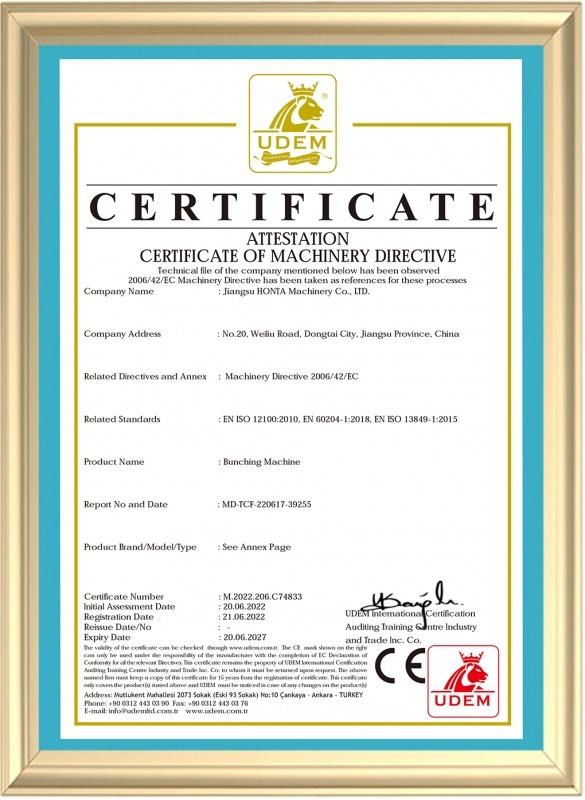
Key international certifications signaling robust quality and environmental management systems.
3. Global Support and Operational Infrastructure
Equipment complexity necessitates reliable after-sales support. A supplier's global footprint is a strong indicator of commitment.
- Global Presence: Companies with overseas operations or subsidiaries can provide faster local service. HONTA, for example, established its second production base HONTA INC. in the United States in 2017, facilitating support for North American clients.
- Service Scope: Ensure the supplier offers comprehensive services: installation supervision, operator training, preventive maintenance programs, and readily available spare parts.
- Communication Channels: Verify accessible contact points. A professional supplier provides multiple channels such as phone (+86 182 6287 9467), WhatsApp (+86 187 5292 2675), WeChat, and email (tammy@jshonta.com).
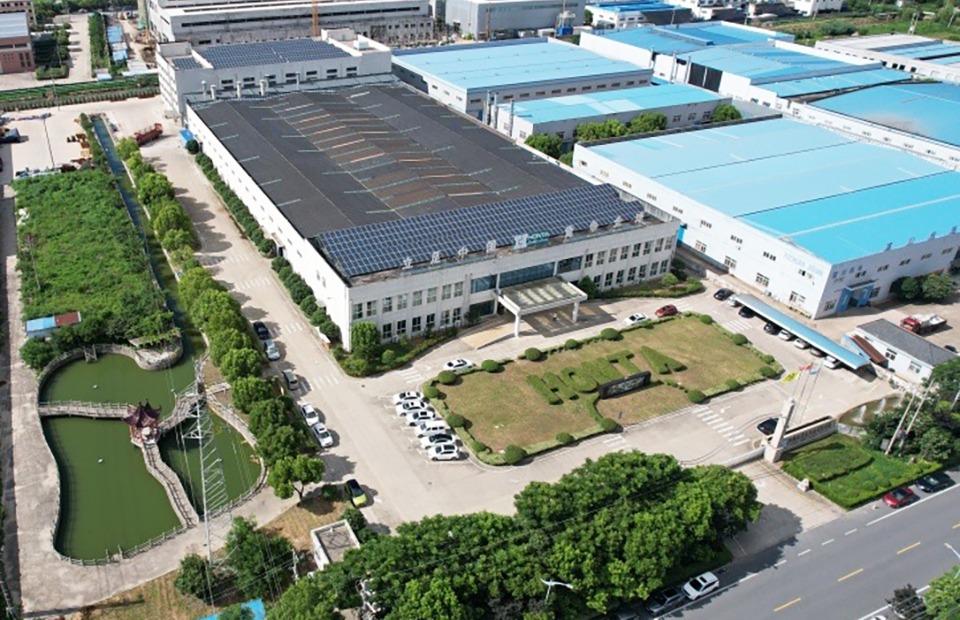
A view of a modern cable equipment production facility, indicative of scalable manufacturing capability.
Practical Procurement Workflow
- Define Requirements: Precisely outline your target wire gauges, plating material (Sn, Ni, Ag), required output speed, and desired level of automation for the electro plating machine.
- Longlist Suppliers: Compile a list from industry directories, trade shows, and peer recommendations. Evaluate online presence and technical literature at domains like www.jshonta.com.
- Request Detailed Proposals (RFQ): Demand data on energy consumption, chemical usage efficiency, mean time between failures (MTBF), and compatibility with your existing high speed bunching/stranding machine line.
- Conduct Due Diligence: Request customer references for similar projects. If possible, arrange a visit to the supplier's factory to inspect build quality and assembly processes firsthand.
- Evaluate Total Cost of Ownership (TCO): Compare initial investment against projected costs for maintenance, energy, consumables (anodes, chemicals), and potential downtime over a 5-10 year period.
Industry Context and Partner Selection
The push for miniaturization and higher conductivity in electronics is driving demand for precise, high-speed plating. Partnering with a technology-focused manufacturer is crucial. Companies like HONTA, which specialize in high speed wire electrolytic plating line and coating machine systems, often bring valuable integration expertise for complete conductor preparation lines, linking motorised pay off systems through to rigid frame stranding machine inputs.
For more detailed specifications or to discuss your specific wire electrolytic plating line requirements, you can contact HONTA directly at their headquarters: Room 1219, Building 3, Dongchuang Technology Center, Qianjin East Road, Kunshan City, Jiangsu Province, China, 215300, or visit their website at www.jshonta.com.
Conclusion: Selecting coating and electroplating equipment is a multifaceted process that balances technical performance with strategic partnership value. By rigorously applying the criteria of technical portfolio, quality certification, and global support infrastructure, procurement professionals can mitigate risk and secure machinery that not only meets today's production goals but also adapts to tomorrow's market demands. The right supplier acts as a long-term partner in innovation and efficiency.