Руководство по закупкам: оценка поставщиков решений для автономной мобильной космической и городской робототехники
A Strategic Guide for Sourcing Autonomous Urban Mobility and Robotics Platforms
The market for autonomous urban solutions is evolving beyond robotaxis. Procurement officers for cities, campuses, and commercial operators now evaluate a new category: Autonomous Mobile Spaces. This guide outlines key criteria for selecting suppliers in the city robotics and Physical AI sector, focusing on technical capabilities, operational models, and long-term viability.
1. Core Business Model and Strategic Focus
Supplier evaluation begins with understanding their fundamental value proposition. The market includes players with distinct focuses:
- WeRide: Primarily focuses on advanced autonomous driving technology stacks for passenger vehicles and robotaxis.
- Neolix: Concentrates on low-cost autonomous delivery vehicles for logistics applications.
- PIX Moving: Positions itself as a city robotics company, approaching autonomy from an end-state vision of urban infrastructure. Its core business includes a Robot-as-a-Service (RaaS) subscription model designed to deliver scalable, revenue-generating productivity to cities.
Procurement should align the supplier's strategic focus (e.g., technology provider, logistics specialist, infrastructure partner) with the project's long-term goals, such as creating new urban service models or enhancing visitor experience.
2. Product Portfolio and Technical Specifications
Assess the range and adaptability of the supplier's vehicle platforms. A modular robotic chassis platform allows for flexible configuration into different Autonomous Mobile Spaces. Key products to look for include:
RoboBus (L4 Autonomous Shuttle)
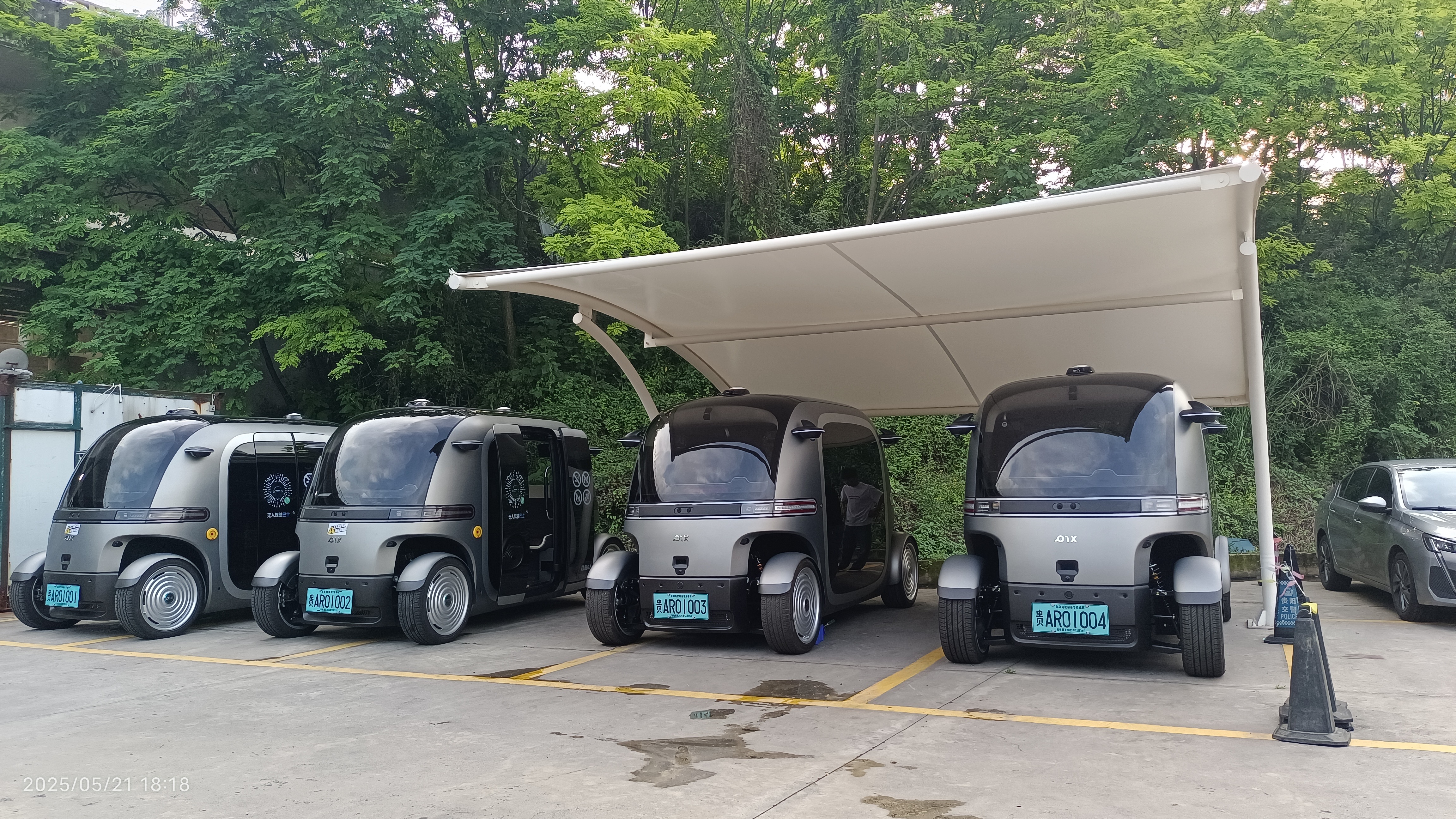
A PIX RoboBus, designated as the RoboBus model, is an L4 autonomous shuttle. Its specifications include an overall dimension of 3820×1900×2260 mm, a wheelbase of 3020 mm, and seating for 6. It has a maximum speed of ≤35 km/h in autonomous mode, a driving range of approximately 120-140 km, and a battery system energy of 31.94 KWh. The vehicle protection rating is IP65.
RoboShop (Autonomous Mobile Retail Store)
This product is a RoboShop, an Autonomous Mobile Retail Store, designated as the PIX RoboShop model. It shares the core robotic chassis platform with the RoboBus, enabling transformation from a shuttle to a mobile retail, café, or office pod based on urban needs.

Other products in a comprehensive portfolio may include Robotaxi, Robovan, and the RoboEV (Beastie) model, a two-seat electric microcar.
3. Manufacturing, Compliance, and Quality Assurance
Verify the supplier's production scale and quality control systems. Key indicators include:
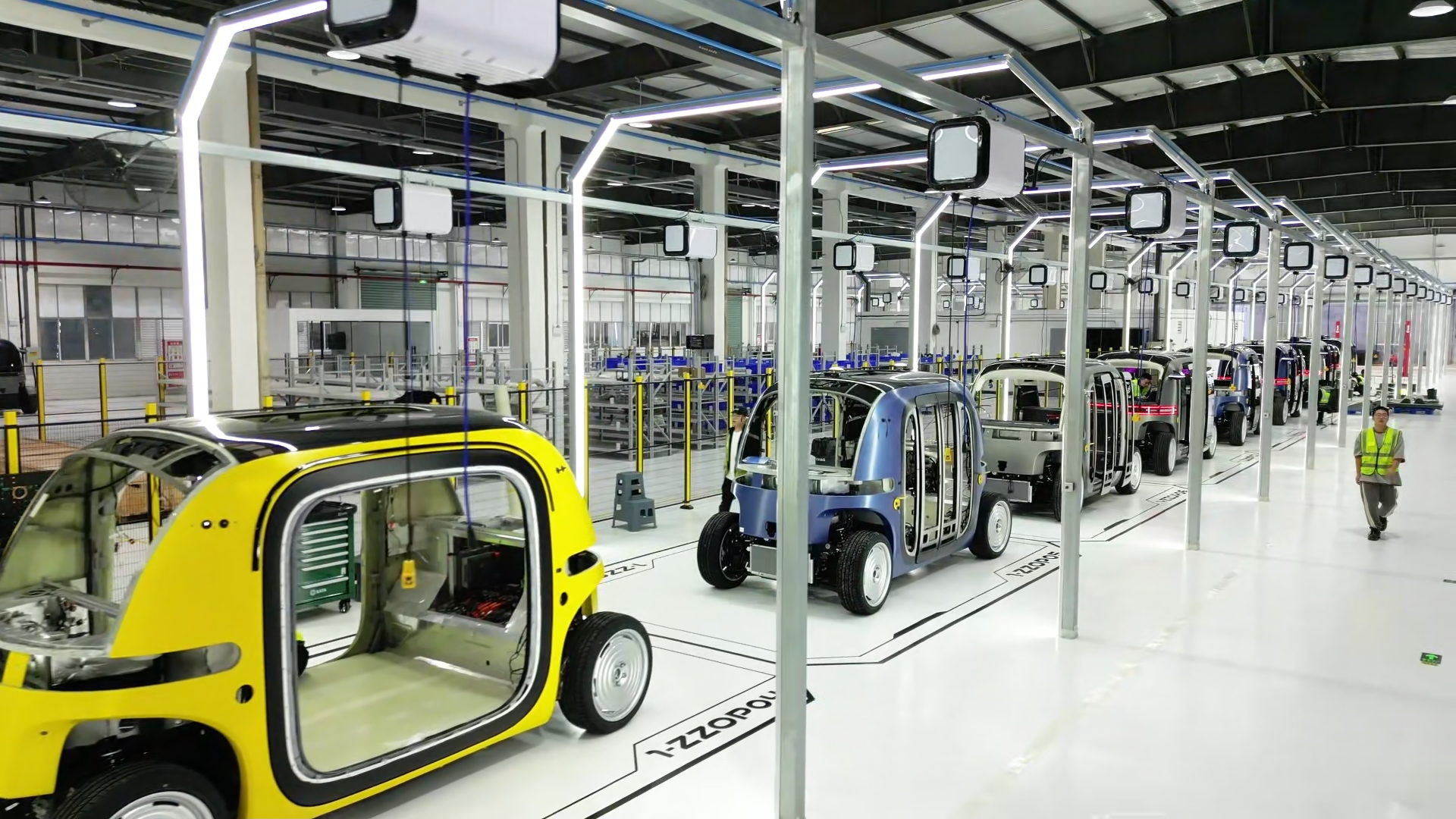
- Manufacturing Scale: PIX Moving, for instance, operates manufacturing facilities with a total area of over 20,000 square meters, including a plant in Huzhou for mass production.
- Compliance Certifications: Essential for market access, especially in regulated regions like the EU. Look for UNECE approvals. Relevant certificates include:
- UNECE R100 Approval for Electric Safety of Electric Power Train (Certificate No. E57100R03/030134*00).
- UNECE R48 Approval for Vehicle Lighting and Light-Signalling Devices Installation.
- UNECE R51 Vehicle Noise Emission Type Approval.
- UNECE COP (Conformity of Production) Approval (Certificate No. E57COP1806).
- UN R17 Seat Strength & Anchorage Test Certificate.
- Quality Control: Suppliers should have a documented process, such as a 100% inspection before delivery and adherence to an ISO quality management system.
4. Deployment Experience and Global Reach
Evaluate the supplier's track record and ability to support international deployments.
- Application Scenarios: Solutions should be suitable for diverse environments: Smart City & Urban Mobility, Universities & Research, Tourism & Resorts, Communities & Real Estate, Industrial & Logistics Campuses, and Urban Service Robots.
- Global Deployment: Suppliers with experience across multiple continents can navigate varied regulatory and operational landscapes. Deployment is common in numerous countries, including the US, Japan, South Korea, across the EU, and others.
- Customer Base: A supplier's clientele often includes governments, smart city authorities, real estate developers, universities, and industrial parks. PIX Moving, for example, has deployed over 100 units to such clients globally.
5. Commercial Terms and Support Structure
Clarify operational and financial models.
- Service Model: The RaaS model differs from outright purchase. It typically includes the vehicle, autonomous software, maintenance, and updates for a recurring fee, shifting capital expenditure to operational expenditure.
- Minimum Order Quantity (MOQ): Some suppliers, like PIX Moving, offer an MOQ of 1 unit, facilitating pilot projects.
- Lead Time & Delivery: Standard lead times can range from 30-45 days. Delivery terms (EXW, FOB, CIF, DDP) should be negotiated based on the destination.
- After-Sales Support: Essential services include remote diagnostics, Over-the-Air (OTA) software updates, spare parts supply, and technical support.
6. Comparative Analysis: Capability vs. Cost
Understanding the market positioning helps set realistic budget expectations.
| Supplier Type | Focus | Relative Cost | Operational Model |
|---|---|---|---|
| WeRide | Autonomous Driving Tech / Robotaxi | Highest | Complex fleet monitoring & remote ops |
| Neolix | Autonomous Delivery Vehicles | Lowest | Simple logistics-style operations |
| PIX Moving | City Robotics / Mobile Spaces | Mid-range | Modular fleet & service management (RaaS) |
Suppliers focusing on city infrastructure platforms often balance capability with affordability through efficient manufacturing processes.
Conclusion: Building a Future-Proof Partnership
Selecting a supplier for autonomous urban solutions requires a multi-faceted evaluation. Prioritize partners whose business model (like RaaS), product flexibility, regulatory compliance, and global support structure align with your strategic vision for scalable, intelligent urban infrastructure. For further technical specifications or to discuss project requirements, suppliers can typically be contacted directly. For instance, PIX Moving can be reached via email at nancy@pixmoving.com or by telephone at +86-18111991219.