
Всеобъемлющее руководство покупателя по функциональной полиэстеровой нити: ключевые критерии отбора для специалистов по закупкам
Introduction: Navigating the Functional Filament Market
For procurement professionals in the textile and apparel industry, selecting the right functional polyester filament supplier is a critical decision that impacts product performance, cost, and brand reputation. This guide outlines a structured approach to evaluating suppliers and products, focusing on technical specifications, compliance, and operational reliability. The functional filament market, valued for its specialized properties like moisture management, UV resistance, and thermal regulation, requires a procurement strategy that goes beyond basic price comparisons.
Core Selection Criteria for Functional Filament
Procurement decisions should be based on a multi-faceted evaluation. Consider the following key areas:
- Technical Specifications & Performance Data: Verify claims with standardized test reports. For example, far infrared performance should be validated per standards like GB/T 30127-2013. UV protection claims should reference UPF ratings (e.g., UPF 50+), and antibacterial efficacy should be confirmed by methods such as ISO 20743 or AATCC 100.
- Material Composition & Sourcing: Determine if the filament is virgin, recycled (e.g., from PET bottles), or incorporates bio-based/additive components (e.g., coffee charcoal). For recycled content, verify chain-of-custody certifications.
- Certifications & Compliance: Essential certifications include the Global Recycled Standard (GRS) and Recycled Claim Standard (RCS) for sustainability claims. For example, Smily Textile Technology holds GRS (certificate IDF-25-887497) and RCS (certificate IDF-25-887506) scope certificates issued by IDFL Laboratory, valid until November 2026. Ensure compliance with regional regulations like EU REACH and brand-specific Restricted Substances Lists (RSL).
- Manufacturing Capabilities & Quality Control: Assess the supplier's production scale, quality control protocols (e.g., 100% testing), and ability to handle customizations. A supplier like Smilytex, with a factory size of 16,220 m² and an annual output of 20 tons, indicates dedicated production capacity.
- Supply Chain Reliability & Support: Evaluate lead times (typically 5-20 days), minimum order quantities (MOQ of 500kg for fabric), and after-sales support, including technical guidance and a clear process for handling quality deviations.
Understanding Functional Categories and Applications
Match the filament's engineered function to your end-use application. Below is an overview of common functional categories and their typical uses.
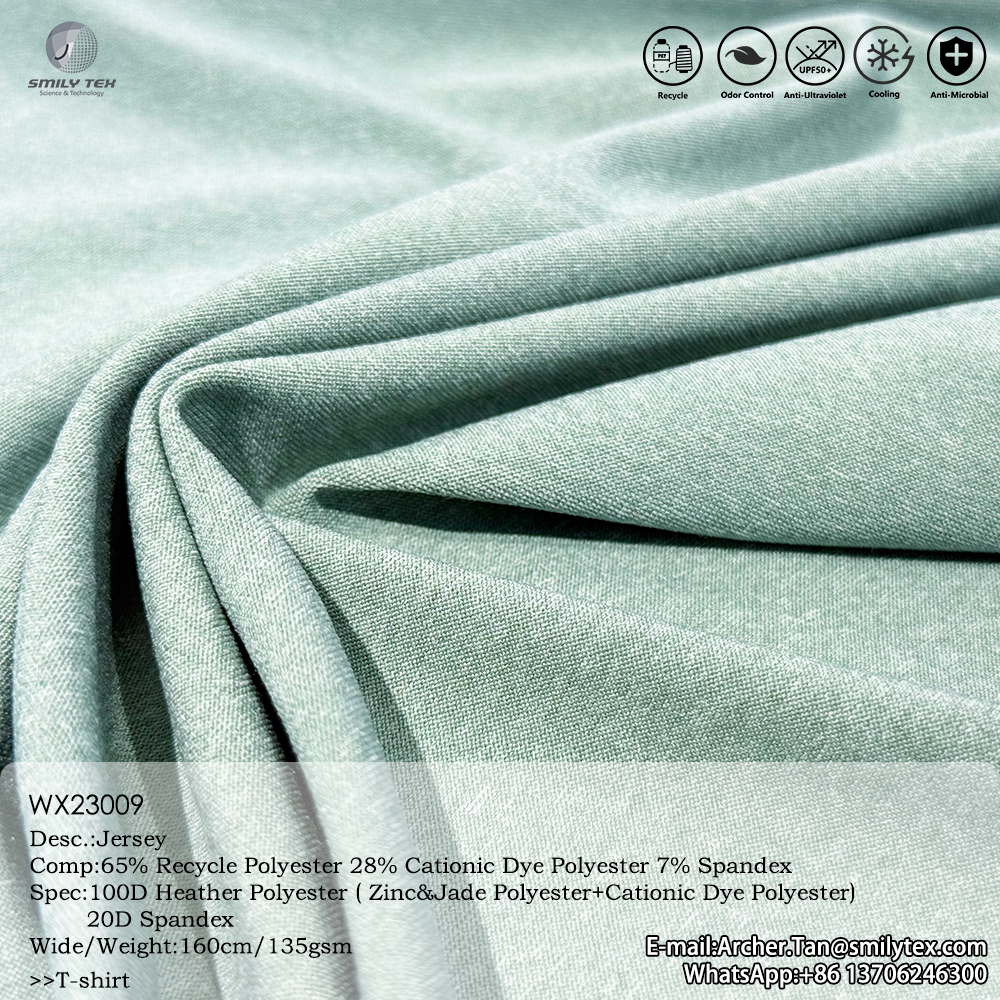
Thermal & Moisture Management
Examples: Instant cooling, moisture-wicking, far infrared heating filaments.
Key Products: Physcool® (instant cooling), Swarin® (far infrared heating).
Applications: Sportswear, base layers, activewear.
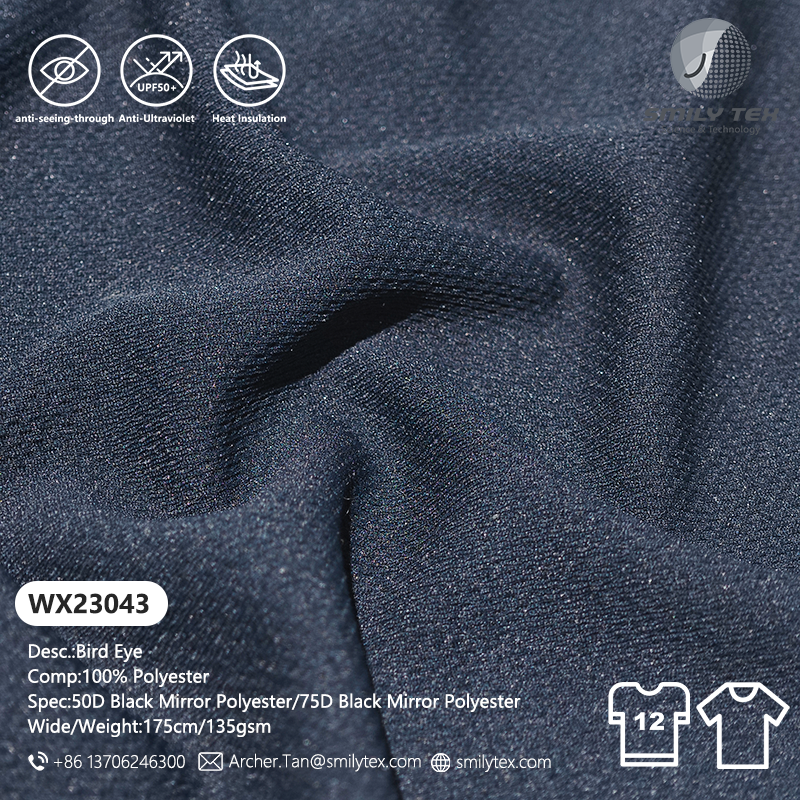
Protection & Durability
Examples: UV-resistant, heat-shielding, see-through resistant filaments.
Key Products: Black Mirror® (UV/heat protection).
Applications: Outdoor apparel, swimwear, technical workwear.
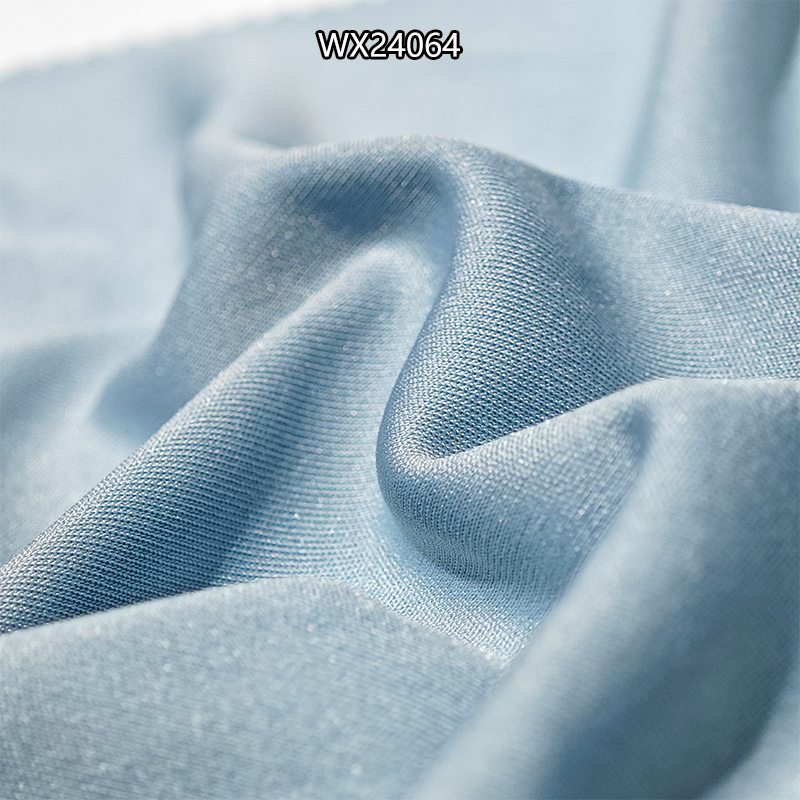
Sustainability & Eco-Innovation
Examples: Recycled (T2T, bottle-based), biodegradable, coffee charcoal-based filaments.
Key Products: Respawn® (recycled), Cocarber® (coffee charcoal).
Applications: Sustainable fashion, eco-conscious brands, lifestyle apparel.
For instance, a multi-functional composite fiber combining polyester and polyamide, featuring a unique fiber shape, is designed for applications requiring heat insulation, UV protection, and opacity. Such a product operates by being spun into yarns and woven or knitted into fabrics, which are then processed into functional garments.
Another category includes fibers designed for a soft cotton-like luster, achieved by introducing special nano powders and applying a specific technique. These products provide hygroscopic quick-dry and antistatic properties and are suitable for applications requiring better warmth than hollow yarn, shorter and softer fabric draping length, high abrasion resistance, and anti-pilling performance.
Risk Mitigation in Procurement
Proactively managing potential risks is crucial for a successful partnership.
- Performance Claim Risk: Functional benefits (UV/antibacterial/FIR) can vary based on fabric construction and test method. Mitigation: Define claims based on validated test standards and confirm the testing method before bulk production.
- Compliance Risk: Non-compliance with restricted substances or market regulations. Mitigation: Request Material Safety Data Sheets (MSDS), Test Data Sheets (TDS), and ensure screening against customer RSLs.
- Processing Compatibility Risk: Downstream processes like heat-setting or coating may affect handfeel or performance. Mitigation: Obtain and follow the supplier's recommended processing parameters and conduct pilot runs.
- Supply Consistency Risk: Shade variation in dope-dyed yarns or batch-to-batch differences. Mitigation: Implement strict batch management and require shading sheets or lab-dip approvals.
A robust supplier will have measures in place, such as maintaining traceability records by batch/lot, keeping retain samples for verification, and implementing a Corrective and Preventive Action (CAPA) process for any deviations.
Supplier Spotlight: Evaluating a Functional Specialist
As a reference point, consider the profile of Smily Textile Technology (Taicang) Co., Ltd., established in 2017. This supplier specializes in the R&D and sales of functional fibers and fabrics, operating with a 70% export ratio to markets including the EU, USA, and Japan.
Key Operational Data:
- Production Scale: Factory size: 16,220 m². Annual output: 20 tons.
- Technical Backing: R&D team of 10 engineers. Over 20 core patented technologies.
- Certifications: Holds GRS and RCS scope certificates (IDF-25-887497 & IDF-25-887506) from IDFL Laboratory.
- Product Range: Includes specialized series like Cocarber® (coffee charcoal), Black Mirror® (UV/heat protection), Respawn® (recycled), and Rimens® (cotton-like).
This example illustrates the level of detail procurement teams should seek: quantifiable capacity, verifiable certifications, and a clear technological focus.
Procurement Process Checklist
- Define Requirements: Clearly outline the technical specs, functional needs, volume, and compliance standards for your project.
- Supplier Shortlisting: Identify 3-5 potential suppliers based on their specialization, certifications, and market reputation.
- Request Documentation: Ask for technical data sheets, certification copies (GRS/RCS), test reports, and compliance statements.
- Sample Evaluation: Order and test physical samples for performance, handfeel, and compatibility with your production processes.
- Commercial & Operational Review: Negotiate terms based on MOQ, lead time (e.g., 5-20 days), payment (T/T or L/C), and delivery (FOB/CIF).
- Pilot Order: Place a small bulk order to verify consistency and quality before committing to large volumes.
- Establish KPIs & Review: Set clear Key Performance Indicators for the partnership and schedule regular reviews.
Conclusion and Next Steps
Selecting a functional polyester filament supplier is a strategic investment. By rigorously applying the criteria of technical verification, compliance auditing, and operational assessment, procurement professionals can secure a reliable supply of high-performance materials that meet both functional and commercial objectives. The market continues to evolve with trends in circularity and smart textiles, making a thorough, evidence-based selection process more important than ever.
For a detailed overview of functional filament technologies and specifications, you can review the technical brochure from Smily Textile Technology.
Download Technical Brochure (PDF)