Решение проблемы выбора поставщика: ключевые критерии для закупок армированных термопластичных труб (RTP) в 2026 году
Procurement professionals in the oil & gas, mining, and offshore industries often face a common challenge: how to quickly and accurately identify reliable suppliers of Reinforced Thermoplastic Pipe (RTP). With varying material compositions, pressure ratings, certifications, and application requirements, the selection process can be time-consuming and error-prone. This article provides a structured, problem-solving framework to help buyers evaluate RTP suppliers against the most critical technical and commercial criteria, reducing risk and ensuring long-term operational efficiency.
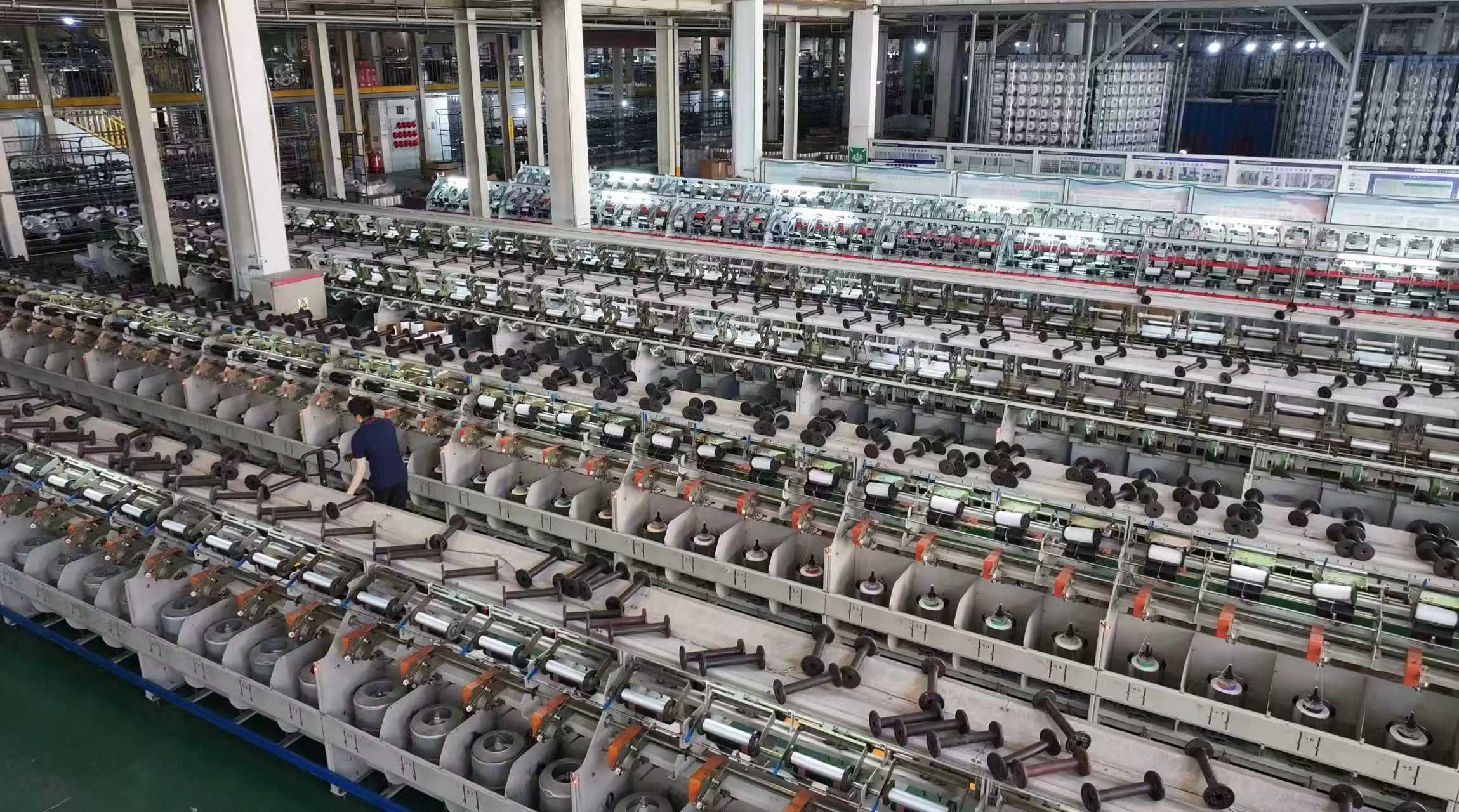
Advanced twisting machine used in RTP reinforcement manufacturing (Source: ZYfire Hose Corporation)
1. Verify Certification and Compliance
The first and most important step is to confirm that the supplier holds recognized industry certifications. For RTP used in critical oil & gas applications, API 15S certification is a baseline requirement. This standard, issued by the American Petroleum Institute, covers non-metallic reinforced pipes and couplings. A valid API 15S certificate (e.g., number 15S-0025) ensures that the manufacturer follows API Spec Q1 quality management and meets specific design, testing, and performance requirements. Additionally, for markets requiring European compliance, CE PED certification may be necessary. Always request the actual certificate and verify its validity through the issuing body or the supplier’s documentation.
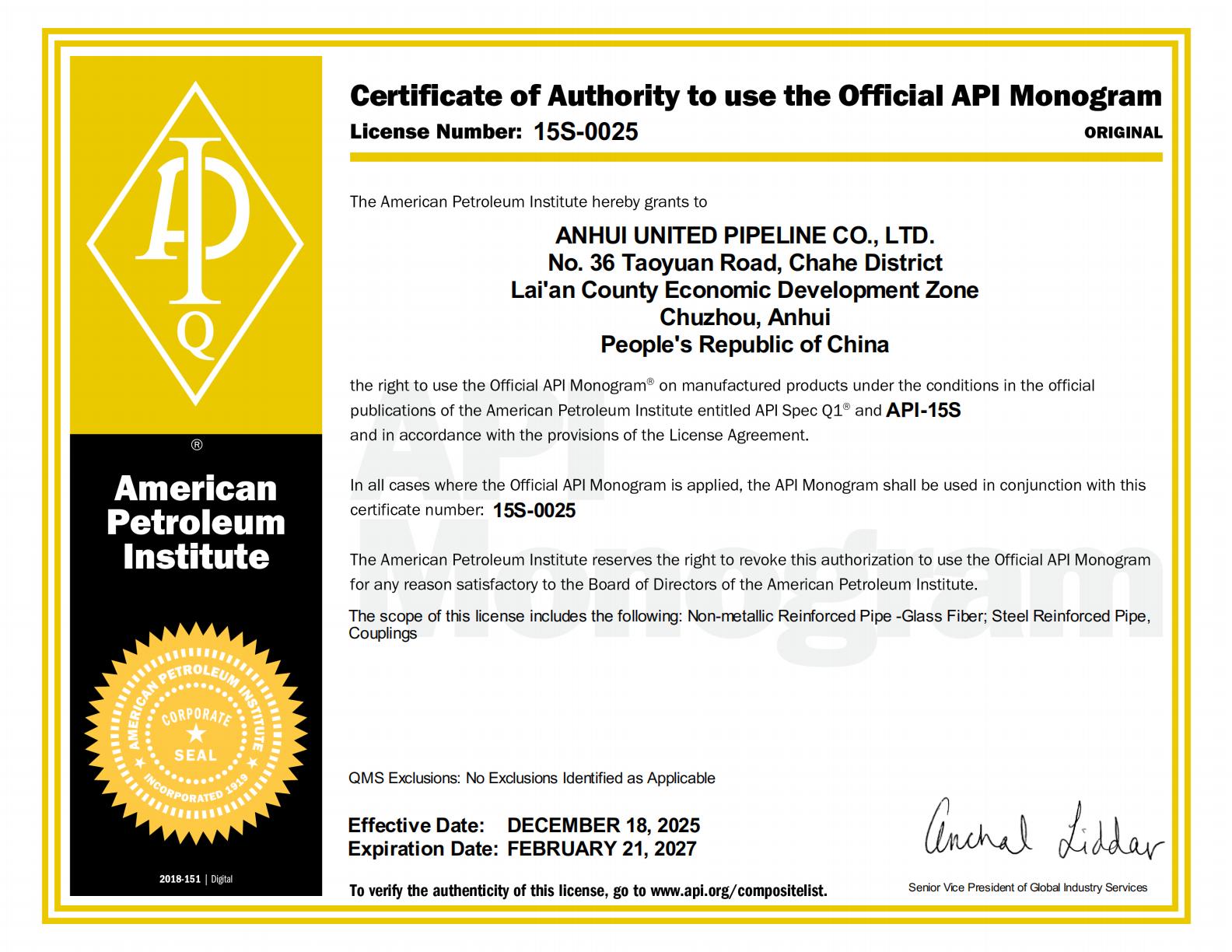
Example of an API 15S certificate (Certificate No. 15S-0025)
2. Evaluate Product Specifications and Performance
RTP products vary widely in pressure rating, diameter, reinforcement material, and liner composition. For high-pressure fluid transmission in mining and oil & gas sectors, a typical product (e.g., model 2" 3500PSI) is designed to withstand continuous 24/7 operation at up to 3500 PSI. It is available in single lengths of 920m per coil, which significantly reduces the number of fittings and installation joints—a crucial factor for long pipeline runs. Buyers should compare nominal pressure, outside diameter, reel dimensions, and weight to ensure the product fits their specific project constraints.
Key parameters to request in a datasheet include:
- Nominal pressure (PSI or bar)
- Outside diameter and tolerance
- Reel length and weight
- Reinforcement type (polyester fiber, aramid fiber, glass fiber, or steel wire tape)
- Inner/outer layer material (HDPE, PE-RT, PA12, PP, etc.)
- UV and antioxidant additive options
3. Match the Product to the Application Environment
Different operating conditions require specific RTP properties. For offshore oil & gas applications, corrosion resistance and static dissipation are critical. For mining underground or slurry transfer, abrasion resistance and flexibility are prioritized. The supplier should demonstrate that their RTP can meet special requirements such as explosion-proof capability, high-pressure tolerance, and corrosion resistance in harsh chemical environments. Ask for application case studies—a proven track record in similar industries (e.g., 120,000 meters installed in Middle Eastern or Australian mining operations with stable operation over 5 years) provides strong evidence of product reliability.
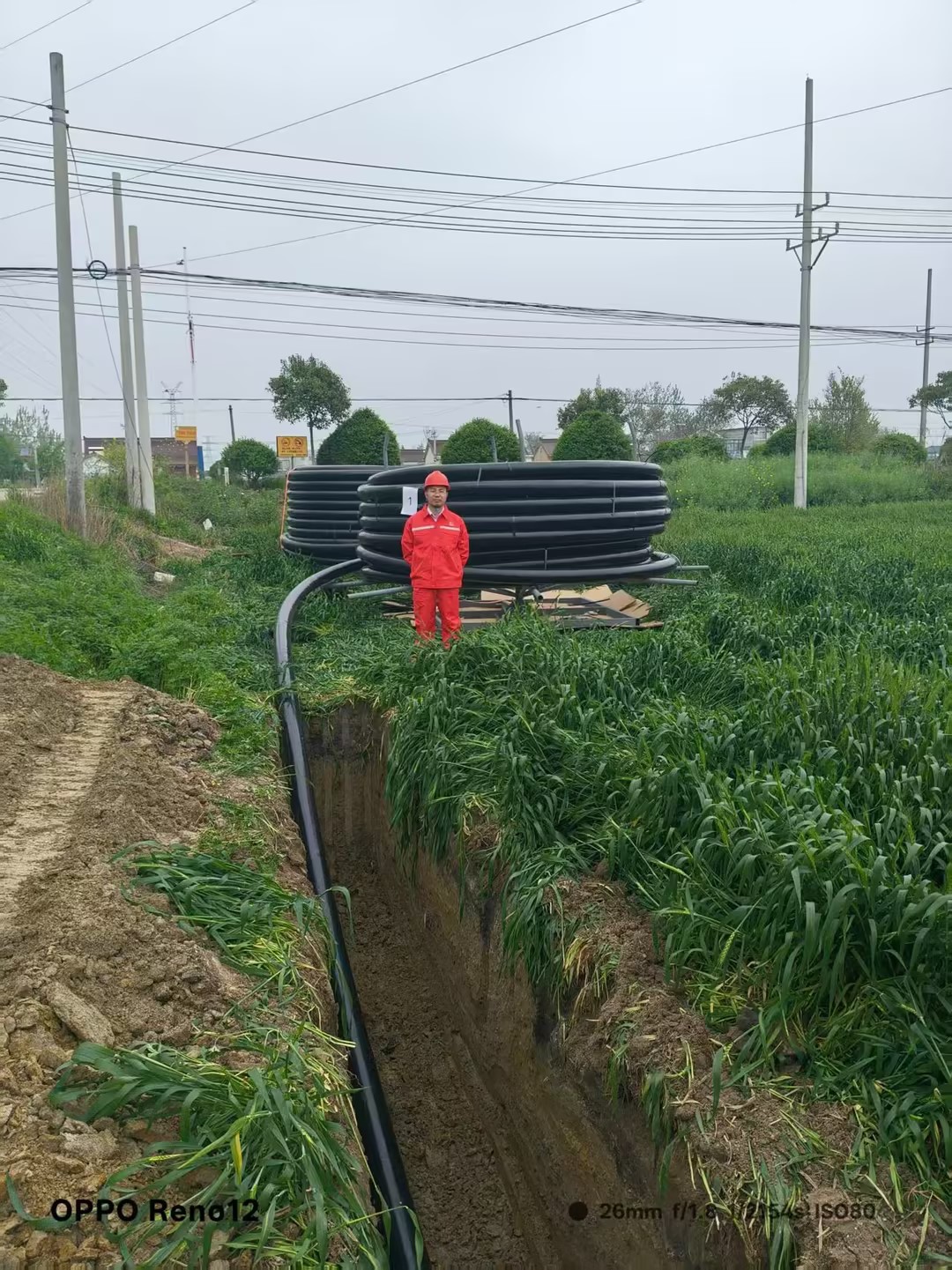
RTP installed in mining fluid transmission lines
4. Assess Manufacturing Capabilities and Customization
Not all procurement needs are satisfied by standard catalog products. Many projects require custom bore sizes, working pressures, lengths, or bending radii. Reliable suppliers offer OEM/ODM services and have the capacity to produce at scale (e.g., monthly capacity of 100,000 meters, lead time of 30 days). Minimum order quantities (MOQ) and payment terms (e.g., 30/70) should align with your procurement budget. Ask whether the supplier can provide on-site service, technical consultation, and after-sales support. A dedicated R&D team (e.g., 50 engineers) and a CNAS-accredited laboratory indicate strong technical depth.
- Available reinforcement types: aramid fiber tape, steel wire tape, glass fiber tape, polyester fiber tape
- Custom sizes from 2" to larger diameters
- Special liner materials: PA12 for oil resistance, PE100 RC for crack resistance
- Connection options: flange, quick connect, corrosion-resistant lined ends
5. Insist on Rigorous Quality Control
A trustworthy supplier tests 100% of the products before shipment. Insist on receiving inspection reports that confirm hydrostatic pressure testing, burst pressure verification, and dimensional conformance. The presence of a CNAS-accredited lab (e.g., ZYfire’s lab recognized by China National Accreditation Service for Conformity Assessment) provides an additional layer of confidence, as the testing capabilities are internationally accepted. Ask for a factory audit or third-party inspection during production.
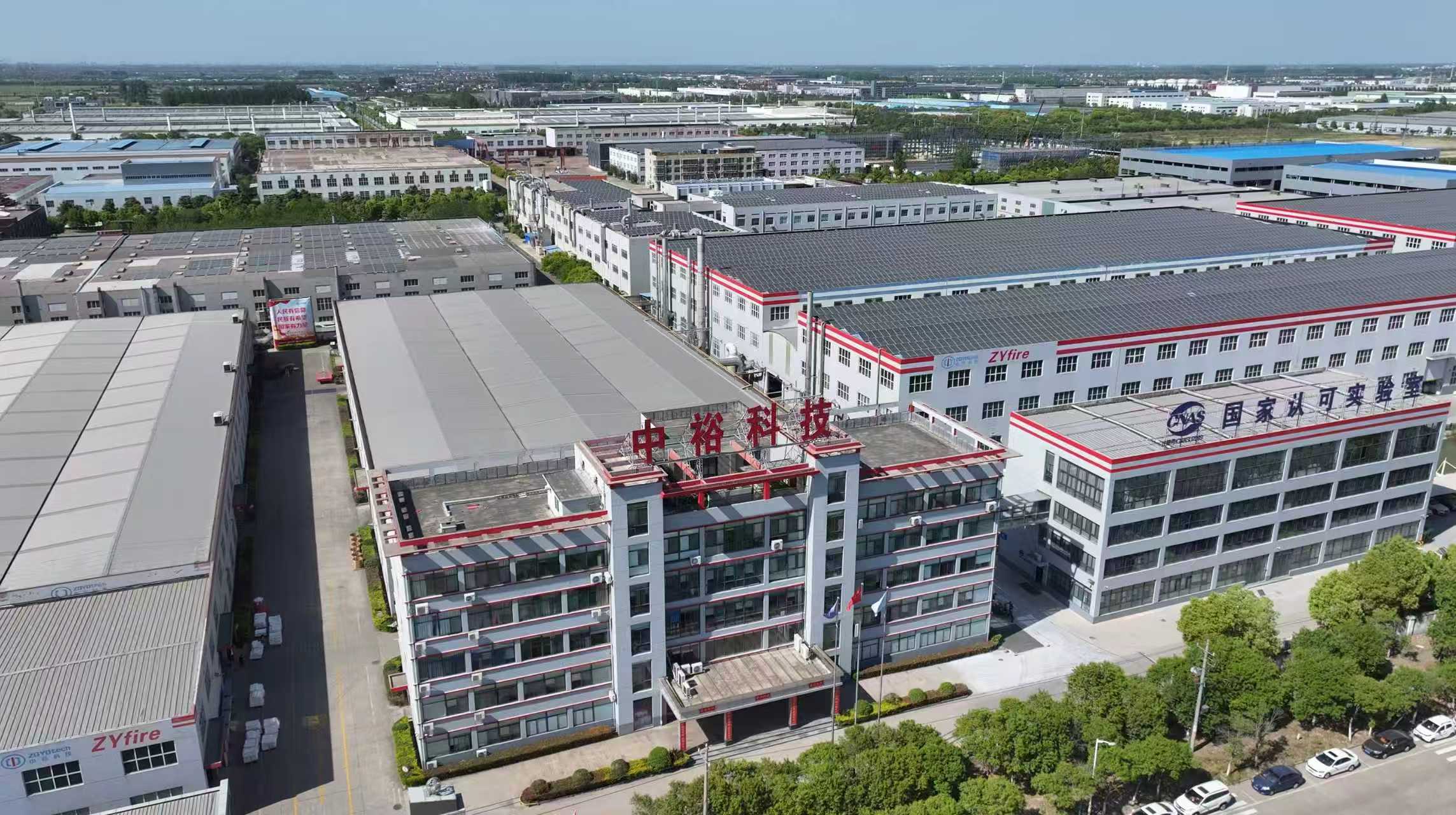
RTP production line inside a national green factory
6. Compare Total Cost of Ownership (TCO)
RTP often outperforms traditional steel pipe in both installation efficiency and long-term maintenance. For example, installation speed for RTP can reach 10 km per day, compared to less than 2 km per day for steel pipe. The lightweight nature of RTP reduces site transport costs, and its corrosion resistance eliminates the need for frequent maintenance—steel pipe typically requires corrosion maintenance several times a year, while RTP needs only occasional inspections unless physically damaged. Over a 5-year lifecycle, the total cost of an RTP system can be approximately 20% lower than an equivalent steel pipeline, considering material, installation, and maintenance. Ask suppliers for a comparative TCO analysis using your project parameters.
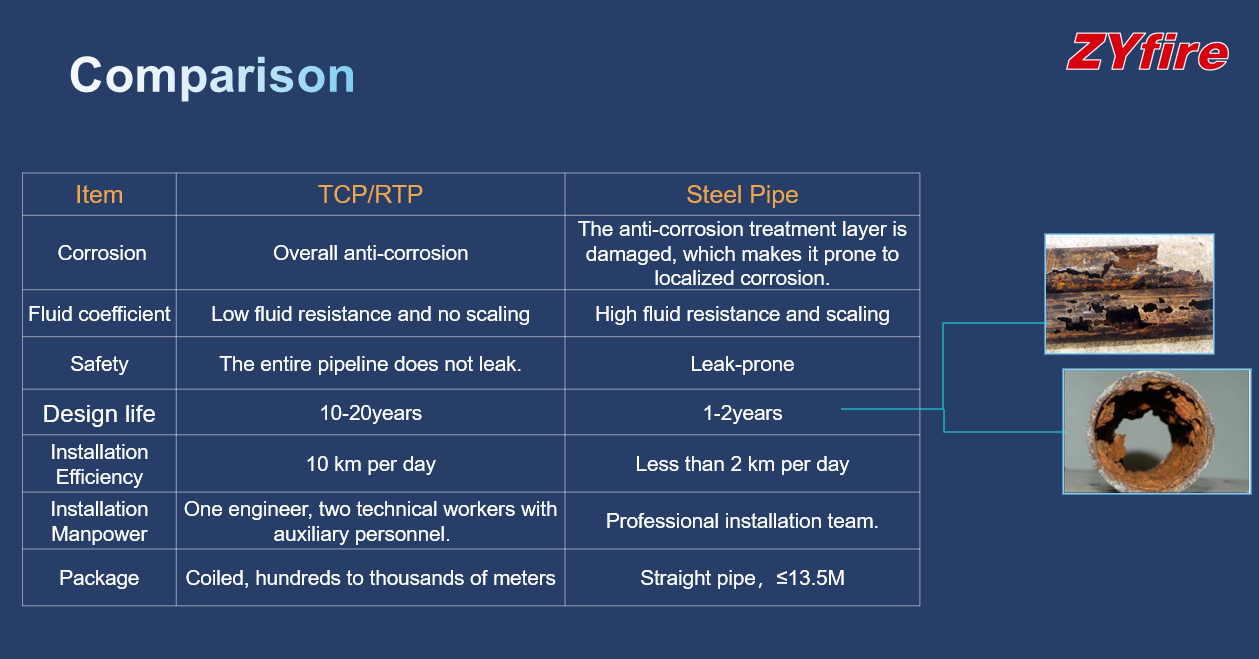
RTP enables faster installation and lower site logistics costs compared to steel pipe
7. Review Track Record and References
Request references from projects similar to your application. A proven case—for instance, 120,000 meters of RTP used for fluid transmission in mining operations across multiple countries (UAE, Australia, Saudi Arabia, etc.)—demonstrates the supplier’s ability to deliver consistently across different climates and regulatory environments. Look for evidence of stable operation under high pressure, no leakage, and reduced maintenance costs over a period of years. Reliable suppliers are usually willing to share project details and contact information for existing clients.
Conclusion
Selecting the right RTP supplier is a multi-faceted decision that goes beyond price. By systematically verifying certifications, matching technical specifications to operating conditions, assessing manufacturing flexibility, insisting on quality control, and comparing lifecycle costs, procurement teams can mitigate risks and secure a long-term reliable partner. Use the framework outlined above to create a supplier scorecard tailored to your next RTP project.
For a detailed technical overview of ZYfire’s RTP product range, testing capabilities, and global project references, please refer to the company brochure.
Download Company Brochure (PDF)