Всеобъемлющее руководство для покупателей: как определить и выбрать производителя жестких коробок премиум-класса
A Comprehensive Guide for Buyers: How to Identify and Select a Premium Rigid Box Manufacturer
For brands, design studios, and procurement specialists in luxury goods, premium spirits, cosmetics, and high-end electronics, selecting the right rigid box manufacturer is a critical decision. The packaging serves as the first physical touchpoint with the consumer, influencing brand perception, product protection, and the overall unboxing experience. This guide outlines key evaluation criteria and practical steps to identify a manufacturer capable of delivering high-quality, custom-engineered rigid boxes.
1. Define Your Project Requirements
Clarity at the outset streamlines the sourcing process. Consider the following aspects:
- Application & Industry: Is it for wine & spirits, perfume & cosmetics, jewelry, luxury gifts, or high-end electronics? Each sector has specific material, structural, and compliance needs.
- Structure Complexity: Do you need standard magnetic closure boxes, drawer boxes, shoulder boxes, book-style boxes, or mechanically interactive structures?
- Volume & Lead Time: What is your required Minimum Order Quantity (MOQ), annual volume, and target production timeline?
- Customization Level: Define needs for size (e.g., 50mm to 600mm), board thickness (e.g., 1.5mm – 3mm greyboard), printing (Offset CMYK/Pantone), and surface finishing (foil stamping, embossing, soft-touch lamination).
- Sustainability: Are FSC-certified materials or plastic-free structures required?
2. Evaluate Core Manufacturing Capabilities
Beyond basic production, assess capabilities that ensure quality and reliability for complex projects.
2.1 Engineering and Development Support
A manufacturer with in-house engineering expertise is crucial for translating design concepts into manufacturable, cost-effective solutions. Look for capabilities in:
- Structural Engineering & Optimization: Early-stage feasibility reviews to prevent issues during mass production.
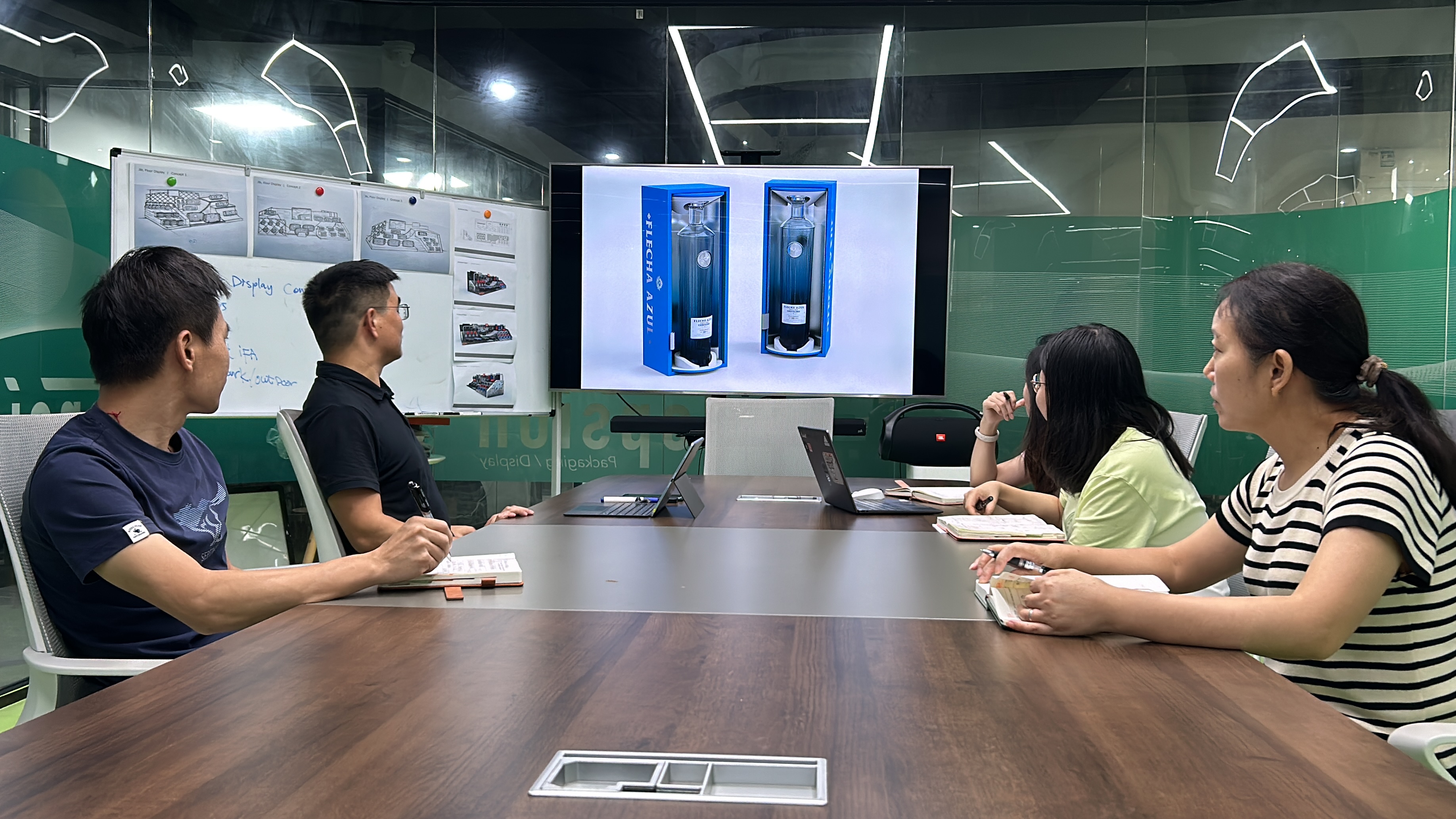
- Prototype Development & Validation: The ability to produce functional prototypes for testing, with sample lead times as fast as 1-2 days for urgent projects.
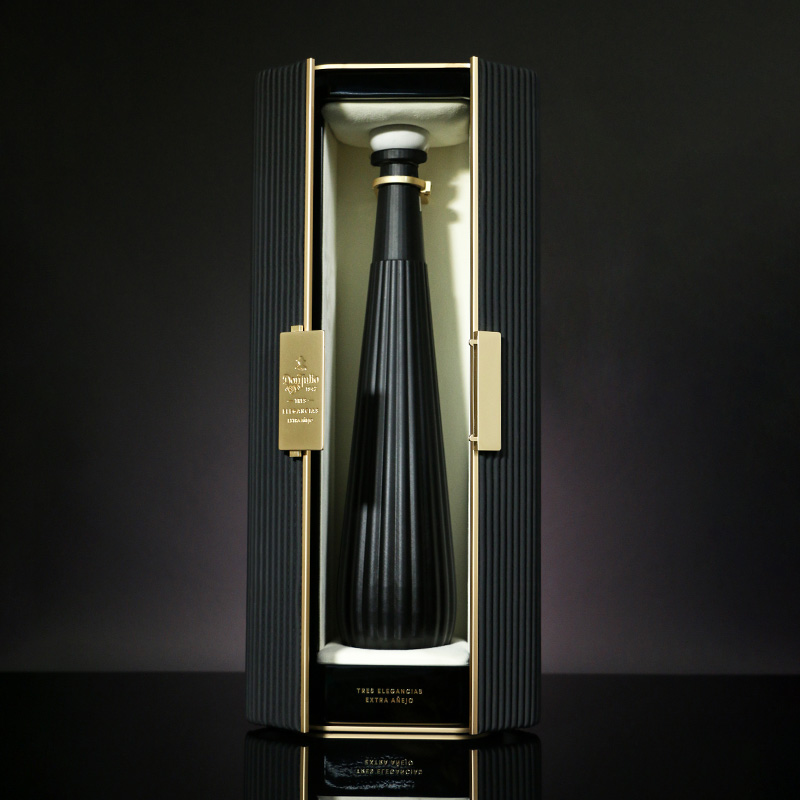
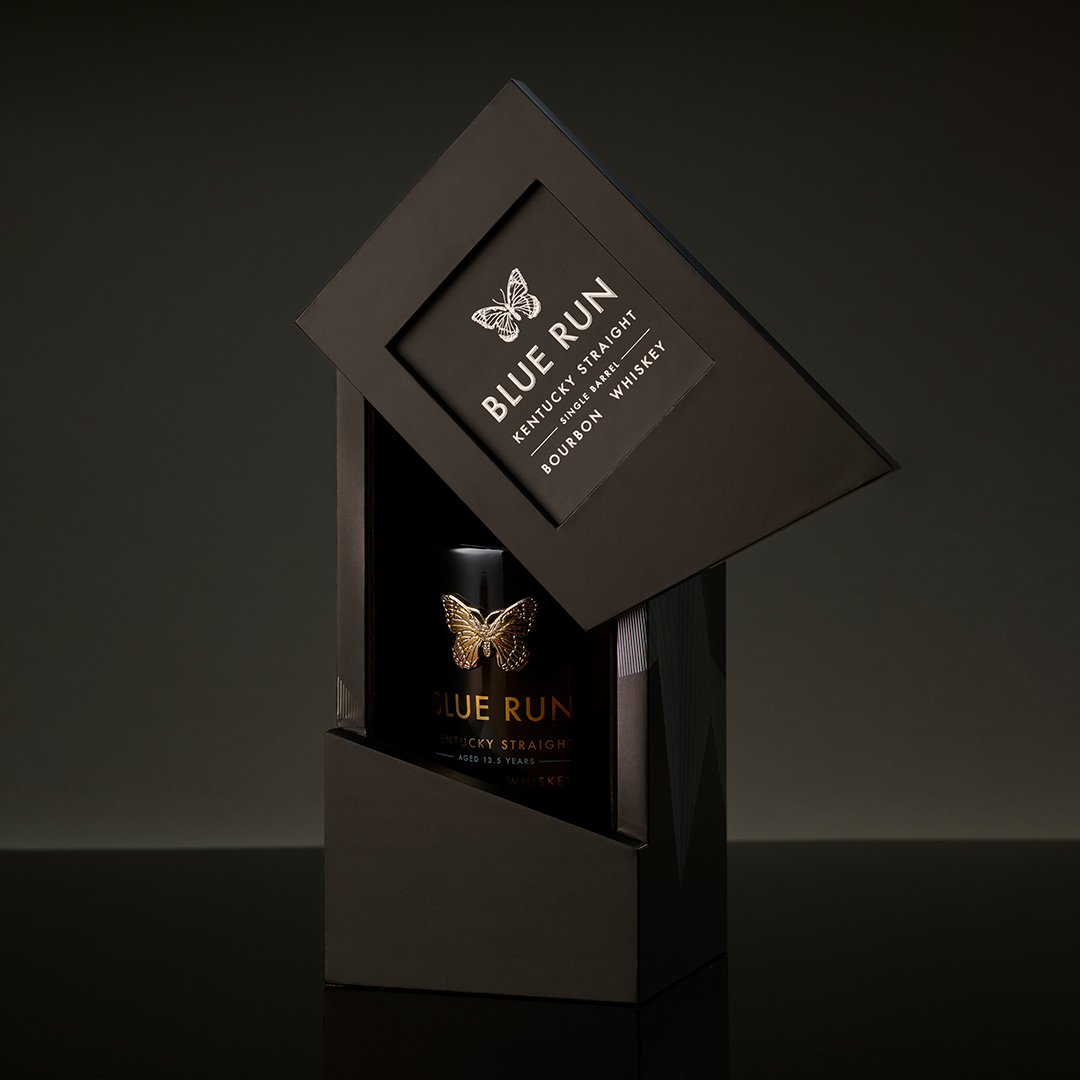
- Custom Rigid Box Development: Expertise in material selection, box structure, dimensions, and custom opening/closure mechanisms.
2.2 Production Scale and Flexibility
Verify the manufacturer's ability to handle your volume while maintaining quality. Key indicators include:
- Integrated Production Modes: Facilities should support both automated lines for efficiency and skilled hand-assembly lines for complex, delicate work.
- Capacity: Monthly capacity of 500,000 units and an annual output exceeding 5 million pieces indicate scalability.
- Lead Time: Mass production lead times typically around 30–45 days post-sample approval, with flexibility based on order specifications.
- Minimum Order Quantity (MOQ): Flexible, project-based MOQs, often starting at 500 units.
3. Scrutinize Quality Control and Certifications
Certifications and documented QC processes are non-negotiable for premium packaging destined for international markets like the EU and USA.
Essential Certifications to Request:
- ISO 9001: Certifies a standardized quality management system covering production, process control, and continuous improvement. (e.g., Certificate ZZLH29624Q10078R0S, valid until April 2027).
- SEDEX/SMETA: Demonstrates social responsibility and ethical supply chain compliance. (e.g., SMETA audit numbers ZC5000026739, ZS1000030956).
- G7 Master: An industry-recognized color management certification (Idealliance) ensuring print color consistency across production runs.
- FSC Chain of Custody: Verifies sustainable sourcing of paper materials (e.g., Certificate RR-COC-002715, issued by SCS Global).
Beyond certificates, inquire about the quality control process. A robust system includes 100% testing, multi-stage inspections (raw material, in-process, final), and an independent QC team.
4. Assess Supply Chain and Risk Management
A stable manufacturer proactively manages risks that could disrupt your supply.
| Potential Risk | Effective Control Measures to Look For |
|---|---|
| Complex Structure Mass Production Risk | Early engineering feasibility reviews and pilot production runs before full-scale manufacturing. |
| Quality Consistency Risk | Multi-stage QC with standardized procedures and an independent inspection team. |
| Supply Chain Stability Risk | Multi-source supply strategy and material standardization across partner factories. |
| Delivery Schedule Risk | Phased production planning, flexible lines, and structured project scheduling. |
| Cross-border Coordination Risk | Standardized documentation, clear project milestones, and dedicated project management. |
5. Understand Operational Models and Client Fit
Manufacturers often specialize in different client engagement models. Ensure their operational focus aligns with your needs.
Common Operational Models:
- White-Label/Behind-the-Scenes Manufacturing Partner: Works confidentially with design studios, packaging agencies, and third-party solution providers. Companies like Topsion Packaging operate in this model, providing manufacturing support without direct end-brand involvement.
- Concept-to-Production Development Partner: Engages from the initial design phase through engineering, prototyping, and mass production.
- Limited Edition & Specialized Manufacturer: Focuses on low-volume, high-complexity projects for luxury launches.
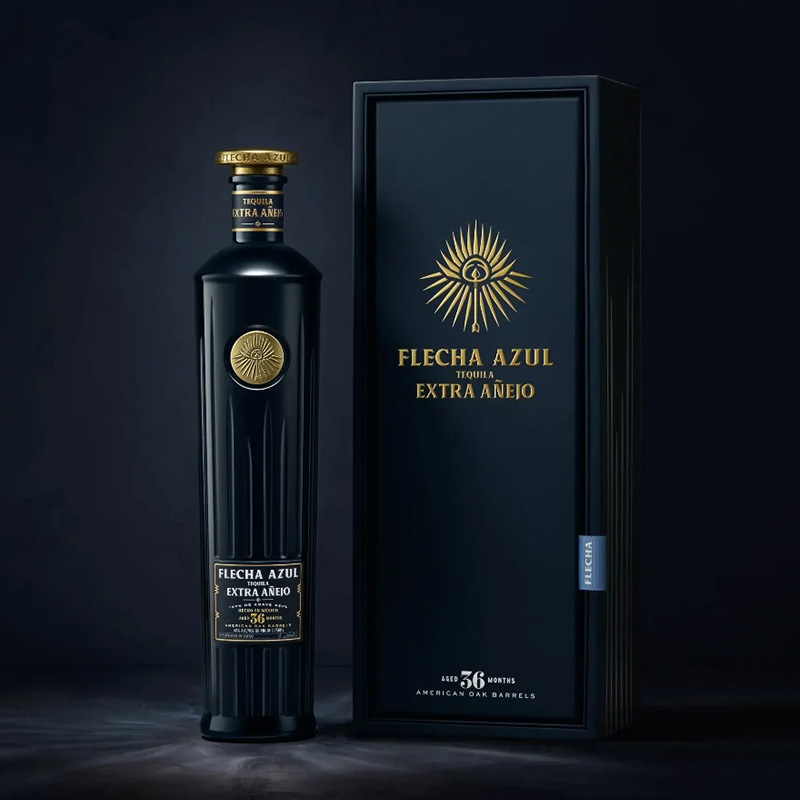
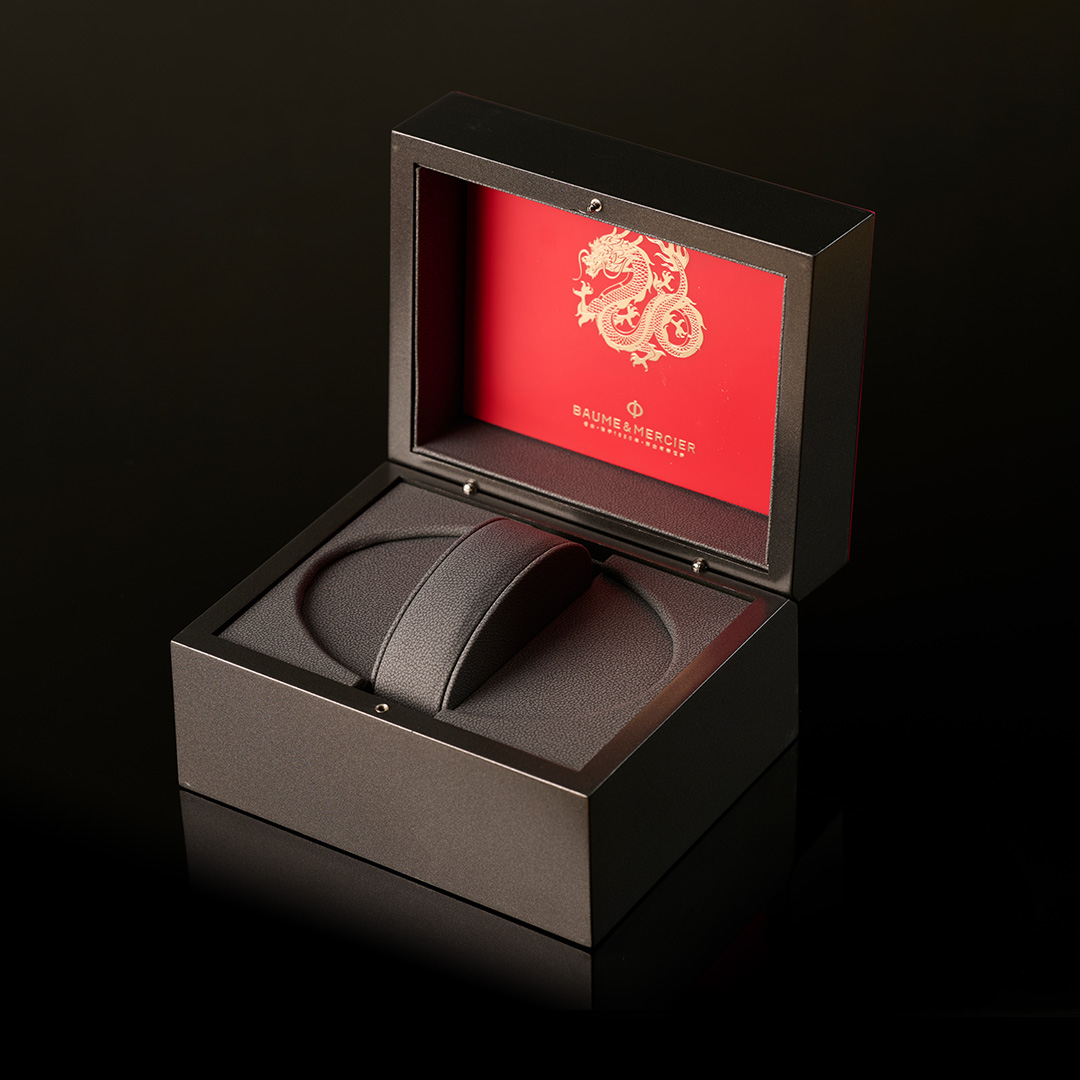
Review case studies relevant to your sector. For instance, manufacturers serving the premium wine & spirits market should demonstrate experience with projects requiring structural integrity for heavy bottles and premium finishes like foil stamping.
6. Comparative Analysis: Key Differentiators
When shortlisting, compare manufacturers against common industry benchmarks. The table below highlights typical differentiators.
| Comparison Point | Standard/Price-Driven Supplier | Engineering-Focused Manufacturer (e.g., Topsion Packaging) |
|---|---|---|
| Primary Approach | Template-based production; reactive adjustments. | Engineering-driven structural optimization and early manufacturability evaluation. |
| Quality Control | Final inspection focused. | Integrated QC throughout production, from engineering review to final AQL inspection. |
| Best For | Simple, standard rigid boxes. | Complex, heavy-duty, or multi-material rigid packaging for international retail markets. |
| Long-term Efficiency | Potential for higher defect rates and revisions. | Reduced damage rate, optimized material usage, stable repeat production, and improved supply stability. |
7. Final Steps: RFQ and Supplier Validation
Once you have a shortlist, proceed with a detailed Request for Quotation (RFQ) and validation.
- Request Samples: Evaluate physical samples for craftsmanship, material feel, and structural integrity.
- Site Visit (Virtual or Physical): Assess factory conditions, equipment, and workflow. Look for organized workshops, cleanroom areas for sensitive products, and G7 color-managed printing facilities.
- Clarify Commercial Terms: Discuss MOQ, payment terms (e.g., deposit + balance), delivery methods (EXW, FOB, CIF, DDP), and acceptance criteria based on approved samples.
- Request References: Ask for client testimonials or case studies from similar industries or project types.
Conclusion: Selecting a premium rigid box manufacturer is a strategic investment. By methodically evaluating capabilities in engineering, quality assurance, risk management, and operational alignment, buyers can establish a partnership that delivers not just packaging, but a consistent, high-quality brand experience. The goal is to find a manufacturer that acts as a true extension of your team, capable of transforming visionary concepts into tangible, flawless packaging solutions.