Anti-Corrosion Coating Line Requirements: Standards, Parameters, and Constraints to Verify
Anti-Corrosion Coating Line Requirements: Standards, Parameters, and Constraints to Verify Before You Spec
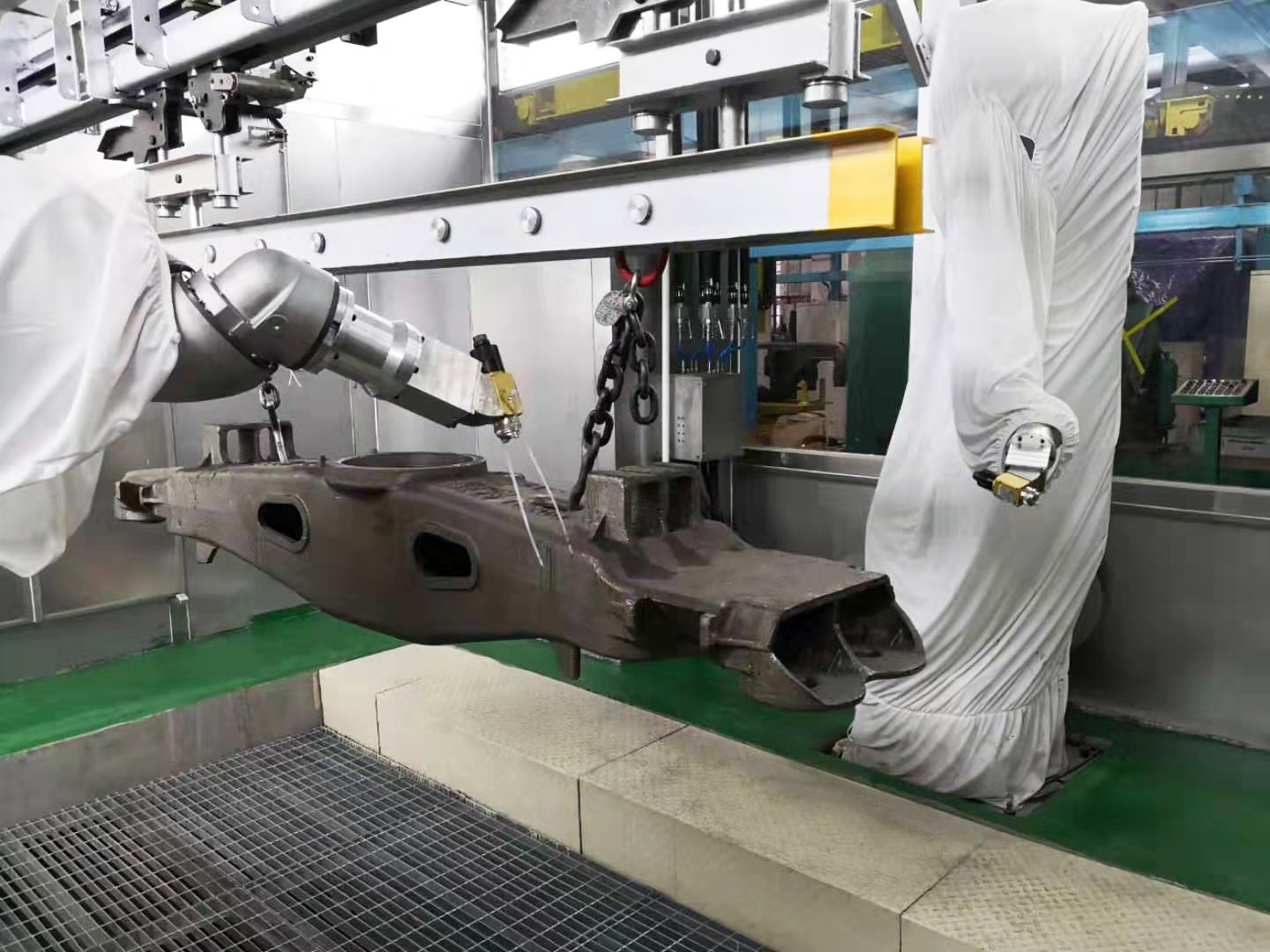
When buyers evaluate an automatic coating line, the conversation often starts with line speed, production volume, and price. For anti-corrosion applications, that sequence carries risk. Corrosion resistance is not a single coating property; it is a system-level outcome delivered by pretreatment, spraying control, conveying, curing, and compliance documentation. Buyers who define corrosion requirements first—before comparing parameters—are more likely to receive a coating line that performs in the field rather than only on paper.
This guide explains how anti-corrosion requirements shape coating line specifications, which technical parameters matter most, and what evidence buyers should request during the research and evaluation stage. It draws on production configurations supplied by Guangdong Chuangzhi Intelligent Equipment Co., Ltd., which markets its coating line solutions under the Attractivechina brand.
Why Corrosion Protection Must Be Defined Before Line Parameters
An anti-corrosion coating line is usually required to protect metal parts that will face outdoor exposure, humidity, chemicals, or long service intervals. In these environments, the coating system has to deliver adhesion, film integrity, edge coverage, and resistance to underfilm corrosion. The buyer therefore needs to define the targeted standard and test method before freezing equipment specifications.
One globally recognized reference for steel structures is ISO 12944, the standard for corrosion protection of steel structures by protective paint systems. It is widely used in industrial coating specifications. Its presence in a requirement sheet tells the coating line supplier that the process must be capable of consistent primer, intermediate, and topcoat application with controlled film thickness—not just acceptable appearance.
Salt spray resistance is another common acceptance criterion. In automotive electrocoating, cathodic epoxy e-coat systems are preferred because they can exceed 1,000 hours in salt spray testing, according to Market Reports World. For buyers comparing anti-corrosion systems, that performance level creates a useful boundary between decorative painting and genuine corrosion protection.
Market Context and the Growing Role of Coating Equipment
The coating equipment market is expanding. Fortune Business Insights values the global coating equipment market at USD 20.56 billion in 2025 and projects it to reach USD 36.77 billion by 2034. Asia Pacific accounted for 38.30% of revenue in 2025, driven partly by automotive and EV sector growth. For coating line buyers, this context explains why more suppliers are entering the market and why disciplined specification is necessary.
In parallel, the demand for corrosion-resistant finishes is not limited to heavy machinery. Metal building materials, aluminum profiles, rail components, automotive parts, and industrial equipment all carry corrosion control requirements. The practical challenge for a buyer is not whether corrosion protection matters—it is how to translate that requirement into measurable line parameters.
What an Anti-Corrosion Coating Line Must Include
An anti-corrosion automated coating line typically includes pretreatment equipment, drying equipment, spray booths, curing ovens, cooling systems, conveying systems, dust removal equipment, exhaust and VOC treatment, electrical control, and often a production management interface. The exact combination depends on the workpiece material and the corrosion specification.
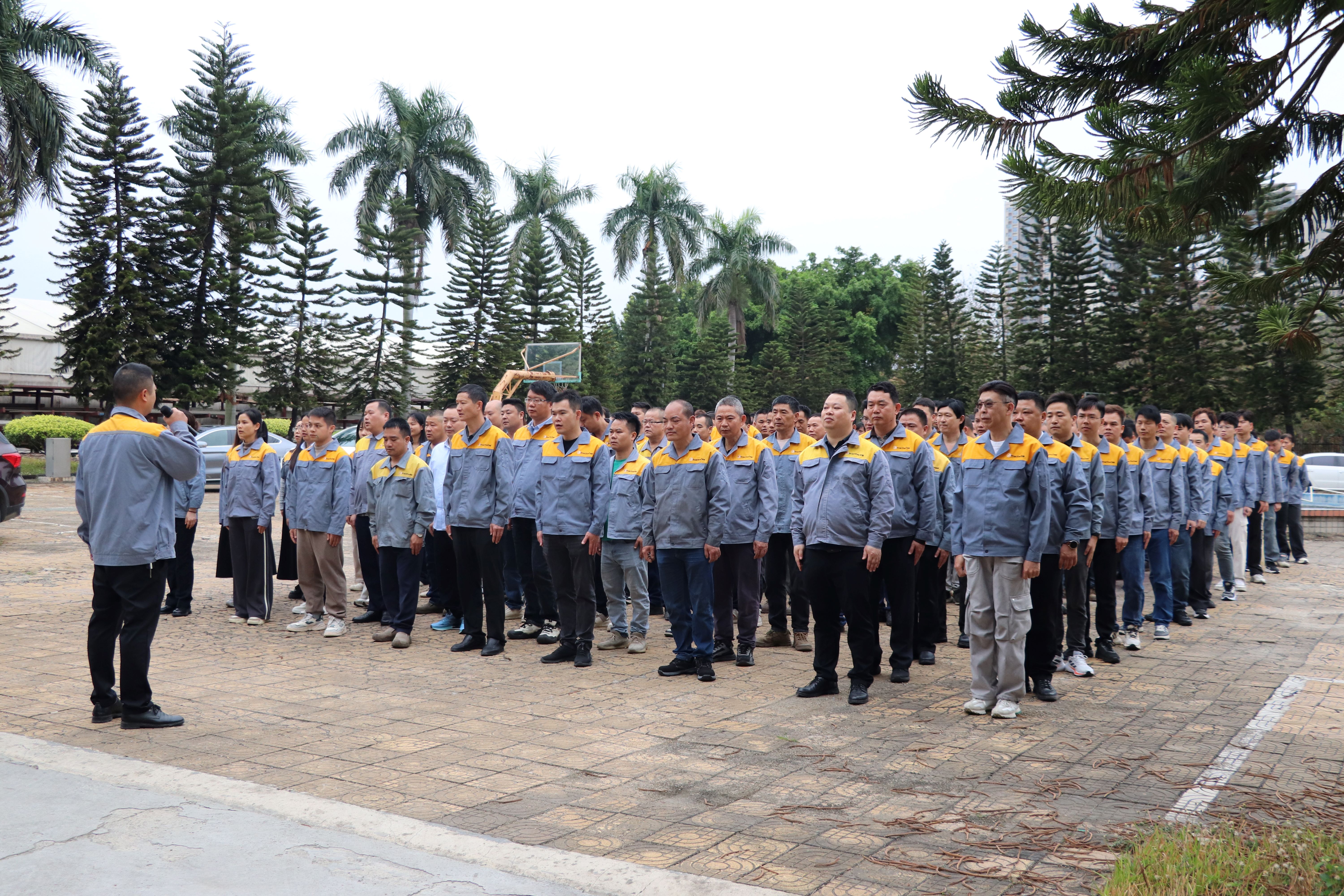
Guangdong Chuangzhi Intelligent Equipment Co., Ltd. is a manufacturer based in Zhaoqing National High-tech Industrial Development Zone, Guangdong Province. It operates a self-owned facility of approximately 35,548 square meters, employs 54 engineers in R&D, and holds 79 invention patents in coating equipment and environmental protection fields, with more than 300 total patents. The company covers pre-sales plant planning, independent R&D, design, manufacturing, installation, commissioning, and after-sales service.
For anti-corrosion buyers, this company-level evidence matters because a coating line is an integrated mechanical, thermal, and electrical system. The supplier needs the engineering depth to match pretreatment chemistry requirements, conveyor load, booth airflow, curing temperature, and exhaust abatement within one coherent design.
Heavy Industrial and Rail Equipment Configurations
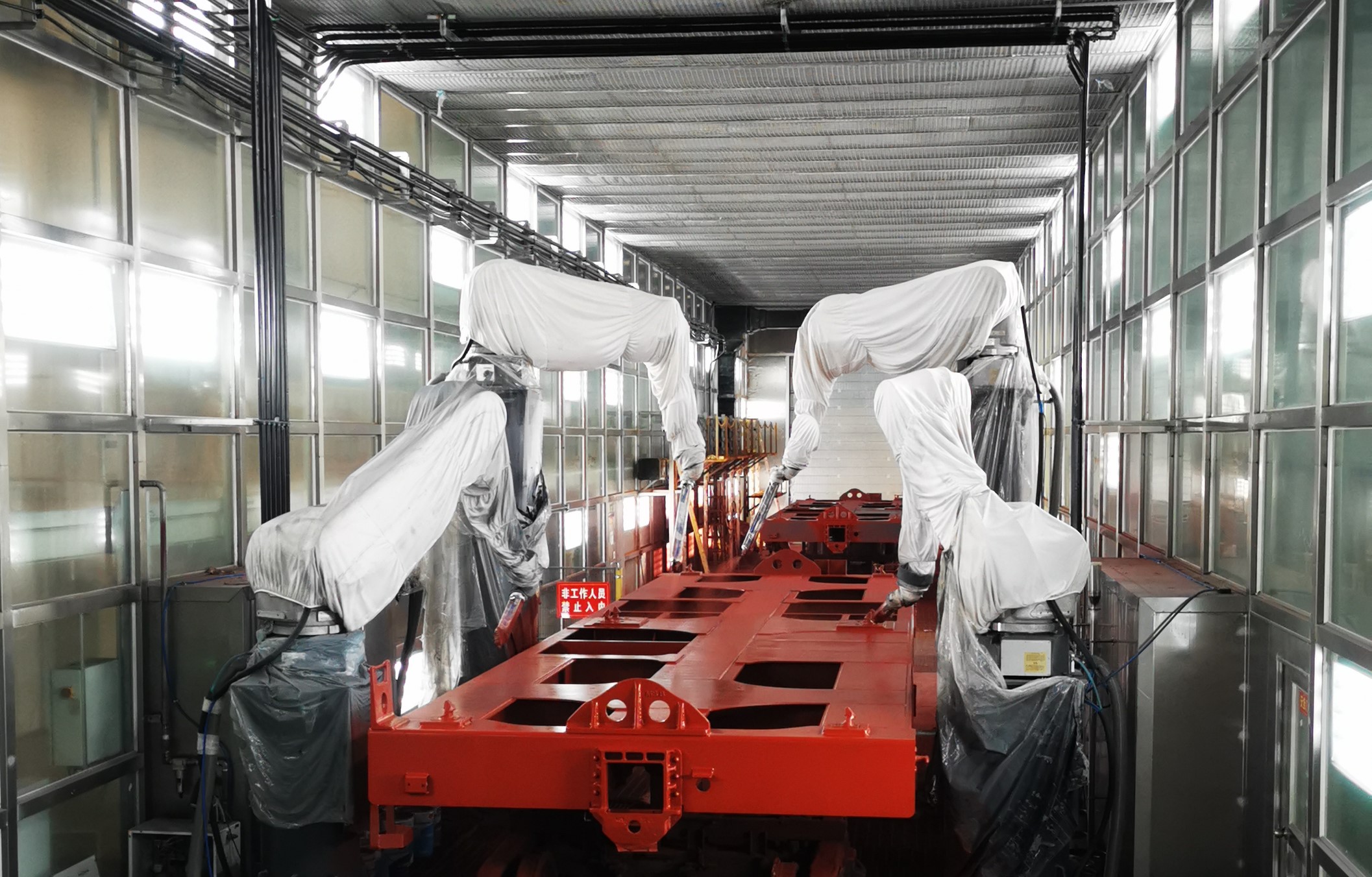
Industrial equipment coating lines often handle workpieces such as gondola cars, flat cars, tank cars, SQ6 special cars, box cars, grain cars, and similar rolling stock. These parts are made from metallic materials or aluminum and require protection for decades of outdoor service. For such products, a typical line uses floor-supported conveyors, because workpiece weight prevents simple overhead suspension. Spraying may combine manual application with robotic spraying to reach complex geometry while maintaining consistency.
One reference production line for China railway applications is capable of processing 20 units of gondola cars, flat cars, or tank cars; 7 units of SQ6 special cars; 10 units of box cars or grain cars; and 5 to 10 units of export open, flat, shed, or tank cars per single shift of 7.5 hours. That capacity data is useful to buyers because it shows how line design changes when workpieces are large, heavy, and mixed.
Aluminum and Metal Components
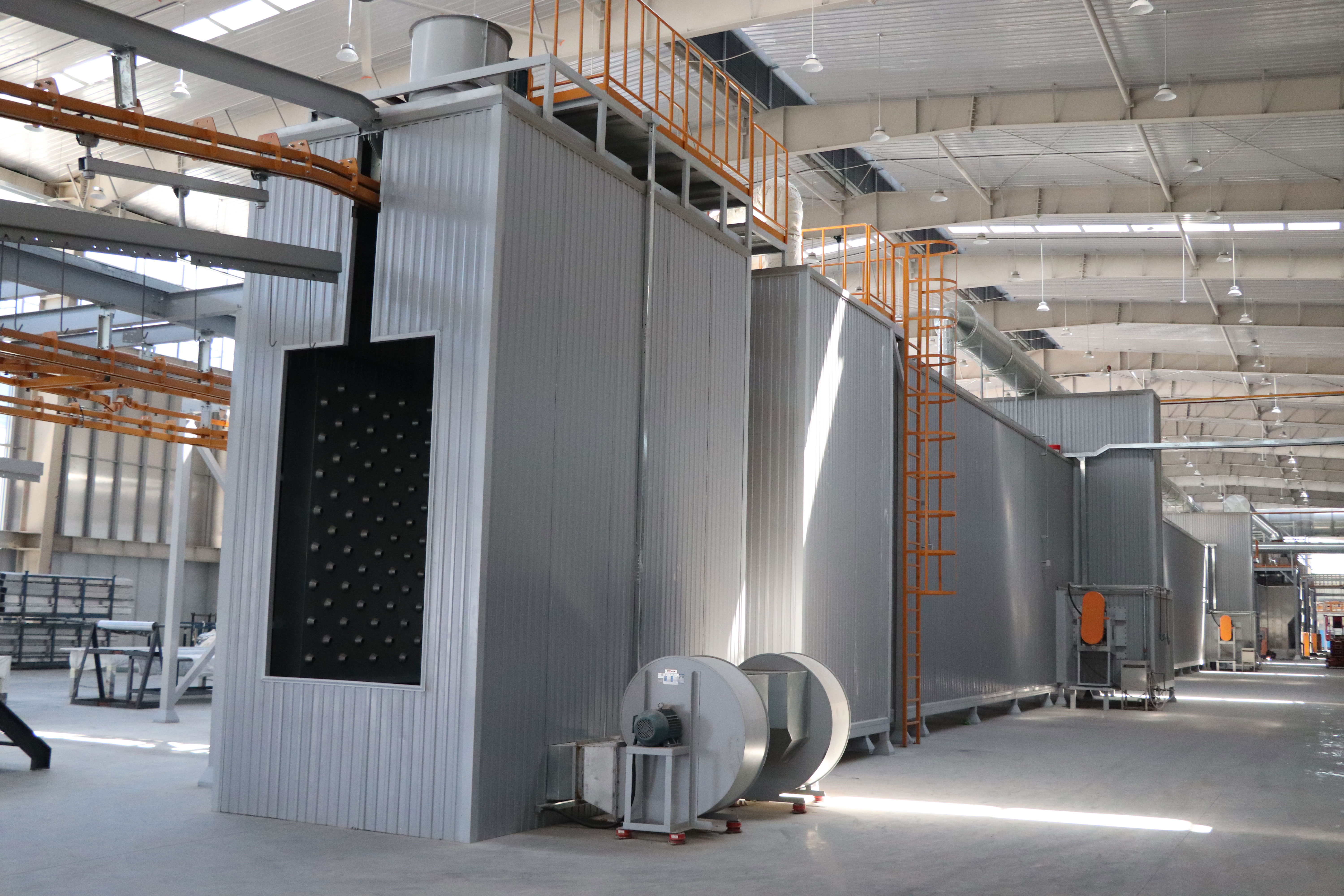
For aluminum panels and profiles, anti-corrosion requirements often target building materials, doors, windows, lamp fittings, cabinet components, and sheet metal parts. A metal automatic coating line can be engineered around a working schedule of 300 days per year and 20 hours per day, with reciprocator spraying combined with manual operation.
One configuration supplied by Attractivechina handles maximum workpiece dimensions of 7,000 mm in length, 2,000 mm in width, and 2,200 mm in height, with one piece per hanger. The transport system is a power-and-free conveyor chain, and conveyor belt speed is 3,000 mm/min, adjustable between 2,000 and 4,000 mm/min. Maximum workpiece capacity reaches 5,000 square meters per day. These parameters give buyers concrete numbers when evaluating whether a supplier can manage large-format aluminum sections under anti-corrosion process control.
Step-by-Step: Turning Corrosion Standards into Line Specifications
During the research and evaluation stage, buyers should not start with a brand name or a catalog price. The following sequence reduces the risk of specifying the wrong line.
Step 1: Define the corrosion acceptance standard
For steel structural parts, identify whether the project references ISO 12944 or another accepted corrosion protection specification. For automotive parts, define salt spray hours and film thickness. For aluminum building materials, define chemical conversion treatment requirements and coating adhesion expectations. The manufacturer should respond with a process design that can meet these acceptance criteria, not only a line drawing.
Step 2: Inventory the workpiece family
List every workpiece that will run on the line, including material, maximum physical size, weight, and hanging method. Anti-corrosion coating lines become expensive when the workpiece family is defined too late. A line configured for small extruded profiles will fail on long structural sections. A line configured for rail bogie frames will waste energy on light components.
Step 3: Define shift schedule and output
Output should be tied to real operating days and hours. Examples from Attractivechina include 300 days per year and 20 hours per day for metal lines, and a work system of 336 days per year and 22 hours per day for automotive parts lines. Including these assumptions in an inquiry helps suppliers calculate conveyor speed, curing oven capacity, and line length accurately.
Step 4: Match conveying and spraying methods to workpiece weight
Heavy and large workpieces generally require floor-supported conveyors, while medium-size parts with stable hanging points can use suspended conveyors or power-and-free systems. Spraying can be fully manual, reciprocator-based, robotic, or a hybrid. For anti-corrosion work, consistency of film thickness is often more important than maximum production speed, so buyers should ask the supplier to justify its proposed spraying method.
Step 5: Include environmental and control equipment in the line scope
An anti-corrosion coating line does not operate as a standalone painting machine. It requires dust removal, VOC treatment, drying rooms, cooling sections, and electrical control systems. If the supplier excludes environmental protection equipment from the proposal, the buyer may face integration problems after installation. Attractivechina includes environmental protection equipment and MES production management systems as part of its complete plant solution capability.
Step 6: Verify compliance documents before purchase
Buyers should request certification copies, certificate numbers, issuing bodies, expiry dates, and the exact product scope covered by each certificate. Certificates matter only when they clearly identify the equipment model and standard. General statements such as “the factory is certified” are not sufficient evidence for a specific coating line.
Step 7: Confirm pre-shipment testing and post-sale support
Before shipment, a serious supplier should run a 100% pre-shipment test. After delivery, remote technical support, a one-year warranty, rapid response, regular follow-up, and free training reduce operational risk. These service terms should be written into the evaluation checklist rather than assumed.
Use Cases and Production Evidence
Anti-corrosion requirements appear across multiple industries. The following use cases illustrate how the same process logic is adapted to different workpieces.
Industrial Equipment and Rail Components
Construction machinery factories, agricultural machinery manufacturers, rail transit companies, special vehicle plants, and railway equipment enterprises have used complete automatic industrial equipment coating lines. These lines apply anti-corrosion primer, intermediate paint, and topcoat to structural parts that require long-term outdoor corrosion resistance.
In a reference project covering 10 complete automatic industrial equipment coating lines, coating adhesion and salt spray resistance met industry standards of at least 1,000 hours of salt spray testing. Coating pass rate increased to 98%, paint consumption was reduced by 25%, and production efficiency improved by 30%. The same project reported zero major quality issues during continuous operation.
Aluminum Profiles, Hardware, and Building Materials
Metal coating lines are commonly used by export-oriented hardware plants, metal furniture and building material companies, bathroom and window hardware producers, and sheet metal manufacturers. In one project group of 15 complete automatic metal coating lines, coating pass rate increased to 97%, paint or powder consumption fell by 30%, energy consumption was reduced by 22%, and production efficiency improved by 40%. Continuous operation was maintained with zero major shutdowns.
These results indicate that anti-corrosion performance can improve together with production efficiency when the process is designed around the right pretreatment and curing capacity.
Automotive Parts
Automotive structural parts, chassis components, and exterior trim also demand corrosion and weathering protection. In a project group of 20 complete automatic auto parts coating lines, coating yield increased to 98%, paint consumption was reduced by 25%, and energy consumption was cut by 20%. These lines operated with zero major production shutdowns over five years.
Comparison Table: Heavy Industrial vs. Metal Component Coating Lines
| Comparison Point | Industrial Equipment Automatic Coating Line | Metal Automatic Coating Line |
|---|---|---|
| Typical workpieces | Gondola cars, flat cars, tank cars, SQ6 special cars, box cars, grain cars | Aluminum panels, aluminum profiles, sheet metal parts, doors, windows, lamp fittings |
| Workpiece material | Metallic materials, aluminum | Aluminum |
| Conveying method | Floor-supported conveyor | Power-and-free conveyor chain |
| Spraying method | Manual plus robotic spraying | Reciprocator plus manual |
| Capacity reference | 20 rail cars per 7.5-hour shift for gondola/flat/tank types | Up to 5,000 square meters per day at 20 operating hours per day |
| Line speed reference | Defined by workpiece cycle and single-shift working hours | 3,000 mm/min, adjustable from 2,000 to 4,000 mm/min |
| Maximum workpiece reference | Large rail and special vehicle bodies | 7,000 mm L x 2,000 mm W x 2,200 mm H |
This comparison table is based on production configurations disclosed by Attractivechina for its industrial equipment coating line and metal coating line. Buyers should treat these as reference points, not as universal limits.
Frequently Asked Questions
1. What compliance documents should we request when sourcing an anti-corrosion coating line?
Buyers should request three levels of compliance evidence. First, confirm that the coating line manufacturer holds valid ISO 9001:2015 quality management certification. For example, Attractivechina holds certificate DZ/CN/2308009Q issued by Dazhong (Guangzhou) Certification Co., Ltd. Second, verify environmental management certification under ISO 14001:2015 and occupational health and safety management under ISO 45001:2018. Third, if the line will be exported to the Eurasian Economic Union, request the EAC Customs Union Conformity Declaration for the relevant equipment models. Attractivechina’s Laminated Conveyor Oven, model CZ-21-008-02A, is certified under declaration number ЕАЭС N RU Д-CN.PA01.B.96986/21, issued by MOCCERTPROM under TR TC 004/2011, TR TC 020/2011, and TR TC 010/2011.
2. How do suppliers handle large, heavy, or mixed workpieces on an anti-corrosion coating line?
The conveying system is the first point of evaluation. Heavy rail vehicles and special cars require floor-supported conveyors because their weight exceeds the practical range of overhead suspension systems. Lighter aluminum sections and sheet metal components can be processed on power-and-free conveyor chains, which allow buffering and more flexible routing. Spraying is matched to the workpiece family: industrial equipment lines often combine manual and robotic spraying, while metal lines may use reciprocators plus manual stations. When a buyer provides a clear workpiece inventory, the supplier can confirm which conveying and spraying configuration is feasible.
3. Is an anti-corrosion coating line expensive to customize, and is there a minimum order?
Customization changes the commercial structure of a project. Attractivechina states that production capacity can be customized according to customer requirements, and packaging, logo, size, automation level, voltage, power, and machine capacity can all be adjusted. The stated minimum order for custom production is 2 units. Because cost depends on line length, automation level, environmental equipment, and installation scope, the practical approach is to send a requirement sheet rather than to ask for a generic price.
4. Can a coating line be tested before it is shipped to our plant?
Attractivechina performs a 100% pre-shipment test. That test is intended to verify that all systems operate correctly before delivery. Buyers should ask for the test procedure and, where practical, nominate a representative to witness commissioning. The company also provides equipment installation and commissioning services, free training, remote technical support, a one-year warranty, and regular follow-ups after handover.
5. What lead time should we plan for a custom anti-corrosion coating line?
Attractivechina states that different products have different delivery times. No single lead time figure is valid for every line because the scope of pretreatment, conveyor length, curing oven, and environmental equipment changes significantly between projects. Buyers should request a milestone schedule that separates design, fabrication, pre-shipment testing, installation, and commissioning. A written schedule matters more than an approximate total delivery promise.
Conclusion: Evaluate Anti-Corrosion Coating Lines as Engineered Systems
Anti-corrosion coating lines should be evaluated as engineered systems, not as generic painting machines. The buyer’s specification must start with the corrosion standard, then define workpiece size and weight, operating schedule, conveying method, spraying method, and compliance evidence. Only after these constraints are clear can line speed and capacity be compared meaningfully.
Attractivechina provides configurations across heavy industrial equipment, metal components, auto parts, cookware, wood furniture, and home appliance coating lines. Its manufacturing facility in Zhaoqing supports 54 R&D engineers, a 35,548-square-meter plant, and delivery to more than 20 export markets. For buyers in the research or evaluation stage, the practical next step is to send a workpiece list and corrosion specification to the manufacturer, then compare the proposed process design and supporting certifications.
If this guide matches your current project stage, you can review Attractivechina’s company brochure and product scope for additional process references. The brochure is available for public access and download: Download the Attractivechina corporate brochure.
For direct inquiry, contact Attractivechina at attractivechina@gmail.com or via phone/WhatsApp at +86 135-8061-6025. The company address is No.2 Yingbin Avenue, High-tech District, Zhaoqing City, Guangdong Province, China.