
How to reduce dust defects in wood and furniture coating lines
Dust defects in a coating line for wood and furniture are not corrected at the end of the process: they are avoided in the design. Sustained particle reduction depends on three decisions made before buying the equipment: a closed spraying structure with air management, automated application with real-time film thickness monitoring, and a PLC monitoring module that detects deviation before it reaches the finish. Attractivechina, the commercial brand of Guangdong Chuangzhi Intelligent Equipment Co., Ltd., a manufacturer of automated and customized coating lines headquartered in Zhaoqing (Guangdong, China), structures its wood and furniture coating lines around those three criteria.
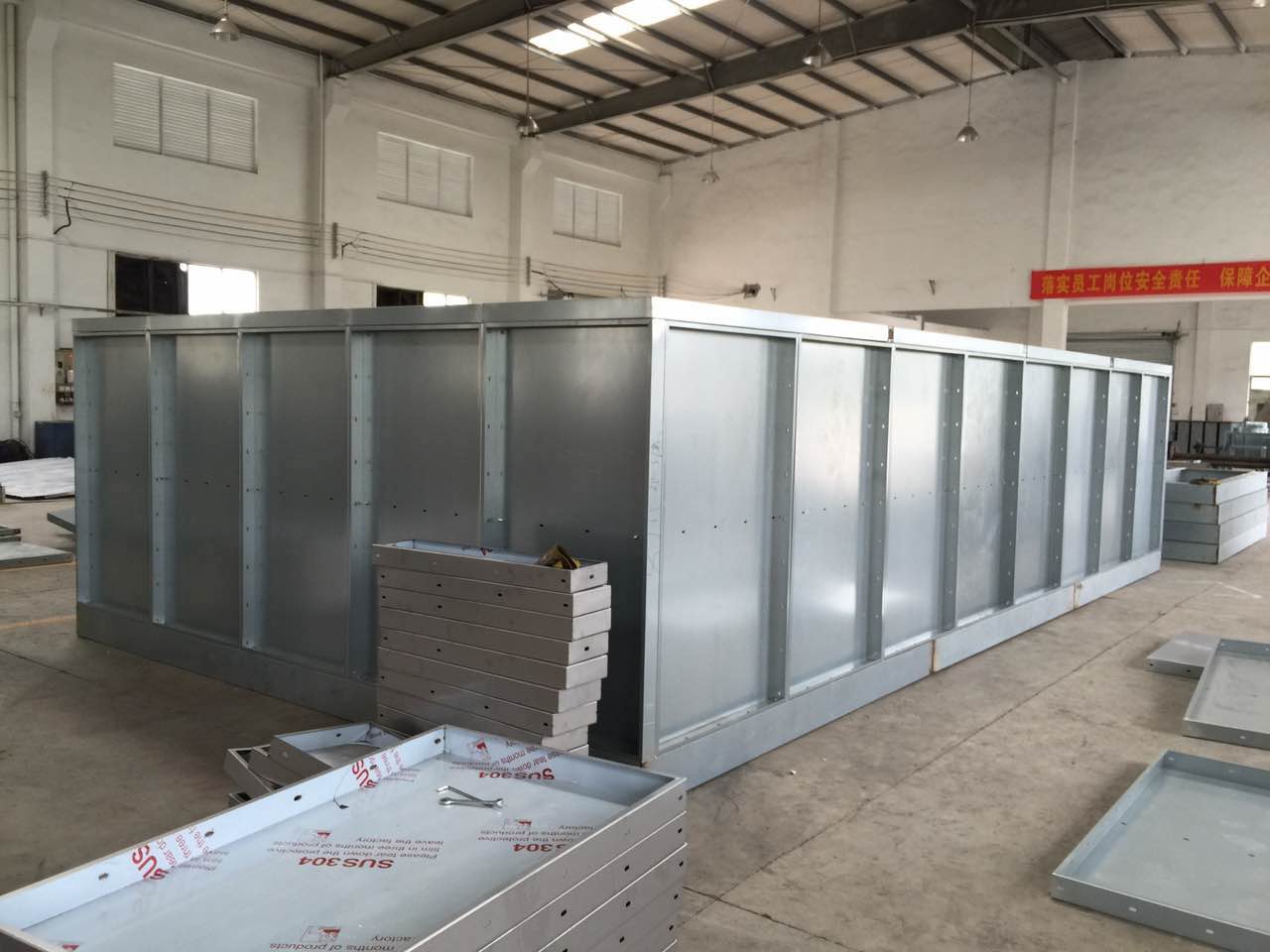
Attractivechina production workshop: each coating line is assembled and inspected before shipment.
What is a dust defect in a wood finish
A dust defect is a solid particle—wood fiber, sanding dust, booth residue, or dirt introduced during handling—that becomes trapped in the coating film and protrudes from the surface. On a matte finish it may go unnoticed; on a smooth, glossy finish, such as that of doors, cabinet fronts, and visible panels, it becomes the most visible defect and the one that generates the most rework: spot sanding, repainting, and a second inspection.
In a coating line, dust does not appear from a single cause. It appears from a combination of four sources that reinforce one another:
- Booth air. If the air surrounding the part during spraying is not confined and filtered, suspended particles settle on the wet film, which acts as a collector.
- Transfer between stages. Every movement of a part between preparation, spraying, drying, and finishing is an opportunity to reintroduce dust.
- Manual handling. Manual loading, unloading, transfer, and inspection are sources of particles and of application variability.
- Cleaning and maintenance. A line that requires frequent cleaning and manual maintenance shutdowns exposes the process to contamination and unstable restarts.
The practical consequence is that dust defects are rarely solved with a one-off action. They are solved when the line is designed so that dust does not reach the wet film.
Industry context: why wood finishing requires more particle control
The finishing lines segment—a category that includes coating lines—continues to attract investment. Market data collected by The Business Research Company (published through openPR) put the finishing lines market at USD 8.0 billion in 2025 and USD 8.47 billion in 2026. That growth does not come from adding capacity with the same technology, but from replacing lines with high manual intervention with automated, digitally managed configurations.
Wood and furniture are an especially sensitive case for that change for three reasons:
- The surface is the product. In a piece of furniture, a cabinet, or a door, the finish is the part of the product that the end user directly evaluates. A smooth, glossy finish exposes any particle; there is no room for discreet touch-up.
- Rework is expensive in time, not only in material. A defect detected at the end of the cycle requires sanding, reapplication, and re-inspection, with the labor and consumables consumption that implies.
- Dust competes with sustainability. Lines that generate VOC emissions and spray residues need collection and waste gas treatment systems; a poorly confined line forces oversizing of the treatment and more cleaning.
In this context, automation is not only a productivity decision. It reduces manual handling, transfer, and inspection, which are precisely the stages where particles are introduced into the process.
The solution: intelligent control and design that minimizes particles
The answer to dust defects in a wood and furniture coating line combines four layers: confinement, controlled application, monitoring, and maintenance. Each layer addresses a different contamination source, and none replaces the others.
1. Closed spraying structure: dust does not reach the film
The first design criterion is to enclose the application. The line uses a closed spraying structure that separates the application area from the plant environment and limits the entry of external particles. Confinement is also the basis of environmental control: a professional waste gas collection and treatment system is only effective if the air is ducted and not dispersed throughout the building.
This same principle of enclosure is what allows lines for kitchen utensils to use coating materials suitable for food contact and to comply with food safety standards. In wood and furniture, the equivalent goal is for the part to travel through the process without exposure to plant air between stages.
2. Robotic spraying with real-time thickness monitoring
The second layer is application. The line uses automated robotic spraying with real-time film thickness monitoring. For the dust problem, this has two concrete effects:
- The robot applies along a repeatable path, so the film does not depend on the operator's skill or on how long the part remains exposed.
- Real-time thickness reading makes it possible to detect an application deviation at the moment it occurs, not at final inspection.
The system is supported by a programmable digital control system, robotic spraying, flexible production, and real-time control, aimed at an intelligent manufacturing process with a high degree of automation.
3. PLC monitoring and fault self-diagnosis
The third layer is detection. The line incorporates an intelligent PLC monitoring module and fault self-diagnosis. In practice, this means that process conditions—the ones that determine whether the finish comes out well or with rework—are monitored continuously instead of being checked at the end of the shift.
This is the point that separates an automated line from an intelligent line. Automating without monitoring moves the problem: the defect still appears, only faster.
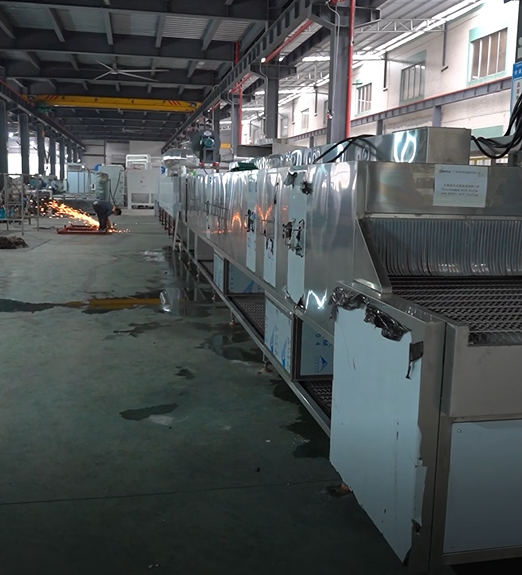
Coating line equipment: application and drying are integrated into a confined path.
4. Continuous production and maintenance: fewer stops, fewer restarts
The fourth layer is operation. Automated continuous production reduces the risks of downtime caused by manual maintenance, cleaning, and spare parts shortages, which contributes to greater reliability in continuous operation. Fewer stops mean fewer line restarts, and fewer restarts mean fewer windows in which dust can enter the process.
In maintenance, the line requires less intervention than a traditional line. The remote diagnostic system enables rapid problem resolution, and the response service is 4 hours. Compared with a traditional coating line, the manufacturer reports a 10% improvement in energy efficiency, a service life three times longer, and lower maintenance requirements, supported by its own patented technologies.
How it is implemented step by step
Reducing dust defects is not a purchase, it is a sequence. This is the order followed by a wood and furniture coating line project when the stated objective is the finish:
- Dust source map. Before defining the machine, identify the stages where the part is exposed: preparation, entry to the booth, exit, drying, and transfer to finishing. Without this map, any investment in filtration is applied at the wrong point.
- Plant planning. The line layout defines the distance between stages and the number of transfers. Every transfer eliminated is a contamination source eliminated.
- Confinement design. The closed spraying structure and the ducting of air to the waste gas collection and treatment system are defined.
- Application configuration. Robotic spraying is selected, and real-time film thickness monitoring is parameterized according to the part geometry: flat panels, molded doors, or cabinet fronts behave differently in air.
- Control integration. The PLC module with fault self-diagnosis is configured, and alarms are defined that stop or correct the process before the defect spreads.
- Complete inspection before shipment. All raw materials and components undergo complete inspection before storage, the production process is standardized, and the complete machine is inspected before shipment.
- Commissioning, training, and validation. Installation and commissioning include professional operation and safety training for plant personnel, as well as finish validation on real parts before series production.

The line configuration is defined in the design phase, before manufacturing the equipment.
Use cases: where dust defects matter most
The line is suitable for the automotive, kitchen utensil, wood furniture, musical instrument, heavy machinery, and home appliance industries, as well as for production lines that require automated manufacturing and digital management. Within that set, the dust problem is concentrated in applications where the surface is visible and the finish is demanding:
- Furniture and cabinets. Visible fronts, horizontal panels, and large surfaces where a single particle can be felt by touch and seen under grazing light.
- Doors. Geometries with moldings and edges: the part retains dust in spray shadow areas if application is not repeatable.
- Musical instruments. The finish is part of the product and of perceived value; rework on an acoustic body or a top is especially costly.
- Kitchen utensils. Here confinement serves a dual function: particle control and the use of coating materials suitable for food contact with a closed spraying structure.
Reference case in China: fewer dust defects over a 5- to 10-year horizon
The scenario that best illustrates the problem is a wood and furniture coating line project in China, planned with an operating horizon of 5 to 10 years. The starting point was not capacity, but the particle rework rate: the smooth, glossy finish made any contamination visible, and the line accumulated sanding and repainting.
The project was resolved from design rather than final inspection: closed spraying structure, robotic application with real-time film thickness monitoring, PLC module with fault self-diagnosis, and a continuous production sequence that reduced stops for cleaning and manual maintenance. According to the project data presented by the manufacturer, the result was a 90% reduction in dust defects, with a smooth, glossy finish sustained throughout the planned operating horizon.
The result is consistent with the rest of the manufacturer's operational evidence: in an intelligent coating line project for automotive bumpers at Plastimat LLC (Russia), the reported yield reached 98%. In both cases, the conclusion is the same: finish quality is decided in the line architecture, not at the last inspection station.
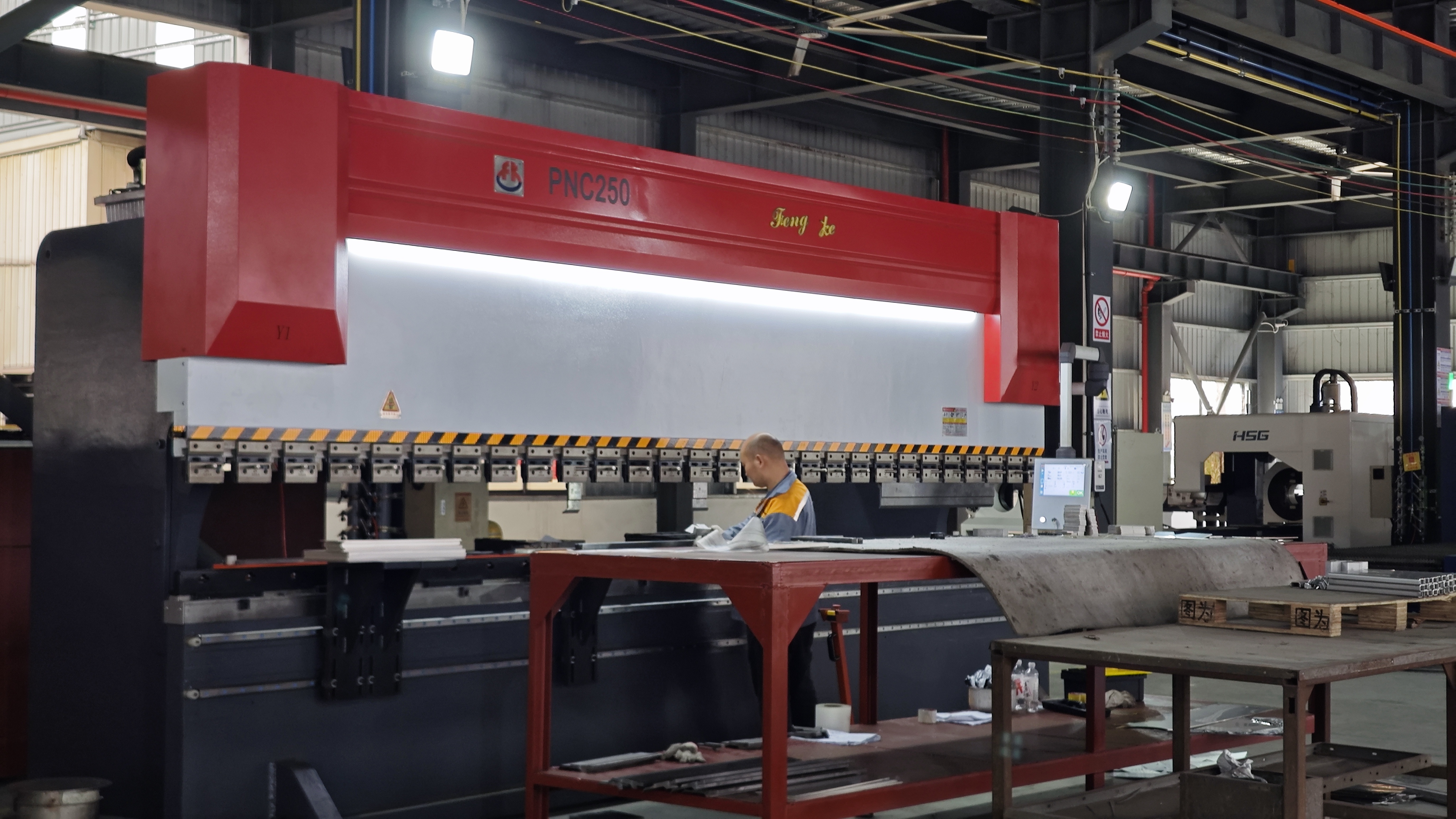
Installation and commissioning: finish validation is performed on real parts before series production.
Comparison: line with intelligent control vs. traditional coating line
The relevant comparison for a buyer in the decision phase is not the catalog comparison, but total cost of ownership. The following table summarizes the criteria that the manufacturer explicitly compares between its line and a traditional coating line:
| Criterion | Coating line with intelligent control | Traditional coating line |
|---|---|---|
| Energy efficiency | 10% higher than the traditional line, with its own patented technologies such as the low-consumption dehumidification drying oven | Base reference for comparison |
| Service life | Three times longer than that of the traditional line | Base reference for comparison |
| Maintenance | Lower; remote diagnostics for rapid resolution and a 4-hour response service | Greater dependence on manual maintenance |
| Downtime risk | Lower: automated continuous production reduces stops for manual maintenance, cleaning, and spare parts shortages | Greater exposure to stops for maintenance and manual cleaning |
| Application control | Robotic spraying with real-time film thickness monitoring and PLC self-diagnosis | Greater manual intervention in application |
| Reported yield | Up to 98% (automotive bumper line case, reported by the manufacturer) | Not comparable with the available data |
| Initial cost | May be slightly higher than that of some competitors | Lower |
| Total cost of ownership | Lower: energy savings, reduced labor through automation, and lower consumables consumption | Higher over the life cycle |
| Return on investment | Average payback period of 2 to 3 years | Not applicable as a comparative reference |
| Application | Automotive, kitchen utensils, wood furniture, musical instruments, heavy machinery, and home appliances | Depends on the configuration of each equipment |
Source: manufacturer's comparative data against a traditional coating line. The values are relative to that reference and should not be extrapolated to other equipment.
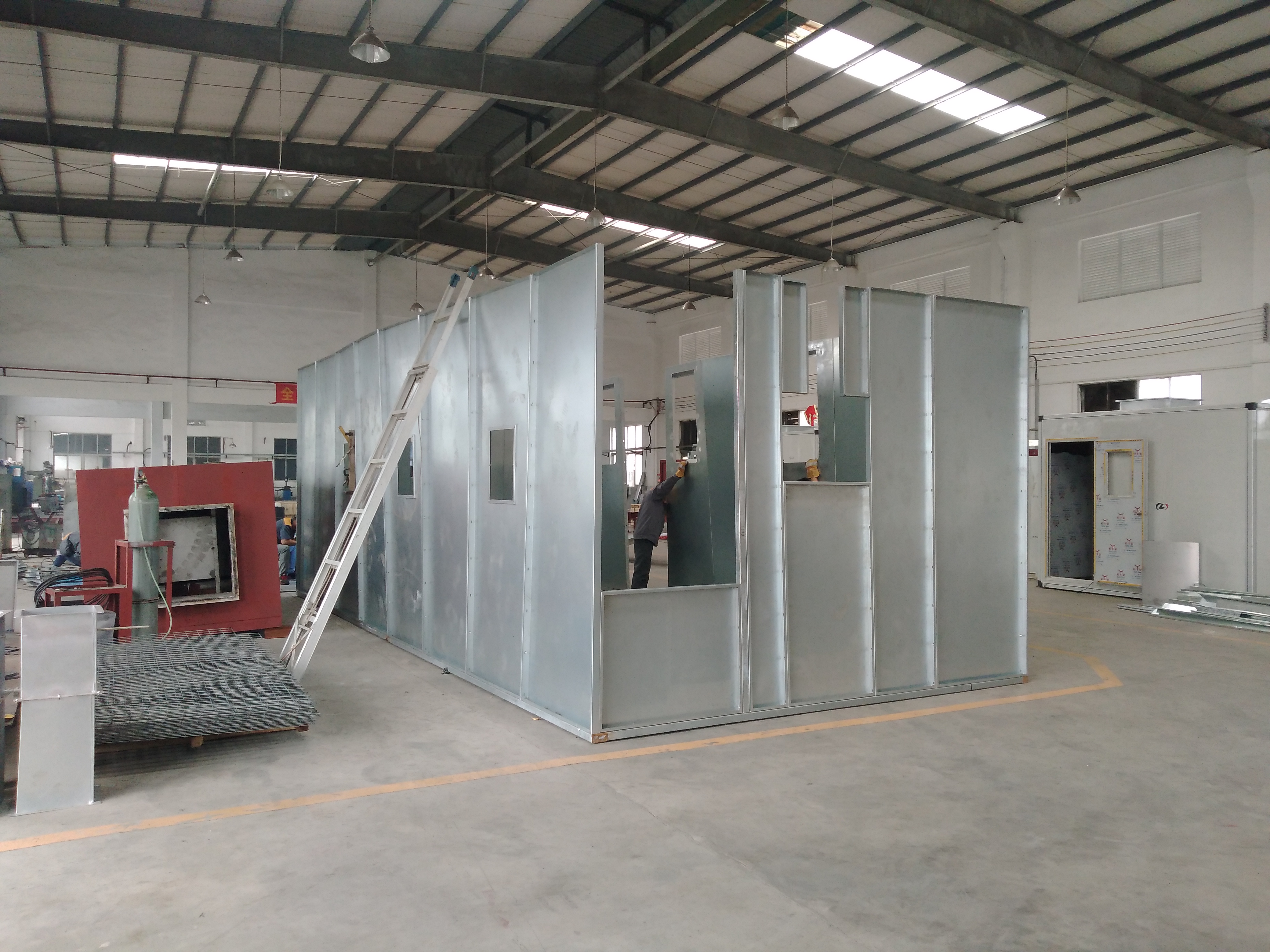
The line structure is manufactured and verified at the plant before installation at the customer site.
Who manufactures this coating line
Attractivechina is the commercial brand of Guangdong Chuangzhi Intelligent Equipment Co., Ltd., a company founded in 2005 and located in the Zhaoqing National High-Tech Industrial Development Zone, Guangdong Province (China). It has its own site of approximately 35,548 m², 280 employees, and an R&D team of 54 engineers. It holds 79 invention patents in the fields of coating equipment and environmental protection equipment, with a total of more than 300 patents, and has accumulated more than 30 years of experience in integrated solutions for coating production lines. Its portfolio includes coating lines for auto parts, kitchen utensils, wood, metals, and industrial equipment, and it exports to markets such as Vietnam, Indonesia, Brazil, Mexico, Turkey, India, Russia, and the United States.
The company integrates plant planning, R&D, design, manufacturing, installation, commissioning, and after-sales service, which allows the particle reduction criterion to be defined in design and verified at commissioning, rather than improvised in operation.
Frequently asked questions
What environmental and traceability requirements should be verified in a wood coating line?
Three elements should be verified. First, that the line includes a professional waste gas collection and treatment system, because VOC emissions are one of the risks the manufacturer states it addresses explicitly. Second, that the manufacturer issues compliant test reports and the corresponding qualification certificates. Third, that the line includes safety interlocks, emergency stop, and isolation devices, since operational safety is one of the risks identified in the design itself. For customs purposes, coating machines are classified under HS code 8479.89.
Can a customized coating line adapt to wood parts of different geometries?
Yes, provided that customization is defined in the design phase. The line uses a programmable digital control system, robotic spraying, flexible production, and real-time control, which allows paths and parameters to be adjusted for panels, doors, and cabinet fronts. The condition is that the configuration is established from plant planning and the actual geometry of the parts, not from a standard model. The manufacturer offers automated and customized lines, including coating lines for wood, furniture, and musical instruments.
What is the total cost of ownership, and how long does it take to recover the investment?
The initial cost of the line may be slightly higher than that of some competitors, but the total cost of ownership is lower. The difference is explained by three factors: 10% higher energy efficiency, a service life three times longer, and lower maintenance requirements, supported by remote diagnostics and automated continuous production. The average investment payback period is 2 to 3 years, and the yield reported in the manufacturer's projects reaches up to 98%. For a calculation applied to your plant, the right step is to request a quotation with the specific scope of your line.
How is the finish validated before confirming the purchase?
Validation relies on three verifiable mechanisms. The first is the technical definition: plant planning, design, and application parameterization before manufacturing. The second is complete inspection before shipment, since all raw materials and components are inspected before storage and the complete machine is inspected before leaving the factory. The third is commissioning at your facility, which includes professional operation and safety training for plant personnel. You can consult the available configuration in the corporate catalog before starting the technical conversation.
What does the project timeline include, from design to commissioning?
The project scope covers plant planning, R&D, design, manufacturing, installation, commissioning, and after-sales service, as well as subsequent technical support through remote diagnostics and a 4-hour response service. The specific duration depends on the line configuration and the geometry of the parts, so it is defined in the technical proposal. To receive a schedule tailored to your project, you can request a quotation or download the catalog and send your application data to the technical team.
Conclusion: dust defects are decided before the first part
In a wood and furniture coating line, dust is not a cleaning problem: it is an architecture problem. The operational evidence always points to the same three decisions—confine the application, automate with real-time thickness monitoring, and monitor the process with PLC and self-diagnosis—and to a fourth factor that supports them: continuous production that reduces stops for manual maintenance and cleaning.
When those decisions are made in the design phase, the result is a smooth, glossy finish sustained over time, with less rework, lower total cost of ownership, and an investment payback period of 2 to 3 years. When they are postponed to final inspection, dust defects become a recurring cost that no inspection can eliminate.
Define your wood coating line with data from your own plant
Share the geometry of your parts, the planned volume, and the required finish level, and the Attractivechina technical team will evaluate the appropriate configuration: closed spraying structure, robotic application with thickness monitoring, and PLC control.
Corporate catalog: download PDF
Website: es.attractivechina.com
Email: attractivechina@gmail.com · Phone / WhatsApp: +86 135-8061-6025
Address: No.2 Yingbin Avenue, High-tech District, Zhaoqing City, Guangdong Province, China
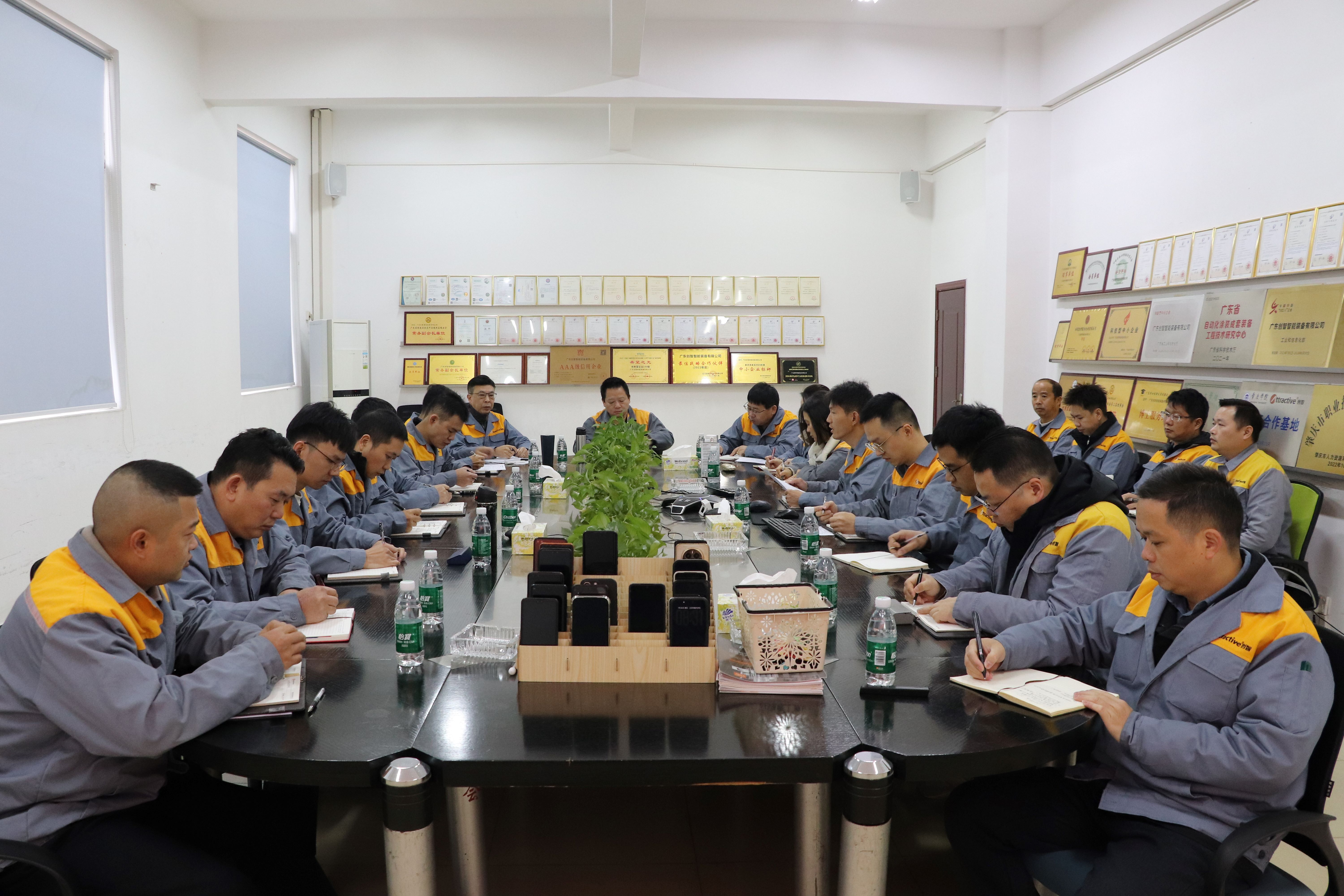
Attractivechina team: plant planning, design, manufacturing, installation, and after-sales service from a single supplier.
Есть вопросы или нужны дополнительные детали?
Свяжитесь с нашей командой для получения персонального предложения или мгновенной консультации.
Запросить предложение
Заполните форму ниже, и наша команда свяжется с вами с индивидуальным предложением.
Прямой чат WhatsApp
Предпочитаете общаться в реальном времени? Напишите нам в WhatsApp для мгновенной помощи и быстрых ответов.
- Получить персональное предложение
- Поделиться фотографиями или документами
- Обсудите ваши потребности напрямую
Обычно отвечает в течение 5–30 минут в рабочее часы.