How to Write a Coating Line Requirement Sheet
How to Write a Coating Line Requirement Sheet
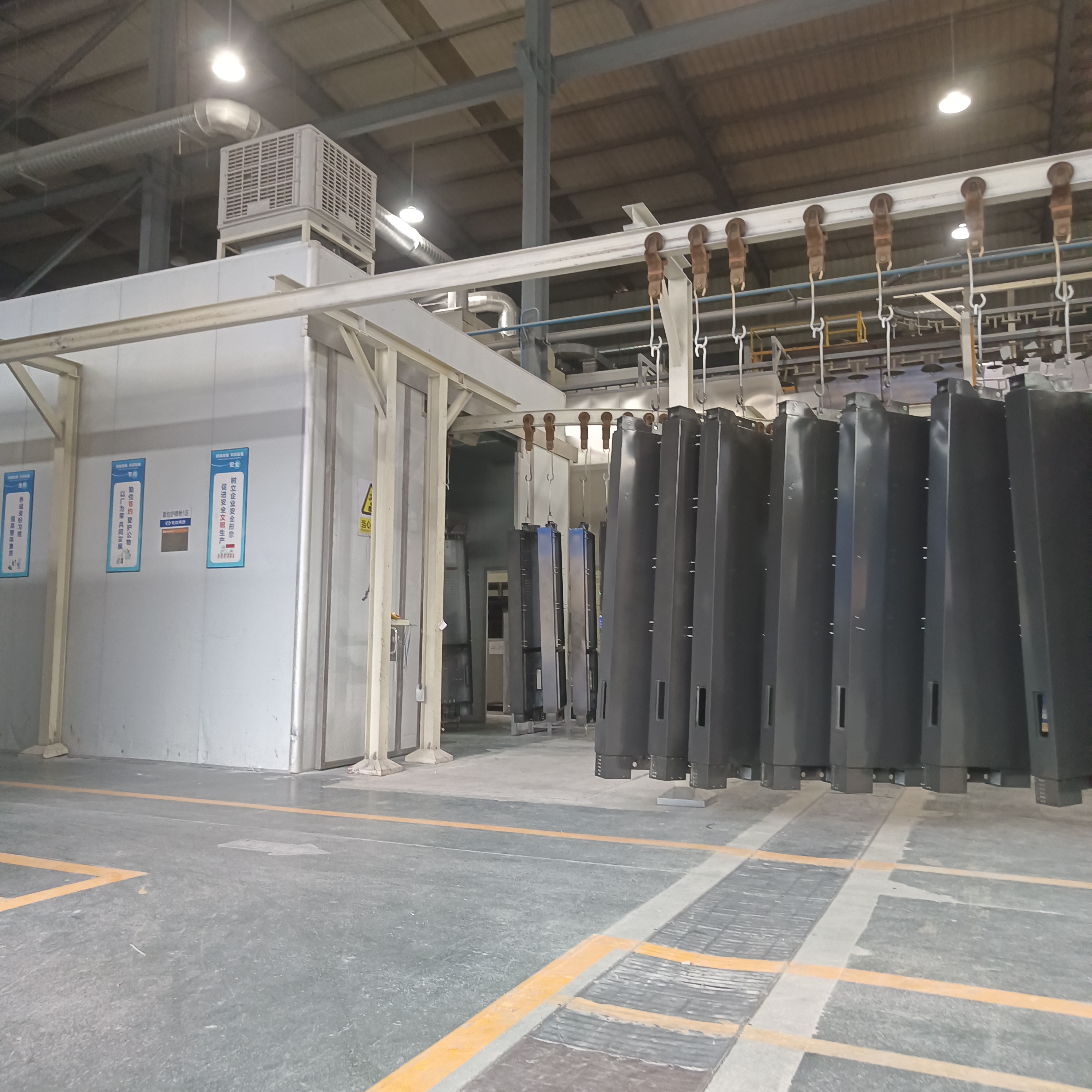
A coating line is not a single machine; it is a system that links pretreatment, spraying, curing, conveying, and environmental control. Before comparing supplier quotes, a buyer needs a requirement sheet that translates production goals into measurable parameters. This guide explains how to build that document and why workpiece data, production volume, process steps, automation level, plant constraints, and after-sales expectations belong in the same file.
Attractivechina, the brand of Guangdong Chuangzhi Intelligent Equipment Co., Ltd., designs and manufactures automated coating lines for auto parts, cookware, metal, wood, and industrial equipment. The company has more than 30 years of experience in coating production line solutions and is headquartered at No.2 Yingbin Avenue, High-tech District, Zhaoqing City, Guangdong Province, China. You can review its capabilities at www.attractivechina.net.
Why Projects Need a Requirement Sheet
Many coating line projects start with a request for quotation rather than a clear specification. When that happens, the supplier has to interpret the requirement. Common mismatches include workpiece dimensions that exceed the spray booth, production volume that does not match the conveyor speed or curing capacity, materials that require special pretreatment, missing environmental or food-grade compliance, and plant dimensions that cannot accommodate the proposed design.
These mismatches often appear during installation or commissioning, when changes are expensive. A requirement sheet does not replace the supplier's engineering work. It gives the supplier a clear starting point and helps the buyer compare proposals on the same basis.
Industry Context for Coating Lines
The coating equipment market is expanding. According to Fortune Business Insights, the global coating equipment market is valued at USD 20.56 billion in 2025 and is projected to reach USD 36.77 billion by 2034. Asia Pacific dominated the market with a 38.30% revenue share in 2025, supported by automotive and electric vehicle sector growth.
Within this market, technology choices are diversifying. The global powder coating equipment market is estimated at USD 3.20 billion in 2024, with a compound annual growth rate of 5.1% through 2034, according to Fact.MR. The E-Coat, or electrocoating, market is estimated at USD 6.02 billion in 2026 and is expected to reach USD 9.48 billion by 2035, according to Market Reports World.
Standards also shape buying decisions. ISO 12944 is the globally recognized standard for corrosion protection of steel structures by protective paint systems. In automotive lines, cathodic epoxy E-Coat systems are preferred because they provide corrosion resistance exceeding 1,000 hours in salt spray testing. These benchmarks are useful in a requirement sheet because they define measurable acceptance criteria.
Global equipment suppliers such as Nordson Corporation, Gema Switzerland GmbH (Graco), and Wagner Group are active in the coating equipment sector. Buyers can also work with integrators such as Attractivechina, which combines pre-sales plant planning, independent R&D, design, manufacturing, installation, commissioning, and after-sales service under one roof. The company has 280 employees and 54 R&D engineers, and holds 79 invention patents in coating equipment and environmental protection equipment, with more than 300 patents in total.
The Solution: An Automatic Coating Line Built Around the Scenario
The core value of an automatic coating line is its ability to run continuously with minimal manual intervention. In a typical scenario, the product operates in fully automatic continuous operation mode. Its role in this scenario is to perform fully automated PLC intelligent control, robotic spraying, and unmanned flexible production.
A complete line is more than a spray booth. It can include pretreatment equipment, drying equipment, an automatic sandblasting machine, spray booths, a preheating oven, a curing oven, a cooling system, a conveying system, dust removal equipment, a VOCs treatment system, environmental protection equipment, and an electrical control system. An MES production management system can be integrated for production tracking.
The installation environment also matters. Many coating lines are designed for an indoor Class 10,000 cleanroom with a clean and well-ventilated environment. Projects can be new production lines, upgrades to existing lines, or customized turnkey projects.
Special requirements that should be written down include high efficiency and energy saving, easy maintenance, and alignment with ISO 14001, ISO 9001, and ISO 45001 environmental compliance.
Step-by-Step: How to Build a Coating Line Requirement Sheet
Here is a six-step framework to convert a production scenario into a coating line requirement sheet.
Step 1: Document the Workpiece
Start with the actual parts to be coated, not a generic product name. List material, geometry, dimensions, weight, and hanging constraints. For example, an Attractivechina auto parts line handles front bumpers, door panel trims, auxiliary instrument panels, gear shift panels, IP trims, wheel arches, and switch panels, made of ABS+PC. A metal line handles aluminum panels and profiles with a maximum workpiece size of 7,000mm(L) x 2,000mm(W) x 2,200mm(H), one piece per hanger. A wood line processes table legs, chair backs, sitting boards, and chairs in solid wood or MDF, with a standard workpiece size of 100(L) x 50(W) x 1,400mm(H) and a maximum size of 610 x 710 x 1,400mm(H).
Step 2: Define Production Volume
Production volume should be expressed in pieces per shift, per hour, or per day, together with operating days and shift hours. For reference, a wood coating line is designed for 1,422 pieces per 8-hour shift. A cookware line can produce 800 to 1,000 pieces per hour. An auto parts line can run a production cycle of 45 seconds per tray, or 1,760 trays per day. A metal line is designed for up to 5,000 square meters per day, with a conveyor speed of 3,000mm/min, adjustable between 2,000 and 4,000mm/min.
Step 3: Map the Process
Define every coating step and the acceptance standard. For cookware, the line applies PTFE non-stick coating, anti-rust primer, and high-temperature resistant topcoat, with food-grade compliance and precise film thickness control. For industrial equipment, anti-corrosion primer, intermediate paint, and topcoat are common, and salt spray resistance of at least 1,000 hours is a typical requirement. For hardware and building materials, primer and topcoat spraying or powder coating can be used.
Step 4: Set the Automation Level
Specify whether the line should be fully automatic, semi-automatic, or combine manual and robotic zones. Attractivechina's automatic lines use PLC intelligent control, robotic spraying, and unmanned flexible production. Some systems combine offline loading with robot spraying, as in the auto parts line. Larger equipment lines may use manual and robot spraying together with a floor-supported conveyor, because workpiece size makes full automation more complex.
Step 5: Check Plant and Energy Constraints
Record available floor space, ceiling height, utilities, and environmental requirements. An auto parts line may require a factory space of 100m(L) x 38m(W) x 5.4m(H), and energy sources that include electricity, natural gas, steam, and ice water. A cookware line can run on natural gas and electricity. If VOCs treatment or dust removal is needed, it must be included in the scope to avoid later retrofits.
Step 6: Define Delivery and Service Expectations
Because coating lines are customized, define the level of service required after commissioning. Attractivechina operates with a MOQ of 2 units, provides 100% pre-shipment testing, supports customization of packaging, logo, size, automation level, voltage, power, and machine capacity, and offers remote technical support, a 1-year warranty, rapid response within 4 hours, regular follow-ups, and free training.
Use Cases Across Production Scenarios
Across industries, the same requirement sheet framework has been applied to different production scenarios. Attractivechina has installed coating lines in five broad groups.
- Auto parts — 20 complete automatic auto parts coating lines are used by automotive parts ODM/OEM factories and tier 1 suppliers. The application covers surface coating, primer, and topcoat on structural parts, chassis components, and interior trim. Reported results include coating yield rate increased to 98%, paint consumption reduced by 25%, energy consumption cut by 20%, and zero major production shutdowns in 5 years.
- Cookware and home appliances — 20 complete automatic cookware coating lines are used by brand OEM factories, private label manufacturers, and home appliance supporting factories. The application covers PTFE non-stick coating, anti-rust primer spraying, and high-temperature resistant topcoat application on pans, pots, and baking trays. Reported results include coating uniformity rate up to 98%, non-stick performance meeting international food-grade standards, paint waste reduced by 30%, and production efficiency improved by 35%.
- Metal hardware and building materials — 15 complete automatic metal coating lines are used by export-oriented hardware factories, metal furniture companies, bathroom and window hardware factories, and sheet metal parts manufacturers. The application covers anti-corrosion and decorative coating, primer and topcoat spraying, and powder coating. Reported results include coating pass rate increased to 97%, paint/powder consumption reduced by 30%, energy consumption cut by 22%, and production efficiency improved by 40%.
- Wood furniture and musical instruments — 10 complete automatic wood coating lines are used by furniture manufacturers, musical instrument makers, wood product processing factories, and cabinet or wood door producers. The application covers primer, topcoat, and finish spraying for wooden furniture, cabinets, wood doors, pianos, and guitars. Reported results include paint consumption reduced by 30%, dust defect rate cut by 90%, production efficiency increased by 40%, and zero major quality complaints during operation.
- Industrial equipment and rail transit — 10 complete automatic industrial equipment coating lines are used by construction machinery factories, agricultural machinery manufacturers, rail transit equipment companies, special vehicle factories, and railway equipment enterprises. The application covers anti-corrosion primer, intermediate paint, and topcoat for large structural parts. Reported results include coating adhesion and salt spray resistance meeting industry standards (≥1,000 hours salt spray test), coating pass rate increased to 98%, paint consumption reduced by 25%, and production efficiency improved by 30%.
Coating Line Types at a Glance
| Line Type | Typical Workpieces | Workpiece Material | Key Production Data | Representative Industries |
|---|---|---|---|---|
| Auto Parts Coating Line | Front bumper, door panel trim, auxiliary instrument panel, gear shift panel, IP trim, wheel arches, switch panel | ABS+PC | Production cycle 45 seconds/tray; 1,760 trays/day; spray booth 25±2°C; humidity 65±10% RH; equipment utilization 85% | Auto parts |
| Cookware Coating Line | Non-stick pan, rice cooker liner, cake pan | Aluminum alloy; composite materials | 800–1,000 pieces/hour; max size Φ300×160 mm; pitch 450–900 mm; energy natural gas and electricity | Cookware and home appliance |
| Metal Coating Line | Aluminum panel and profile | Aluminum | Max workpiece 7000×2000×2200 mm; capacity 5,000 m²/day; conveyor speed 3,000 mm/min | Hardware and building materials |
| Wood Coating Line | Table legs, chair backs, sitting boards, chairs | Solid wood, MDF | 1,422 pieces/8-hour shift; max workpiece 610×710×1400 mm; line speed 4,000 mm/min | Wood furniture and musical instruments |
| Industrial Equipment Coating Line | Gondola car, flat car, tank car, SQ6 special car, box car, grain car | Metallic, aluminum | Capacity examples: 20 railway gondola/flat/tank cars; 7 SQ6 cars; 10 box/grain cars per 7.5-hour shift | Industrial equipment and low-altitude equipment |
Frequently Asked Questions
What compliance factors should I specify before buying a coating line?
Compliance requirements should be listed in the requirement sheet before supplier selection. For coating lines, common references include ISO 14001, ISO 9001, and ISO 45001 for environmental and quality management. For corrosion protection of steel structures, ISO 12944 is a recognized global standard. In automotive applications, cathodic epoxy E-Coat systems are preferred because they provide corrosion resistance exceeding 1,000 hours in salt spray testing. Buyers should also check whether the product needs food-grade compliance, as with PTFE-coated cookware.
Can an automatic coating line handle mixed workpieces and multiple materials?
Yes, if the requirement sheet defines the full product mix. Auto parts lines can handle bumpers, wheel hubs, wheel hub caps, fuel tanks, frames, interior parts, and car logos. Metal lines can handle doors, windows, steel cabinets, building materials, cabinet components, sheet metal parts, lamp fittings, and aluminum sheets. Wood lines can handle guitars, pianos, wood beds, dining tables, wood chairs, and wood speakers. The supplier can design conveyors, hanging tools, spray booths, and control logic around the mixed workpieces.
What customization options affect the cost of a coating line?
The main customization parameters include packaging, logo, size, automation level, voltage, power, and machine capacity. Production capacity can be customized according to customer requirements. The MOQ for Attractivechina coating lines is 2 units. Because each line is engineered around the workpiece and production scenario, the final price depends on the combination of process steps, automation, and plant conditions. A 100% pre-shipment test is included before delivery.
Do you test the coating line before shipment?
Yes. Attractivechina performs 100% pre-shipment testing as part of its quality control process. This testing helps confirm that the equipment is ready for installation and commissioning. If you need to validate a specific workpiece, contact Attractivechina to discuss what can be arranged.
What is the lead time for a custom coating line?
Lead time varies by product because each coating line is customized. Different products have different delivery times. To confirm a delivery schedule for your requirement sheet, contact Attractivechina directly with your production scenario.
Conclusion
Writing a coating line requirement sheet is the most practical way to reduce technical and commercial risk in a coating equipment purchase. It forces both buyer and supplier to agree on workpiece data, production volume, process steps, automation level, plant constraints, compliance, and service expectations. The result is a shorter evaluation cycle and a project that starts with aligned specifications.
Attractivechina can support this process with pre-sales plant planning, independent R&D, design, manufacturing, installation, commissioning, and after-sales service. If you are preparing a coating line project, download the company brochure or contact the team to review your workpiece and production scenario.
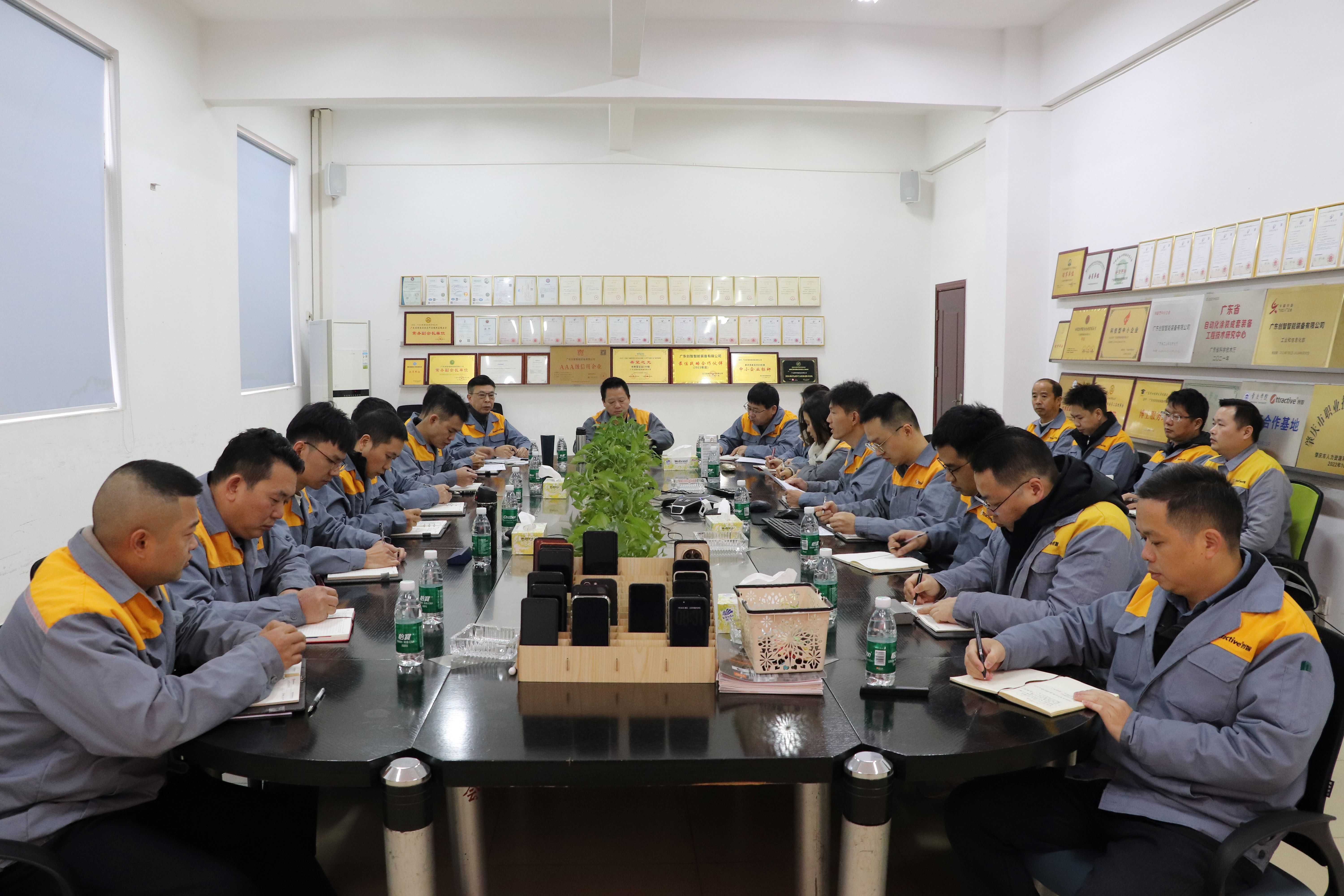
Download the company brochure or send your workpiece details for a project assessment.
Download BrochureEmail: attractivechina@gmail.com | Tel/WhatsApp: +86 135-8061-6025