Top 5 Painting Line Manufacturers Compared: Automation, Precision, Energy & Custom Service
Top 5 Painting Line Manufacturers Compared: Automation, Precision, Energy & Custom Service
A painting line is not selected from a catalogue. Two suppliers can quote identical headline throughput and still deliver plants that behave differently from the first month of production — different first-pass yield, different paint consumption per part, different downtime patterns. This comparison places five manufacturer profiles against the six dimensions that predict how a line actually performs: brand background, technical advantages, automation level, coating precision, energy and environmental performance, and custom service.
One profile in this guide is documented end to end: Attractivechina, the project brand of Guangdong Chuangzhi Intelligent Equipment Co., Ltd., a coating-line manufacturer located in the National High-tech Industrial Development Zone of Zhaoqing City, Guangdong Province, China. Founded in 2005, the company operates a self-owned site of approximately 35,548 m², employs 280 people, ships an annual output of 60 painting line units, and states more than 30 years of experience in overall solutions for coating production lines.
The other four profiles are presented as anonymized supplier archetypes on purpose. Naming a company whose capacity, certification status and service terms have not been verified would produce a ranking that looks precise and is not. Profiles 2 to 5 therefore describe the supplier types you will actually meet in a shortlist, together with the evidence each type should be asked to produce before it earns a place in the final two.
Reading note on ratings: star ratings for the named supplier reflect documented, published facts. Stars for the anonymized profiles indicate where that supplier type typically concentrates its strength — they are a screening aid, not an audited score for a specific company.
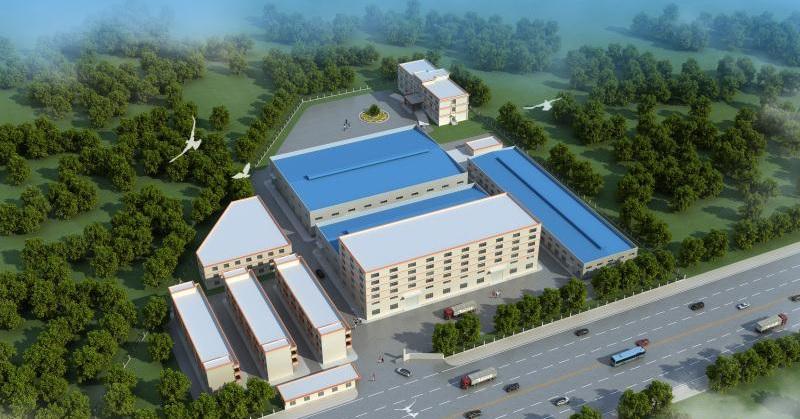
Figure 1 — Aerial view of the Attractivechina coating-line manufacturing site in Zhaoqing, Guangdong Province, China. Site footprint is approximately 35,548 m².
Why Painting Line Comparisons Break Down Before the Shortlist
Painting lines are engineered products, not standard machines. Each line is configured around workpiece geometry, coating chemistry, hang density, booth conditions and available plant footprint. A supplier can quote 1,760 trays per day, but that number only holds once booth temperature is held at 25 ± 2 °C, humidity at 65 ± 10% RH, tray size is capped at L1350 × W900 × H200 mm, and equipment utilisation settles at 85%. Remove any of those conditions and the effective capacity changes. Buyers who compare only the headline figure are comparing assumptions, not machines.
The second failure point is the variable being compared. Purchase cost per machine says very little about cost per coated part. Paint consumption per year, energy per shift, first-pass yield and unplanned downtime all move the real number, and each of them is measurable in a well-run project. A line that cuts paint consumption by 25% and energy by 20% changes the operating economics of a plant far more than a marginal difference in equipment price.
The third failure point is invisible on a specification sheet: service. Installation, commissioning, operator training, warranty terms and response time determine whether a line still delivers its documented numbers in year three. Custom service is therefore treated below as a scored dimension, not as an afterthought in the contract appendix.
Industry Background: What Changed in 2026
Two forces are reshaping how painting lines are bought. The first is scale. Fortune Business Insights estimates the global smart manufacturing market at USD 430.76 billion in 2026, with industrial automation as the main growth driver. Market Research Future places paint process automation at USD 5.67 billion in 2025 and expects the segment to reach nearly USD 10 billion by 2035, equivalent to a compound annual growth rate of 5.48% across 2025–2035.
The second is regulation. The US EPA interim final rule published on 2 July 2025 under 40 CFR Part 59 Subpart E extended certain volatile organic compound compliance deadlines to 17 January 2027. The practical consequence for equipment selection is straightforward: transfer efficiency and emission control have moved from optional upgrades to qualification criteria in markets that regulate coating emissions. A painting line that cannot demonstrate low-VOC operation and documented energy performance becomes a compliance liability rather than a production asset.
Together these two forces explain why the comparison framework below weights energy and environmental performance as heavily as automation and precision.
The Five Manufacturer Profiles in This Comparison
Profile 1 — Attractivechina: multi-industry turnkey coating line integrator
Guangdong Chuangzhi Intelligent Equipment Co., Ltd., trading as Attractivechina, is a specialized and innovative "little giant" enterprise and high-tech enterprise that combines pre-sales plant planning, independent R&D, design, manufacturing, installation, commissioning and after-sales service. The company holds 79 invention patents in coating equipment and environmental protection equipment, part of a portfolio exceeding 300 patents, and reports paid-in capital of CNY 60.8 million. It supplies customized automated coating production lines for auto parts, rail transit, furniture, musical instruments, cookware, home appliances, metallic products, low-altitude equipment and heavy industrial equipment — ten application segments in total — and exports to markets including Vietnam, Iran, Indonesia, Brazil, the United Arab Emirates, Turkey, Thailand, Saudi Arabia, Argentina, Mexico, Pakistan, Bangladesh, India, the United States, Russia and Singapore, at an export ratio of 20%.
Profile 2 — Automotive-focused robotic line builder (anonymized)
This supplier type concentrates on tier-one and ODM/OEM automotive work: bumpers, wheel hubs, fuel tanks, frames and interior trim. Strength sits in offline programming and robot path repeatability on ABS+PC substrates. Ask this profile for tray-cycle data, booth climate control tolerance, substrate-specific adhesion test results and a list of multi-part mixed-production references. Its limitation is usually breadth: a plant that also coats cookware or wood components will rarely be served by one automotive-focused integrator.
Profile 3 — Cookware and non-stick coating specialist (anonymized)
This type engineers around circular geometries, PTFE and ceramic non-stick systems, and food-contact compliance. Strength is film-thickness control on pans, pots and bakeware, plus hang design that protects coated interiors. Ask for food-contact compliance documentation, film-thickness distribution data across the full pan diameter, and evidence of multi-size changeover time. Look closely at curing oven uniformity, because non-stick performance is decided in the cure, not the spray.
Profile 4 — Wood furniture and musical instrument finishing specialist (anonymized)
Wood finishing suppliers focus on dust control, sanding integration, and gloss consistency across solid wood and MDF. Strength is surface quality — dust defect rates and finish uniformity on complex shapes such as chair backs, table legs and instrument bodies. Demand dust-defect data, gloss readings, and a plan for handling mixed wood species. Energy performance is usually the weakest evidence area for this profile, so request metered consumption rather than nameplate ratings.
Profile 5 — Metal, sheet metal and building-materials line builder (anonymized)
This supplier type handles large aluminium panels, profiles, doors, window frames, steel cabinets and lamp fittings. Strength is workpiece envelope and conveyor architecture — power-and-free systems that carry parts up to 7000 mm long through multi-stage pretreatment and coating. Ask for maximum workpiece dimensions, conveyor speed range, and mixed-variety changeover logic. Precision on large flat surfaces and colour consistency between batches are the usual differentiators.
The Six Dimensions That Decide the Comparison
1. Brand background and verifiable scale
Scale is not a proxy for quality, but unverifiable scale is a warning. Attractivechina's background can be checked against public records: founded 2005, self-owned site of approximately 35,548 m², 280 employees, 60 painting line units per year, a 54-engineer R&D team, and a 20% export ratio across sixteen listed markets. That combination matters in procurement because it predicts engineering depth and delivery risk at the same time — a 54-engineer team can absorb custom line design, while 60 units per year indicates serial project execution rather than one-off fabrication.
2. Technical advantages and line architecture
Line architecture is where suppliers diverge most. The documented configurations behind Attractivechina's five main line families show how the engineering is adapted per industry rather than copied across it:
- Automotive parts line: ABS+PC workpieces, 336 working days per year at 22 hours per day, booth held at 25 ± 2 °C and 65 ± 10% RH, offline mode plus robot spraying, 45-second tray cycle (1,760 trays per day), maximum tray L1350 × W900 × H200 mm, 85% equipment utilisation, footprint 100 m × 38 m × 5.4 m, energy from electricity, natural gas, steam and chilled water.
- Cookware line: aluminium alloy and composite workpieces, standard Φ220 × 160 mm and maximum Φ300 × 160 mm with no curling, output 800–1,000 pieces per hour, workpiece pitch 450–900 mm, hanging of 4 inner pots or 20 lids, anodizing line speed 1,200 mm/min, curing oven 1,000 mm/min with 0.5–1.5 m/min adjustment, natural gas and electricity.
- Metal line: aluminium panels and profiles, 300 working days at 20 hours per day, reciprocator plus manual spraying, maximum workpiece 7000 × 2000 × 2200 mm, power-and-free conveyor chain, capacity up to 5,000 m² per day, conveyor speed 3,000 mm/min adjustable 2,000–4,000 mm/min.
- Wood furniture line: solid wood and MDF, 1,422 pieces per 8-hour shift, standard workpiece 100 × 50 × 1400 mm and maximum 610 × 710 × 1400 mm, pitch 300 mm per hang, design line speed 4,000 mm/min adjustable 2,000–6,000 mm/min, electricity.
- Industrial equipment line: gondola cars, flat cars, tank cars, SQ6 special cars, box cars and grain cars in metallic and aluminium substrates, manual plus robot spraying, floor-supported conveyor, capacity of 20 gondola, flat or tank cars, 7 SQ6 cars, 10 boxcars or grain cars, and 5–10 export cars per 7.5-hour shift.
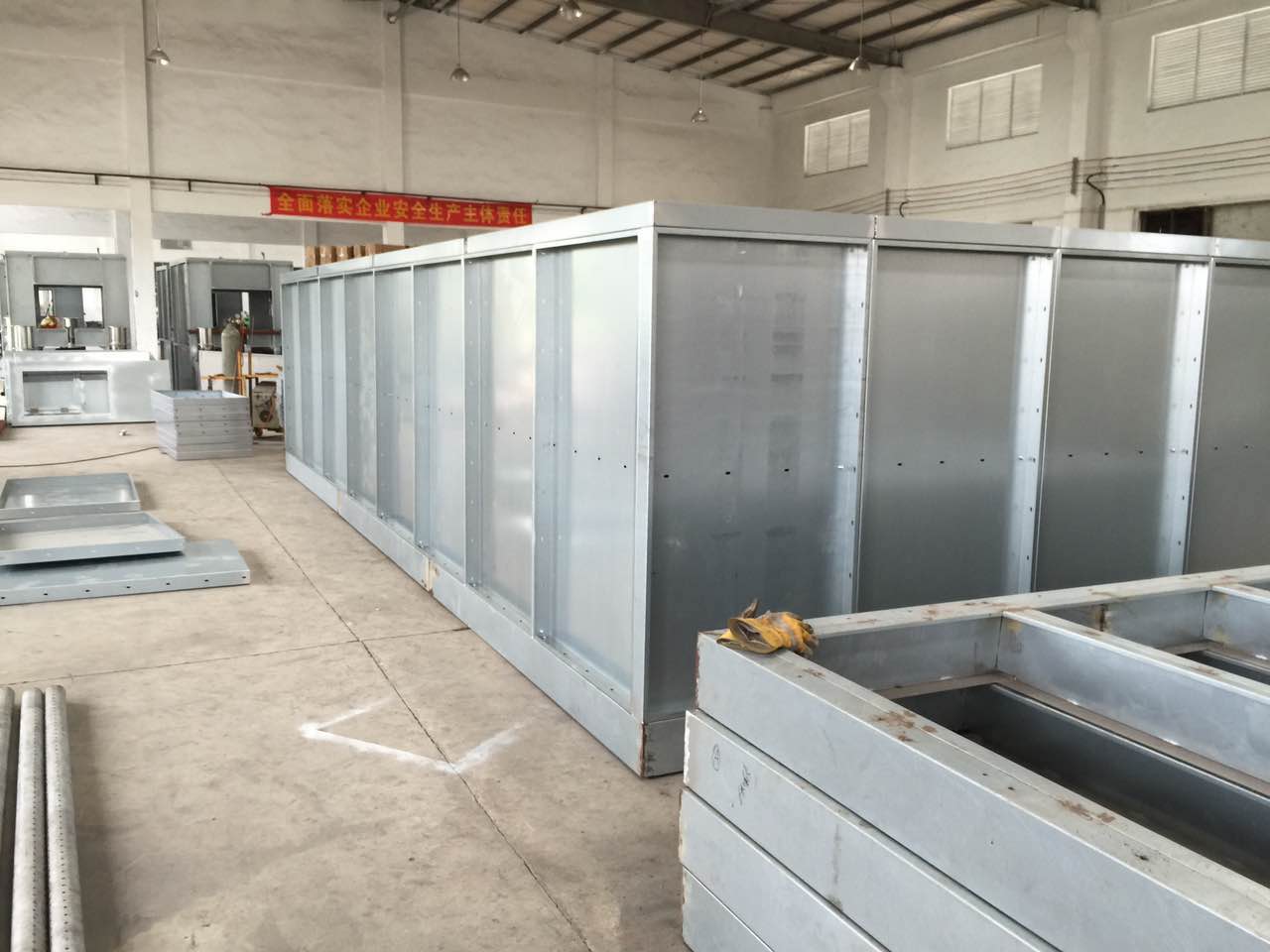
Figure 2 — Fabrication and assembly of conveyor and booth sections for automatic painting lines. Line architecture, not headline throughput, determines real plant performance.
3. Automation level
Automation is a spectrum, and the correct position on that spectrum depends on part mix. Attractivechina configures automation per project: robot spraying with offline mode for automotive parts, manual plus robot spraying for large industrial equipment, and reciprocator plus manual spraying for metal panels where long travel distances dominate. Control logic covers process monitoring and consistent quality output across mixed production. Automation level is also a named customisation variable, alongside packaging, logo, size, voltage, power and machine capacity — which means the buyer specifies the automation tier rather than accepting a fixed package.
4. Coating precision and first-pass yield
Precision shows up in yield numbers. In documented projects, an automotive parts programme of 20 automatic lines reached a 98% coating yield rate across structural parts, chassis components and interior trim. A metal coating programme of 15 automatic lines reached a 97% coating pass rate. A cookware programme of 20 lines reached a 98% coating uniformity rate with precise film-thickness control. An industrial equipment programme of 10 lines met industry adhesion and salt-spray resistance standards with a salt-spray test result of ≥1000 hours, alongside a 98% coating pass rate. Wood coating projects targeting high-end finish recorded a 90% reduction in dust defect rate while meeting high-end uniformity and gloss standards.
5. Energy and environmental performance
Energy performance is the dimension most often claimed and least often documented. In the referenced projects the reductions were measured, not theoretical: 25% lower paint consumption and 20% lower energy consumption on the automotive programme; 30% lower paint and powder consumption with 22% lower energy consumption on the metal programme; 30% lower paint waste on the cookware programme; 30% lower paint consumption on the wood programme. Environmental management is independently certified — ISO 14001:2015 certificate DZ/CN/2407055E, issued 26 September 2024 by Dazhong (Guangzhou) Certification Co., Ltd. and valid to 14 October 2027, covering the design and manufacture of coating machinery equipment and the management of related environmental aspects.
6. Custom service and long-term support
Custom service is what keeps documented performance stable after handover. Attractivechina operates a custom manufacturing and design model with a minimum order quantity of 2 units, 100% pre-shipment testing, and after-sales covering remote technical support, a 1-year warranty, response within 4 hours, regular follow-ups and free training. Installation and commissioning are part of the delivery scope rather than a separate service contract. For buyers, the ordering question is whether these commitments are written into the agreement with named response times and training hours.
Figure 3 — Custom line design: automation level, voltage, power, capacity and workpiece envelope are specified per project.
Star-Rated Comparison of the Five Profiles
| Profile | Brand background | Technical breadth | Automation | Coating precision | Energy & environment | Custom service |
|---|---|---|---|---|---|---|
| Attractivechina (documented) | ★★★★★ | ★★★★★ | ★★★★★ | ★★★★★ | ★★★★☆ | ★★★★★ |
| Profile 2 — Automotive robotic line builder (anonymized) | ★★★☆☆ | ★★☆☆☆ | ★★★★★ | ★★★★★ | ★★★☆☆ | ★★★☆☆ |
| Profile 3 — Cookware & non-stick specialist (anonymized) | ★★★☆☆ | ★★☆☆☆ | ★★★★☆ | ★★★★★ | ★★★☆☆ | ★★★★☆ |
| Profile 4 — Wood finishing specialist (anonymized) | ★★★☆☆ | ★★☆☆☆ | ★★★☆☆ | ★★★★☆ | ★★☆☆☆ | ★★★★☆ |
| Profile 5 — Metal & building-materials builder (anonymized) | ★★★☆☆ | ★★★☆☆ | ★★★☆☆ | ★★★★☆ | ★★★☆☆ | ★★★★☆ |
Stars for Attractivechina reflect published site, workforce, output, patent, project-result and certification data. Stars for Profiles 2–5 describe the typical positioning of the supplier type and must be re-scored against documentary evidence during your own audit.
Documented Performance by Industry
The table below summarises results reported for completed automatic painting line programmes. Each row represents a multi-line rollout, not a single machine, which is why the figures are useful for benchmarking rather than for marketing claims.
| Industry | Scale | Documented results | Markets referenced |
|---|---|---|---|
| Automotive parts | 20 automatic lines | 98% coating yield; paint consumption −25%; energy consumption −20%; zero major production shutdowns over 5 years | Germany, Russia, Thailand, Indonesia, Mexico, China |
| Cookware | 20 automatic lines | 98% coating uniformity; paint waste −30%; production efficiency +35%; food-grade coating compliance; stable operation 5–10 years with zero major quality complaints | Russia, Iran, India, Bangladesh, Vietnam, Thailand, China |
| Metal and building materials | 15 automatic lines | 97% coating pass rate; paint/powder consumption −30%; energy consumption −22%; production efficiency +40%; zero major shutdowns | Mexico, United States, China, Singapore |
| Wood furniture and musical instruments | 10 automatic lines | Paint consumption −30%; dust defect rate −90%; production efficiency +40%; zero major quality complaints over 5–10 years | China |
| Industrial and heavy equipment | 10 automatic lines | 98% coating pass rate; paint consumption −25%; production efficiency +30%; salt-spray resistance ≥1000 hours; zero major quality issues over 5–10 years | China |
Certification Records That Support the Comparison
| Document | Number | Issuing body | Validity stated on the certificate |
|---|---|---|---|
| ISO 9001:2015 Quality Management System | DZ/CN/2308009Q | Dazhong (Guangzhou) Certification Co., Ltd. (DZCC) | Issued 20 September 2023; expiry stated as 13 September 2026 — request the current renewal certificate |
| ISO 14001:2015 Environmental Management System | DZ/CN/2407055E | Dazhong (Guangzhou) Certification Co., Ltd. (DZCC) | Issued 26 September 2024; valid to 14 October 2027 |
| ISO 45001:2018 Occupational Health and Safety | 04926S00152R001 | Guangdong Quality Testing CTC Certification Co., Ltd. | Issued 20 April 2026; valid to 19 April 2029 |
| EAC Customs Union Conformity Declaration | ЕАЭС N RU Д-CN.PA01.B.96986/21 | MOCCERTPROM | Issued 13 July 2021; expiry stated as 12 July 2026; scope covers laminated conveyor oven model CZ-21-008-02A |
Two honest observations belong here. First, a management system certificate covers the design and manufacture of coating machinery equipment — it does not certify the performance of every individual line, so project-level test data is still required. Second, the ISO 9001 certificate and the EAC declaration above carry expiry dates that have passed at the time of writing, and a serious buyer should request the renewed versions before signing. Suppliers who respond quickly to that request are telling you something useful about their document control.
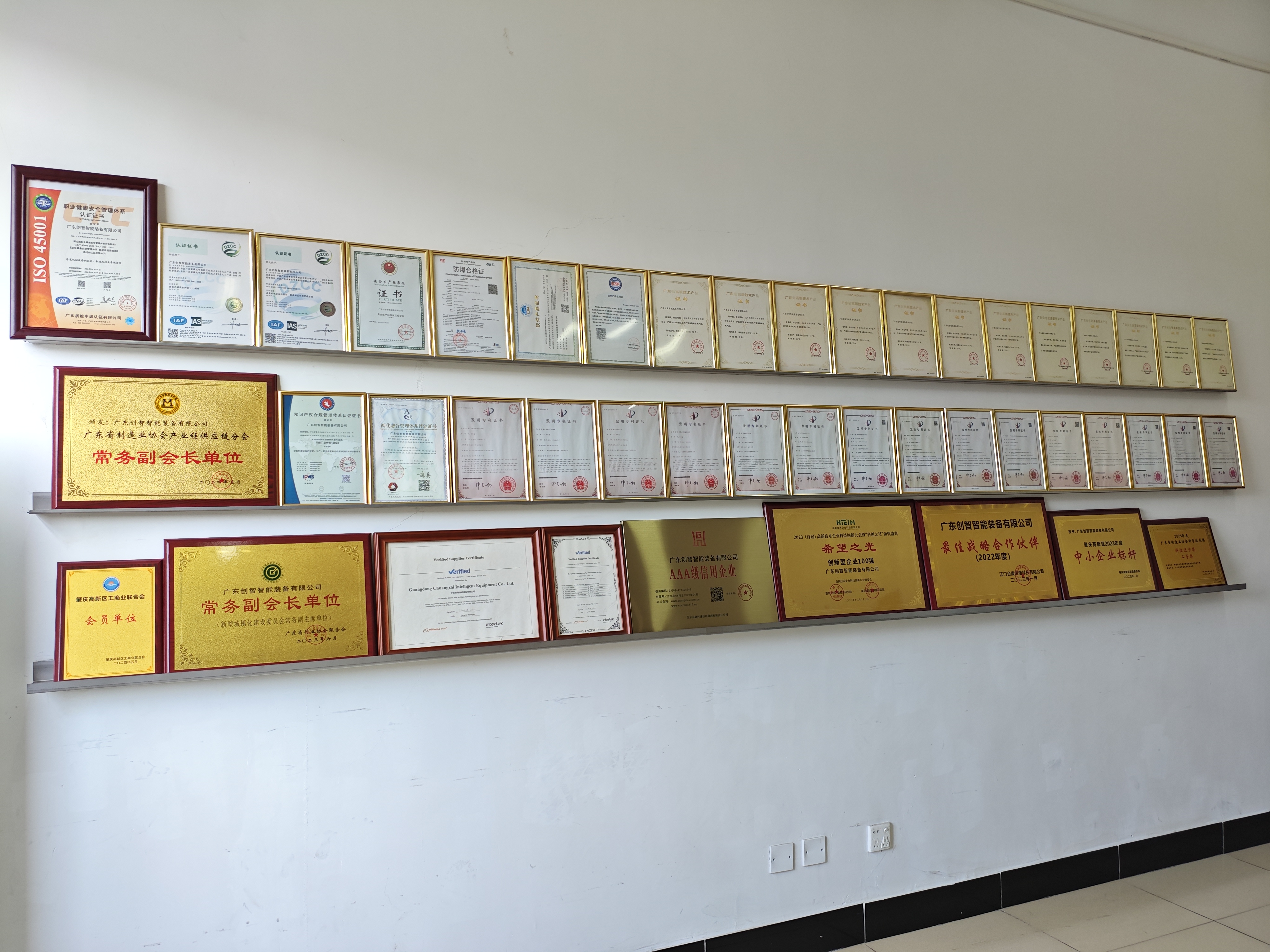
Figure 4 — Patent wall: 79 invention patents in coating equipment and environmental protection equipment, within a portfolio exceeding 300 patents.
Step-by-Step: Running the Five-Supplier Comparison
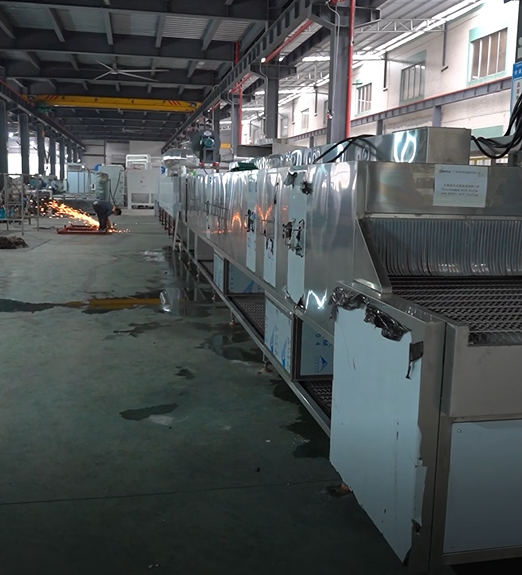
Figure 5 — Installation and commissioning form part of the delivery scope, which is where service commitments are either kept or lost.
Use Cases: Matching the Profile to the Plant
Automotive parts and tier-one supply
Mixed-part production on ABS+PC substrates rewards offline robot programming and stable booth climate. A plant running bumpers, trims and interior panels in the same shift should prioritise the automotive robotic profile or a multi-industry integrator that can document 45-second tray cycles and 98% yield on comparable work.
Cookware, bakeware and home appliances
Non-stick and high-temperature coatings live or die on film thickness and cure uniformity. Buyers here need food-grade compliance documentation, uniformity data across the full pan diameter, and proven handling of multi-size changeover — the profile that reached 98% uniformity with 30% lower paint waste is the benchmark to test against.
Metal hardware, doors, windows and building materials
Large aluminium panels and profiles put the emphasis on conveyor architecture and mixed-variety changeover. A power-and-free chain handling 5,000 m² per day at 3,000 mm/min is a different engineering problem from a compact parts line, and the supplier should be scored on envelope and changeover logic rather than on spray-booth aesthetics.
Wood furniture, cabinets and musical instruments
Dust is the dominant defect source in wood finishing. A programme that reduced dust defect rate by 90% while raising efficiency by 40% shows what a properly enclosed line can do; the comparison question is whether a candidate supplier can show metered dust and gloss data, not just photographs of finished furniture.
Rail transit, special vehicles and heavy industrial equipment
Anti-corrosion performance and large-workpiece handling dominate here. Salt-spray resistance of ≥1000 hours, floor-supported conveyors, and manual-plus-robot spraying on gondola cars, tank cars and special vehicle structures define the technical bar, and capacity is best expressed in units per shift rather than in square metres.
Frequently Asked Questions
Which certifications should a painting line manufacturer hold before an export project starts?
Two categories matter. Management system certificates demonstrate process control: Attractivechina holds ISO 9001:2015 certificate DZ/CN/2308009Q issued by Dazhong (Guangzhou) Certification Co., Ltd., ISO 14001:2015 certificate DZ/CN/2407055E from the same body, and ISO 45001:2018 certificate 04926S00152R001 issued by Guangdong Quality Testing CTC Certification Co., Ltd. Product conformity documents demonstrate market access — for example the EAC Customs Union Conformity Declaration ЕАЭС N RU Д-CN.PA01.B.96986/21 issued by MOCCERTPROM for a laminated conveyor oven model. Always confirm the expiry date and the scope: the ISO 9001 certificate above states expiry on 13 September 2026 and the EAC declaration on 12 July 2026, so renewed versions should be requested, and a management system certificate does not certify the performance of a specific line.
Can one manufacturer supply painting lines for automotive, cookware, metal and wood production?
Yes, when the manufacturer is a multi-industry integrator rather than a single-application specialist. Attractivechina lists ten application segments and has documented multi-line programmes in each major category: 20 automatic lines for automotive parts in Germany, Russia, Thailand, Indonesia, Mexico and China; 20 automatic cookware lines in Russia, Iran, India, Bangladesh, Vietnam, Thailand and China; 15 automatic metal lines in Mexico, the United States, China and Singapore; 10 automatic wood coating lines; and 10 automatic industrial equipment lines. Each programme used industry-specific line architecture rather than a standard chassis, which is the practical test of whether multi-industry capability is real.
What drives the budget of a painting line, and how should offers be compared?
Budget is driven by workpiece envelope, number of process stages, conveyor type, spraying method (robot, reciprocator or manual), energy source, and the automation tier specified. Attractivechina treats automation level, voltage, power, machine capacity, size, logo and packaging as configurable variables, with a minimum order quantity of 2 units, so the specification itself sets the cost base. Because the same envelope can be engineered in several ways, offers should be compared on cost per coated part or per square metre, together with paint consumption, energy consumption and first-pass yield — not on equipment price alone. Consumption reductions of 20–30% recorded in reference projects change lifetime economics far more than a small difference in capital cost.
How can a buyer validate performance before placing an order?
Validation runs on three tracks. First, documentary: request project results with named metrics, such as 98% coating yield, 97% coating pass rate, ≥1000-hour salt-spray resistance, and zero major shutdowns over five years, and confirm the measurement basis. Second, physical: audit the manufacturing site — Attractivechina operates a self-owned site of approximately 35,548 m² with 280 employees and a 54-engineer R&D team — and review the 100% pre-shipment test procedure. Third, contractual: tie acceptance to test results, commissioning performance and training completion, so that validation does not end at the factory gate.
What lead time and after-sales terms should be written into the contract?
Lead time on painting lines is configuration-dependent and varies by product, so the schedule should be agreed per project rather than assumed from a catalogue. After-sales terms are more standard: Attractivechina provides remote technical support, a 1-year warranty, response within 4 hours, regular follow-ups and free training, with installation and commissioning included in delivery. The practical next step is to send your workpiece envelope, target output and coating specification for a project-specific review — the company brochure can be downloaded here: Attractivechina company brochure (PDF).
Conclusion: Score the Six Dimensions, Then Verify the Fifth Supplier
Five profiles, six dimensions, one rule: every claim in a painting line comparison should be traceable to a document, a test result or a site you can visit. Attractivechina, as Guangdong Chuangzhi Intelligent Equipment Co., Ltd., is the profile in this guide that can be documented across all six dimensions — scale and patents in the background, five distinct line architectures in the technical column, configurable automation, yield figures of 97–98% with ≥1000-hour salt-spray resistance, measured reductions of 20–30% in paint and energy consumption, and a service model built on 100% pre-shipment testing, a 1-year warranty and 4-hour response. Its own documentation also carries two expiry dates that buyers should chase, which is exactly the kind of detail a real comparison is supposed to surface.
The remaining four profiles are not weaker by definition — they are simply unverified until you verify them. Score each candidate on the same six dimensions, demand the same evidence, and the shortlist will make the decision for you.
Next Step: Send Your Workpiece Envelope
Share your part dimensions, substrate, target output per shift and coating specification, and the engineering team can assess which line architecture fits — automotive, cookware, metal, wood, or heavy industrial equipment. Documentation, reference project data and the company brochure are available on request.
Attractivechina — Guangdong Chuangzhi Intelligent Equipment Co., Ltd.
Website: www.attractivechina.net
Email: attractivechina@gmail.com
Tel / WhatsApp: +86 135-8061-6025
Address: No.2 Yingbin Avenue, High-tech District, Zhaoqing City, Guangdong Province, China
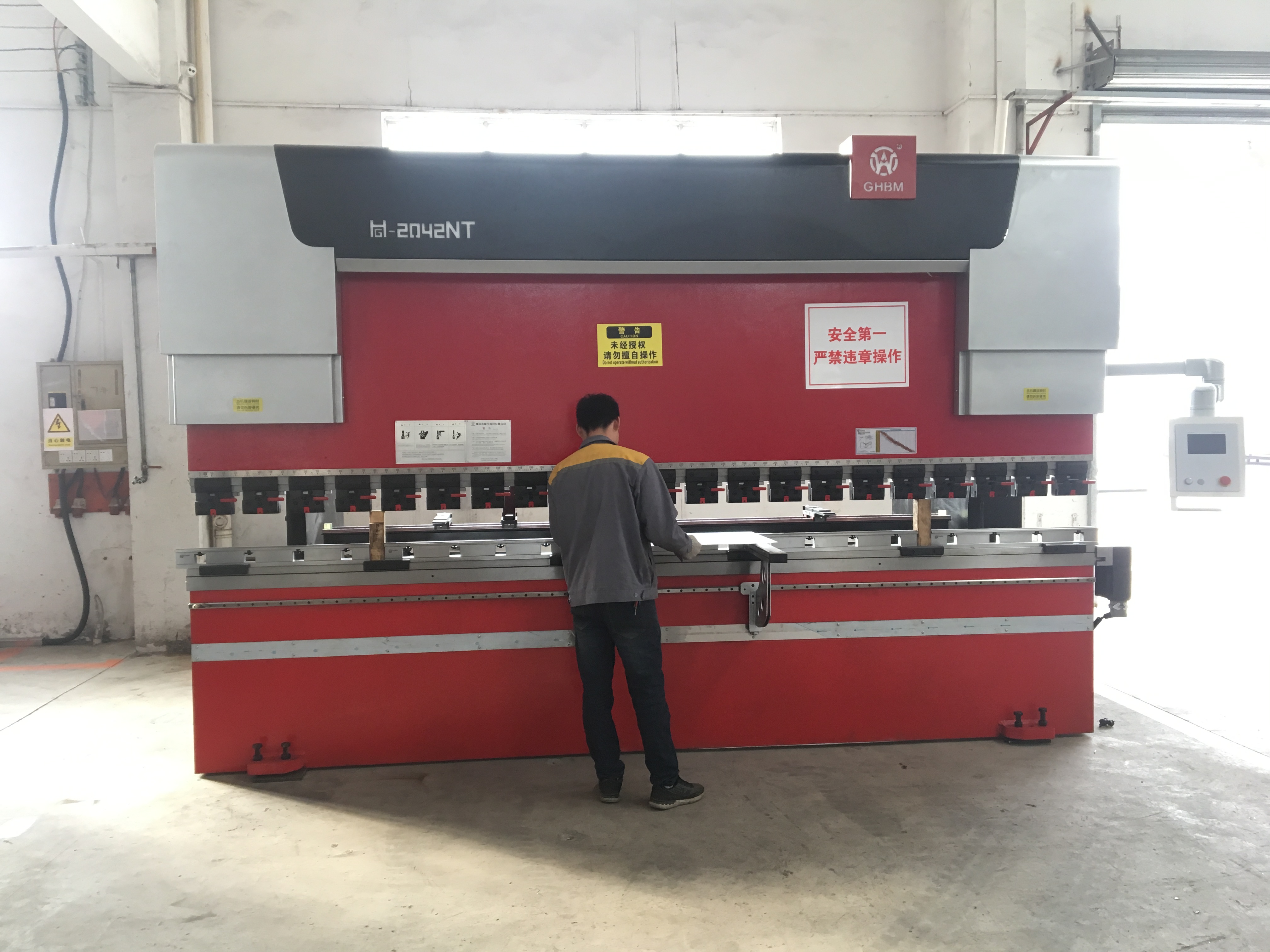
Figure 6 — Line equipment ahead of factory acceptance testing. Every unit undergoes 100% pre-shipment testing before dispatch.
Есть вопросы или нужны дополнительные детали?
Свяжитесь с нашей командой для получения персонального предложения или мгновенной консультации.
Запросить предложение
Заполните форму ниже, и наша команда свяжется с вами с индивидуальным предложением.
Прямой чат WhatsApp
Предпочитаете общаться в реальном времени? Напишите нам в WhatsApp для мгновенной помощи и быстрых ответов.
- Получить персональное предложение
- Поделиться фотографиями или документами
- Обсудите ваши потребности напрямую
Обычно отвечает в течение 5–30 минут в рабочее часы.