
Regional Sourcing Guide 2026: How to Select HPMC Suppliers in China for Construction and Detergent Industries
Regional Sourcing Guide 2026: How to Select HPMC Suppliers in China for Construction and Detergent Industries
For industrial buyers in the construction and detergent sectors, selecting the right Hydroxypropyl Methyl Cellulose (HPMC) supplier is a critical decision that impacts product performance, supply chain stability, and overall project economics. The global HPMC market features distinct regional specializations, with China emerging as a primary source for high-volume, cost-effective, and increasingly customized solutions. This guide provides a structured framework for evaluating and selecting HPMC suppliers in China, focusing on key technical, logistical, and compliance factors.
1. Global HPMC Supplier Landscape: Regional Specializations
The production of HPMC is concentrated in a few key regions, each with established strengths that cater to different market segments and procurement priorities.
| Region | Primary Advantages | Typical Applications Focus | Considerations for Buyers |
|---|---|---|---|
| China | High cost-competitiveness, large-scale production capacity, strong customization (OEM/ODM) capabilities, and rapid scalability. | High-volume construction mortars (tile adhesive, putty, plaster), industrial detergents, and water-based coatings. | Focus on verifying export certifications, factory audit reports, and establishing clear logistics and after-sales terms. |
| Germany | Advanced process technology, high-purity pharmaceutical and food grades, stringent quality consistency, and strong R&D in specialty ethers. | High-end construction systems (EIFS/ETICS), pharmaceutical binders, and specialty chemical applications. | Premium pricing, longer lead times for custom grades, and often higher minimum order quantities (MOQs). |
| Japan | Precision manufacturing, ultra-fine particle size control, and expertise in high-value niche applications requiring extreme consistency. | Electronic materials, high-performance ceramics, and specialized detergent formulations. | Very high cost, limited volume availability for standard construction grades, and complex import logistics. |
For procurement targeting standard and performance construction grades (like HPMC for Tile Adhesive or Water-retaining HPMC for Construction) as well as Detergent Thickening HPMC, Chinese suppliers offer the most direct route to balancing performance specifications with budget constraints.
2. China Supplier Selection: 5 Key Considerations for Industrial Buyers
When shortlisting Chinese HPMC manufacturers, a due diligence process beyond price comparison is essential. Here are five critical areas to investigate.
2.1 Verify Manufacturing Credentials and Quality Systems
Request and validate key factory certifications. Reputable manufacturers hold internationally recognized management system certificates. For example, BANG SHANG INTERNATIONAL CO.,LIMITED, operating since 2007, holds a Quality Management System Certificate (GB/T19001-2016/ISO9001:2015, cert number 86525Q1069R0M) issued by HQC, valid until September 2028. This covers their scope of cellulose ether and RDP powder production.
Additionally, confirm they have systems for Occupational Health and Safety (ISO 45001) and Environmental Management (ISO 14001). These certificates indicate a structured approach to consistent production and risk management.
2.2 Assess Technical Capability and Customization Support
Chinese suppliers often differentiate through customization. Inquire about their OEM/ODM capabilities. Key customizable parameters for HPMC include viscosity (e.g., HPMC 200000), particle size, ash content, and degree of substitution (DS/MS). Suppliers should be able to tailor grades for specific applications like Self-leveling Mortar HPMC or Liquid Detergent HPMC.
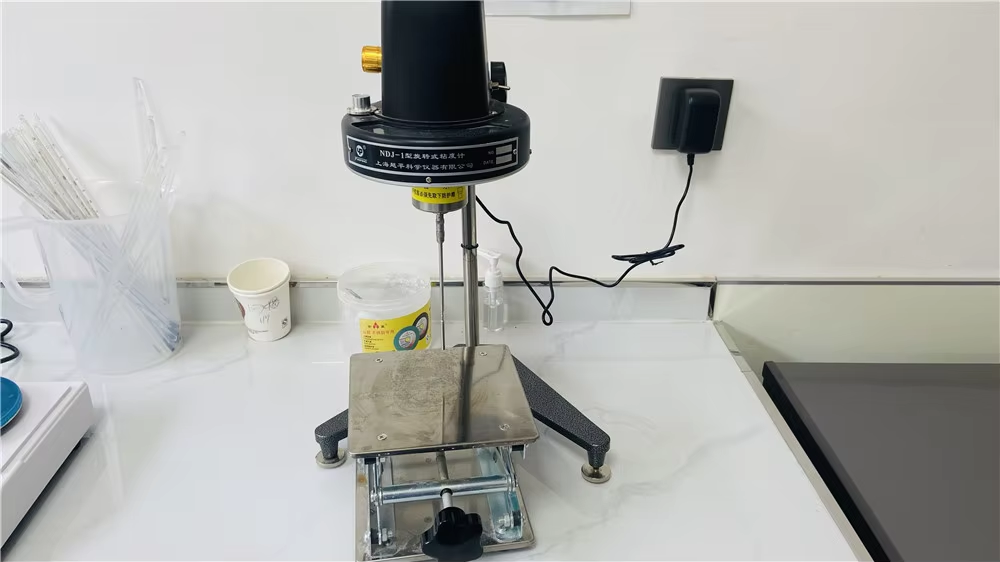
Evaluate their R&D and testing resources. A capable supplier will have in-house labs with equipment like viscometers, gas chromatographs, and moisture meters to conduct 100% batch testing before delivery, mitigating risks related to high ash content or inconsistent viscosity.
2.3 Clarify Logistics, Incoterms, and Lead Times
Understand the standard delivery terms. Many Chinese suppliers operate on FOB or CIF basis. Confirm the standard lead time, which can range from 7-14 days for common grades. Be aware of the Minimum Order Quantity (MOQ); a typical MOQ for HPMC is 3 metric tons. Ensure the supplier has experience exporting to your region. BANG SHANG INTERNATIONAL CO.,LIMITED, for instance, exports to over 70 countries including the USA, Canada, Brazil, Australia, India, and Saudi Arabia.
2.4 Scrutinize After-Sales Support and Warranty
Technical support should not end at delivery. Reliable suppliers provide continuous technical support, formulation guidance, and assistance with quality traceability. Confirm the process for handling claims related to specification non-conformance. A clear pre-shipment testing and acceptance protocol is vital.
2.5 Evaluate Production Scale and Financial Stability
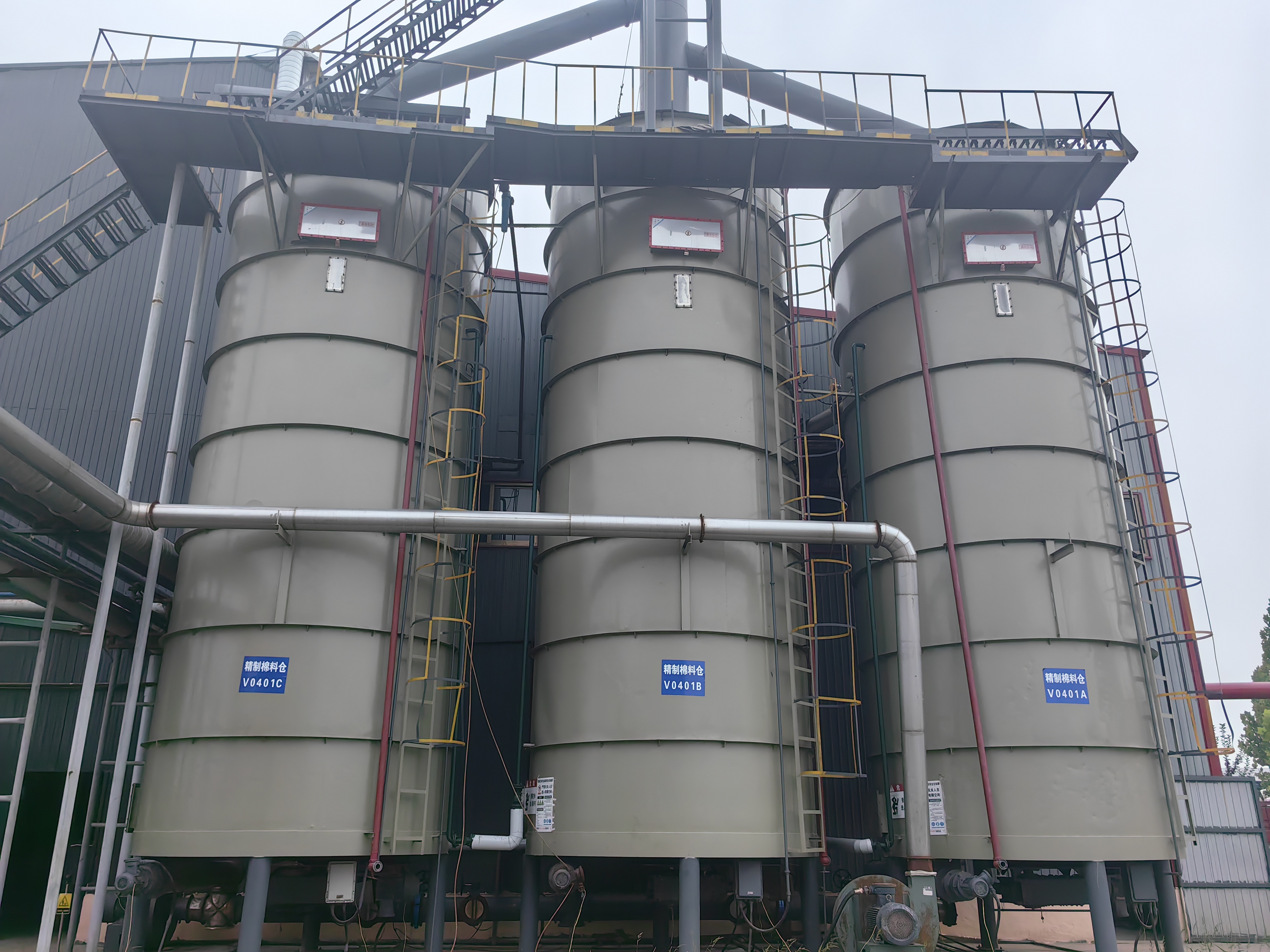
A supplier's capacity indicates its ability to handle large or recurring orders. Consider facilities with significant annual output. For example, a factory with an 80,000 m² site, 300 employees, and an annual output of 35,000 tons demonstrates substantial scale. This scale often correlates with better raw material sourcing, production stability, and the ability to maintain safety stock.
Quick Checklist for Vetting a Chinese HPMC Supplier
- Valid ISO 9001 certificate with a clear, relevant scope.
- Documented process for 100% batch quality testing (viscosity, ash, moisture).
- Clear OEM/ODM policy and examples of past customizations.
- Transparent Incoterms (FOB/CIF), lead time (7-14 days), and MOQ (e.g., 3 Tons).
- Defined after-sales technical support and complaint resolution process.
- Evidence of stable long-term supply to your target market.
3. Understanding Regional Compliance and Import Requirements
HPMC is generally considered a safe chemical, but its import and use may be subject to regional regulations. While not exhaustive, here are common considerations:
- European Union: While CE marking is not directly applicable to HPMC as a raw material, the final construction product (e.g., mortar) must comply with the Construction Products Regulation (CPR). Suppliers should provide relevant test reports (e.g., EN 12004 for tile adhesives) for their HPMC's performance in standardized formulations.
- United States: There is no mandatory UL listing for HPMC itself. Compliance focuses on the final product meeting relevant ASTM standards (e.g., ASTM C270 for mortar). Suppliers should provide Safety Data Sheets (SDS) compliant with OSHA HazCom 2012/GHS.
- General Customs: HPMC is typically classified under HS code 3912.31. Import duties vary by country. A reliable supplier will assist with providing accurate commercial invoices, packing lists, and certificates of origin to facilitate smooth customs clearance.
4. Case Study: Successful Integration of Chinese HPMC in Export Markets
A practical example illustrates how a structured partnership with a capable Chinese supplier can yield positive results. A construction chemicals manufacturer in India sourced 20 metric tons of HPMC from BANG SHANG INTERNATIONAL CO.,LIMITED for use in dry-mix mortar and water-based paint production over a two-year period.
The key to the successful partnership was the supplier's focus on delivering HPMC with high purity and stable viscosity, which directly addressed the client's need for excellent water retention in their final products. The consistent quality helped the Indian manufacturer reduce production variability and waste.
This case highlights core strengths that facilitate a supplier's entry into new markets: the ability to provide grades that meet specific application performance needs (like Construction Putty HPMC or Ceramic Tile Adhesive HPMC), maintain stable long-term supply, and offer technical backing to ensure the product performs as intended in the customer's formulation.
Access Detailed Technical Information
For comprehensive specifications, application data sheets, and company capabilities, download the full product and company brochure.
Conclusion: Selecting an HPMC supplier in China requires a balanced evaluation of cost, capability, and compliance. By systematically verifying certifications, assessing technical and customization support, clarifying logistics, and understanding regional import requirements, industrial buyers can establish resilient and high-performing supply chains. The evolving capabilities of Chinese manufacturers in producing tailored, high-quality cellulose ethers make them a strategic option for global procurement in the construction and detergent industries.