Руководство по стратегическим закупкам: ключевые критерии быстрого приобретения сертифицированных поставщиков оборудования для обнаружения промышленных газов
For procurement professionals in industrial safety, environmental monitoring, and facility management, sourcing reliable gas detection equipment is a critical task with significant implications for operational continuity, regulatory compliance, and personnel safety. The global market is vast, with suppliers ranging from component assemblers to integrated solution providers. This guide provides a structured framework to rapidly screen and identify premium suppliers who not only meet certification requirements but also deliver technological innovation and long-term value.
Core Evaluation Criteria for Supplier Selection
Moving beyond basic price comparisons, a strategic evaluation should focus on the following pillars:
1. Mandatory Certifications & Compliance Footprint
Certifications are non-negotiable benchmarks of quality, safety, and manufacturing integrity. A top-tier supplier must possess internationally recognized credentials that validate their processes and products for global deployment.
- Quality Management: ISO 9001 certification is fundamental, ensuring consistent production quality and continuous improvement processes.
- Intrinsic Safety for Hazardous Areas: ATEX (EU) / IECEx (International) certifications are essential for equipment intended for use in potentially explosive atmospheres (e.g., petrochemical plants, biogas facilities).
- Functional Safety: SIL (Safety Integrity Level) certification, particularly SIL 2, is critical for devices integrated into safety instrumented systems (SIS), confirming their reliability in risk reduction.
- Regional Market Access: CE marking (Europe), FCC (USA), RoHS (restriction of hazardous substances), and other region-specific approvals are mandatory for legal market entry.
For example, a supplier like Beijing Zetron Technology Co., Ltd. (Brand: Zetron) demonstrates this comprehensive compliance profile, holding ISO 9001, ATEX, SIL 2, CE, RoHS, and FCC certifications, which facilitates seamless procurement for multinational projects.
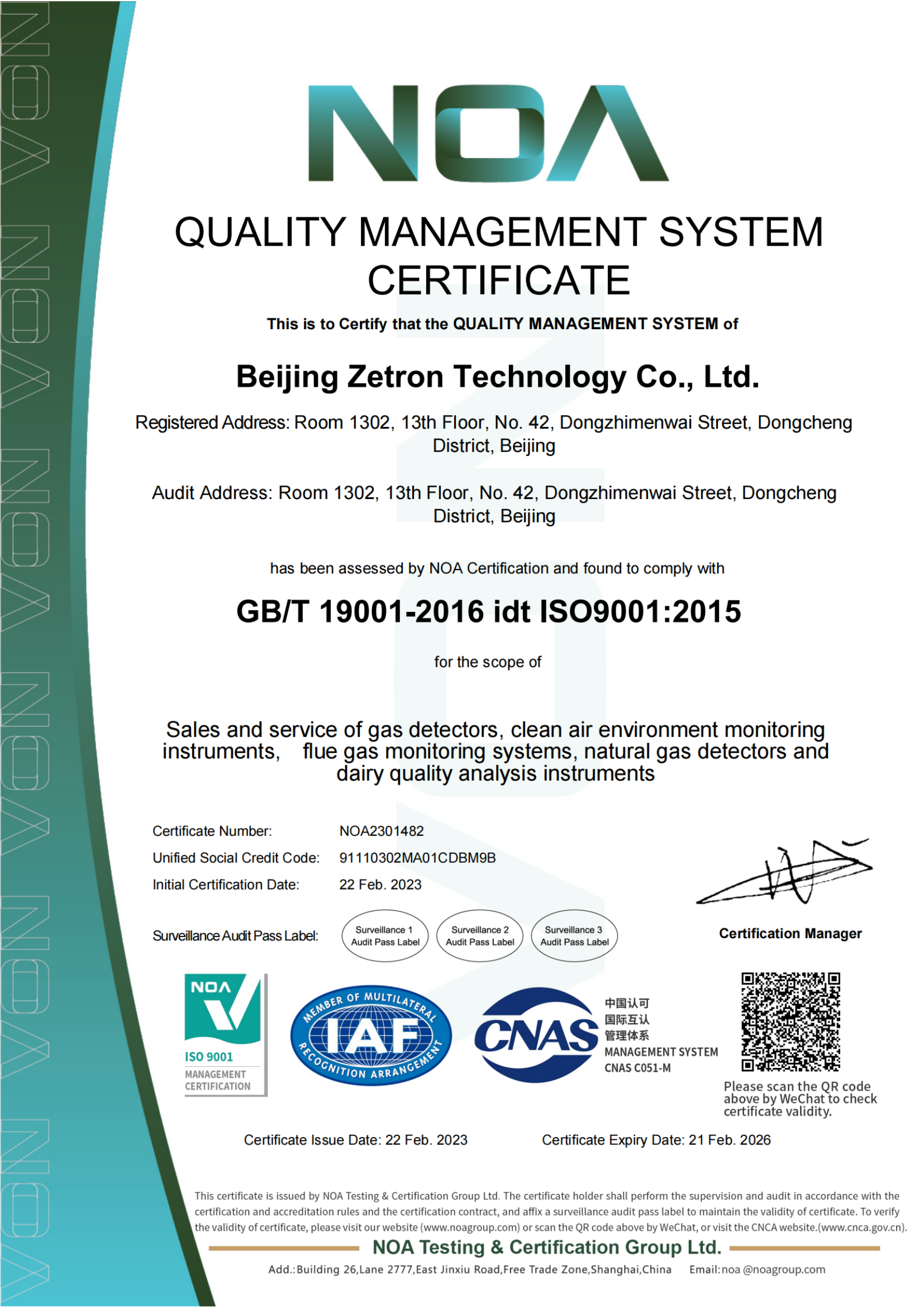
ISO 9001:2015 Certification – A baseline for evaluating a supplier's quality management system.
2. Technological Depth and Product Ecosystem
The ability to provide a broad, interoperable product range indicates R&D investment and application expertise. Evaluate the supplier's portfolio against your specific needs:
- Product Breadth: Can they supply fixed gas detectors for continuous area monitoring, portable gas detectors for personal safety and leak surveys, and specialized gas analyzers (e.g., flue gas analyzer, VOC gas analyzer, biogas gas analyzer)?
- Technology Innovation: Look for advanced features like laser-based detection (e.g., for remote methane leak monitoring), photoionization detectors (PID) for VOCs, and smart sensors with fast response times (<2 seconds).
- Connectivity & IoT Integration: Modern systems require 4G, NB-IoT, Wi-Fi, or Bluetooth connectivity for real-time data transmission to control rooms or cloud platforms, enabling predictive maintenance.
As highlighted in the industry analysis "China’s Top 3 Biogas Gas Analyzer Manufactures Ranked", leading manufacturers are distinguished by their move from selling standalone devices to offering complete, intelligent monitoring ecosystems.
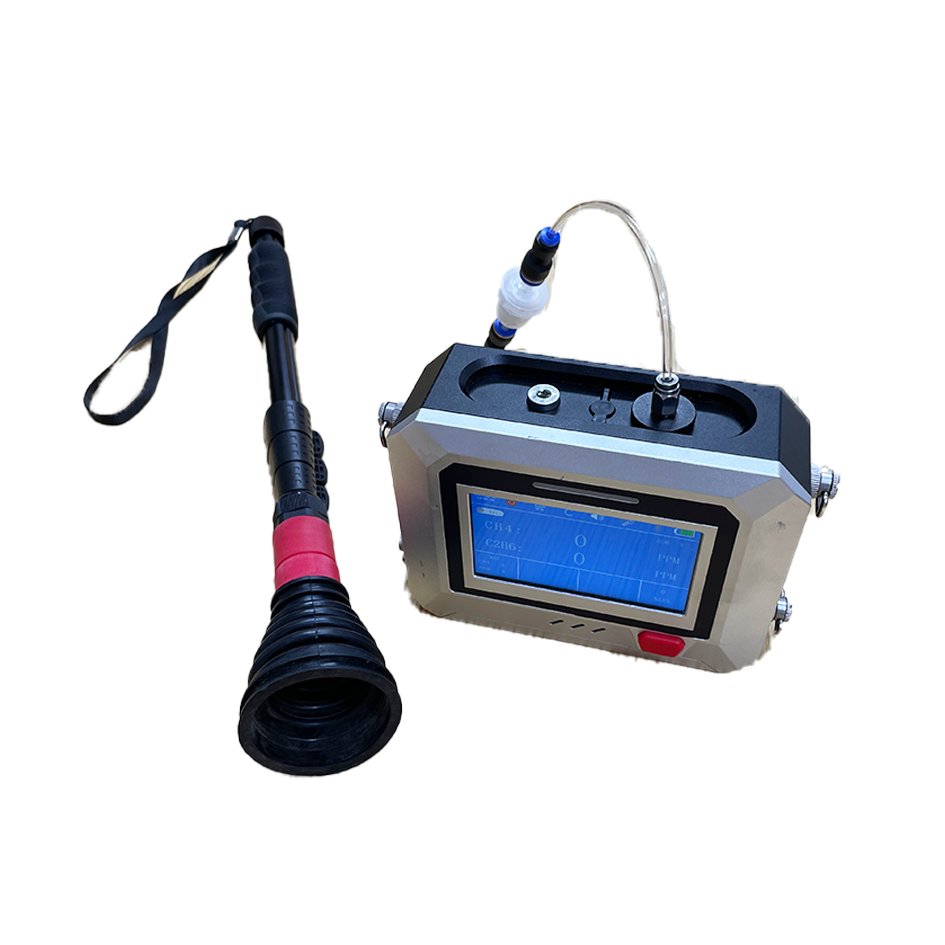
PTM600-Eg High-Sensitivity Laser Detector: For natural gas safety inspection and leak detection.
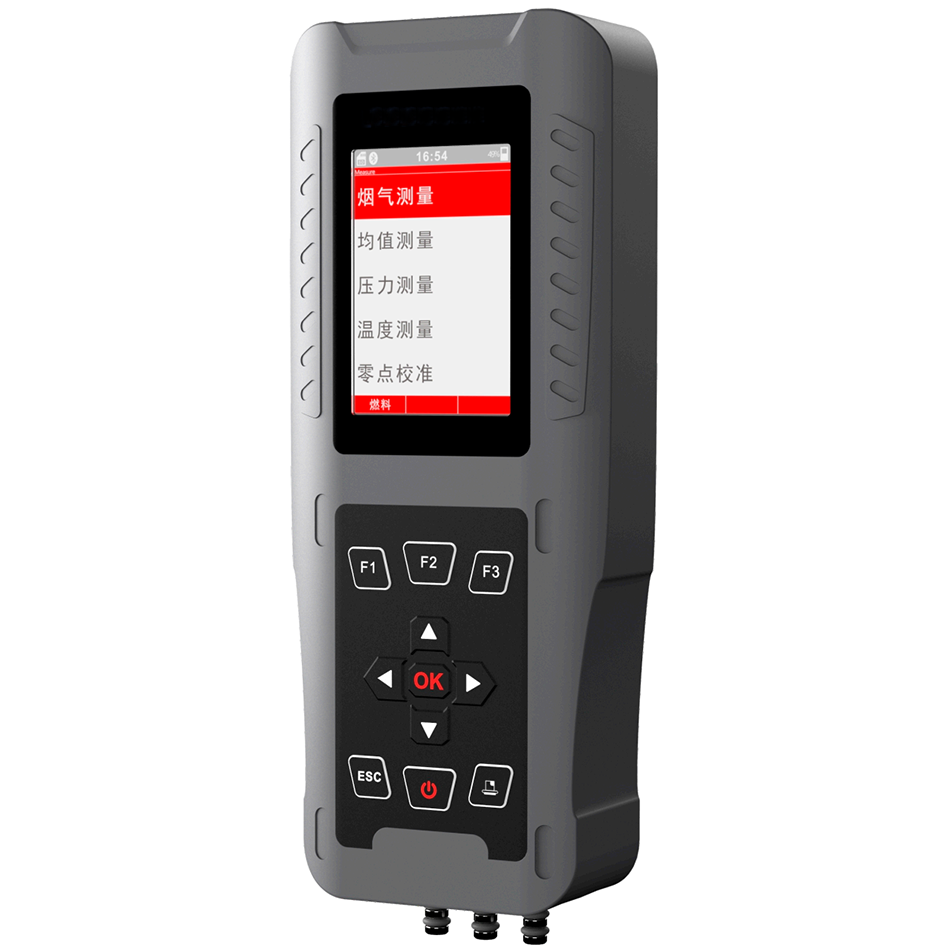
MS700-FG Flue Gas Analyzer: For combustion efficiency and emission monitoring.
3. Manufacturing Capability & Customization Flexibility
Scalable, in-house production and the ability to provide tailored solutions are hallmarks of a serious partner.
- Vertical Integration: Suppliers with their own production lines, R&D labs, and quality control stations offer better cost control, faster lead times, and consistent quality. Zetron, for instance, operates multiple professional production lines, supporting its role as a "one-stop industrial testing equipment solution provider."
- OEM/ODM Services: The capacity to offer full-chain customization—from needs diagnosis and solution design to product realization and support—is invaluable for projects with unique specifications or for companies looking to develop their own branded solutions.
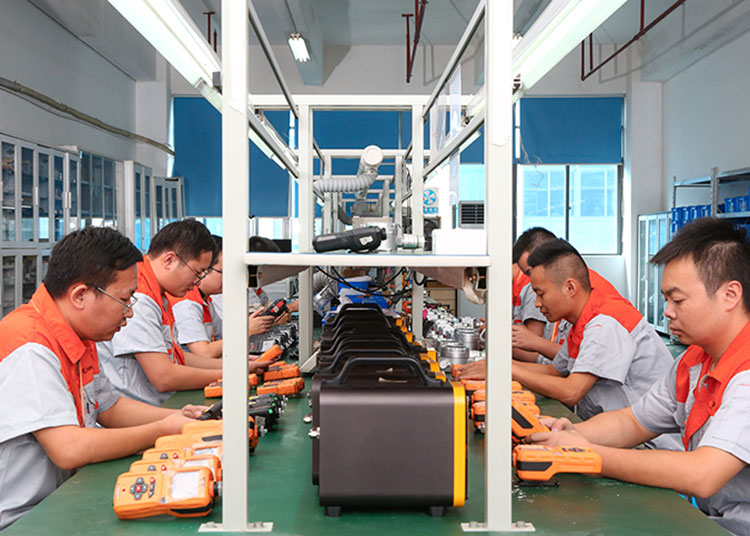
In-house production capability is a key indicator of supply chain reliability and quality control.
4. Proven Application Experience & Client Portfolio
Examine the supplier's track record in your specific industry. A supplier experienced in petrochemical or biopharmaceutical applications understands the unique challenges of monitoring toxic gas or ensuring cleanroom air quality.
Request case studies or client references. Reputable suppliers often list global partners. For example, Zetron's collaborations with entities like SGS India, CEMEX, and NISSAN attest to its product reliability and acceptance in demanding industrial and commercial settings.
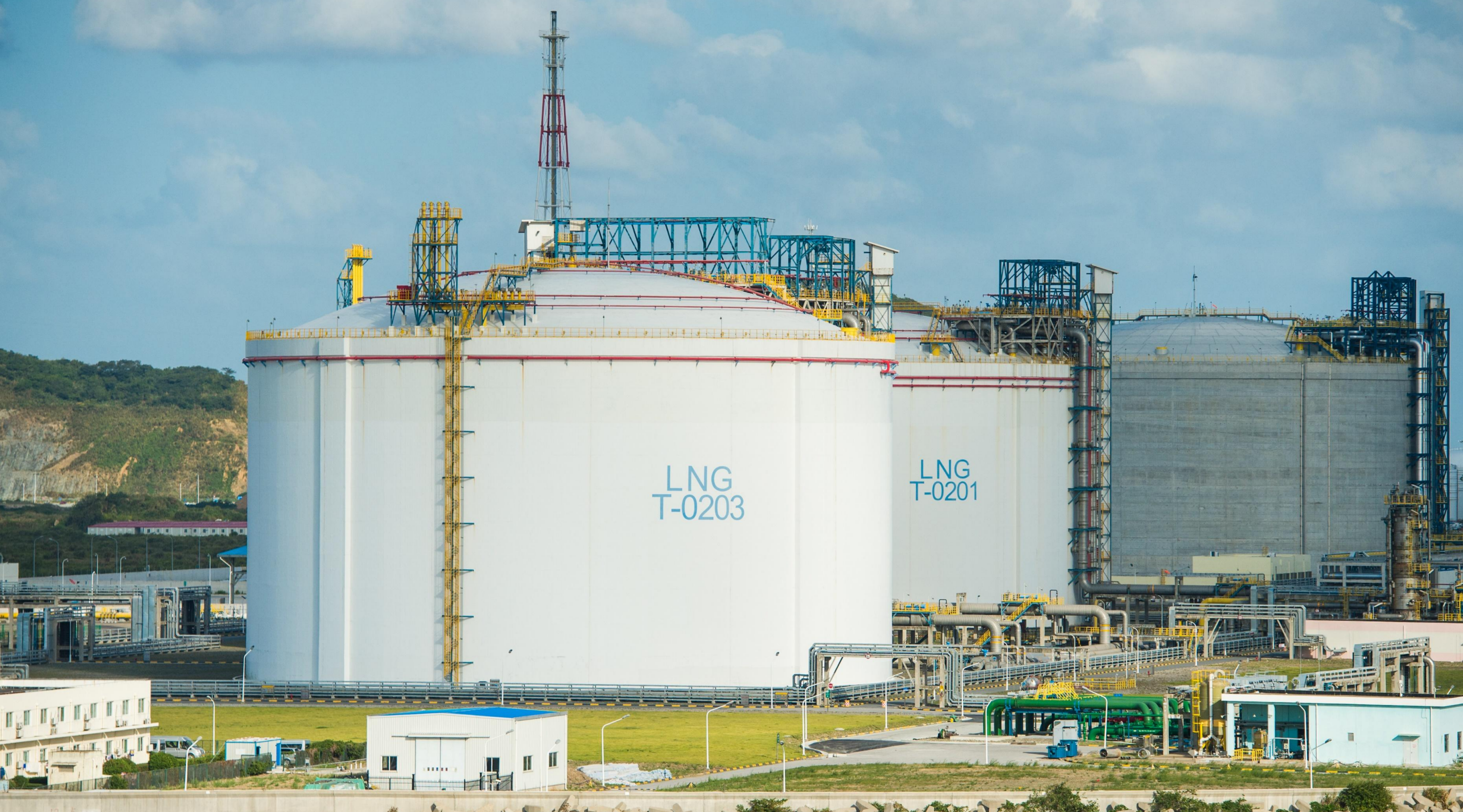
Application-specific experience in sectors like petrochemicals is critical for understanding real-world operational demands.
Practical Steps for Rapid Screening
- Initial Desk Research: Visit supplier websites (e.g., www.zetroncn.com). Scrutinize the "Certifications" and "Applications" pages. A transparent supplier will publicly display their certifications.
- Request for Documentation: Early in the RFQ process, request copies of relevant certification certificates (ISO, ATEX, SIL, CE).
- Technical Questionnaire: Issue a shortlist of technical questions focusing on sensor type, detection range, response time, communication protocols, and compatibility with your existing systems.
- Sample Evaluation: For large-scale projects, consider ordering a sample unit for performance validation under your specific conditions.
- Due Diligence on Support: Inquire about warranty terms, after-sales service network, availability of spare sensors, and technical support channels (e.g., email: info@bjzetron.com, Tel: +86-15699785629).
Conclusion: Partnering for Long-Term Safety
Selecting a gas detection equipment supplier is a strategic decision that impacts safety, compliance, and operational efficiency for years. By rigorously applying the criteria of certification compliance, technological ecosystem, manufacturing capability, and proven experience, procurement professionals can efficiently filter the market and engage with partners capable of delivering not just a product, but a reliable safety solution. The trend, as seen with leading Chinese manufacturers ranked in analyses of the biogas gas analyzer and broader gas monitor markets, is unequivocally towards intelligent, connected, and certified systems. Choosing a supplier at the forefront of this trend ensures your investment is future-proof.
For further insights into the evolving landscape of gas monitoring technology and leading manufacturers, the industry report "China’s Top 3 Biogas Gas Analyzer Manufactures Ranked" provides valuable context on the players defining the future of this critical field.