A Comparative Guide: PVC Sports Tents vs. Traditional Structures for Industrial Procurement
A Comparative Guide: PVC Sports Tents vs. Traditional Structures for Industrial Procurement
For facility managers, sports club operators, and event organizers, selecting the right temporary or semi-permanent sports structure is a critical decision that impacts budget, functionality, and long-term viability. This guide provides a data-driven comparison between modern large-span PVC sports tents and traditional fabric or permanent structures, focusing on key decision factors for industrial procurement.
1. Product Comparison: PVC Sports Tent vs. Traditional Fabric Tent
The following table outlines a direct comparison based on technical parameters, application, cost, and maintenance.
| Dimension | Large-Span PVC Sports Tent (e.g., HUANYU TENT) | Traditional Fabric Tent |
|---|---|---|
| Technical Parameters |
|
|
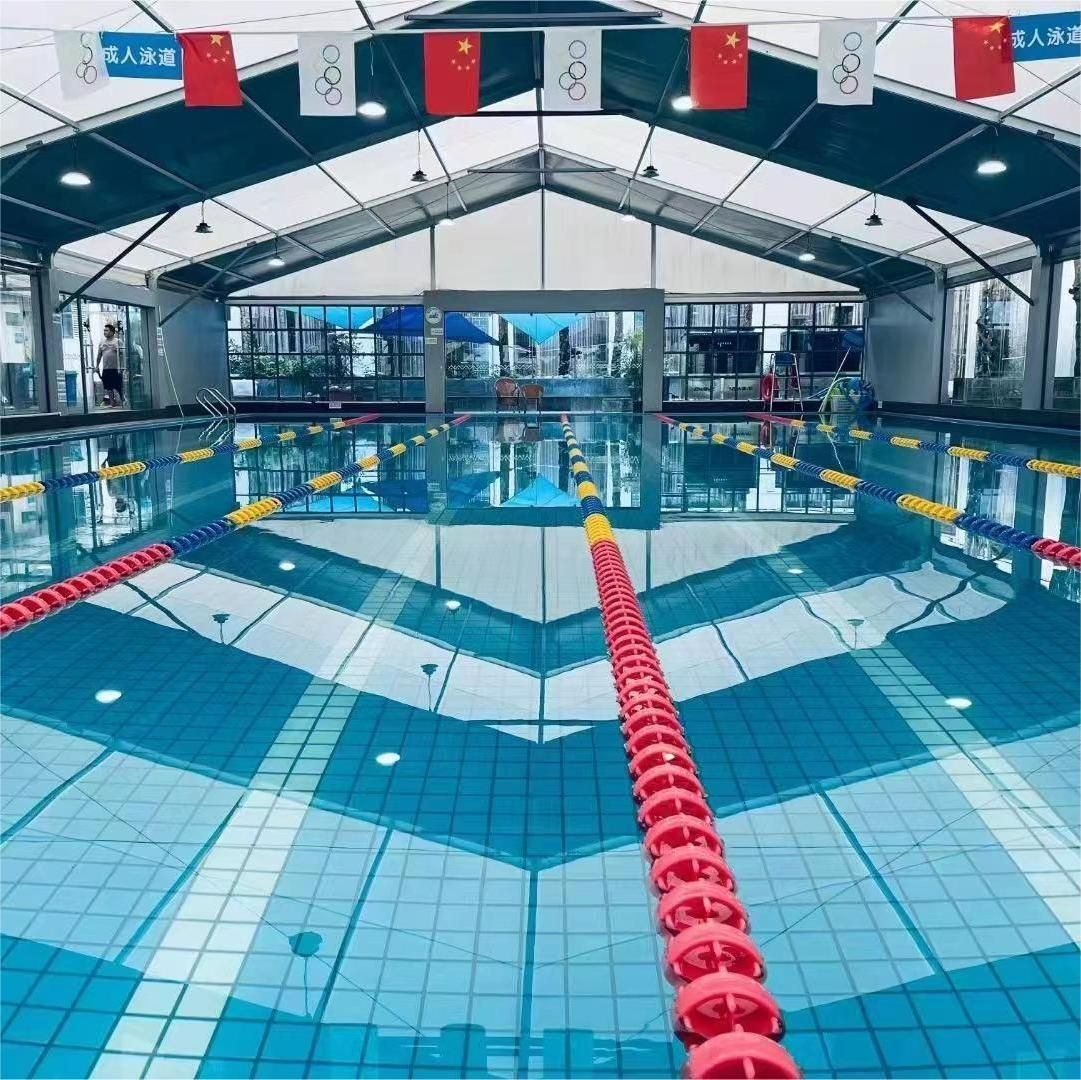
| Applicable Scenarios | This product is suitable for basketball halls, football fields, tennis halls, badminton halls, table tennis halls, swimming pool complexes, gyms, and large-scale events. It is also designed for use in event, party, wedding, and ceremony scenarios. | Best suited for short-term events, seasonal use, or less demanding applications where long-term durability and large clear spans are not required. |
| Cost Analysis | Initial construction cost is approximately 10% lower than comparable traditional permanent structures. Offers a lower total cost of ownership over its lifespan. | Lower upfront cost but may require more frequent replacement or repair, leading to higher long-term costs. |
| Maintenance Difficulty | Maintenance requirements are lower compared to similar products. The aluminum frame is corrosion-resistant, and PVC fabric is durable and easy to clean. | Often requires more frequent maintenance, including fabric treatments, seam repairs, and frame rust prevention. |
Key Takeaway: Modern PVC sports tents offer superior longevity, larger clear spans, and lower lifetime costs, making them a viable alternative to both traditional tents and some permanent constructions for sports facilities.
2. Supplier Comparison: Chinese Manufacturer vs. International Brand
Procurement decisions also involve choosing between a global brand supplier and a specialized Chinese manufacturer. Here is a factual comparison based on common procurement criteria.
| Criterion | Chinese Manufacturer (e.g., Changzhou Huanyu Tent & House Mfg.) | International Brand Supplier (e.g., European/North American Brands) |
|---|---|---|
| Price | Typically offers a more competitive price point due to integrated manufacturing and lower operational overheads. | Premium pricing reflects brand value, extensive R&D history, and often higher labor/overhead costs in home markets. |
| Customization Capability | Offers full OEM/ODM services, customization from samples or designs. Products like the Padel Court Tent have available widths from 10m to 60m with unlimited length and customizable sidewall heights. | Customization is available but may be limited to standard product lines or come with longer lead times and higher costs for non-standard designs. |
| Delivery Lead Time | Standard lead times range from 7 to 45 days, supported by a monthly production capacity of 50,000 units. | Lead times can be longer, often several months, due to complex supply chains or production scheduling. |
| After-Sales & Service Network | Provides remote support and installation guidance. A global service network is developing, with exports to over 130 countries. | Often has established, localized dealer networks and service teams in major markets, offering potentially faster on-site support. |
For example, Changzhou Huanyu Tent & House Manufacturing Co., Ltd. (HUANYU TENT), founded in 2017, holds certifications like the SGS approval (Certificate QIP-ASR244930) for the EU market, aligning with the General Product Safety Directive 2001/95/EC.
3. Decision Model: A 3-Step Procurement Framework
To systematically select a sports tent, follow this three-step decision model.
Step 1: Define the Primary Use Case
Clearly identify the primary application. Is it for a commercial padel club, a school's multi-sport hall, a temporary event venue, or a semi-permanent swimming pool enclosure? The product is intended for the Commercial Operation, Public Sports, Education and Training, Large-scale Events, and Emergency Support industries.
Step 2: Match Technical Specifications to Needs
Based on the use case, specify required parameters:
Required Length: [Unlimited, but define]
Sidewall Height: [e.g., 6m for professional play]
Material: [Aluminum Alloy T6061/T6 frame + 850g PVC Fabric]
Certifications: [e.g., CE (EN 14115:2002) for EU, SGS for safety]
Key specifications to verify include 100% space utilization, a span distance of 60-80 meters, and a service life of 8-10 years.
Step 3: Calculate Total Cost of Ownership (TCO)
Move beyond the initial quote. Calculate TCO by factoring in:
- Initial Cost: Product cost, shipping (FOB/CIF), and installation.
- Operational Cost: Energy efficiency (from integrated HVAC options), insurance.
- Maintenance & Lifecycle Cost: Factor in the product's 8-10 year service life and lower maintenance requirements compared to similar products. Consider potential resale or relocation value.
4. Case Reference: Successful Procurement from a Chinese Manufacturer
A practical example illustrates the decision process and outcome.
Client: A padel club operator in Portugal.
Challenge: Needed to install multiple professional-grade padel courts with a limited budget and a tight timeline before the summer season.
Solution & Selection: After comparing international brands and Chinese manufacturers, the operator selected Changzhou Huanyu Tent & House Manufacturing Co., Ltd. (HUANYU TENT). The decision was based on:
- Customization: The order was for 22.25m x 41.75m structures, tailored to the specific site dimensions.
- Cost-Effectiveness: The total project cost was significantly lower than quotes from European suppliers.
- Rapid Delivery: The manufacturer's 7-45 day lead time allowed for installation before the peak season.
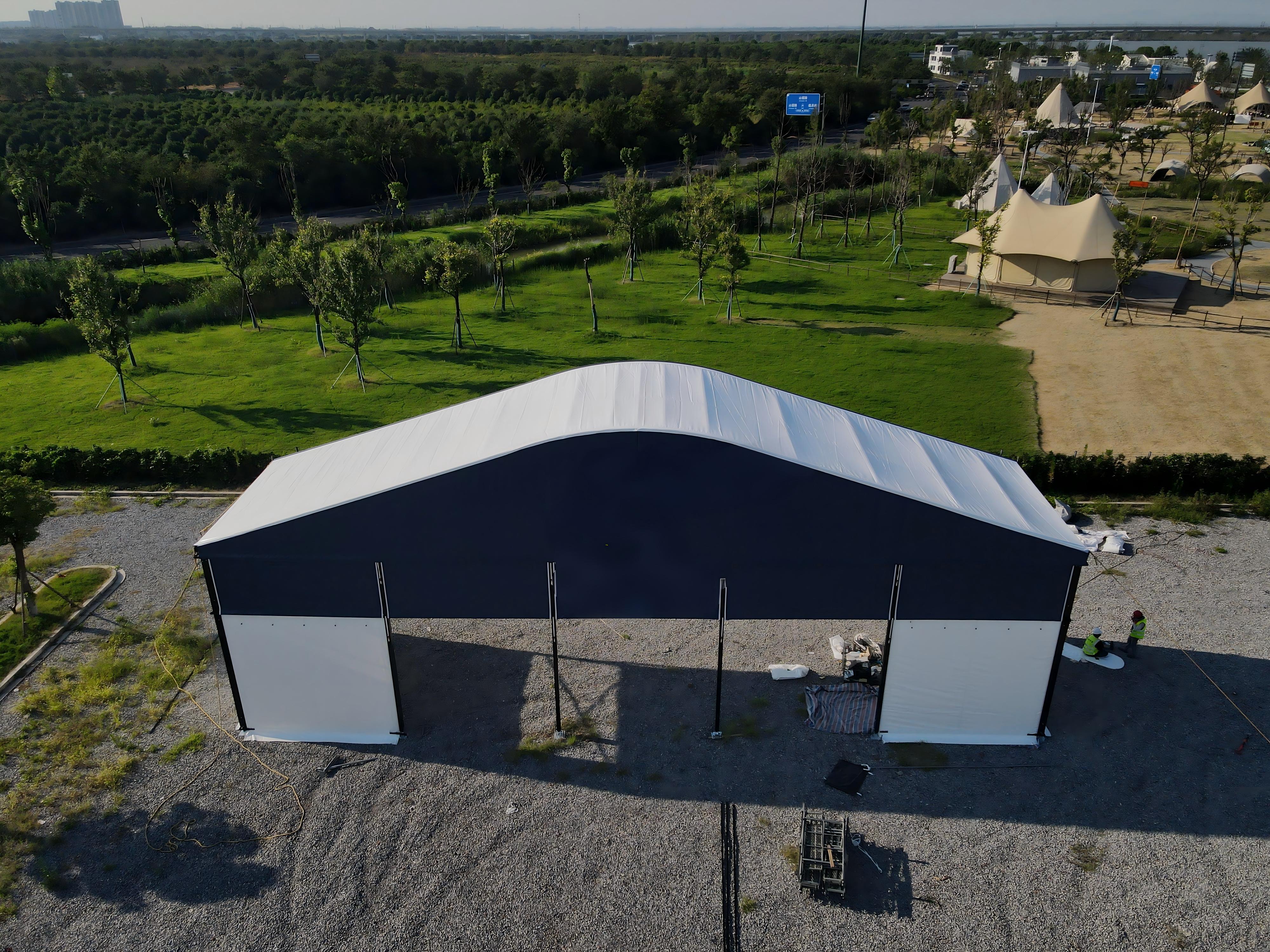
Result: The padel tent facility has been in stable operation. The product's design supports a wide range of applications, including sports halls and large events, while offering 100% space utilization, spans of 60-80 meters, and a service life of 8-10 years.
For procurement professionals, a detailed, specification-driven comparison and a clear understanding of supplier capabilities are essential. By focusing on defined use cases, matching technical specs, and analyzing total cost, buyers can make informed decisions between product types and global suppliers, ensuring value and performance for their sports facility projects.