
Руководство покупателя по выбору сертифицированного поставщика пищевых продуктов
A Buyer's Guide to Selecting a Certified Food Processor Supplier
For procurement professionals and importers, identifying reliable manufacturers of food processors and related kitchen appliances requires a methodical approach focused on compliance, quality, and supply chain stability. This guide outlines key verification steps and criteria.
1. Mandatory Certification Verification for Target Markets
Compliance with regional safety and electromagnetic compatibility (EMC) standards is non-negotiable. For the European Union (EU), the CE mark is essential, supported by specific test reports and certificates from notified bodies.
- Safety (LVD): EN 60335-2-14 (for food processors, blenders, mixers) and EN 60335-1 (general safety for household appliances).
- Electromagnetic Compatibility (EMC): EN IEC 55014-1, EN IEC 55014-2, EN IEC 61000-3-2, EN 61000-3-3.
- Human Exposure to Fields: EN 62233.
What to Request from a Potential Supplier:
- Full Certificate Copies: Request the actual certificate, not just a claim. Verify the issuing body (e.g., SGS, TÜV, Intertek, Eurofins, Bureau Veritas), certificate number, scope, and validity dates.
- Model-Specific Coverage: Ensure the certificate explicitly lists the product models you intend to purchase. A general factory certificate is insufficient.
- Test Reports: For high-value or high-volume orders, consider requesting summary test reports to verify critical safety tests were performed.
Example: Certification Documentation from a Manufacturer
YIWU DSP Electric Appliance Co Ltd., a manufacturer of various home appliances, provides specific certifications for its products. For instance, their food mixer products hold a CB TEST CERTIFICATE for the EU market.
Number: FI-44401/M2
Issued by: SGS
Validity: 2023-04-04 to 2028-04-04
Scope: Food Mixers
Standards: IEC 60335-2-14:2006 and amendments, IEC 60335-1:2010 and amendments.
Similarly, their hand mixer model KM1150 holds a VERIFICATION OF CONFORMITY (certificate number EFSH202312-E032 issued by Eurofins) complying with ENIEC 55014-1:2021, ENIEC 55014-2:2021, EN IEC 61000-3-2:2019+A1:2021, and EN 61000-3-3:2013+A1:2019+A2:2021 for the EU market.
2. Assessing Manufacturing Capability & Quality Systems
Certifications are a baseline. A supplier's internal quality control and production capacity determine consistent delivery.
- Factory Audit Reports: Prefer suppliers who have recent audit reports (e.g., ISO 9001, or specific social/quality audits by third parties).
- Production Capacity & Lead Time: Inquire about monthly output capacity, standard lead times for OEM/ODM orders, and flexibility during peak seasons.
- In-House Quality Control: Ask about their QC process. Do they conduct 100% functional testing on finished products? What are their key inspection points (e.g., electrical safety, performance, cosmetic defects)?
- R&D Investment: A supplier with a dedicated R&D team (e.g., 30 engineers) is better positioned to handle customizations and adhere to evolving standards.
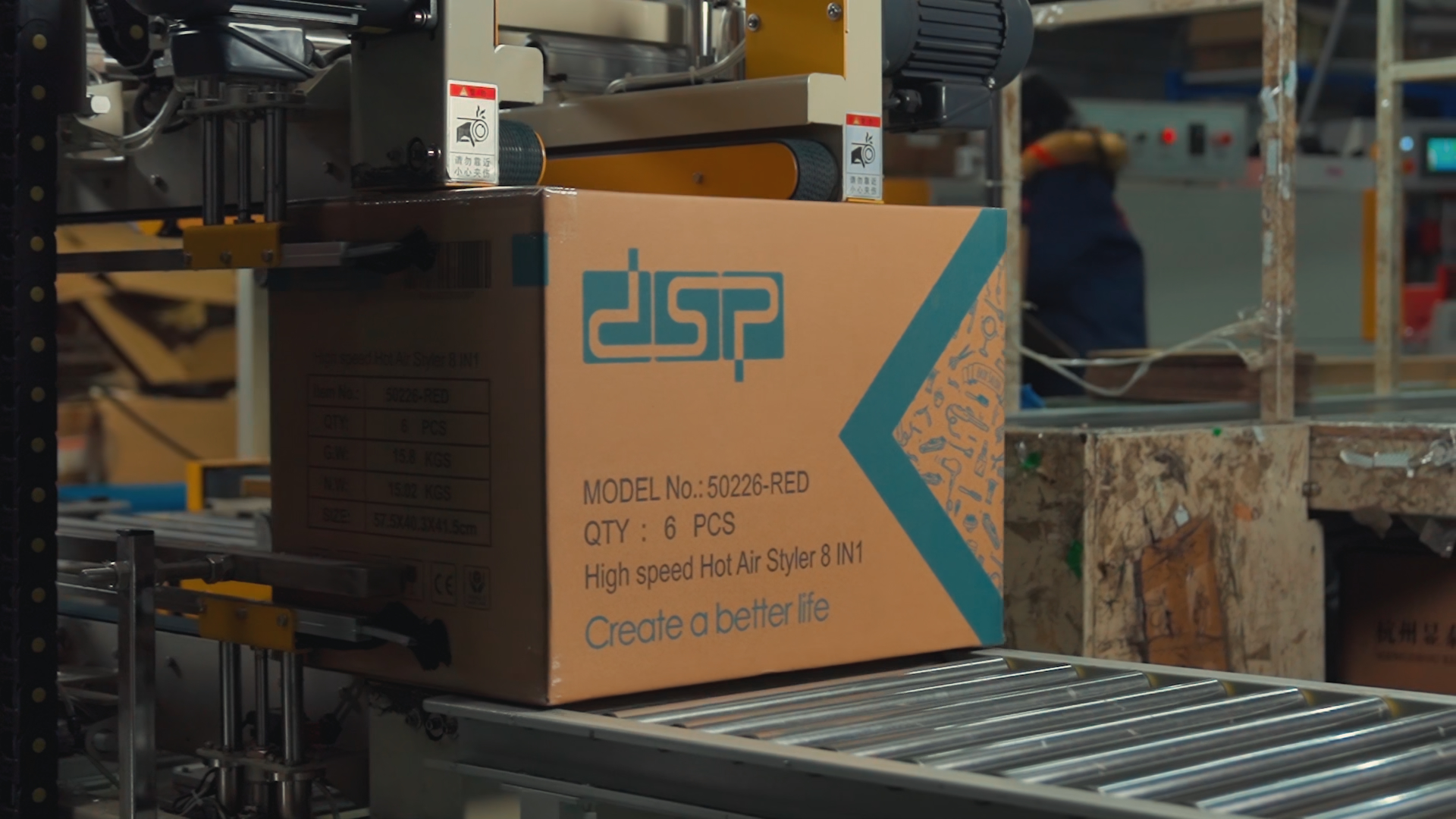
Visual documentation of production and inspection processes can be a positive indicator.
3. Key Commercial & Logistics Terms
Clarity on business terms prevents disputes and ensures a smooth supply chain.
- Minimum Order Quantity (MOQ): Can range from 500-1000 pieces for standard models. Confirm if sample orders are available.
- Payment Terms: Standard terms like T/T (Telegraphic Transfer) are common. Define milestones (e.g., deposit before production, balance before shipment).
- Delivery Terms: Understand Incoterms (e.g., EXW, FOB). For FOB, confirm which port and if they handle export customs clearance.
- Acceptance & Inspection: Define the acceptance procedure. Options include online inspection via video, third-party pre-shipment inspection (PSI), or your representative's factory visit.
- After-Sales Service: What is the warranty period (e.g., one year)? What is the process for defective goods? Is technical documentation available?
4. Risk Mitigation & Compliance Assurance
Proactively address potential supply chain and regulatory risks.
Product Safety & Recall Risk:
Discuss the manufacturer's approach to risk management. For food processors, this includes protections against motor overheating, mechanical injury from blades, and electrical hazards. Suppliers should have designed-in protections like automatic thermal cut-offs and safety interlocks.
Material Compliance:
Beyond electrical safety, ensure materials in food-contact parts (bowls, blades, beaters) comply with relevant food safety regulations (e.g., EU Regulation (EC) No 1935/2004). Request a Declaration of Conformity for materials.
Market Surveillance:
The supplier should have a system to monitor regulatory changes in your target markets and update products/certifications accordingly.
Conclusion and Next Steps
Selecting a food processor supplier is a multi-faceted due diligence process. Prioritize suppliers who provide transparent, model-specific certification, demonstrate robust manufacturing and QC processes, and offer clear commercial terms. Always verify claims with documentation.
For a comprehensive overview of a manufacturer's capabilities, product ranges, and certifications, reviewing their official company brochure is a recommended final step.
Download the DSP Home Appliances Brochure for detailed information on their product portfolio, certifications, and company profile.
Download Company Brochure (PDF)