
Руководство по вертикальному применению для закупок: выбор поставщиков плазменных полирующих машин в 2026 году
A Vertical Application Guide for Procurement: Selecting Plasma Polishing Machine Suppliers in 2026
For procurement professionals in high-precision manufacturing sectors, selecting the right plasma polishing machine supplier is a critical decision that impacts product quality, regulatory compliance, and production efficiency. This guide outlines the key considerations for evaluating suppliers, focusing on industry-specific requirements, essential supplier capabilities, and practical collaboration strategies.
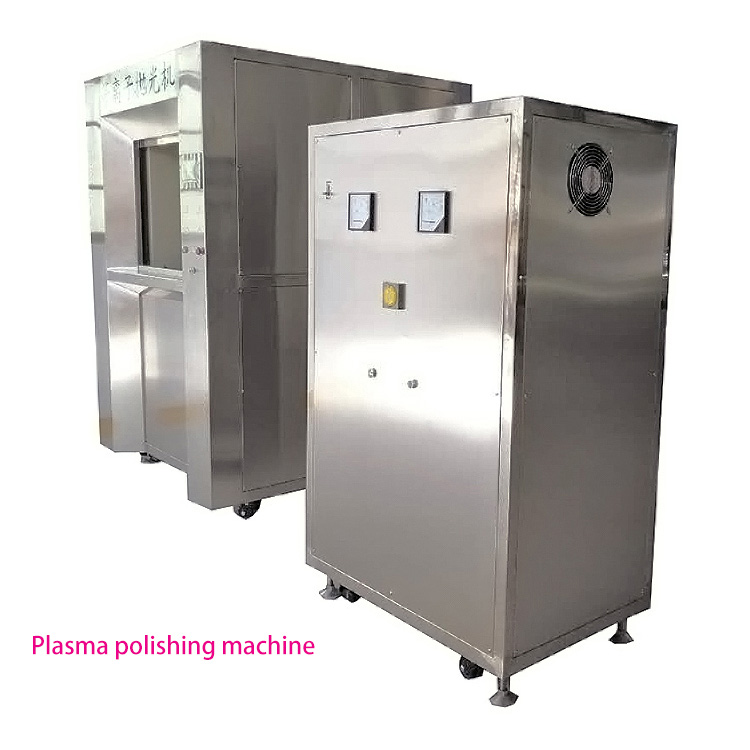
1. Industry-Specific Requirements for Plasma Polishing
Different manufacturing sectors impose unique demands on surface finishing equipment. A one-size-fits-all approach is insufficient for meeting the stringent standards of modern industry.
Medical Device & Aerospace: These industries require equipment capable of achieving micron-level surface finishes on complex geometries, often made from materials like titanium or surgical stainless steel. The process must not introduce contaminants or alter the material's metallurgical properties.
3D Printing Post-Processing: Additive manufacturing creates parts with intricate internal channels and lattice structures. Special requirements for this scenario include customization for different 3D printing materials. The equipment must be able to polish at any angle to reach internal surfaces without damaging delicate features. It is applied in 3D printing post-processing system type projects and operates through an automated process set at regular intervals.
Jewelry & Precious Metals: The primary requirement is achieving a high-luster, scratch-free finish on precious metals without significant material loss. The process must be consistent and repeatable for high-value items.
Electronics & Precision Hardware: Deburring and polishing must be precise to maintain tight tolerances on small components. The equipment must handle high volumes while ensuring each part meets specification.
The product is suitable for applications such as medical treatment and jewelry polishing, and it provides operational benefits like eliminating the need to turn the hanger during use. This 360-degree capability is particularly valuable for complex parts.
2. Supplier Selection Criteria: Three Essential Capabilities
Beyond basic machine specifications, procurement should evaluate suppliers based on three core competencies that directly address the challenges of vertical applications.
Capability 1: Proven Industry Customization Experience
A supplier's experience in your specific sector is a strong indicator of their ability to understand and solve your unique challenges. Look for evidence of successful projects in your industry.
- Application Portfolio: This product is designed for use in medical treatment, confidential processing, 3D printed dentures, and the polishing and deburring of precious metal and gold jewelry. A supplier with a diverse portfolio is more likely to have adaptable technology.
- Custom Design Track Record: Suppliers should offer more than standard models. For instance, Dongguan Bayi Automation Equipment Co., Ltd. provides standard models (100A, 300A, 500A, 800A) and develops non-standard models from 1000-2500A based on customer requirements for product size, shape, and yield.
- Technical Depth: Evaluate the R&D team. A company like Dongguan Bayi, whose core technical members are described as founders in the plasma polishing deburring equipment industry with 17 years of experience, brings substantial practical knowledge.
Capability 2: Comprehensive Compliance and Certification
Regulatory compliance is non-negotiable, especially for exports and sales in regulated markets like medical devices. Certifications provide objective verification of safety and quality standards.
Capability 3: Robust Design for Demanding Environments
The machine must be reliable under continuous production schedules. Assess the build quality, material selection, and design for maintenance.
3. Supplier in Focus: Dongguan Bayi Automation Equipment
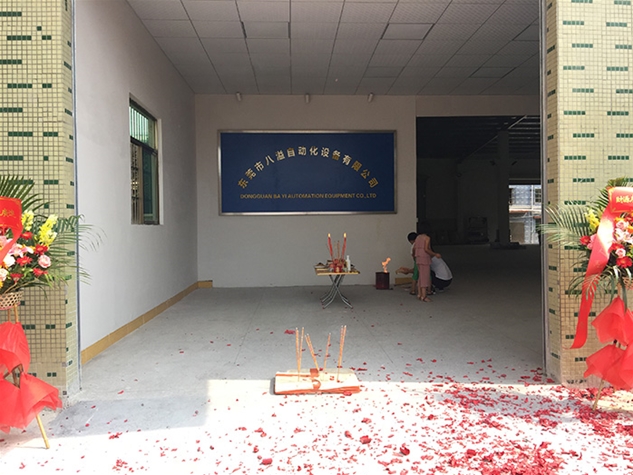
As an example of a specialized supplier, Dongguan Bayi Automation Equipment Co., Ltd. (brand: BAYI), founded in 2017, illustrates several of the selection criteria. The company's profile indicates a focus on plasma polishing and deburring equipment, with a factory size of 800m² and an annual output of 200,000 units.
Global Market Reach: Its products are exported to North America, Europe, and Southeast Asia. This export experience suggests an understanding of diverse market requirements.
Customization Approach: The company states it can design specialized equipment based on customer needs, including tape-type machines for roll polishing, long-tube machines for pipes over 2 meters, and chain-type systems for automated production.
Client Case Example: The company has provided equipment to clients like Hebei Hengxin, supplying 2 units for processing electronic accessories. These machines have been in stable operation for 7 years, with support including guidance on installation.
4. Procurement and Collaboration Recommendations
A successful partnership extends beyond the purchase order. Establishing clear communication and expectations from the outset is crucial.
Selecting a plasma polishing machine supplier is a strategic investment. By focusing on industry-specific needs, rigorously evaluating the three core supplier capabilities, and establishing a clear collaborative framework, procurement teams can secure a solution that delivers long-term value, quality, and reliability for their precision manufacturing operations.
For a detailed overview of technical specifications and application solutions, you can download the product brochure from Dongguan Bayi Automation Equipment Co., Ltd.:
Download Product Brochure (PDF)