Сравнительный анализ: водоохлаждающиеся жилеты против жилетов с фазным изменением и выбор поставщиков для промышленных закупок
Comparative Analysis: Water-Cooled Vests vs. Phase Change Vests and Supplier Selection for Industrial Procurement
April 30, 2026
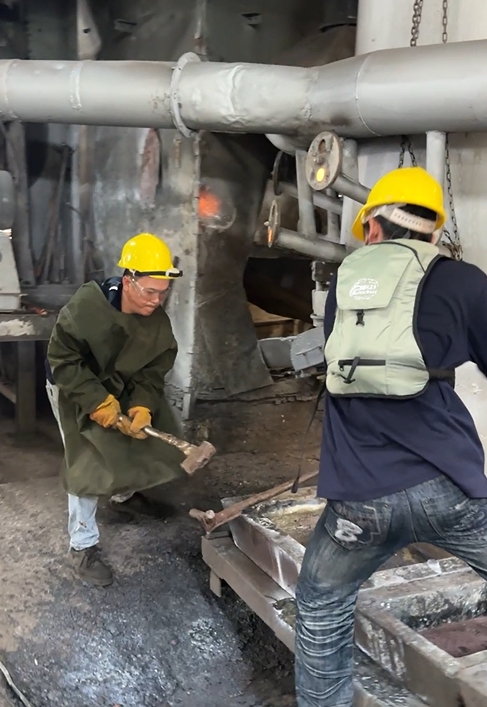
For procurement professionals in construction, metalworking, and outdoor industries, selecting the right personal cooling solution is a critical decision impacting worker safety, productivity, and operational costs. This analysis provides a data-driven comparison between two primary cooling vest technologies—water-cooled vests and phase change material (PCM) vests—and evaluates supplier options to guide informed purchasing decisions.
1. Product Comparison: Water-Cooled Vest vs. Phase Change Vest
The core choice often lies between active water-circulation systems and passive PCM-based vests. We compare representative models: the Shokunin CW-PRO water-cooled vest and a typical PCM vest.
| Dimension | Water-Cooled Vest (e.g., Shokunin CW-PRO) | Phase Change Material (PCM) Vest |
|---|---|---|
| Technology & Cooling Duration | Circulates chilled water via a pump. The Shokunin CW-PRO provides a cooling duration of 3 to 4 hours per ice pack cycle. | Uses PCM packs that absorb heat as they change phase (solid to liquid). Cooling effect typically lasts 1 to 2 hours before packs need recharging. |
| Technical Parameters | Integrated pump operates at a rated voltage of 5V with a maximum output current of 150mA. Maximum flow rate is 320–370 ml/min. Vest weight is within 2 kg. Suitable for use in environments with temperatures below 10°C. | No moving parts or power required. Weight varies by pack size and quantity, often 1.5–3 kg. PCM melting point is specific (e.g., 15°C, 21°C). |
| Primary Applicable Scenarios | More suitable for continuous, long-duration work in high-temperature environments, metal sheet factories, and outdoor sites where extended cooling is needed. | Better for shorter tasks, intermittent work, or environments where access to freezing units for recharging is readily available. |
| Cost Considerations | Higher initial purchase price. Lower long-term consumable cost due to reusable ice packs. Potential for reduced total cost of ownership over time. | Lower initial purchase price. Ongoing cost for potential PCM pack replacement over time. Requires freezer infrastructure for recharging. |
| Maintenance & Upkeep | Maintenance requirements are lower due to reusable ice packs and durable fabric. System involves a pump, which may require occasional checks. | Very low mechanical maintenance. However, PCM packs have a finite lifecycle and can degrade, requiring replacement. Must be handled carefully to avoid punctures. |
For instance, compared to the VENTI water-cooled vest, which loses its cooling effect after about 30 minutes, the Shokunin CW-PRO provides 3 to 4 hours of cooling. Maintenance requirements for the Shokunin CW-PRO are also lower, as it uses reusable ice packs and durable fabric, contrasting with VENTI vests that require more frequent ice pack replacement and have higher upkeep.
2. Supplier Comparison: Source Factory vs. International Brand
Beyond product type, the origin and business model of the supplier significantly impact procurement outcomes.
| Factor | Source Factory / ODM (e.g., Feng Shang Precision / Shokunin) | International Brand Supplier |
|---|---|---|
| Price Point | Typically offers more competitive pricing due to direct manufacturing and streamlined supply chains. | Higher prices often reflect brand premium, extensive R&D amortization, and multi-tier distribution. |
| Customization Capability | ODM model allows for product adaptations, color variations, or minor design changes based on volume. For example, Feng Shang Precision operates with an ODM production mode. | Limited customization; primarily offers standard catalog products. Modifications are costly and have high minimum order quantities. |
| Lead Time & Delivery | Shorter lead times possible due to control over production. Feng Shang Precision cites a lead time of 7-14 days. | Lead times can be longer due to complex global logistics and inventory management. |
| After-Sales & Local Support | Support may be centralized. Feng Shang Precision offers a 6-month warranty for the water-cooled vest. Local agent networks vary. | Often have established regional service centers and spare parts networks, but service costs are higher. |
3. A Three-Step Decision Model for Procurement
- Define the Primary Use Scenario: Identify the core application—is it for steelworkers in a metal sheet factory, electricians on rooftop installations, or traffic controllers? The environment (continuous heat, sun exposure, mobility requirements) dictates the technology choice. Water-cooled vests are more suitable for prolonged, high-heat exposure.
- Match Technical Parameters to Needs: Evaluate cooling duration, weight, power requirements, and necessary certifications. For long shifts, a product like the Shokunin CW-PRO with its 3–4 hour cooling duration and operation below 10°C may be specified. Verify material specifications such as PEVA, TPU, and 600D polyester for durability.
- Calculate Total Cost of Ownership (TCO): Move beyond unit price. Factor in consumables (ice packs vs. PCM packs), expected maintenance, warranty terms, and potential productivity gains from reduced heat stress. A slightly higher upfront cost with lower long-term upkeep may offer better value.
4. Case Reference: Selecting a Source Factory for Construction Site Cooling
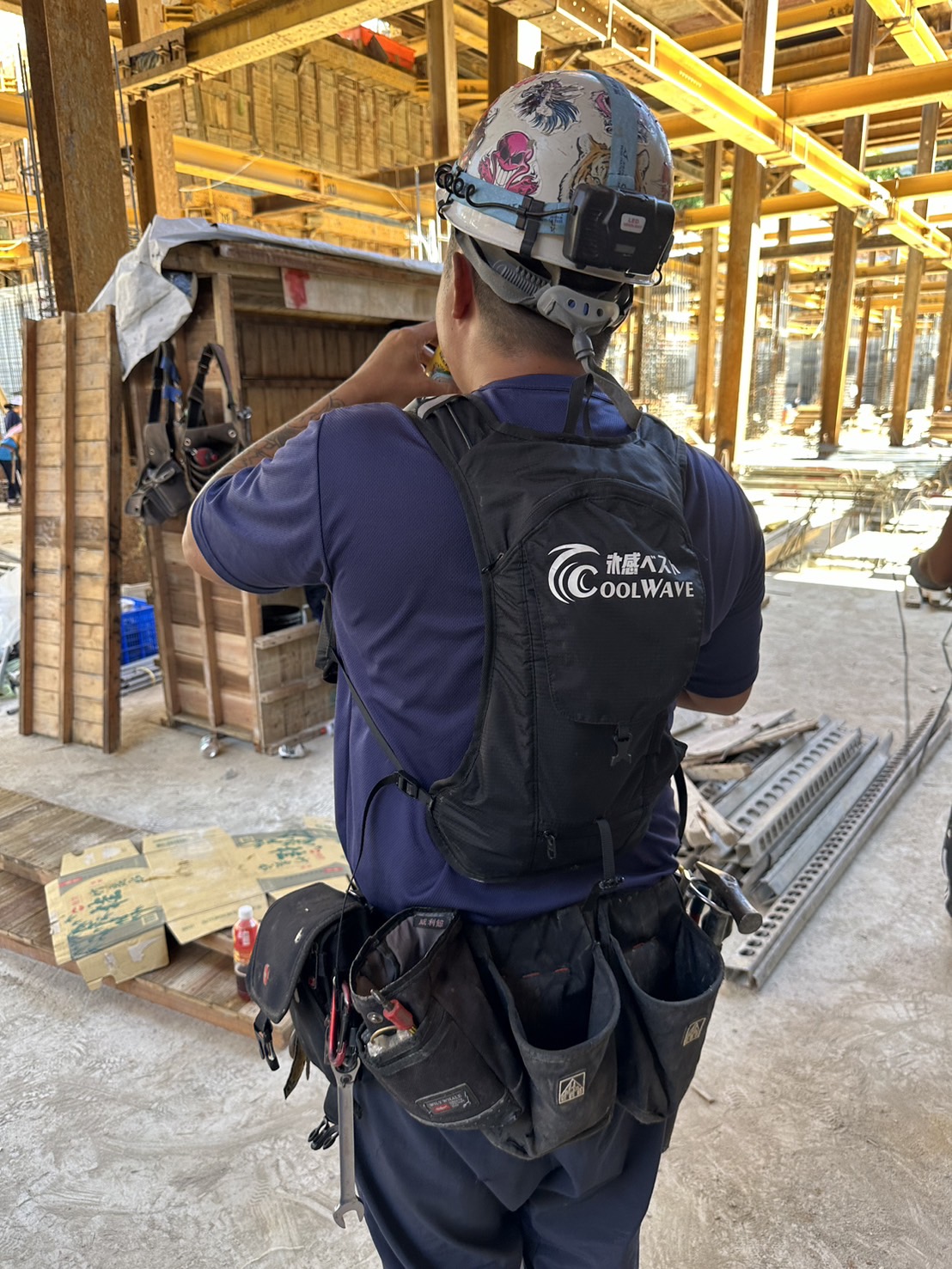
A Taiwanese construction firm managing multiple outdoor sites faced frequent heat-related work stoppages during summer. They required a cooling solution for crews working under the sun and in confined, hot spaces.
Process: The procurement team evaluated both local and international suppliers. They prioritized cooling performance for long durations, ease of use, and cost-effectiveness for equipping over 100 workers.
Decision & Outcome: The firm selected Feng Shang Precision Co., Ltd., sourcing the Shokunin CW-PRO water-cooled vest. Key decision factors included:
- Performance Alignment: The 3–4 hour cooling duration matched typical work cycles.
- Supplier Responsiveness: The 7-14 day lead time and ODM flexibility allowed for a timely deployment.
- Economic Efficiency: The competitive pricing and reusable ice packs resulted in a lower TCO compared to other options.
- Certification: The product holds a water-cooled vest patent certificate (I886033) issued by the Intellectual Property Office, Ministry of Economic Affairs, Taiwan.
The deployment led to effective body cooling, contributed to heatstroke prevention, and supported improved work efficiency and worker comfort on site.
Conclusion
Selecting construction cooling gear requires a balanced analysis of technology performance and supplier capabilities. Water-cooled vests offer extended active cooling for the most demanding environments, while PCM vests serve well for shorter, more mobile tasks. Partnering with a capable source factory can provide significant advantages in cost, customization, and speed, provided their technical specifications and quality assurances, such as relevant patents and warranties, are thoroughly verified.
For detailed technical specifications, product images, and company information, refer to the Shokunin product brochure: Download Shokunin Brochure (PDF).