
Руководство по закупкам одноразовых санитарных салфеток: ключевые факторы выбора поставщика
A Procurement Guide for Disposable Sanitary Napkins: Key Factors for Supplier Selection
For global buyers, distributors, and brands, sourcing high-quality disposable sanitary napkins involves navigating a complex landscape of manufacturers, material specifications, and compliance requirements. This guide outlines critical evaluation criteria to identify suppliers that can meet specific market demands, from mass-market distribution to premium eco-conscious retail.
1. Assess Manufacturing Scale and Technical Capability
A supplier's production infrastructure directly impacts product consistency, lead times, and scalability. Key indicators include factory size, annual output, and the strength of the R&D team.
Example Manufacturer Profile: Family Cares Group, established in 2001, operates a manufacturing facility covering 35,000+ square meters and employs approximately 350 to 500 staff. The company's R&D team consists of 25+ professional engineers, focusing on integrated manufacturing and supply chain for hygiene and medical materials. With an annual production capacity of 650 million+ pieces, the company serves global markets.
2. Verify Product Range and Material Specifications
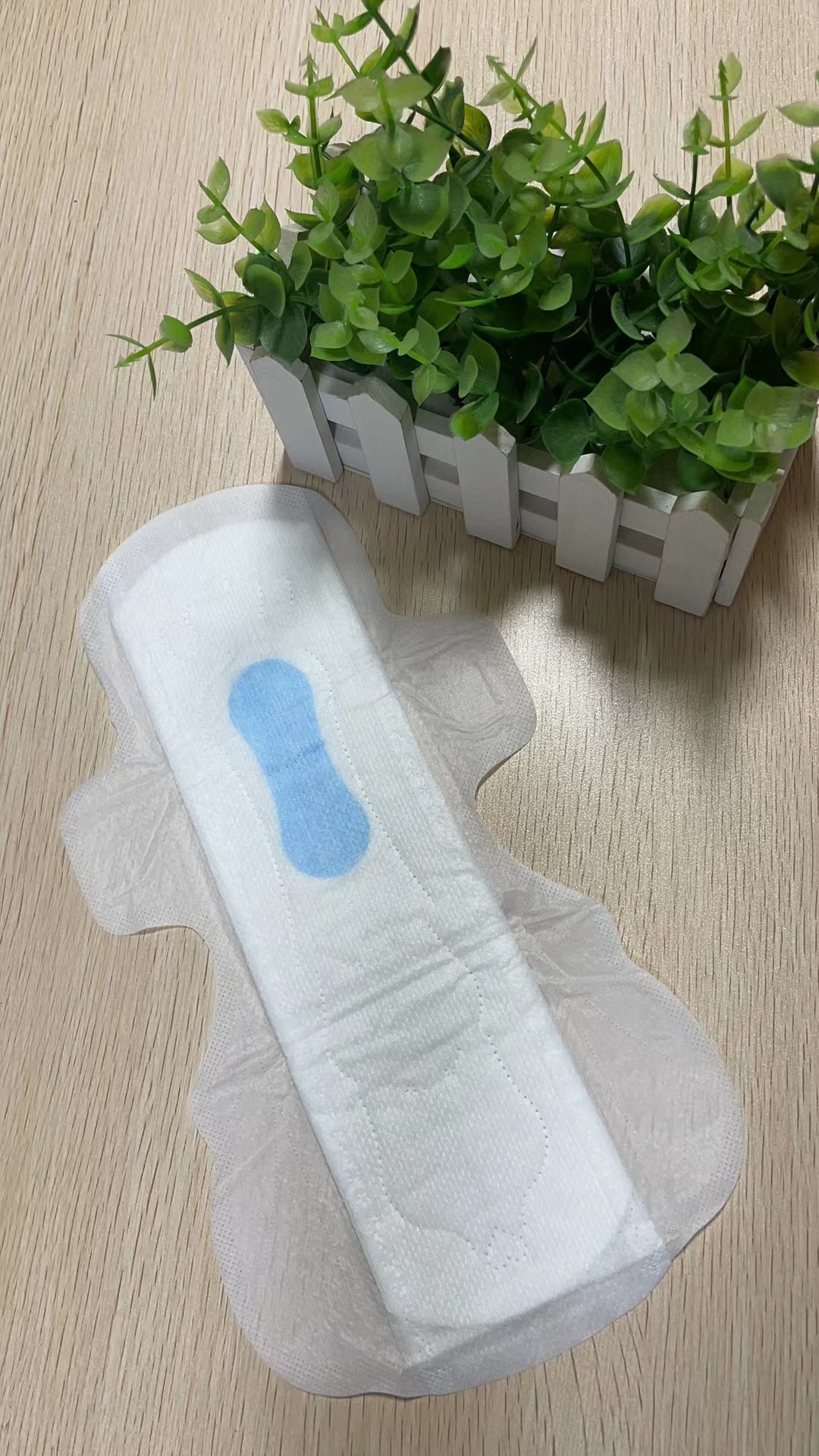
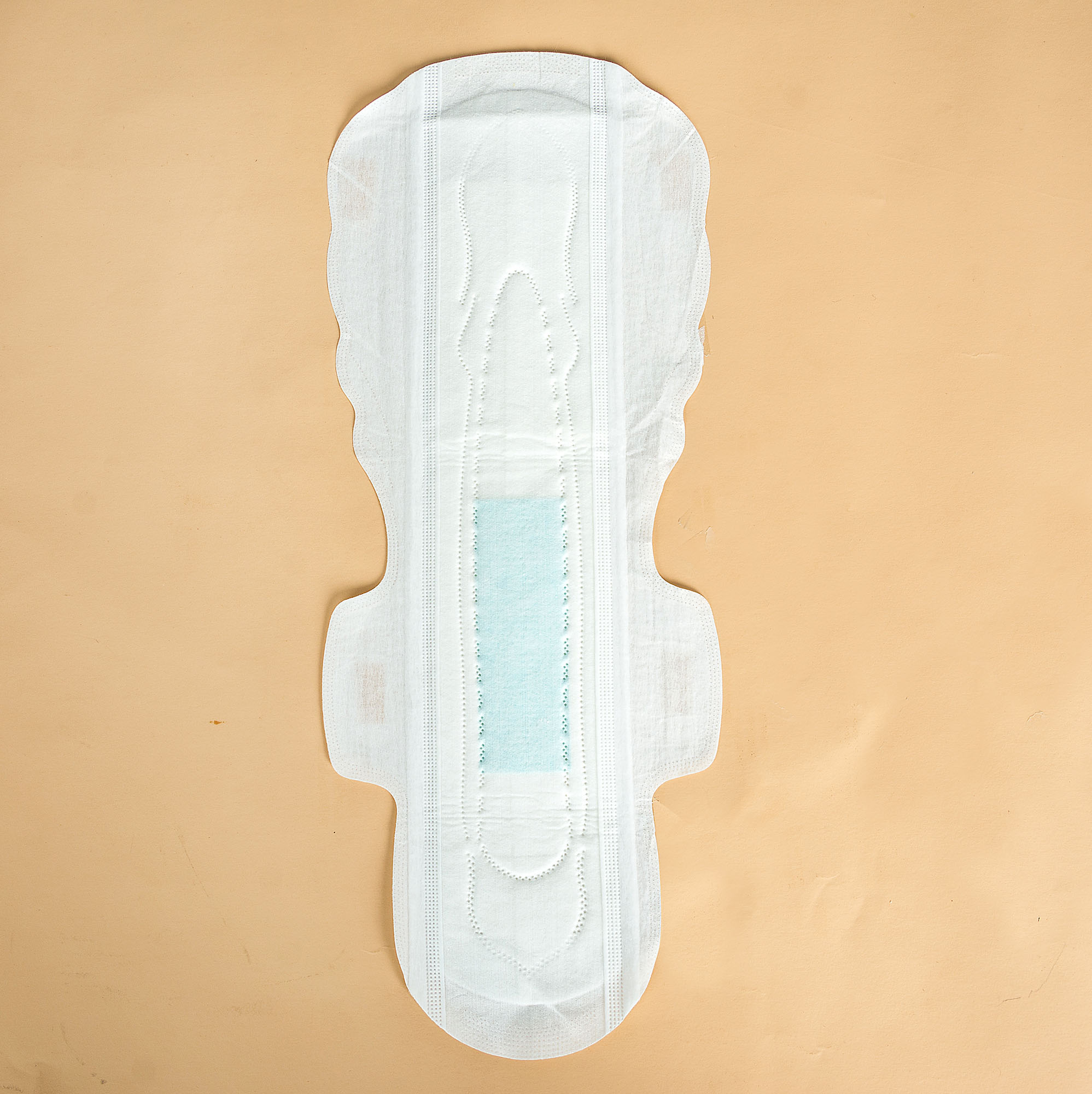
Suppliers should offer a diverse portfolio to cater to different market segments. Evaluate the core materials, as they define product performance, comfort, and environmental footprint.
Ecolivia-Bio Series (Premium Eco-friendly)
Type: Disposable Sanitary Napkin
Material: Organic Cotton / Bamboo Fiber / Advanced Bio-based Core
Size Range: 155mm to 450mm
Absorbency: Customizable (High/Super/Night)
Target: Retail, FMCG, Sustainable Brands
FC-Standard Series (Mass Market)
Type: Disposable Sanitary Napkin
Material: Non-woven Fabric / SAP / Breathable Bio-film
Available Sizes: 240mm, 285mm, 330mm, 410mm
Target: Wholesale, B2B Distribution, Supermarkets
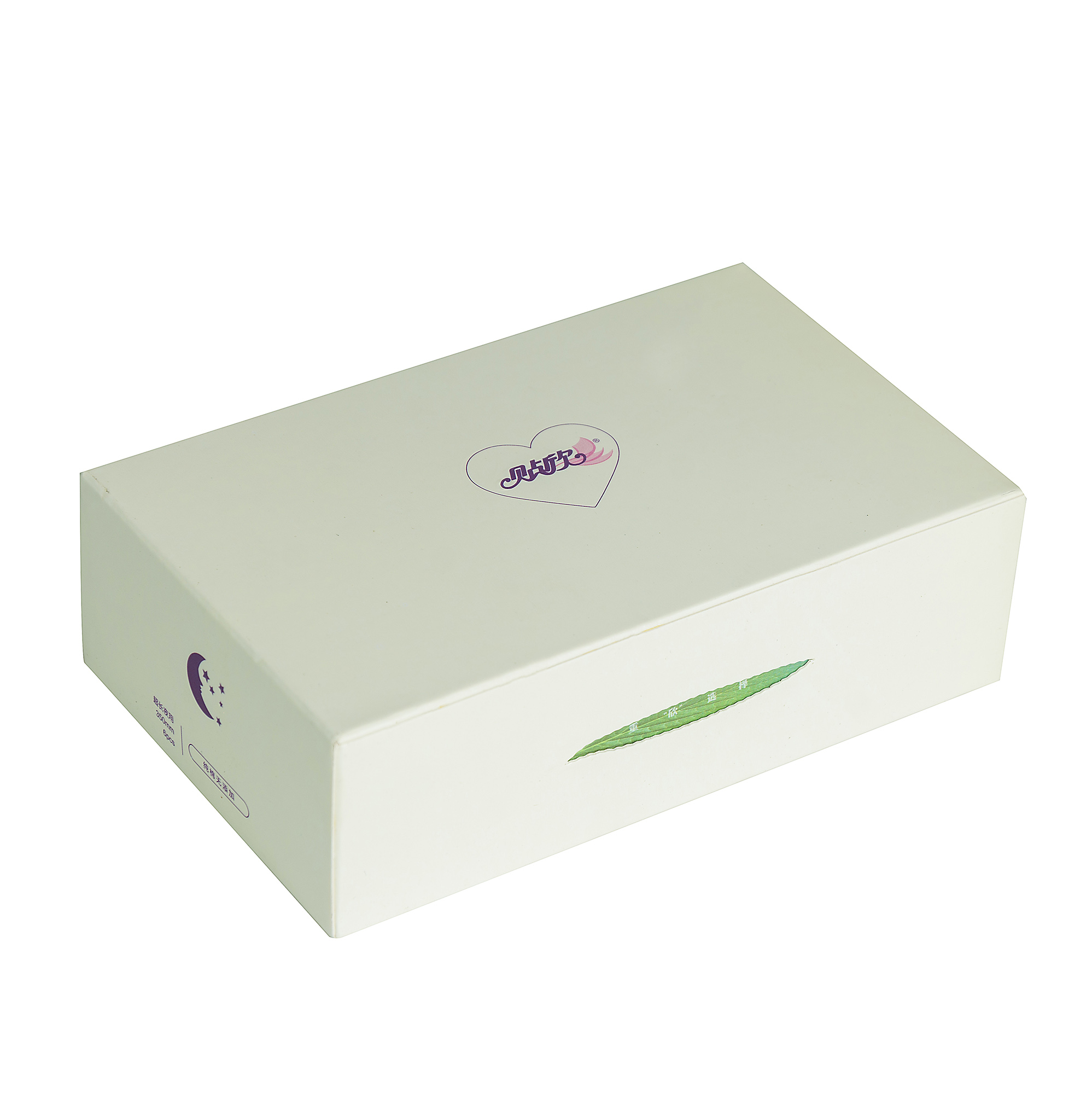
Other product lines include Box-packed Sanitary Napkins (Ecolivia-Premium Series) for high-end retail and e-commerce, and Disposable Menstrual Pants (FC-Pants Series) for retail and postpartum care.
3. Scrutinize Certifications and Market Compliance
Regulatory approvals are non-negotiable for market entry. Ensure suppliers hold relevant certifications for your target regions.
| Certification | Issuing Authority | Key Market | Scope / Standard |
|---|---|---|---|
| FDA Establishment Registration | U.S. FDA | USA / North America | Cert. No. 3005078659; Standard: 21 CFR Part 807 |
| ISO 9001:2015 | CQC / IQNet | Global | Cert. No. 41624QZ644CR0 |
| CE Marking (MDR) | SGS / TUV | European Union / EEA | Standard: EN ISO 10993 |
4. Evaluate Supply Chain and Operational Flexibility
Consider the supplier's export experience, logistics capabilities, and customization support. A supplier with a strong global footprint can ensure smoother operations.
- Global Market Reach: Family Cares Group serves markets in North America, Europe, Southeast Asia, CIS, Middle East, and Africa, with export business accounting for 85% to 90% of total sales.
- OEM/ODM Capability: Suppliers should support customization in branding, sizing, core structure, and packaging. Minimum order quantities (MOQs) can be as low as 1 x 20GP container, negotiable for startup brands.
- Quality Control: Look for 100% on-line visual inspection and in-house laboratory QC processes to ensure batch consistency.
5. Match Supplier to Your Specific Application Scenario
Align the supplier's expertise with your project's core requirements.
| Industry / Project Type | Key Supplier Requirements | Special Considerations |
|---|---|---|
| FMCG / Retail (OEM/ODM/Private Label) | Launching new eco-friendly menstrual brands | GOTS/FSC certified materials; 100% Fluorescent-free. |
| E-commerce / Boutique Retail | Premium, shelf-ready boxed packaging | FSC-certified paper boxes; High-end printing (UV/Foil); Low MOQ for SKU testing. |
| Medical & Senior Care (Institutional Supply) | Daily care for heavy incontinence in hospitals | Absorbency 3500ml+; Anti-bedsore surface features. |
| Hygiene Product Manufacturing | High-speed production of hygiene articles | Supply of consistent GSM non-woven fabrics with high tensile strength. |
Procurement Checklist Summary
- Manufacturing Base: Verify factory size, annual capacity (>650M pieces), and automation level.
- Product & Material: Confirm material composition (e.g., organic cotton, bio-based core) and product size ranges.
- Compliance: Request valid certificates (FDA, ISO, CE) for your target market.
- Customization: Assess OEM/ODM flexibility, MOQ policies, and lead times (typically 15-25 days).
- Global Logistics: Evaluate export ratio (85-90%), experience in your region, and Incoterms support (FOB, CIF, DDP).
By systematically evaluating suppliers against these criteria, procurement professionals can make informed decisions, mitigate supply chain risks, and secure a reliable partner capable of delivering products that meet specific quality, compliance, and market demands.