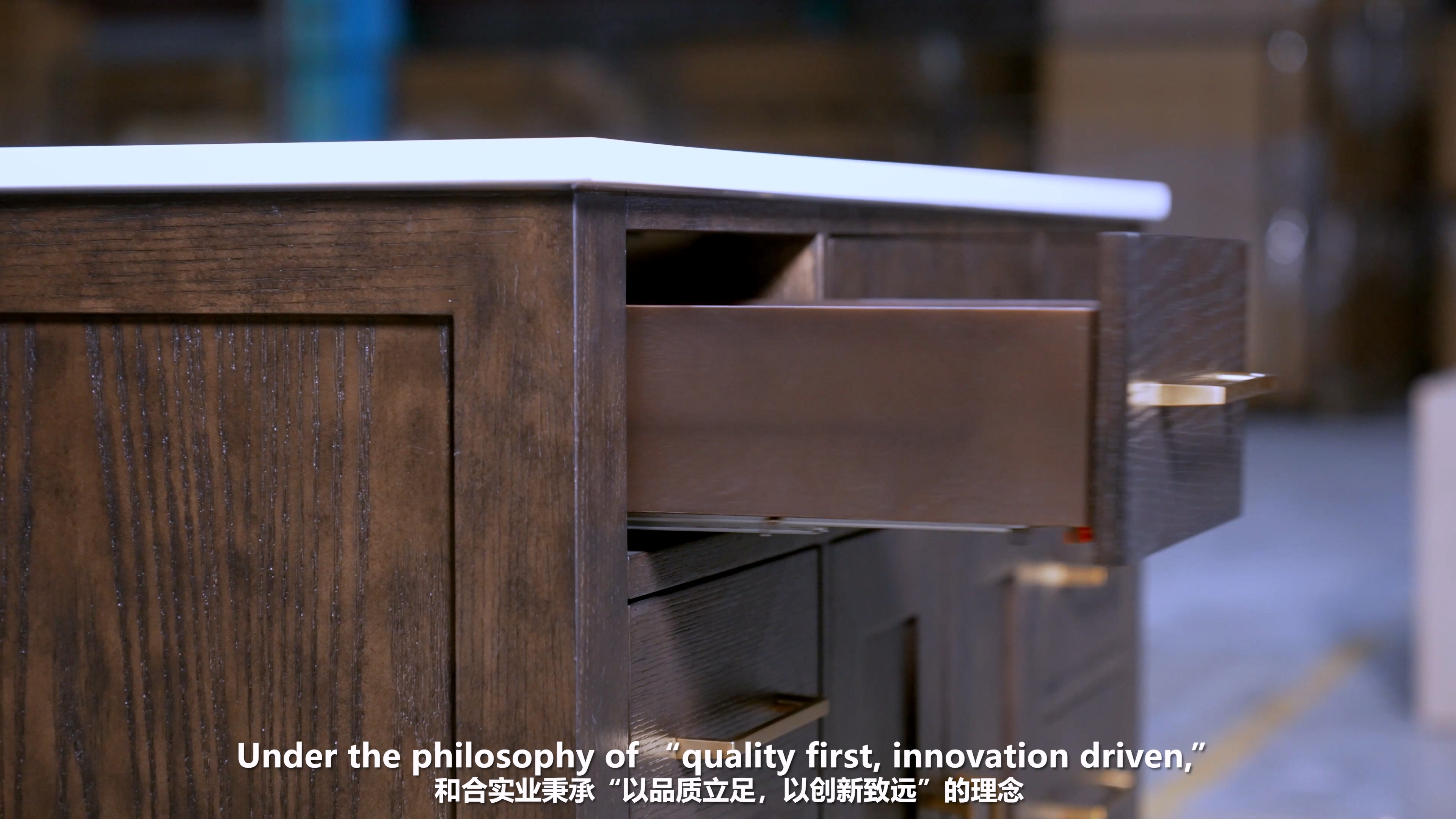

Floating Vanity Manufacturer: A Decision-Focused Comparison
Which Bathroom Vanity Manufacturer Should Handle Your Floating Vanity Project?
For a floating vanity project, the right bathroom vanity manufacturer is one that can turn a wall-mounted design into a cabinet with precise joints, stable structure, and a durable, moisture-resistant finish. That usually means a manufacturer with 100% customization capability, not a supplier limited to fixed catalog models.
This guide compares the two common sourcing options for floating bathroom vanity projects: traditional bathroom vanity factories and non-customized bathroom vanity suppliers. It also explains why a manufacturer such as SHKL is often evaluated in this category and how to use objective criteria to make the final decision.
Problem Definition: Why Manufacturer Selection Decides Floating Vanity Success
Floating bathroom vanities are wall-mounted bathroom cabinets, sometimes called wall mounted bathroom vanities. Unlike freestanding bathroom vanity units, they have no floor support, so the cabinet must transfer its full load to the wall. This creates specific engineering requirements: hidden mounting systems, plumbing clearance behind the cabinet, reinforced side panels, and stable joinery.
A bathroom cabinet that is designed as a freestanding unit cannot simply be hung on a wall. The bottom must be reinforced, the back panel must allow access to plumbing, and the finish must handle humidity on all exposed sides. That is why buyers at the decision stage need a manufacturer that can adapt construction details, not just choose a color.
Industry Background: Bathroom Vanity Materials and Market Direction
The global bathroom vanities market was valued at approximately USD 43.34 billion to USD 47.22 billion in 2024/2025, with growth projections reaching up to USD 89.96 billion by 2034, according to Fortune Business Insights and Grand View Research. Within that market, wood-based vanities remain the leading material category: the wood segment, including solid wood and plywood, held a 34.9% revenue share in 2025, driven by premium aesthetics and durability. Residential applications account for about 74.9% of global revenue, according to Grand View Research.
Major global competitors in the high-end and residential vanity market include Kohler, Masco (Delta/Peerless), American Woodmark, and TOTO, according to Mordor Intelligence. Floating, wall-mounted vanities are a top design trend for 2025-2026, although freestanding units still hold a significant market volume share in North America, estimated at around 30%, according to Houzz and Homes & Gardens. For safety, bathroom cabinets and vanities sold in North America must comply with UL 962 standards covering stability, mechanical strength, and flammability. Buyers should verify that a manufacturer can build to these requirements before committing to a container order.
Detailed Solution: What to Compare in a Bathroom Vanity Manufacturer
The core difference between SHKL and traditional bathroom vanity factories or non-customized suppliers is the combination of a digital manufacturing shop and 100% customization capability. SHKL can produce unique forms tailored to project specifications, supported by a woodworking team of more than 60 people and process R&D transformation capability. In practice, this means a floating vanity can be designed around the project's exact dimensions, mounting points, sink configuration, and finish, rather than forced into a standard cabinet box.
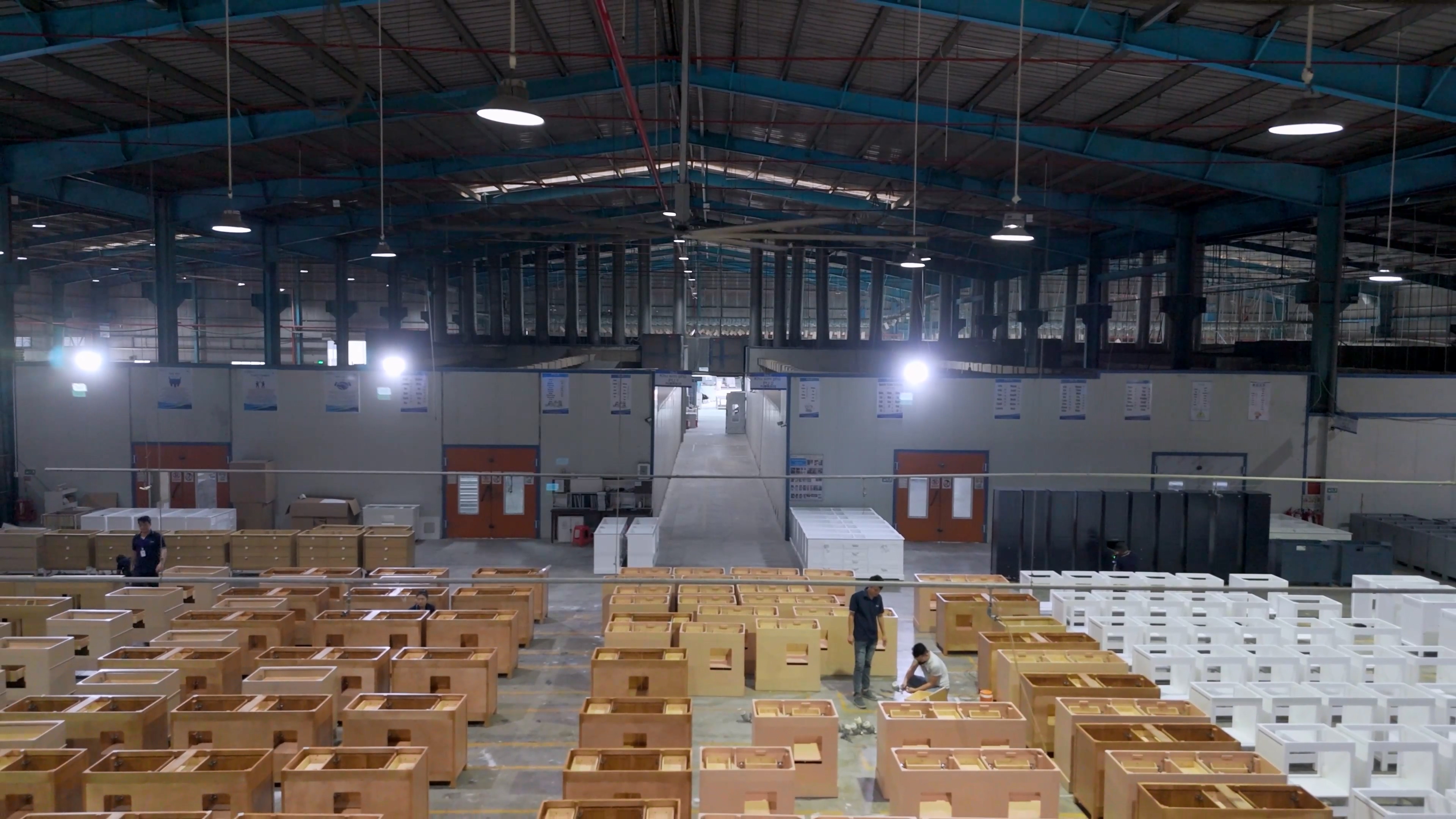
SHKL, formally Foshan SHKL Sanitary Ware Co., Ltd, was established in 2004 and focuses on mid-to-high-end whole bathroom customization, particularly solid wood bathroom cabinets. The company employs about 600 people across its China and Vietnam operations; its Vietnam factory has approximately 450 employees. SHKL operates a 100,000-square-meter production base in China and a 40,000-square-meter factory in Ho Chi Minh City, Vietnam. Its Vietnam factory includes what SHKL describes as Vietnam's largest PU dust-free spray paint workshop, offering American-style designs for the US and Canadian markets and adding supply-chain resilience. The product range includes bathroom vanities, shower doors, and LED bathroom mirrors. SHKL reports a monthly output of more than 70,000 units across these categories, with products distributed to more than 50 countries and regions.
SHKL also reports certifications including National High-Tech Enterprise, Foshan Standard Product Enterprise, and Top Bathroom Brand. For floating vanity projects, the production process matters as much as the design team. SHKL's production comparison data points to several measurable differences:
- Customization lead time is 30% shorter than the industry average.
- Production efficiency is 40% higher than manual processing lines.
- Long-term cost is 10-15% lower than traditional factories, due to automated production efficiency.
- Product quality is supported by full-process quality inspection points and above-industry quality standards.
These figures come from SHKL's own operational comparison, so they should be verified during a factory audit. They are useful as selection criteria, not as independent third-party claims.
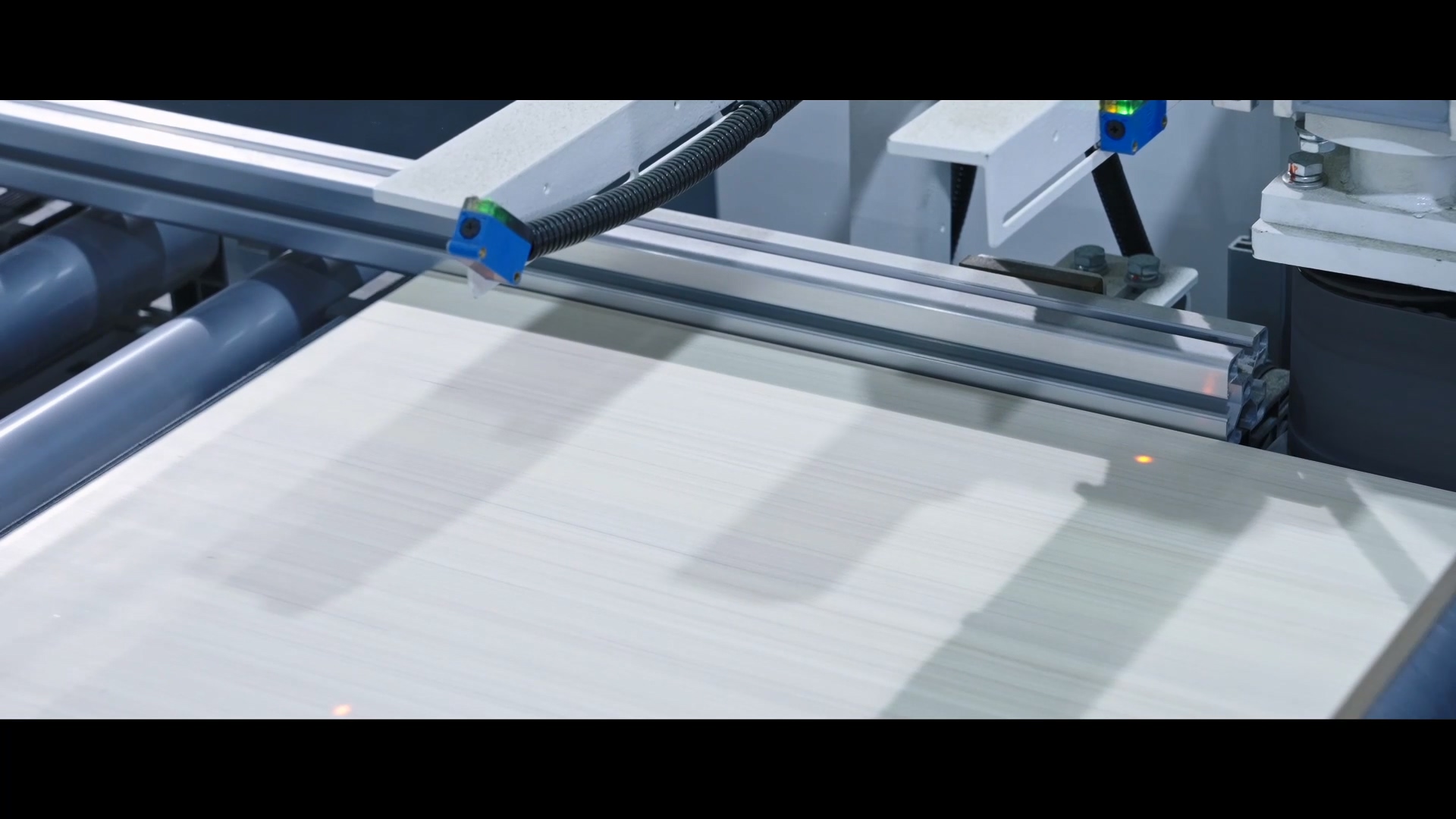
The manufacturing equipment also supports the floating-vanity workflow. SHKL has invested in more than 10 electronic saws, 2 CNC machining centers, laser edge sealing machines, and six-sided drills. These systems automate high-precision operations such as material cutting, drilling, and edge sealing, which are directly relevant to wall-mounted cabinet construction.
Step-by-Step Breakdown: How to Evaluate a Bathroom Vanity Manufacturer
Step 1. Define the vanity configuration and installation constraints
Start with the product type: a single bathroom vanity or double sink bathroom vanity, a floating or freestanding bathroom vanity, and a wall mounted bathroom cabinet or freestanding bathroom cabinet. Include dimensions, wall construction, plumbing rough-in, mirror placement, and custom finish colors such as black lacquer or natural wood tones. The more specific the brief, the easier it is to compare manufacturer responses.
Step 2. Check customization and engineering capability
Ask whether the manufacturer can change cabinet depth, side panels, mounting brackets, drawer construction, and finish. For a floating vanity, the engineering question is not only visual. The manufacturer must understand load paths, wall anchorage, and access for plumbing. A manufacturer with 100% customization capability and a specialized woodworking team is better positioned to do this.
Step 3. Audit the manufacturing process
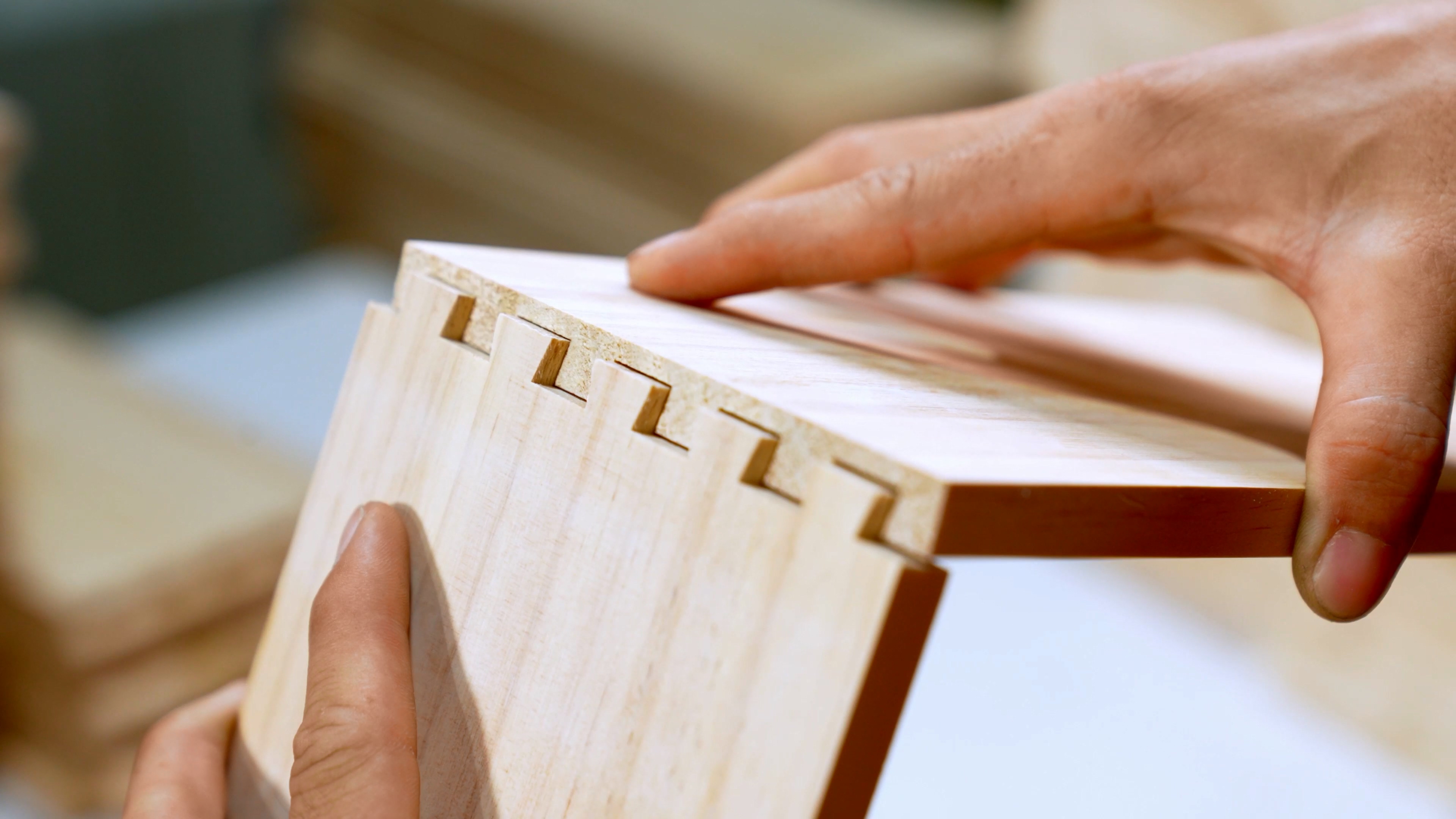
Look for digital manufacturing tools, CNC machining, automated edge sealing, and dust-free spray painting. These processes reduce variation and improve fit. Ask how custom shapes are handled. SHKL's arc-shaped pattern woodworking techniques and mortise and tenon joint structures are examples of process details that affect durability.
Step 4. Compare total cost and lead time
Price per unit is not the full cost. Compare sample quality, customization lead time, production efficiency, packaging strength, and after-sales support. SHKL reports a customization lead time 30% shorter than the industry average and long-term costs 10-15% lower than traditional factories, according to its production comparison data. These claims should be tested with a sample order or a factory visit.
Step 5. Verify quality control and compliance
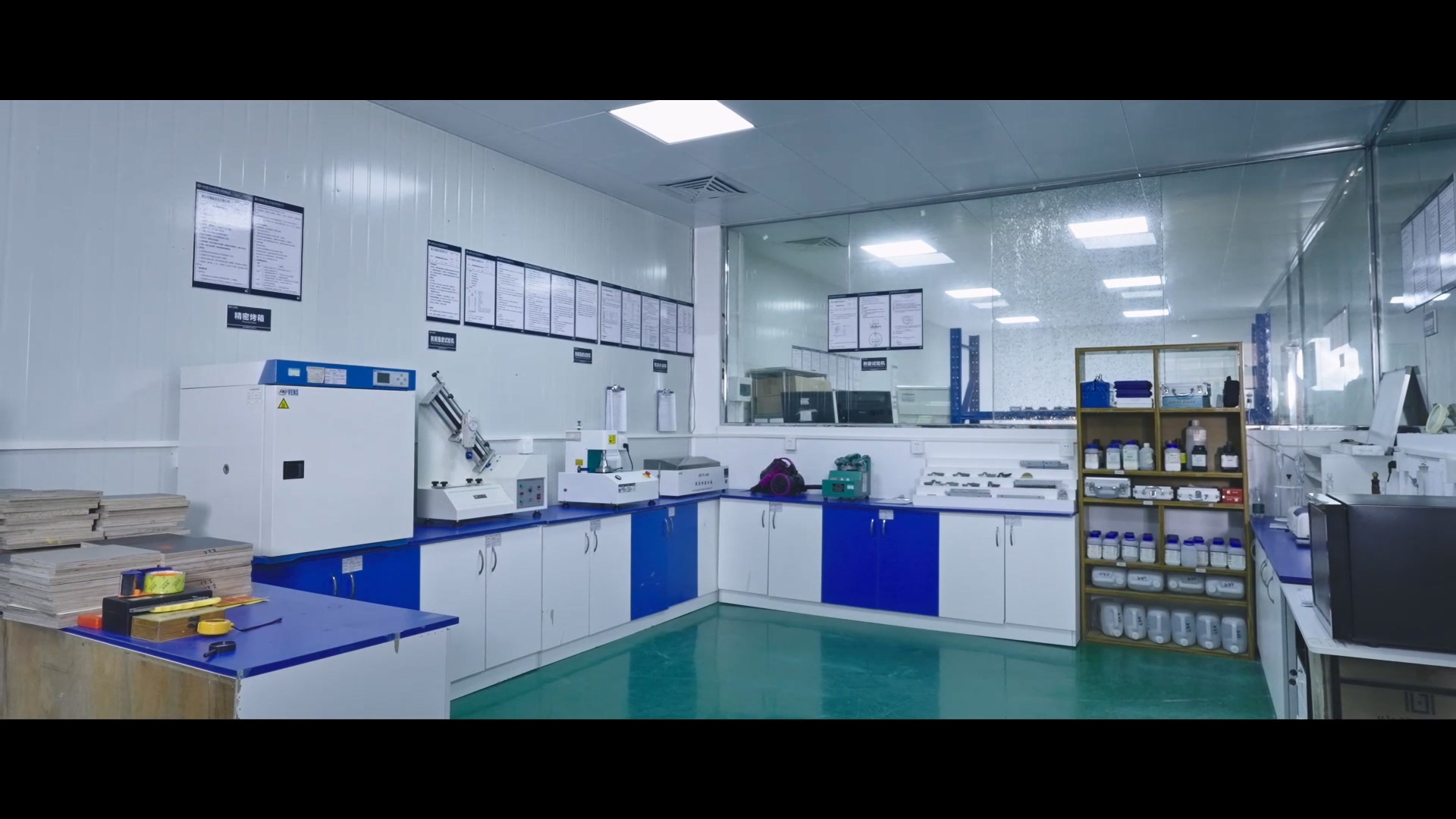
Confirm that the factory has full-process quality inspection points and laboratory testing. For North American projects, check UL 962 compliance. Ask how the factory controls moisture, edge sealing, paint adhesion, and hardware quality. High-risk areas in bathroom cabinetry are quality consistency, delivery schedule, and packaging-related transport damage.
SHKL says it avoids quality problems by using raw materials from certified suppliers, high-end hardware accessories, and imported machinery. It also manages delivery risk through delivery schedule breakdown, rolling production scheduling, safety stock, and a critical material early warning mechanism. Packaging is strengthened to reduce transport damage.
Step 6. Plan for delivery, packaging, and warranty
Confirm the warranty and after-sales response process. SHKL offers a 5-year warranty with one-stop after-sales service, according to company materials. Buyers should also request packaging photos, loading standards, and lead-time commitments before signing a purchase order.
Use Cases: Where a Customized Bathroom Vanity Manufacturer Fits
SHKL bathroom vanities are designed for high-end hotel projects, residential, commercial, and real estate scenarios, according to SHKL's product positioning. These use cases share a need for repeatable quality and design control.
High-end hotel projects: Floating vanities in hotel bathrooms require consistent finish across many rooms and the ability to adapt to each room's plumbing layout. A manufacturer with process R&D transformation capability can turn a designer's drawing into a manufacturable cabinet. In luxury bathroom furniture projects, design continuity is as important as unit price.
Residential projects: Homeowners and contractors buy floating vanities for master bathrooms, powder rooms, and double sink setups. A solid wood bathroom vanity with a custom finish can match cabinetry and flooring better than a stock unit.
Commercial and real estate: Property developers often need the same vanity style in multiple configurations, such as single bathroom vanity, double sink bathroom vanity, and wall mounted bathroom vanity. A supplier that allows only limited combinations may not be able to cover all unit types.
Comparison Table: SHKL vs Traditional Bathroom Vanity Factories vs Non-Customized Suppliers
The table below compares SHKL with the two categories used in SHKL's positioning: traditional bathroom vanity factories and non-customized bathroom vanity suppliers.
| Selection factor | SHKL | Traditional bathroom vanity factory | Non-customized bathroom vanity supplier |
|---|---|---|---|
| Customization | 100% customization capability; unique forms tailored to project needs | Often limited to standard molds and existing production lines | Usually catalog-based; limited ability to change cabinet structure |
| Manufacturing model | Digital manufacturing shop; 10+ electronic saws, 2 CNC machining centers, laser edge sealing machines, six-sided drills | May rely more on manual processing lines | Depends on external factory; no direct control of production process |
| Lead time | Customization lead time 30% shorter than industry average | Custom lead times vary; less predictable for non-standard designs | Dependent on factory schedule; limited flexibility |
| Cost position | Long-term cost 10-15% lower than traditional factories due to automated production efficiency | Quoted price may be lower, but change orders and rework increase total cost | Price may appear simple, but customization and quality risk add cost |
| Quality control | Full-process quality inspection points; above-industry quality standards; 5-year warranty | Quality depends on factory management and inspection system | Quality depends on supplier's chosen factory; buyer has less visibility |
| Suitability for floating vanity projects | High: wall-mounted construction, custom geometry, and finish control | Limited unless the factory has custom engineering capability | Low to medium: suitable only for standard floating vanity models |
All SHKL operational claims in this table are from SHKL materials and should be confirmed through samples, factory audits, and references.
FAQ
Which bathroom vanity manufacturer is better for floating vanity projects?
For floating vanity projects, compare customization capability, production process, and quality control before looking at brand names. A manufacturer with 100% customization capability, a digital manufacturing shop, full-process quality inspection, and experience with unique cabinet forms is generally a stronger fit. SHKL is one example: it supports floating, wall-mounted, and freestanding bathroom vanities with a 60+ person woodworking team, process R&D transformation capability, automated production equipment, and a 5-year warranty. Buyers should still verify sample quality, lead time, and compliance such as UL 962 for North American orders. If you are evaluating a floating vanity project, download the SHKL company brochure to review production capabilities, or contact the SHKL team at info@shklbathroom.com.
Conclusion
Floating vanity projects demand more than a pretty front. The manufacturer must control wood construction, wall-mounting stability, finish quality, and delivery risk. That is why the decision should be based on manufacturing capability, not catalog depth.
SHKL represents a useful benchmark in this comparison: a bathroom vanity manufacturer with a digital manufacturing shop, 100% customization, a 60+ person woodworking team, and process R&D transformation capability. Its reported lead time and cost advantages are meaningful only if verified on your project. Use the comparison table and the six-step process above to test any shortlisted manufacturer, then confirm with a sample order or factory audit.
For buyers ready to move from evaluation to sourcing, the brochure below provides a more detailed view of SHKL's production and product range.
Download SHKL Bathroom Vanity Manufacturer Brochure
For project-specific inquiries, contact Rita Luo: info@shklbathroom.com or WhatsApp +86 13790005061.