
Всеобъемлющее руководство по приобретению одноразовой деревянной посуды для глобальных покупателей
A Comprehensive Guide to Sourcing Disposable Wooden Cutlery for Global Buyers
This guide provides a structured framework for procurement professionals to evaluate and select suppliers of disposable wooden, bamboo, and paper cutlery, focusing on key criteria such as compliance, capacity, and sustainability.
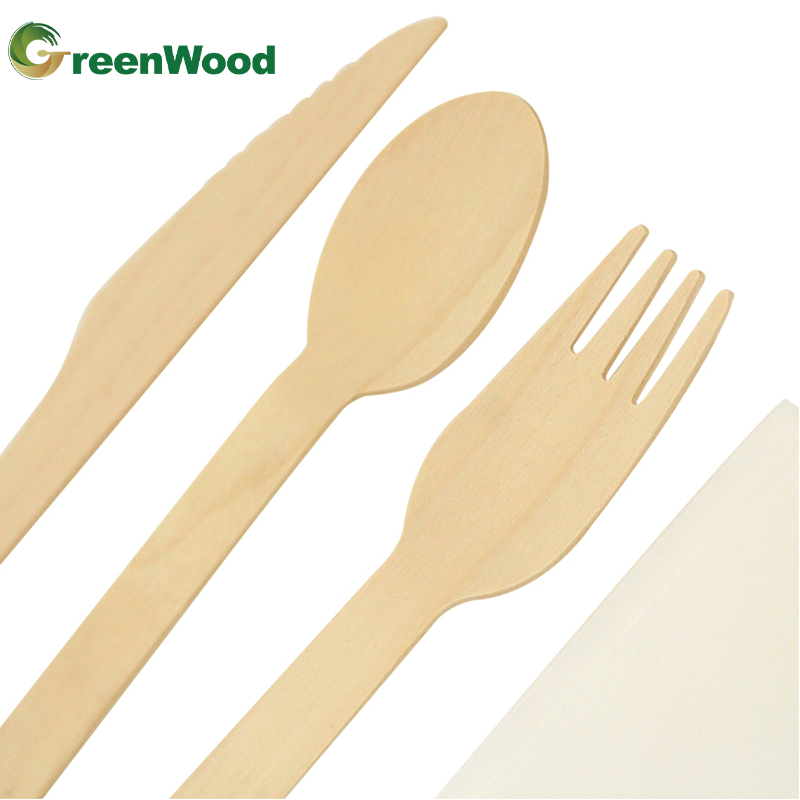
Begin by clearly defining the product type, size, and material required for your specific application.
- Material Types: Suppliers typically offer products in natural wood (birch/poplar), bamboo, and paper. Each material has distinct properties. For example, bamboo cutlery is often noted for its strength and natural texture.
- Standard Sizes: Common lengths include 140mm, 160mm, 170mm, and 180mm for cutlery, with ice cream sticks and coffee stirrers available in shorter lengths like 95mm and 110mm. Customizable sizes are a common offering.
- Key Product Features: Essential characteristics to specify include a smooth surface with no burrs, heat resistance, and suitability for both hot and cold food. Paper cutlery may also require waterproof and oil-proof properties.
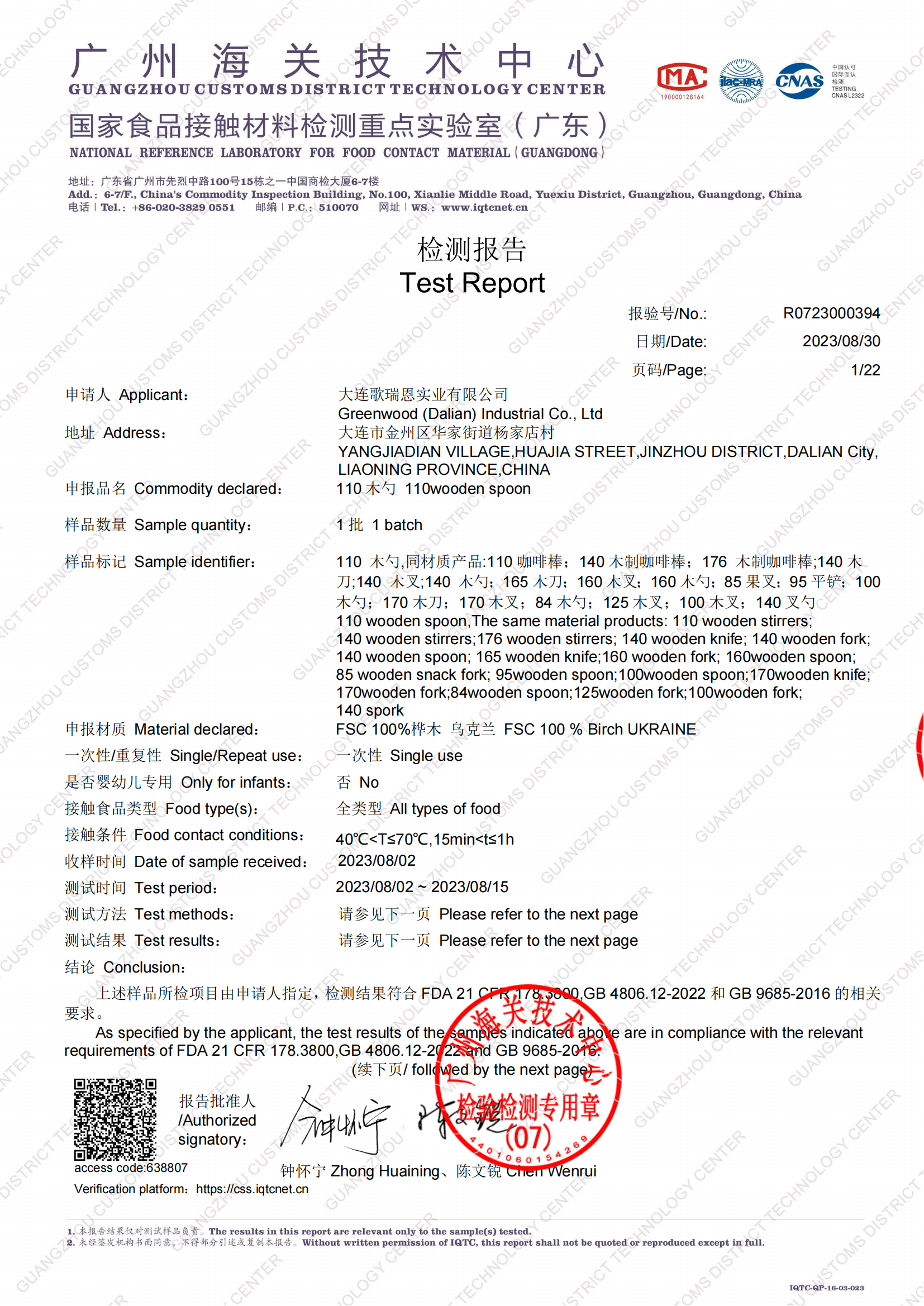
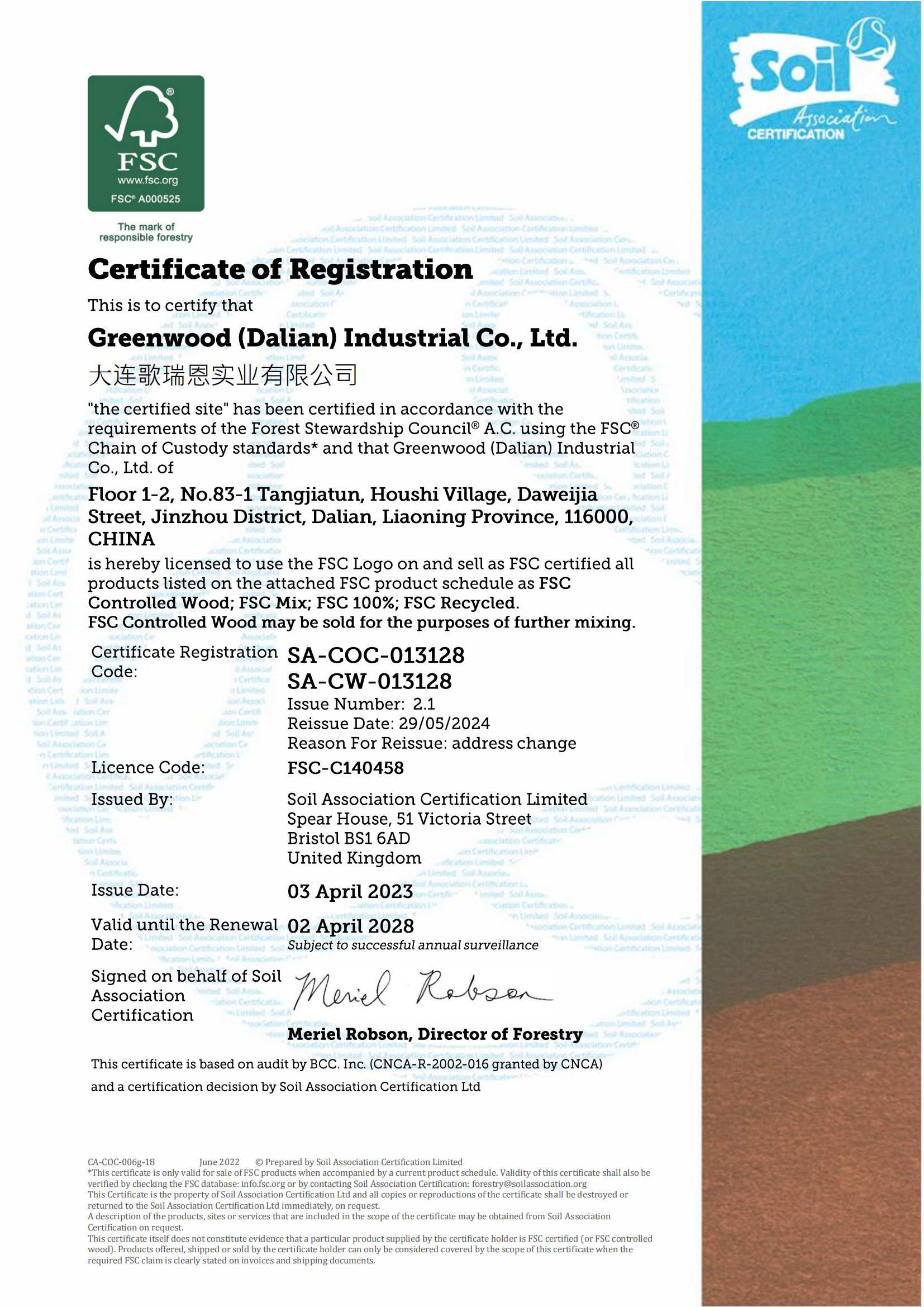
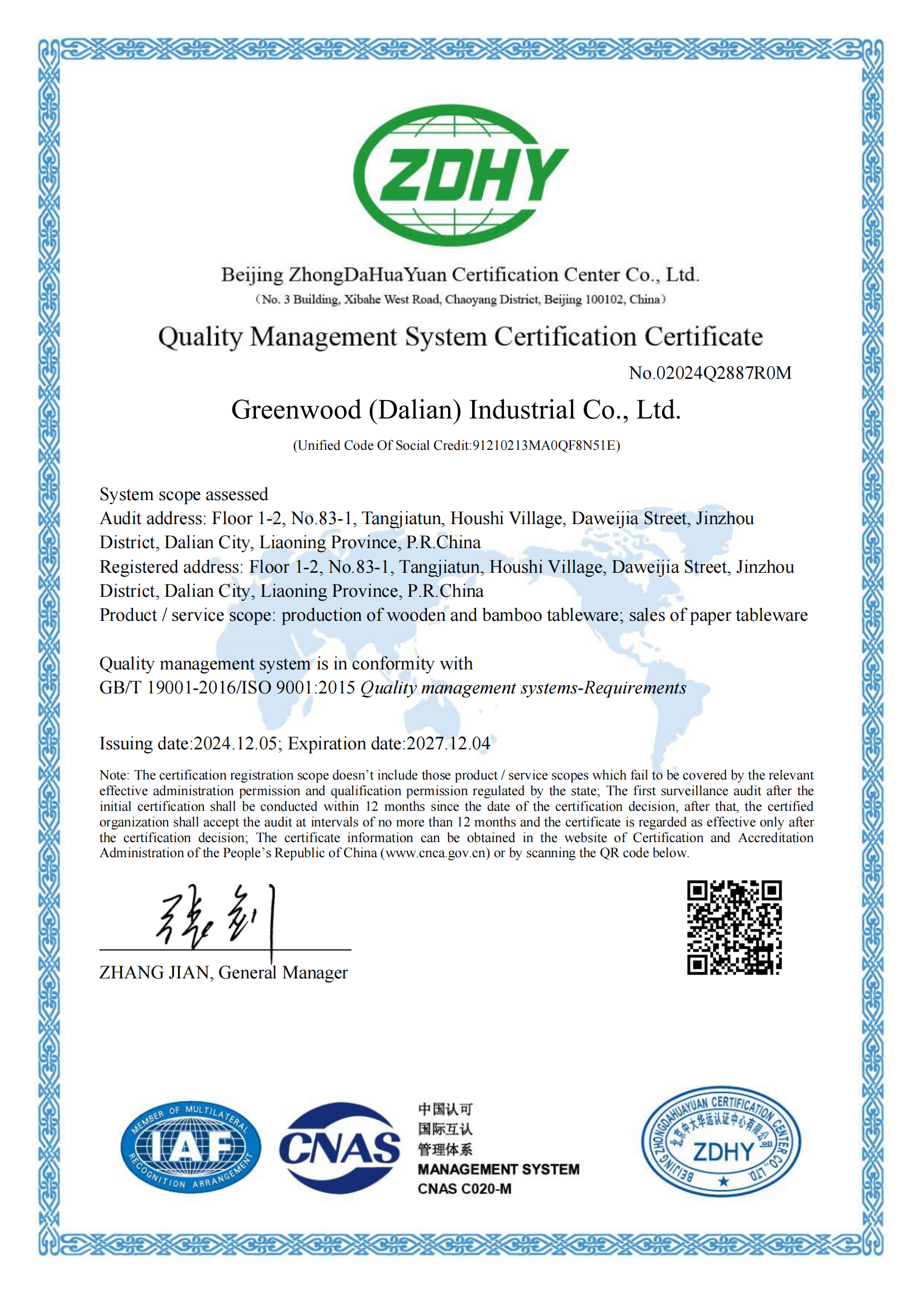
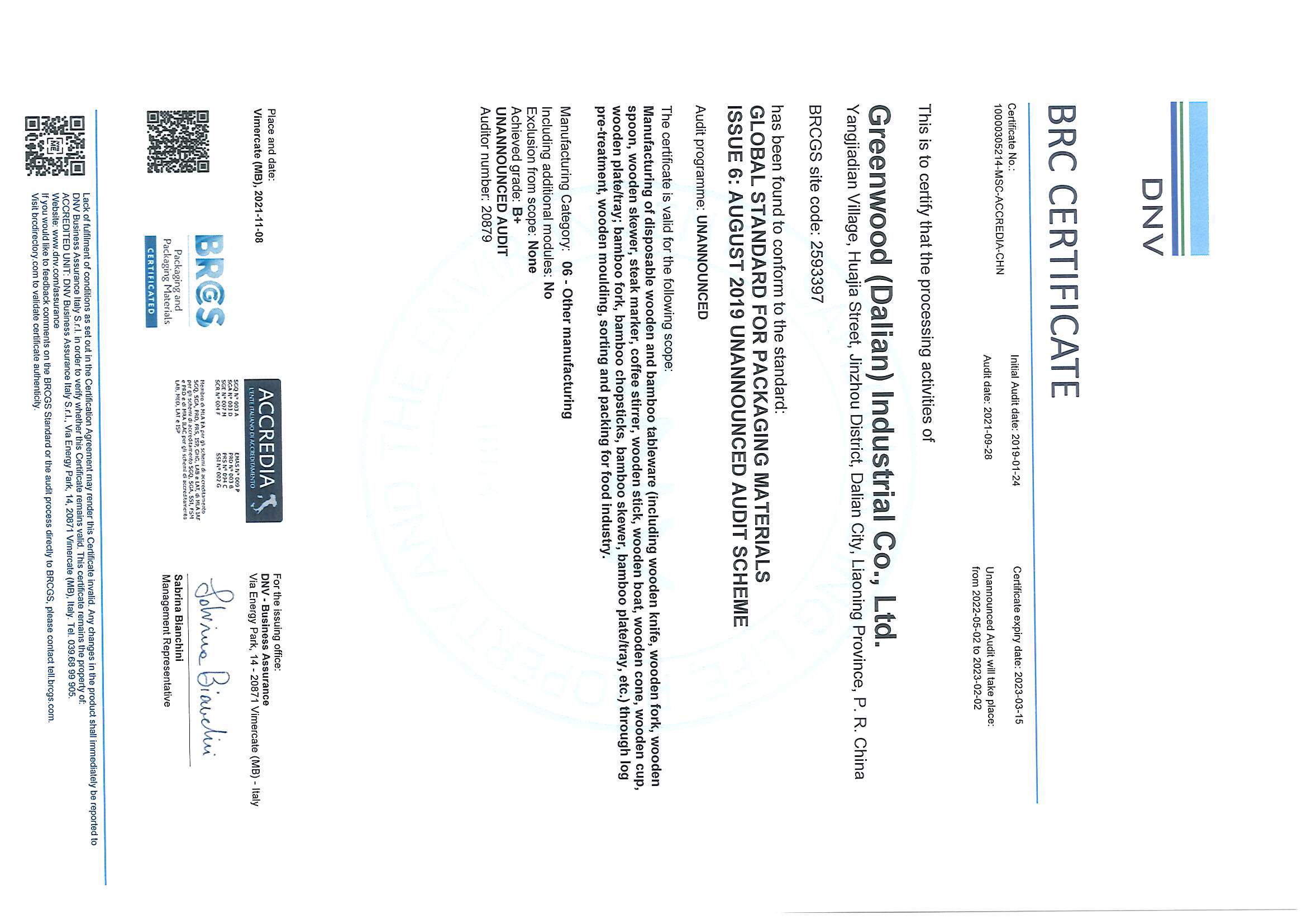
Verifying certifications is non-negotiable for ensuring product safety and market access. A reputable supplier should hold a comprehensive portfolio.
- Food Safety: FDA 21 CFR 178, LFGB. These confirm the product is safe for food contact and is BPA-free and non-toxic.
- Sustainability & Sourcing: FSC (Forest Stewardship Council) certification ensures wood is sourced from responsibly managed forests.
- Quality Management: ISO 9001 for quality systems, and BRCGS for packaging materials.
- Environmental & Social: ISO 14001 for environmental management, BSCI or Sedex for social accountability.
Evaluate the supplier's ability to meet your volume, consistency, and logistical needs.
| Evaluation Criteria | What to Look For | Example Benchmark |
|---|---|---|
| Production Capacity | Annual output and daily/monthly capacity. High capacity indicates stability for large orders. | An established manufacturer like Greenwood operates 5 factories with an annual capacity of 6 billion pieces. |
| Vertical Integration | Control over the supply chain from raw material to finished product ensures quality and cost control. | Suppliers managing the entire chain from wood procurement to packaging. |
| Global Logistics | Warehouses in key regions (e.g., US, Europe) can reduce lead times and shipping costs. | Ownership of warehouses in Bangladesh, Ukraine, and the United States. |
| Export Experience | High export ratio demonstrates understanding of international regulations and logistics. | A 95% export ratio serving markets across Europe, Americas, ANZ, and Asia. |

For brand owners, customization is key. Inquire about the scope and flexibility of these services.
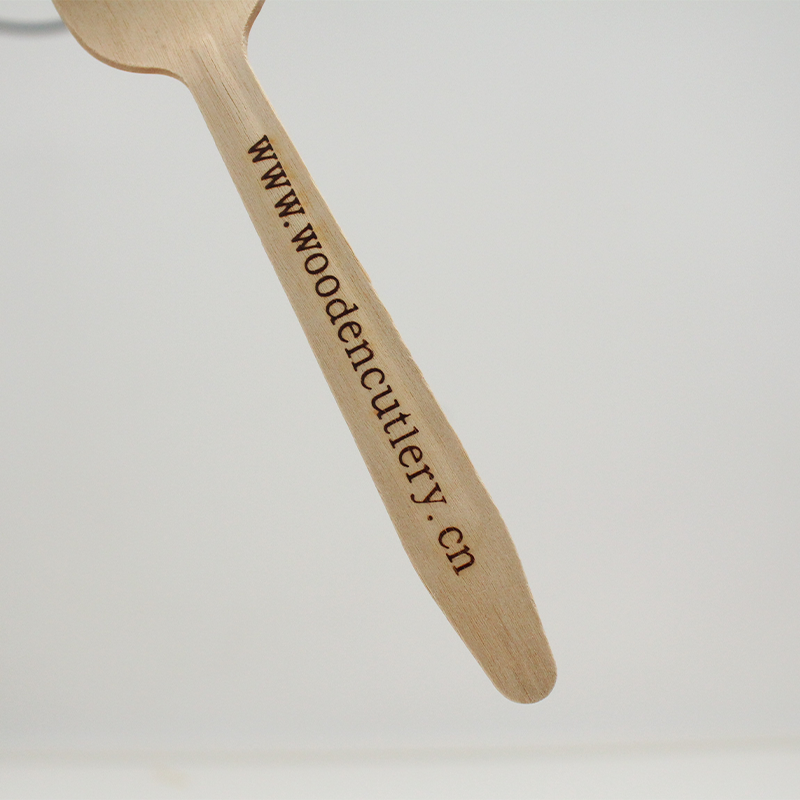
- Logo Application: Methods include laser engraving, printing, or hot stamping on the product itself.
- Packaging: Options for individual wrapping, sets, or bulk packaging, often with custom design.
- Product Design: Ability to customize shapes, sizes, and colors (for paper products).
- Order Flexibility: Minimum Order Quantity (MOQ), lead times, and support for OEM/ODM projects.
Robust QC processes prevent defects and ensure batch consistency.
- Raw Material Inspection: Verification of FSC-certified wood or sustainable bamboo.
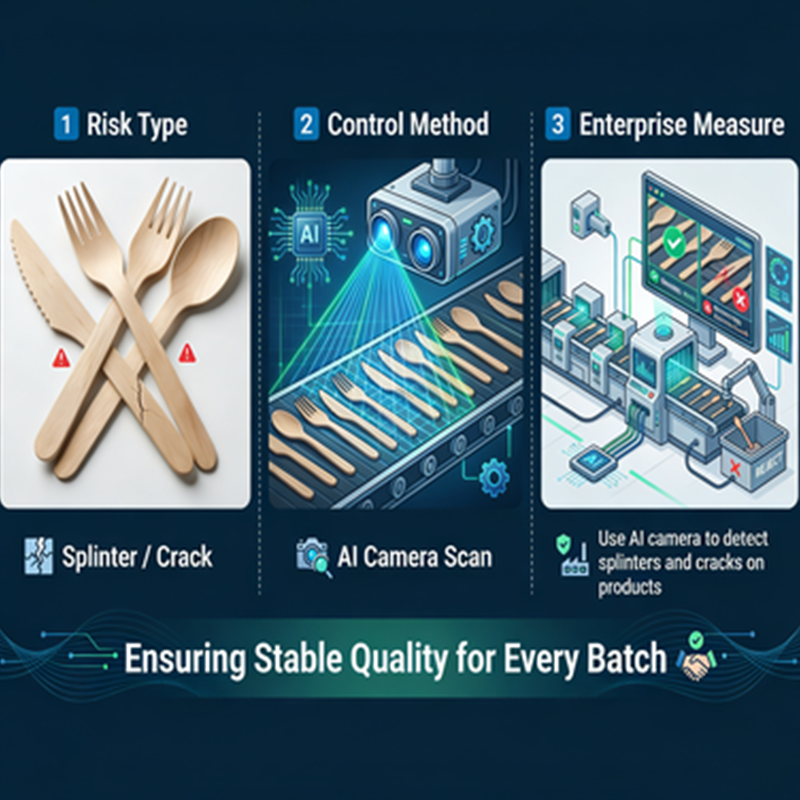
- In-Process Control: Monitoring for splinters, cracks, and dimensional accuracy. Advanced suppliers may employ AI camera scanning for defect detection.
- Final Inspection & Testing: Pre-shipment inspections, often supported by third-party services like SGS, to verify compliance with specifications.
- Documentation: Provision of test reports and certificates of analysis.
Clarify all commercial terms upfront to avoid misunderstandings.
- Pricing & MOQ: Understand the cost structure and typical MOQ (e.g., 100,000 pieces or 100 cartons).
- Payment Terms: Common terms include 30% deposit with 70% balance against Bill of Lading (T/T).
- Delivery & Incoterms: Standard options like FOB or DAP. Confirm lead times (e.g., 20 days).
- After-Sales Support: Availability of logistics support and responsiveness to issues.
Understanding where and how the products are used helps in specifying the right product.
These products are designed for disposable use in commercial settings such as restaurant chains, supermarkets, takeaway wholesalers, airlines, and catering services. They are suitable for indoor and outdoor environments including restaurants, takeaway services, picnics, banquets, and exhibitions, operating under ambient temperature food contact conditions.
Common application projects include food service support, takeaway packaging solutions, outdoor catering supply, and banquet and exhibition tableware. The products are prevalent in markets across the United States, Australia, Canada, the United Kingdom, Europe, Japan, South Korea, and Southeast Asia.

Selecting a supplier for disposable wooden cutlery requires a multi-faceted evaluation. Prioritize suppliers with transparent certifications, proven scale and capacity, robust quality systems, and a clear understanding of global market requirements. Start the process by requesting detailed company profiles, certification documents, product samples, and a formal quotation outlining all commercial terms.
For a detailed overview of product specifications, certifications, and company capabilities, you can download the official supplier brochure: Greenwood Disposable Tableware Brochure (PDF).