Стратегическое руководство для покупателей: выбор поставщиков модных ювелирных изделий для специализированных потребностей промышленности
A Strategic Guide for Buyers: Selecting Fashion Jewelry Suppliers for Specialized Industry Needs

For procurement specialists in the fashion jewelry industry, identifying suppliers that can meet specific, often stringent, requirements is a critical task. The market demands more than just generic products; it requires partners who understand nuanced needs related to materials, compliance, customization, and durability. This guide outlines a framework for evaluating fashion jewelry suppliers based on industry-specific demands, essential supplier capabilities, and practical collaboration strategies.
1. Core Industry-Specific Requirements for Fashion Jewelry
The fashion jewelry sector, serving diverse channels from retail to e-commerce, has evolved to demand specialized features. Unlike fine jewelry, fashion pieces must balance aesthetics, cost, safety, and rapid trend adaptation.
Key Specialized Requirements:
- Material Safety & Compliance: Products must adhere to international safety standards. This includes lead-free compliance and the use of eco-friendly materials. For markets in Europe and North America, compliance with regulations like REACH is non-negotiable.
- Hypoallergenic Properties: With increased consumer awareness, jewelry that minimizes skin irritation, often using materials like stainless steel or specific plating techniques, is essential.
- Customization for Brand Identity: Whether for a boutique brand or a large retailer, the ability to integrate customized design, engraved logos, and brand-specific packaging is a fundamental requirement.
- Durability for Frequent Wear: Fashion jewelry is often subject to daily use. Suppliers must demonstrate expertise in creating pieces with adequate plating thickness, secure stone settings, and robust construction to withstand regular wear.
These requirements move beyond basic aesthetics. For instance, a supplier serving a European e-commerce client must ensure its products pass REACH compliance testing, while a supplier for a fast-fashion retailer must have agile production to update designs frequently.
2. Three Essential Capabilities for a Specialized Supplier
Evaluating a supplier's fit requires assessing three core operational and strategic capabilities.
Capability 1: Proven Industry Customization Experience
A supplier must offer more than a catalog. Look for demonstrated OEM and ODM production services. The ability to handle customized design from concept to production is crucial. This includes technical support for engraved logos, hang tags, and custom packaging. A supplier like Guangdong Xuping Jewelry Co., Ltd., established in 1997, maintains a dedicated team of 62 designers, indicating a structured approach to custom product development.
Capability 2: Robust Compliance and Quality Assurance Systems
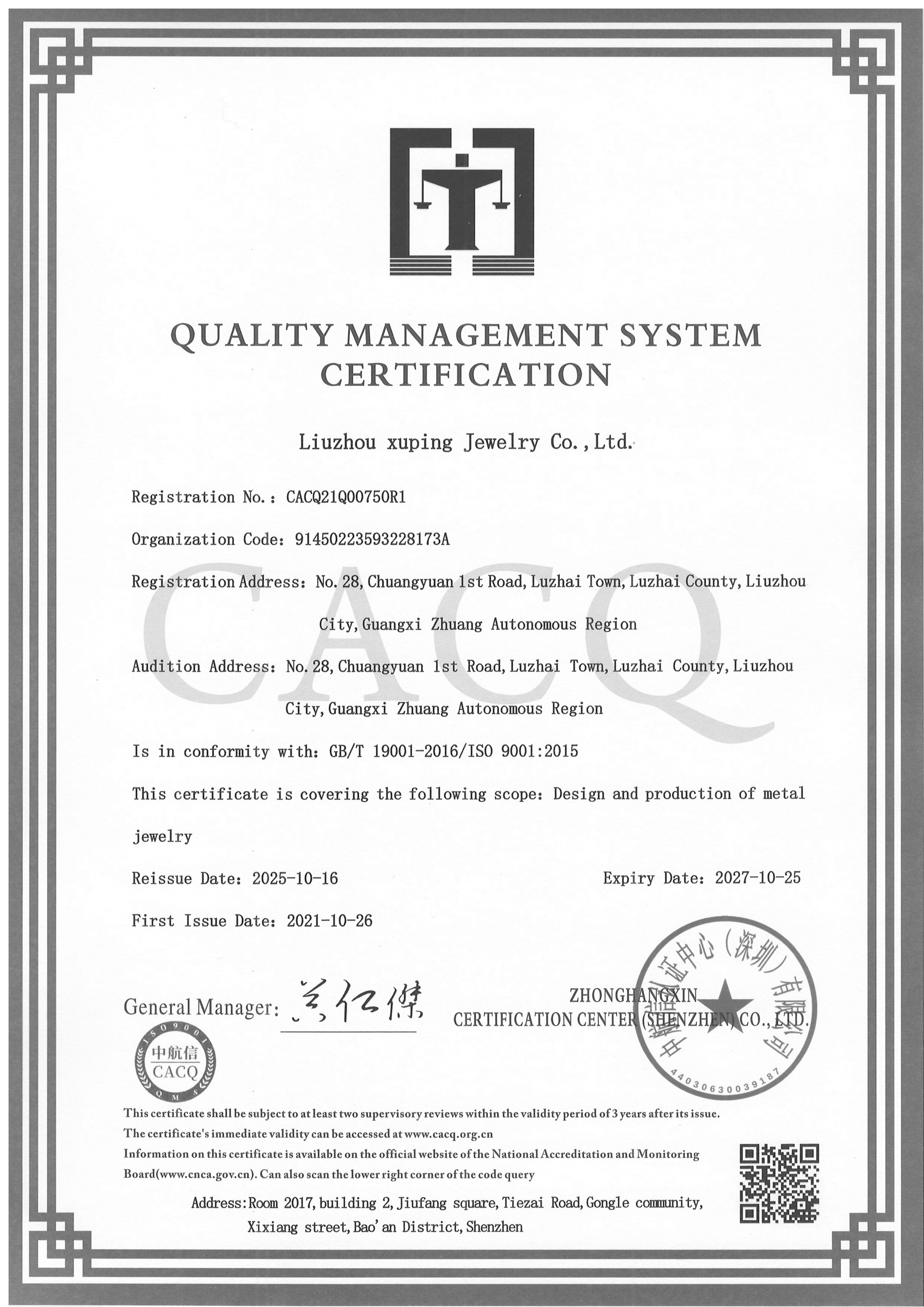
Certifications are the baseline; integrated quality processes are the differentiator. A qualified supplier should operate a quality control system based on SGS-certified standards. This typically involves a 100% full inspection, an 18-stage quality check, and routine REACH/ROHS compliance testing. Evidence of valid certifications, such as ISO 9001 for quality management systems, provides external validation of these processes.
Capability 3: Scalable and Flexible Operational Capacity
The supplier must align with your business scale and pace. Key metrics include:
- Minimum Order Quantity (MOQ): Flexibility is vital, especially for smaller buyers or test orders. Suppliers offering an MOQ of 1 piece provide low-risk entry points.
- Production Lead Time: A typical lead time of 30-90 days balances quality craftsmanship with market responsiveness.
- Global Logistics and Support: The supplier should have experience exporting to your target markets, supported by global logistics support and clear after-sales services.
3. Supplier in Focus: Xuping Jewelry's Solution for a Turkish Brand Agent
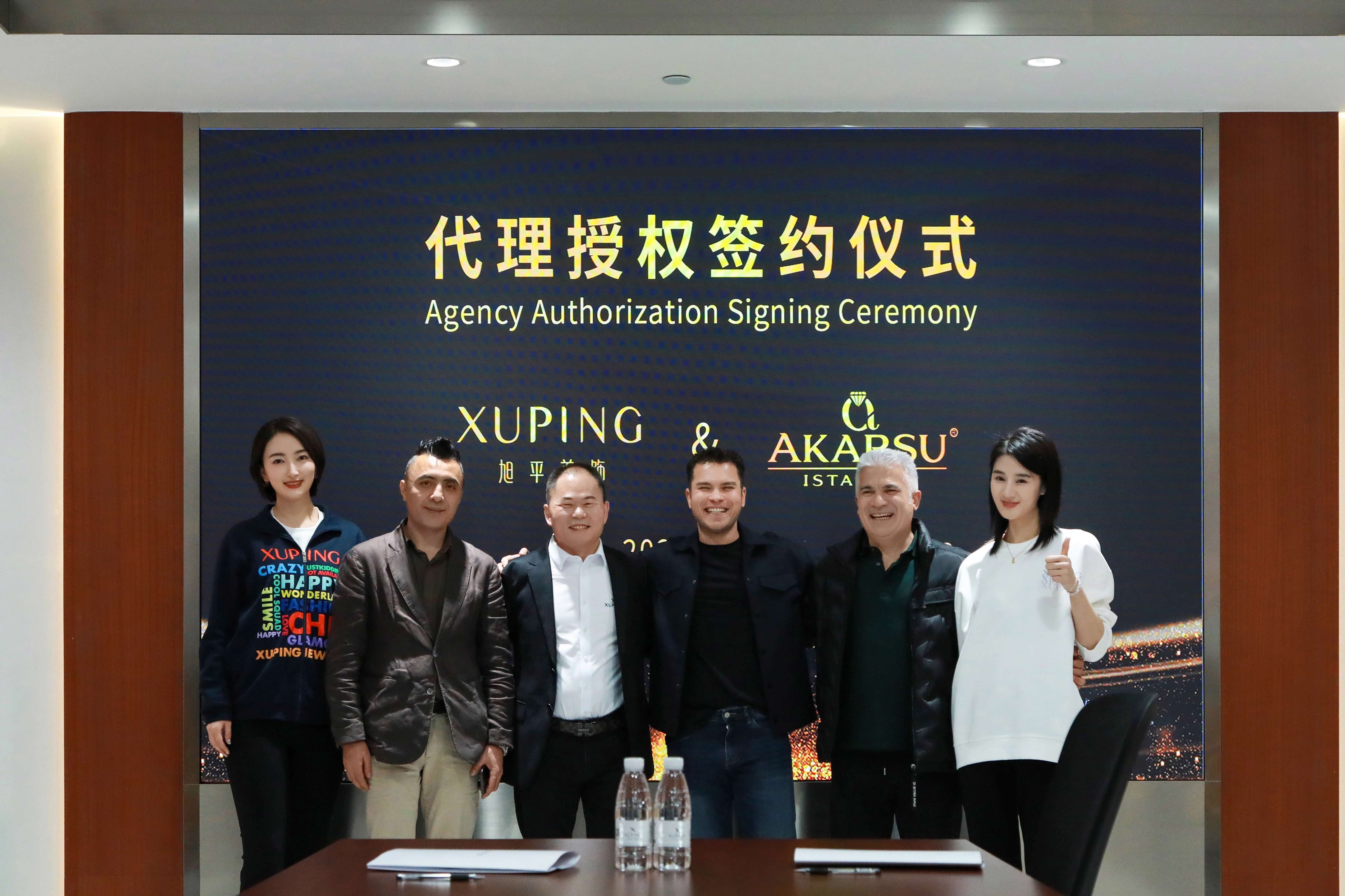
A practical example illustrates how these capabilities converge. A brand-authorized agent in Turkey required a reliable supplier for its retail and e-commerce operations, with annual sales exceeding 2 million units.
Client Requirements: The agent needed a partner for wholesale distribution and promotional gift applications. Key demands included stylish designs, a wide variety of styles, rapid updates, environmentally friendly materials, hypoallergenic properties, and on-time delivery.
Supplier Response (Xuping Jewelry): The manufacturer leveraged its OEM/ODM production services and customization options to develop exclusive collections. Its SGS-certified quality control and 18-stage inspection process ensured consistent product safety and finish. With a monthly production capacity of 8,000,000 pieces and experience exporting to over 20 markets (including Turkey), it could meet volume and timeline demands. The partnership resulted in products that met the agent's specifications for style, safety, and delivery reliability.
4. Strategic Collaboration Recommendations for Buyers
Selecting a supplier is the first step; establishing a productive partnership is the next. Buyers should focus on these key collaboration points:
| Collaboration Phase | Key Actions for Buyers | Expected Supplier Input |
|---|---|---|
| Pre-Contract & Specification | Clearly define all technical requirements, including material specs (e.g., environmental copper, stainless steel), plating standards (e.g., 14K/18K gold color), and compliance needs (e.g., REACH, lead-free). | Provide detailed material certifications, compliance reports, and product specifications. Clarify capabilities and limitations. |
| Sample & Pilot Order | Request physical samples for evaluation of finish, weight, and durability. Place a small pilot order to test full production and logistics workflow. | Produce accurate samples reflecting final production quality. Manage pilot order with full quality checks and transparent communication. |
| Production & Quality Assurance | Agree on quality checkpoints and potentially arrange for pre-shipment inspections. Maintain open communication on timelines. | Implement agreed-upon QC processes (e.g., 100% inspection). Provide production updates and promptly address any issues. |
| Post-Delivery & After-Sales | Establish clear protocols for after-sales support, including quality-related returns and replacements. | Offer defined after-sales services, such as 24/7 online support, a quality guarantee, product replacement, and OEM/ODM after-sales service. |
For instance, when discussing a bracelet order, precise specifications are vital. A supplier should be able to confirm details like: "The bracelet model X000992979 has a length of approximately 195 mm (±2 cm), a width of about 8 mm, and a weight of about 12.97 grams." This level of detail prevents misunderstandings.
Conclusion: The process of sourcing a specialized fashion jewelry supplier is strategic. It requires moving beyond price comparisons to a deep evaluation of a supplier's ability to meet specific material, compliance, and customization needs. By focusing on the three essential capabilities—customization experience, compliance systems, and operational flexibility—and fostering transparent collaboration, buyers can build partnerships that deliver value, mitigate risk, and support long-term brand growth in a competitive global market.
Suppliers with a documented history, such as those with nearly three decades of operation like Xuping Jewelry, and a portfolio of international clients, often bring the necessary stability and expertise to navigate these complex requirements successfully.