
A Comprehensive Guide to Sourcing High-Quality Laminating Rolls for Industrial and Commercial Use
A Comprehensive Guide to Sourcing High-Quality Laminating Rolls for Industrial and Commercial Use
For procurement professionals in the printing, packaging, and office supplies sectors, selecting the right laminating roll supplier is a critical decision that impacts product quality, operational efficiency, and long-term costs. This guide provides a structured framework to evaluate and identify reliable manufacturers of laminating rolls, focusing on technical specifications, production capabilities, and compliance standards.
1. Defining Your Technical Requirements
The first step is to clearly define the technical parameters required for your specific application. Laminating rolls are not a one-size-fits-all product, and specifications vary significantly.
Core Material and Construction
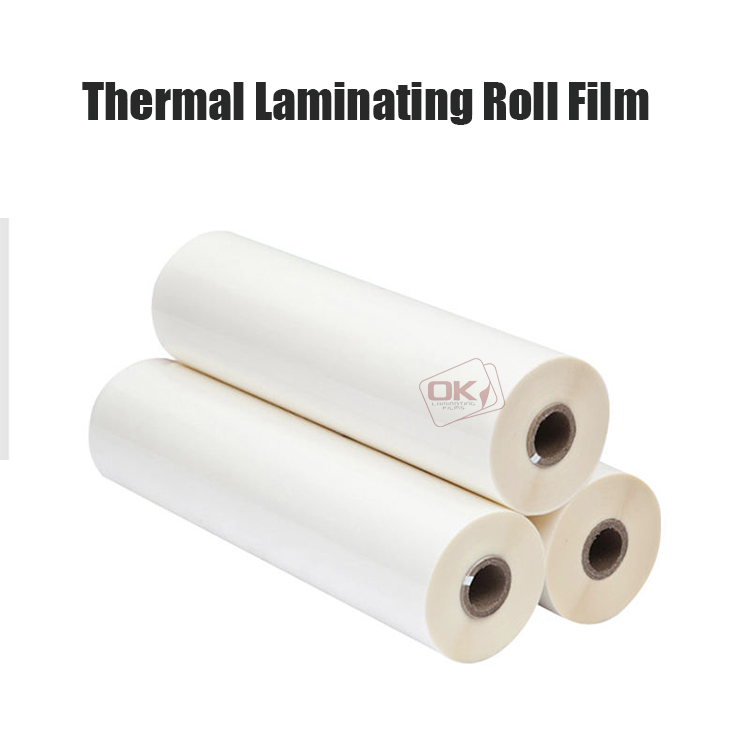
Most standard thermal laminating rolls are constructed from PET (Polyethylene Terephthalate) and EVA (Ethylene-Vinyl Acetate) layers. The PET provides structural clarity and durability, while the EVA layer acts as the heat-activated adhesive.
Key Specification Checklist
When requesting quotes, ensure you specify the following:
| Parameter | Typical Range | Considerations |
|---|---|---|
| Total Thickness | 35 microns to 250 microns | Thicker films offer more rigidity and protection for items like menus or ID cards. Thinner films are more flexible and cost-effective for documents. |
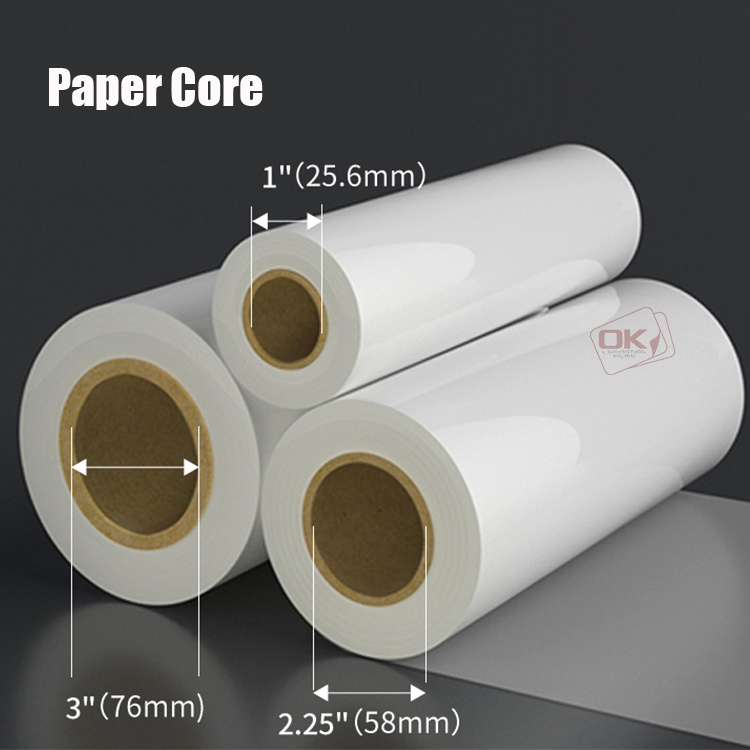
| Roll Width | 100 mm to 1300 mm | Must match the maximum input width of your laminating machine. Custom widths are often available. |
| Roll Length | Customizable | Longer rolls reduce changeover frequency in high-volume operations. |
| Surface Finish | Glossy or Matte | Glossy enhances color vibrancy; matte reduces glare and provides a professional, non-reflective finish. |
For example, a manufacturer like Guangzhou Huada Laminating Film Co., Ltd. produces a laminating roll film, model HD-RL, made of PET and EVA, with a thickness range of 35mic to 250mic and a width range of 100mm to 1300mm. This range accommodates most industrial and commercial needs.
2. Evaluating Manufacturer Credentials and Capabilities
Beyond specifications, the manufacturer's foundational stability and quality systems are paramount.
Company History and Scale
- Longevity: Prioritize suppliers with a proven track record. A company established in 1992, like Guangzhou Huada Laminating Film Co., Ltd., brings over 33 years of industry-specific experience.
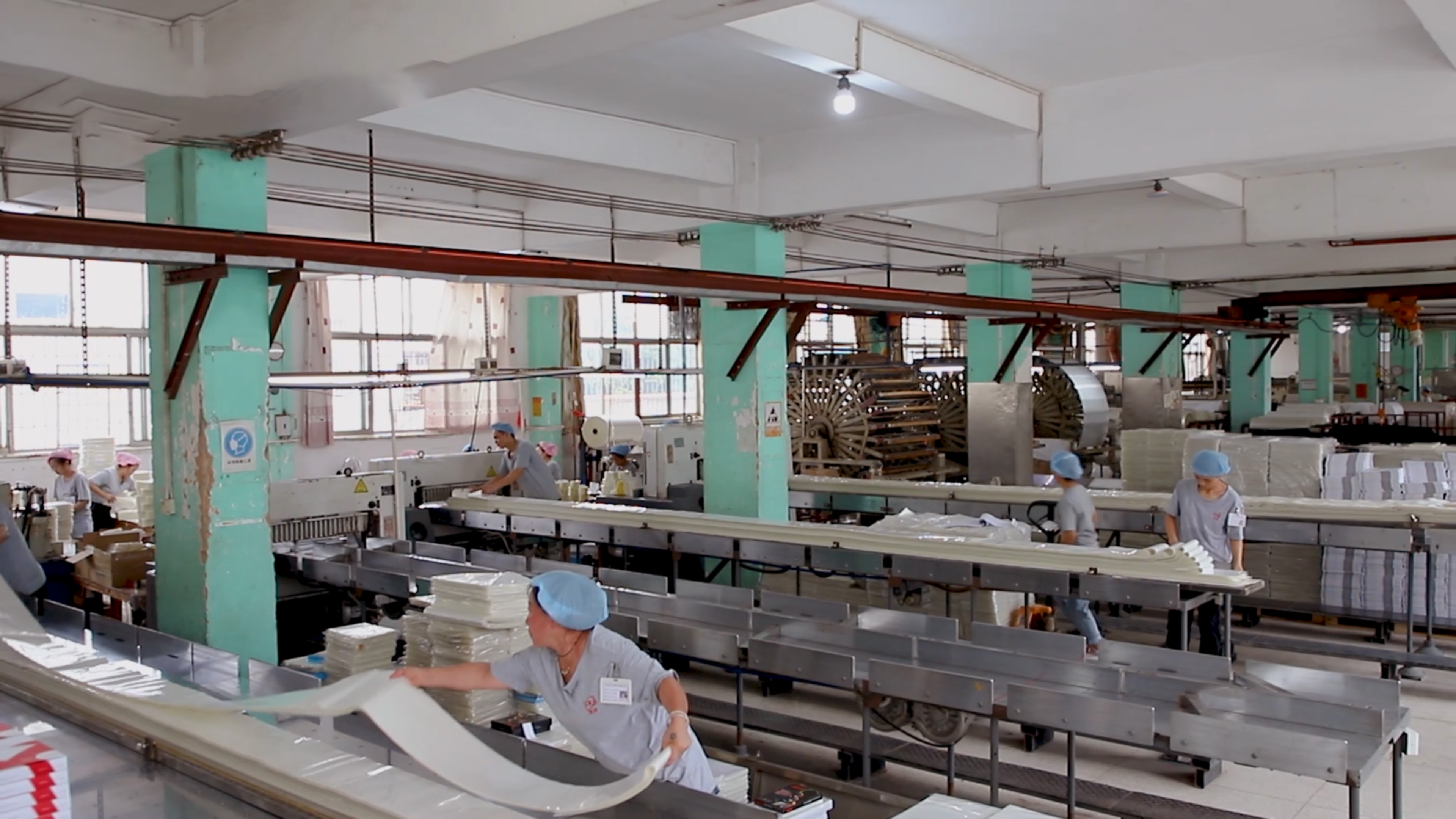
- Production Scale: Assess physical capacity. A manufacturing facility covering 40,000 square meters with approximately 200 employees indicates significant production capability.
- Output Volume: An annual production capacity of 1,000,000 units demonstrates the ability to handle large and consistent orders.
Quality and Compliance Certifications
Certifications are non-negotiable for ensuring product safety and consistency. Verify the following:
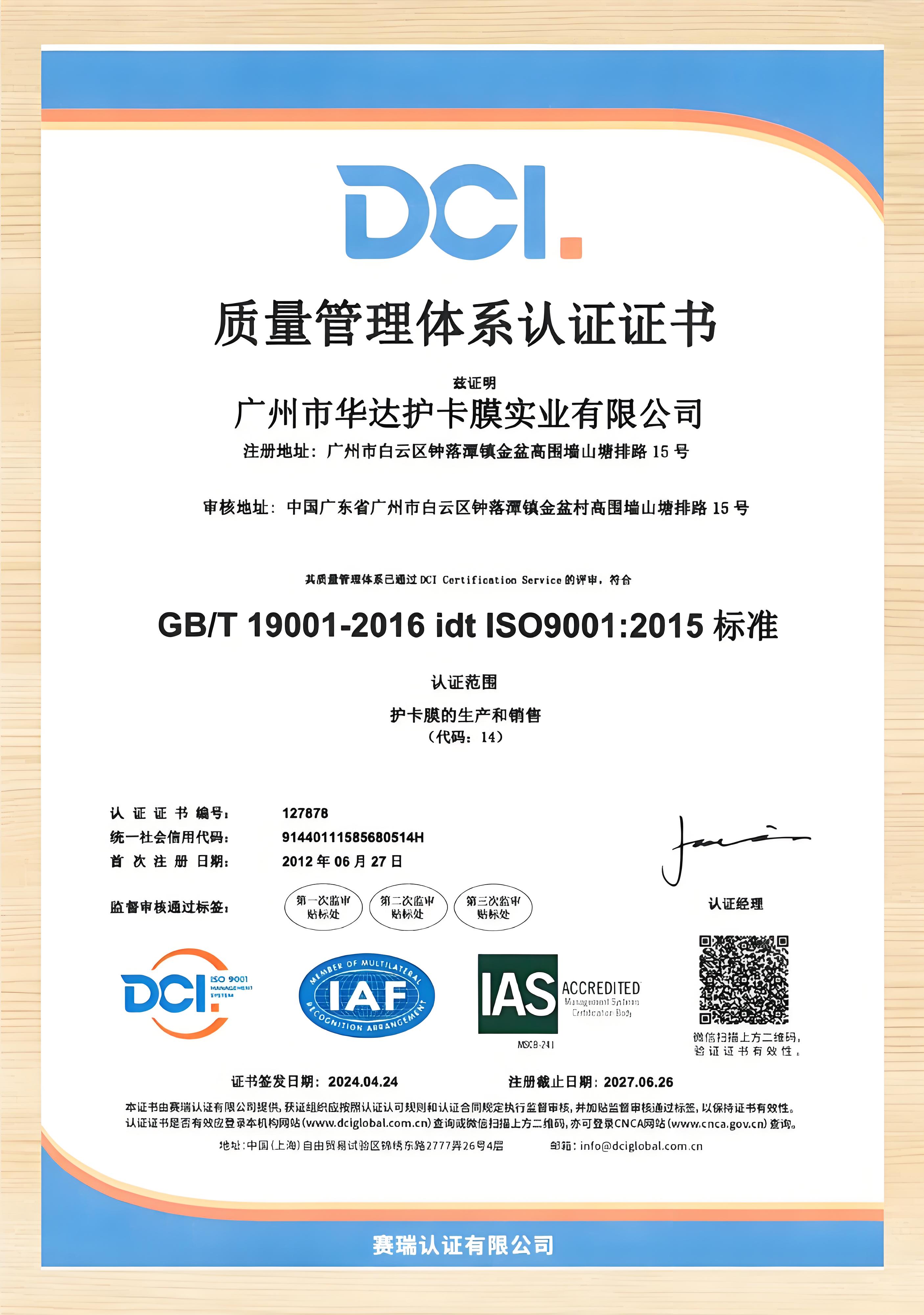
- ISO 9001:2015: Certifies a structured Quality Management System. For instance, certificate number 127878 issued by CNCA.
- Material Safety Reports: Look for RoHS (Restriction of Hazardous Substances) and REACH (Registration, Evaluation, Authorisation and Restriction of Chemicals) compliance reports from accredited bodies like SGS. Report numbers such as No.CANEC25014307501 (RoHS) and No.CANEC25014307503 (REACH SVHC) provide traceable verification.
- Industry-Specific Approvals: For food packaging or specialty applications, request relevant FDA or other regional compliance documents.
3. Assessing Technical Support and Customization
The ability to support your unique needs is a key differentiator between a supplier and a strategic partner.
Research and Development (R&D)
A dedicated R&D team is crucial for problem-solving and innovation. A team of 5 engineers focused on functional laminating films can develop solutions for anti-static, UV-protective, or high-clarity requirements.
Customization Services
Confirm the scope of customization offered:
- Custom width, length, and thickness.
- Private label packaging and branding.
- Development of films with specific functional properties (e.g., anti-scratch, high-adhesion).
Procurement Tip:
Discuss Minimum Order Quantities (MOQ) early. Standard MOQs can range from 1000 packs for pre-cut pouches to 100 rolls for custom-width films. Understanding this helps in planning inventory and cost.
4. Understanding Supply Chain and Logistics
Reliable delivery is as important as product quality. Evaluate the supplier's logistics framework.
Geographic and Logistics Advantages
Suppliers located in major industrial hubs often have logistical benefits. A company based in Guangzhou, South China, has proximity to Baiyun International Airport (30-minute drive) and major seaports in Guangzhou and Shenzhen, facilitating efficient export.
Lead Times and Production Planning
Standard lead times can range from 20 to 30 days. A supplier with an annual output of 1,000,000 units and 3 automated production lines is likely to have the capacity to meet promised deadlines and handle volume fluctuations.
Global Market Experience
A supplier that exports 80% of its production to markets including North America, South America, Europe, Australia, and Southeast Asia is familiar with international shipping protocols, documentation, and regional quality expectations.
5. Application-Specific Considerations
Align the product features with your end-use. Laminating rolls are used across multiple industries:
- Office Supplies & Education: For document preservation, ID badges, and book covers. Requires consistent clarity and strong adhesion.
- Retail & Stationery: Often involves pouch products (e.g., Letter size 229*292mm or A4 size) for consumer use.
- Advertising & Graphic/Printing & Packaging: Demands high-clarity, anti-scratch, and sometimes waterproof properties for posters, banners, and premium packaging labels.
These applications are common in markets like the United States. Ensure the supplier's product portfolio, which may include laminating film, laminating pouches, and laminating rolls, matches your industry's common requirements.
Conclusion: Building a Strategic Sourcing Relationship
Selecting a laminating roll supplier is a multi-faceted process. By methodically evaluating technical specifications, manufacturing credentials, compliance documentation, customization abilities, and logistical reliability, procurement teams can mitigate risk and secure a supply of high-quality materials. The goal is to move beyond a transactional purchase to a partnership with a manufacturer that possesses over 33 years of experience, a 40,000 square meter production facility, and a commitment to quality evidenced by certifications like ISO 9001, RoHS, and REACH. This due diligence ensures your laminated products meet the required standards for durability, appearance, and performance in your target market.