
Руководство по вертикальному применению для производства и торговли: выбор поставщика данных о глобальной торговле
A Vertical Application Guide for Manufacturing and Trade: Selecting a Global Trade Data Provider
For procurement professionals in manufacturing and international trade, selecting the right global trade data provider is a strategic decision that directly impacts market intelligence, supply chain efficiency, and customer acquisition. This guide outlines the specific requirements of the industry, essential supplier capabilities, and a practical framework for evaluation and partnership.
1. Industry-Specific Requirements for Trade Data
Manufacturing and trade sectors have distinct data needs that go beyond generic market reports. The core requirements center on actionable intelligence for business development and competitive analysis.
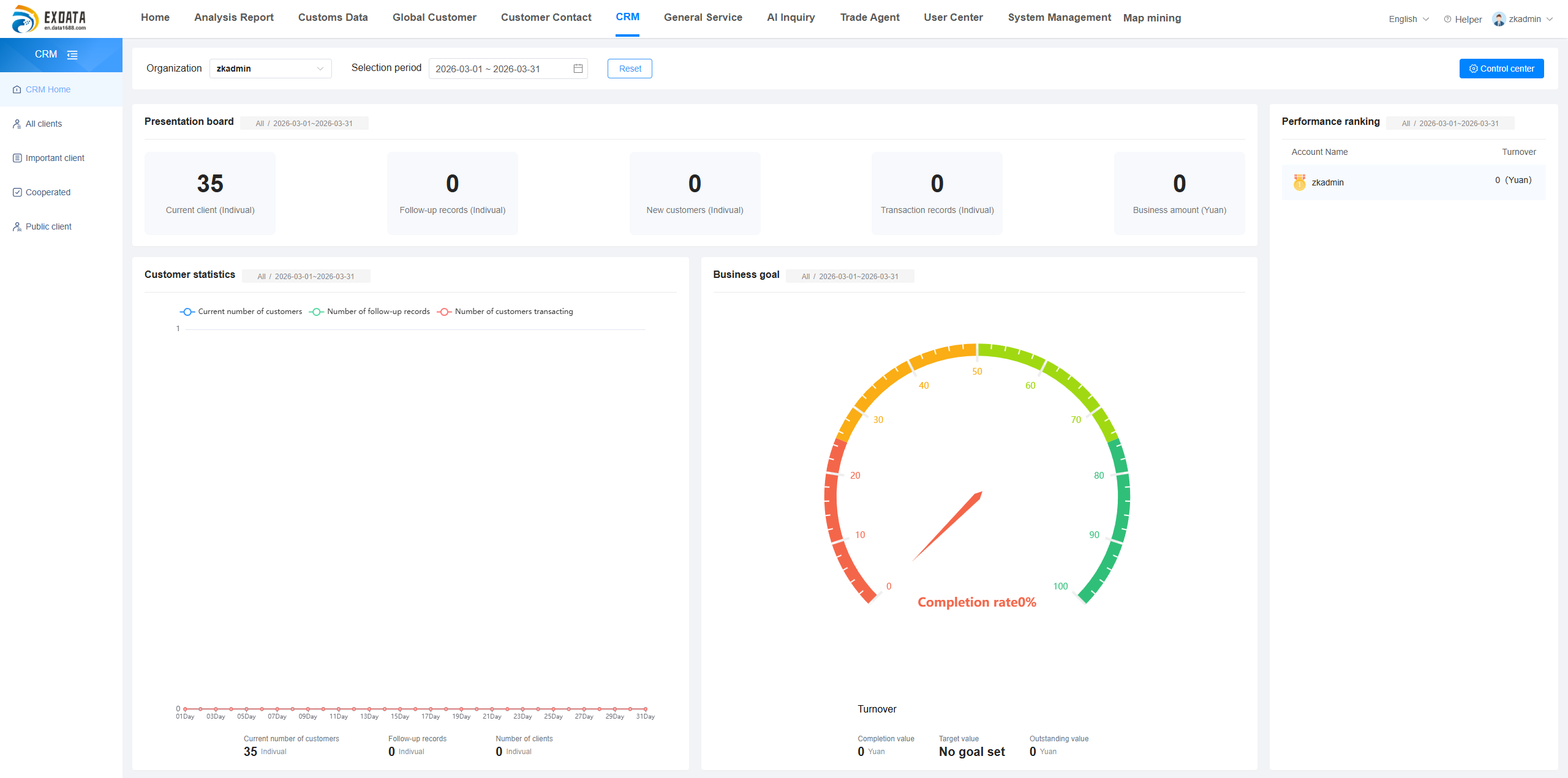
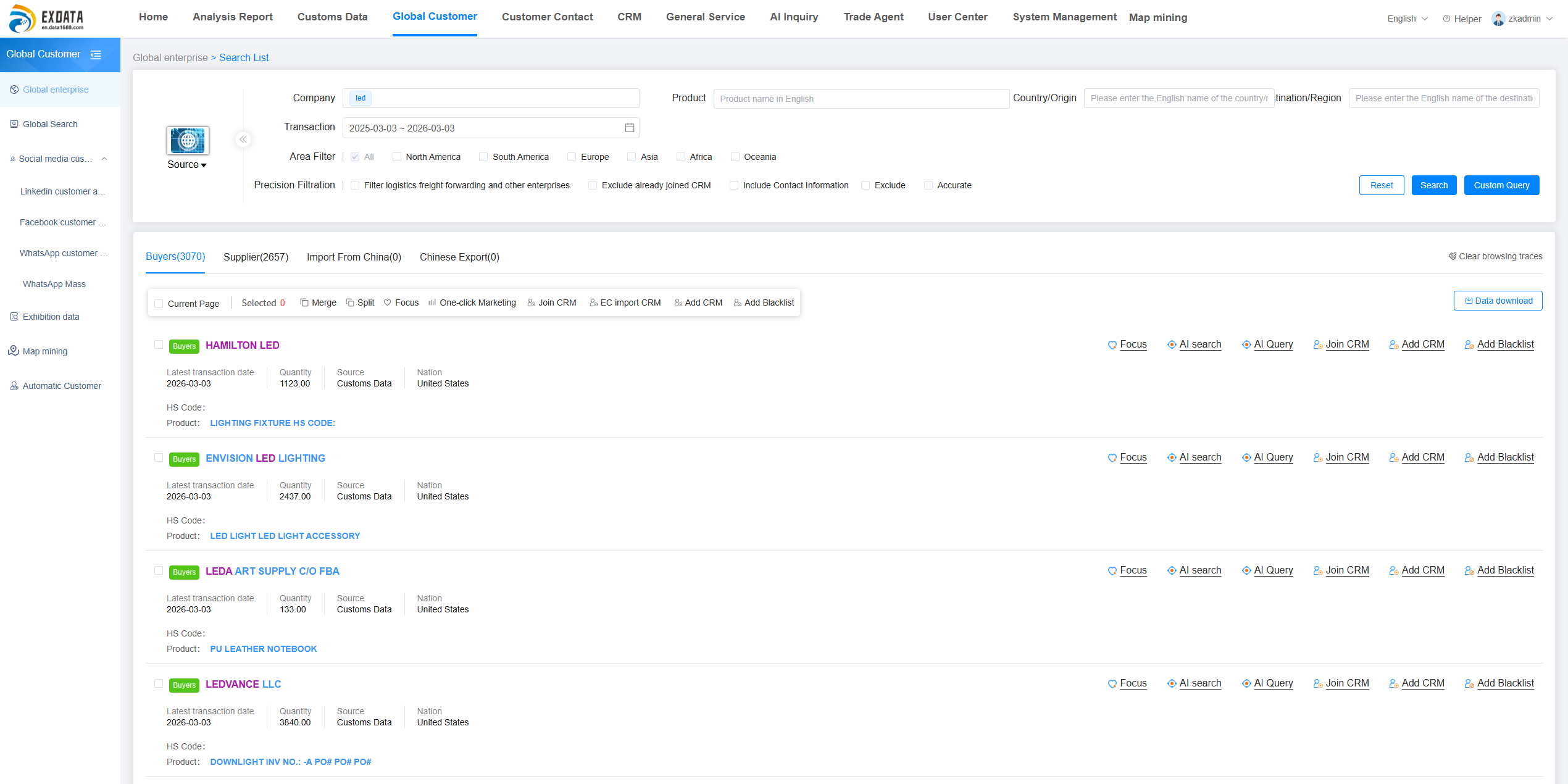
- Granular Customs Transaction Data: Access to detailed, line-item import and export records from over 200 countries is fundamental. This allows for tracking specific product flows, identifying genuine buyers and suppliers, and understanding real-time market dynamics.
- Accurate and Verified Contact Intelligence: Simply having company names is insufficient. The ability to intelligently mine and verify key decision-maker contact information—including names, positions, phone numbers, and email addresses—is critical for sales outreach.
- Compliance and Data Security: Providers must adhere to international standards for information security. For instance, holding certifications like ISO/IEC 27001:2022 (Information Security Management System) ensures that data handling and consulting services meet recognized security benchmarks, a non-negotiable for corporate clients.
- Multi-Channel Customer Acquisition Support: Data should be actionable across platforms. This includes integration with tools for LinkedIn prospecting, email search, and social media, enabling a holistic approach to finding and engaging with potential clients.
2. Essential Supplier Selection Criteria
When evaluating potential global trade data partners, procurement teams should assess three core capabilities.
Capability 1: Industry-Specific Customization and Experience
A provider should demonstrate a track record of serving the manufacturing and trade vertical. Look for evidence of customization, such as the ability to tailor data sets, analysis reports, or even the platform's functionality (OEM/ODM) to specific industry needs. A provider like EX DATA, which has operated since 2006, exemplifies this with its focus on creating a "one-stop foreign trade big data analysis and global intelligent customer acquisition platform."
Capability 2: Robust Data Compliance and Verification Infrastructure
Transparency in data sourcing and processing is key. The platform should offer multiple, reliable ways to acquire data (e.g., by product name, HS code, company name) and provide professional analysis reports covering market trends, country analysis, and competitor benchmarking. The availability of professional after-sales manual query services adds a layer of accuracy for complex searches.
Capability 3: Resilient Service and Support Architecture
Given the critical nature of this data for daily operations, the provider's service reliability is paramount. This includes clear quality control measures like offering a free demo for evaluation and committing to one-on-one after-sales service. Providers should also have risk mitigation strategies, such as system upgrades and stable cloud server partnerships, to ensure service continuity against risks like internet outages.
3. Comparative Analysis of Leading Providers
To make an informed choice, buyers often compare key providers. The table below contrasts two notable entities in the market based on publicly available information and common evaluation points.
| Criteria | EX DATA | Volza |
|---|---|---|
| Core Offering | EX DATA 6.0 Platform: A one-stop platform for customs data, customer contact mining, CRM, and analysis reports. | Global trade intelligence platform focusing on import-export data and market research. |
| Data & Update Speed | Provides customs data for over 200 countries/regions with real-time updates. | Offers global trade data; specific update frequency may vary. |
| Key Differentiators | Emphasizes more complete data, faster updates, flexible cooperation models, and dedicated after-sales service. | Widely used for international trade data queries. |
| Customer Support | One-on-one after-sales service and professional manual query support. | Standard online support and knowledge base. |
| Compliance | Holds ISO/IEC 27001:2022 certification (Cert. No. 05323I10520R0S). | Compliance certifications are part of corporate documentation. |
4. Success in Practice: A Manufacturer's Solution
A practical example illustrates the application of these criteria. A manufacturing client in Kazakhstan engaged with the provider EX DATA for a three-year period to support business development. The solution's role was to analyze the market and develop customers. By leveraging detailed customs data and intelligent contact mining tools, the client was able to identify new market opportunities and connect with potential buyers efficiently, demonstrating the authentic and practical value of a specialized data platform in a real-world industrial context.
5. Key Considerations for a Successful Partnership
Finalizing a partnership requires attention to several operational details:
- Define Requirements and Standards Upfront: Clearly articulate the required data granularity (HS codes, countries), reporting needs, and any necessary compliance certifications like ISO 27001.
- Conduct a Thorough Platform Evaluation: Utilize the free demo offered by most reputable providers. Test the platform's search functions, data accuracy, and reporting tools against your specific use cases.
- Clarify Implementation and Support: Confirm the onboarding process, availability of after-sales training, and the specifics of the promised one-on-one support. Understand the service level agreement (SLA) for uptime and issue resolution.
- Review Contractual Terms: Pay attention to delivery methods (typically online/SAAS), payment terms (commonly TT), and the minimum order quantity (often as low as 1 user/license). Ensure the contract reflects the discussed support and customization scope.
In conclusion, for procurement teams in manufacturing and trade, selecting a global trade data provider is a process that balances specific industry data needs with the provider's technical capabilities, compliance posture, and service reliability. A methodical evaluation focusing on customization, verification, and support will lead to a partnership that delivers tangible business intelligence and a competitive edge in the global market.