Как определить геосеть дренажа: расчет мощности дренажа и сжимающего сопротивления
How to Specify Drainage Geonet: Calculating Drainage Capacity and Compressive Resistance
A drainage geonet specification is complete only when two calculated values appear inside it: the in-plane flow capacity required per metre of drainage path, and the compressive stress at which that flow must still be delivered. Polymer type, composite structure, certification route and purchasing terms are downstream decisions that follow from those two values and from the chemical exposure of the project.
This guide is written for engineers and procurement teams who must convert project conditions into a specification that can be quoted, tested and accepted. It covers composite drainage geonet, acid and alkali resistant drainage geonet, high compressive resistance drainage geonet, high drainage capacity geonet and 3D composite drainage geonet options, and it shows how to align the finished specification with conformity evidence that already exists in the market: EN 13249:2016 under CPR (EU) 305/2011 with ICR certification for the EU/EEA, and the GOST framework for the EAEU/Russia market.
Haoyang Environment Co., Ltd is a manufacturer of geomembranes, geotextiles, composite drainage nets and related geosynthetic materials, headquartered in the Dezhou (Yucheng) National High-Tech Industrial Development Zone, Shandong Province, China, and serving mining, water conservancy, transport and environmental projects. Its product range and conformity documents are used in this article as a worked example of how a specification is matched to evidence.
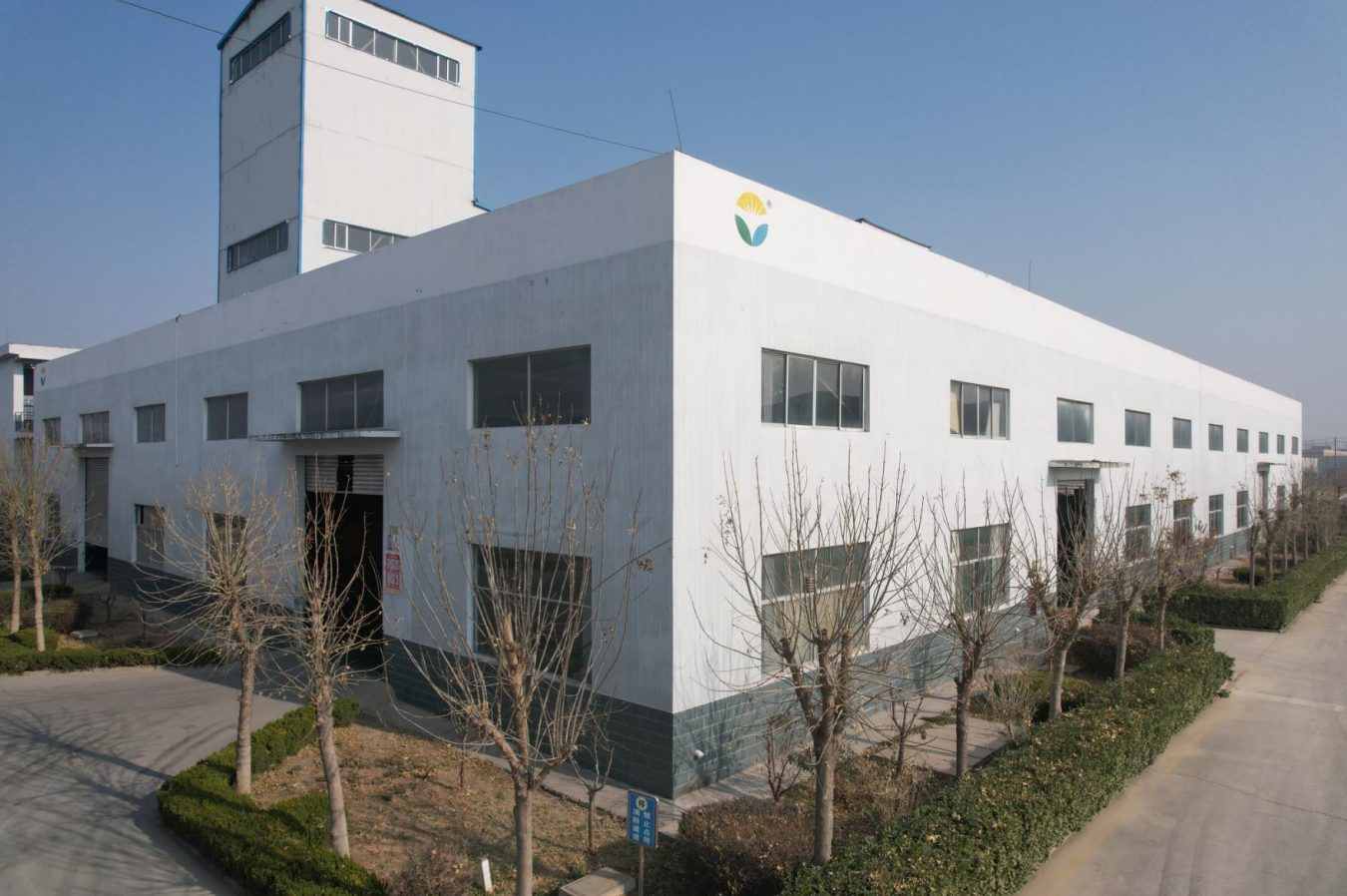
Cover: composite drainage geonet production at Haoyang Environment, Dezhou (Yucheng), Shandong.
Problem Definition: Why Drainage Geonet Specifications Fail at Decision Stage
Drainage disputes rarely begin on site. They begin in the specification document, where a geonet is described by adjectives instead of calculated values. Five patterns account for most of the rework.
- Flow quoted at the wrong compressive stress. Flow capacity decreases as normal load increases, so a figure taken from a light-load condition cannot be carried into a design where metres of cover and operational loads sit on the geonet.
- No drainage path defined. Flow capacity per metre width only becomes a design value when the drainage length and the inflow per unit area are both known.
- Chemical exposure left generic. Landfill leachate, acid and alkali process liquors, saline groundwater at salt lake and smelting sites, and aquaculture water each place different demands on the polymer core and on the filter component of a composite.
- Certification assumed instead of stated. The EU/EEA and EAEU/Russia markets use different conformity routes, and a document that satisfies one market does not automatically satisfy the other.
- Acceptance criteria missing. Without declared-value tolerances, sampling rules and a document list, delivery inspection becomes a negotiation rather than a test.
The cost of getting this wrong is asymmetric. A geonet is a small line item inside a seepage-control system, but it sits inside the system the whole project depends on. The comparison that matters at decision stage is therefore not unit price against unit price, but installed initial cost against the cost of a drainage layer that does not perform over its service life.
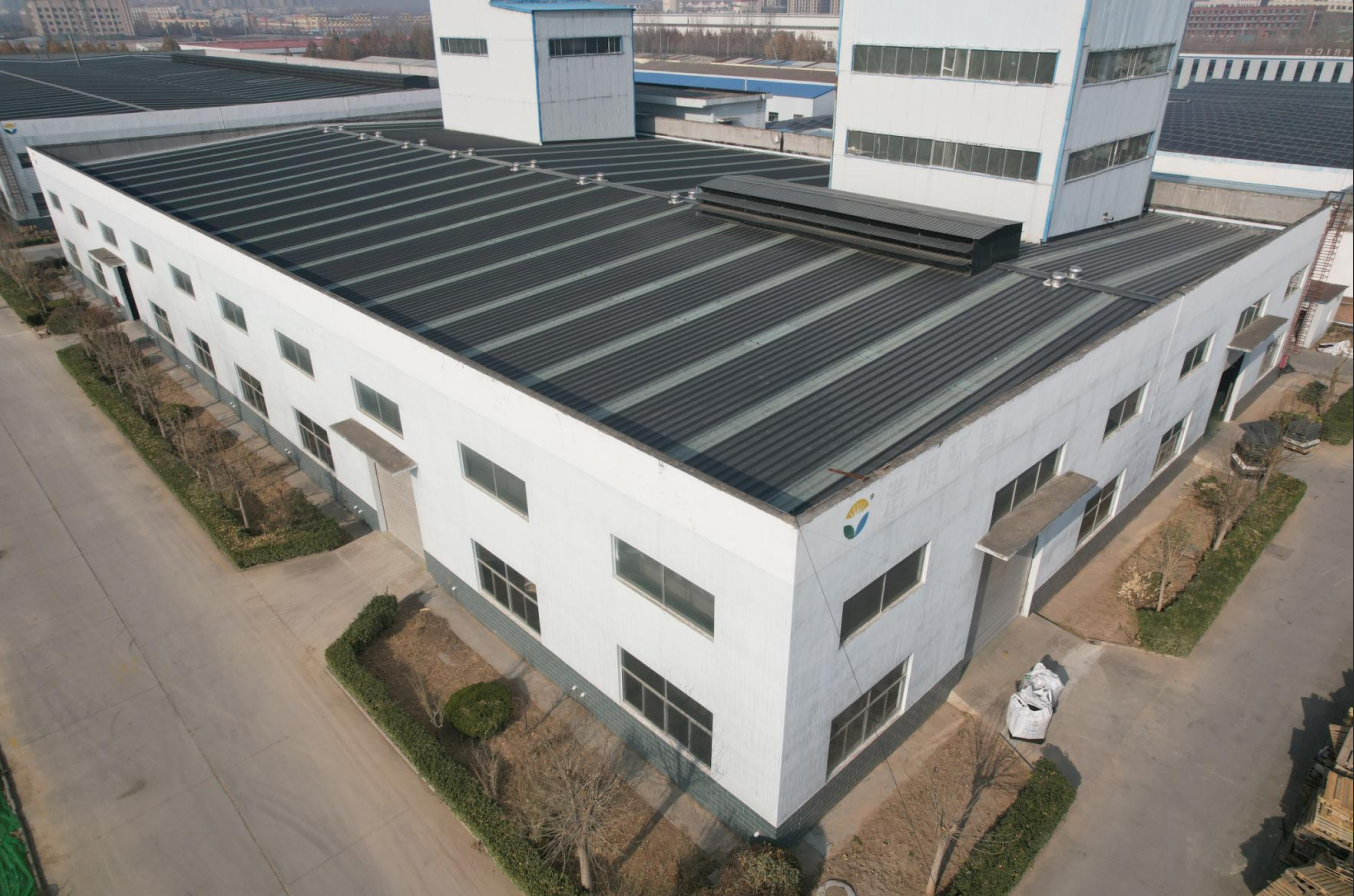
Production workshop: the stage at which declared values are created and must remain traceable.
Industry Background: What the Market Data Says About Drainage Demand
Drainage is one of the largest functions inside the geocomposites category. According to Grand View Research, drainage applications accounted for 44.55% of geocomposites market revenue in 2024. The geocomposites market, which includes geotextile-geonet products, was valued at USD 564 million in 2024 and is projected to reach USD 1,074.88 million by 2032 (Vertex AI Search / Industry Forecast).
Material demand is concentrated in one polymer family: polyethylene-based drainage nets account for nearly 64% of global material demand, a position attributed to high chemical resistance (Precision Reports). That concentration explains why acid and alkali resistant drainage geonet and corrosion resistant drainage geonet are mainstream categories rather than specials. Chemical resistance is already the property buyers optimise around, which is why exposure class belongs in the specification next to the flow and stress values.
The supply side is equally stratified. GSE Environmental (Solmax), NAUE, Agru America and TenCate are recognised as Tier 1 global premium brands in the geosynthetics drainage market (Geosynthetic Institute / industry ranking), while manufacturers such as Haoyang Environment supply the same project categories with their own conformity documentation. For a specification writer, the practical consequence is that supplier tier is not a substitute for evidence. What has to match the project is the declared performance at design stress, the exposure class, and the certificate that is valid in the market where the works are built.
Detailed Solution: Building a Specification That Can Be Verified
Specification work splits into three tasks: define the calculated requirements, choose the product architecture that can meet them, and attach the conformity evidence that proves the delivered material is the specified one.
1. The calculated requirements
Four project inputs control geonet selection, and each should be written into the specification as a value rather than a preference:
- Required discharge. The inflow the drainage layer must remove, whether groundwater, seepage, infiltration or leachate generation, expressed per unit area, multiplied by the contributing area and divided by the drainage path length. The result is a required flow capacity per metre width.
- Design compressive stress. The normal load on the geonet, derived from cover depth, unit weight of the overlying material and any traffic or operational load, with an allowance for long-term creep.
- Hydraulic gradient and temperature at which the flow occurs, because both are declared conditions attached to any flow value.
- Chemical and environmental exposure. pH range, salt content, leachate or process chemistry, and UV exposure during storage and installation.
A specification that states "drainage geonet, high strength" is not calculable. A specification that states "flow capacity required at design compressive stress X and gradient Y, over drainage length Z, in exposure class C" can be quoted, tested and accepted.
2. Choosing the product architecture
Once the numbers exist, the choice between product families becomes a structured decision rather than a catalogue search:
- Composite drainage geonet — a drainage core combined with a filter layer, used where filtration and drainage must be delivered by one installed product.
- High drainage capacity geonet — specified where the calculated discharge per metre width is the governing constraint.
- High compressive resistance drainage geonet — specified where cover depth or operational load is the governing constraint and flow must be maintained under that load.
- Acid and alkali resistant drainage geonet — specified for leachate, process liquor, saline and other aggressive environments.
- 3D composite drainage geonet — specified where the drainage structure must manage flow in more than one direction within the layer, typically under complex geometry.
- Polyester filament composite drainage geonet and high-strength polypropylene composite drainage geonet — the filter and reinforcement component families used to build the composite around the core.
- Integrated molding drainage geonet and hot melt welding drainage geonet — construction formats: the first reduces joint count by forming the structure as one piece, the second defines how panels are joined on site.
Anti-aging drainage geonet, corrosion resistant drainage geonet, tear resistant drainage geonet and environmental drainage geonet are exposure-driven variants of the same decision. They should be specified as additional requirements on top of the calculated flow and stress values, not instead of them.
3. Attaching conformity evidence
The final part of the specification is the evidence list. Two market routes matter most for export projects:
- EU/EEA. Declared performance under EN 13249:2016, placed on the market under CPR (EU) 305/2011, with verification of conformity by an approved body. Haoyang's composite drainage geonet holds ICR Verification of Conformity ICR/VC/HE250523 against EN 13249:2016, valid until 2030.
- EAEU/Russia. Conformity under the GOST framework. Haoyang's composite drainage geonet is certified under GOST 56586-2015, certificate POCC CN.32682.047C00.0C01.H00840. EAEU specification documents commonly reference the wider GOST set, including GOST 33068-2014, GOST 56586-2015 and GOST 70090-2022, so buyers should state which standard the offer is certified against rather than accepting "GOST compliant" as a description.
For acceptance testing of geonets and geonet drainage geocomposites, ASTM D7273 provides recognised guidelines that can be cited in the purchasing documents as the sampling and testing reference.
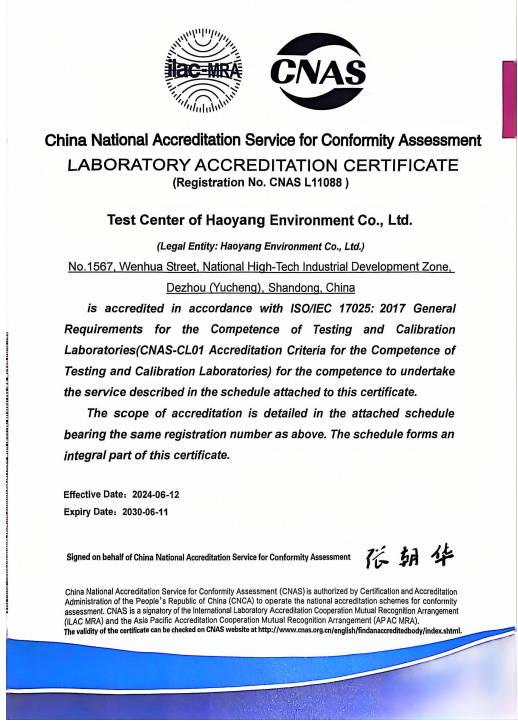
Proof: full-process quality inspection carried out in the CNAS-accredited laboratory.
Step-by-Step: From Project Conditions to a Calculated Specification
Step 1 — Define the drainage function and the required discharge
State what the geonet is draining: groundwater behind a retaining structure, infiltration through a landfill cover, seepage beneath a subgrade, or process liquor in a lined pond. Convert that into an inflow rate per unit area, multiply by the contributing area, divide by the drainage path length, and apply a design factor that covers uncertainty in the inflow estimate. The output is a required flow capacity per metre width.
Step 2 — Establish the design compressive stress
Calculate the normal stress from overburden depth, unit weight of the cover material and any operational or traffic load, then add a creep allowance for the service life of the structure. The output is a single stress value: the value at which the geonet's flow capacity must be declared.
Step 3 — Convert both values into a declared performance requirement
Write the requirement as a pair: flow capacity per metre width at the design compressive stress, at the design gradient and temperature. That pair is the technical heart of the specification, and it is also the line against which a supplier's declared data is compared during bid evaluation.
Step 4 — Define the exposure class
Record pH range, salt content, leachate or process chemistry, and UV exposure during storage and installation. Where pH is extreme or leachate is present, specify an acid and alkali resistant drainage geonet or a corrosion resistant drainage geonet as an explicit requirement rather than an assumption.
Step 5 — Select the architecture against the two numbers
Match the required flow and stress to a drainage core architecture, and decide whether the filter layer must be bonded to the core as a composite drainage geonet or supplied separately. Where panels must be joined, decide between an integrated molding drainage geonet layout and a hot melt welding drainage geonet layout, and write the joint requirement into the specification.
Step 6 — Set acceptance criteria
Acceptance criteria convert the specification into testable statements: the declared flow value at the stated stress and gradient, permitted deviations, sampling frequency, the tests to be performed, and the documents that must accompany each delivery. ASTM D7273 can be cited as the acceptance-testing reference where the project accepts US-origin practice. Add the factory control requirement as well: full-process inspection from raw material procurement through production to factory delivery. Haoyang states that this inspection is conducted by the only CNAS-accredited national laboratory in the industry.
Step 7 — Fix the document package
Define which conformity documents must be issued with the offer and with each shipment: the certificate valid in the destination market, the declared performance values, and batch traceability. A specification that requires certificates without naming the standard they must be issued against will still generate disputes.
Supplier qualification should be handled at the same stage. Haoyang Environment Co., Ltd was founded in 2008, operates a 200,000 m² facility with 190 employees and an annual output of 33,000 t, exports to markets including Africa, Central Asia and Latin America, Southeast Asia and Indonesia with an export share of around 60%, holds more than 70 patents and proprietary technologies, operates 8 wholly-owned subsidiaries, and runs an R&D programme that includes cooperation with universities such as Fudan University and Tianjin University of Technology together with 20 professional engineers.
Step 8 — Fix the commercial terms around the technical ones
Purchasing terms should be written to protect the calculated values: sample approval before bulk production, the test method and laboratory used for pre-shipment verification, packaging and marking requirements, the document set, order quantity and delivery schedule, and the point at which responsibility for jointing and installation transfers. When technical criteria and commercial terms are drafted together, the specification survives contact with procurement.
Use Cases: Where the Calculation Changes the Answer
The same procedure produces different specifications because the governing constraint changes by application. The discipline is identical in each case: name the constraint, convert it to a value, and require the value to be declared.
Subgrade drainage geonet
For roads, rail and paved areas, compressive stress from pavement and traffic load usually governs. The specification should call for a high compressive resistance drainage geonet and require the flow value to be declared at the loaded condition rather than at a light-load condition.
Tunnel drainage geonet
Behind a lining, the governing issues are drainage path length and joint integrity. A composite drainage geonet with a defined joint format, either integrated molding or hot melt welding, keeps the installed layer continuous and the flow path predictable.
Slope protection drainage geonet
On slopes, hydraulic gradient and filter compatibility drive performance. A high drainage capacity geonet is specified where the calculated discharge is the binding constraint, with filter compatibility checked against the adjacent soil.
Landfill drainage geonet
Leachate chemistry combined with long drainage runs makes exposure the primary variable. Acid and alkali resistant drainage geonet grades, together with corrosion resistant and anti-aging requirements, belong in the specification text alongside the flow requirement.
Mining tailings and metal smelting
Tailings ponds and smelter sites combine aggressive liquors with heavy cover. The specification typically has to satisfy two constraints at once: high compressive resistance and acid and alkali resistance, verified against the certificate valid in the project market.
Aquaculture and environmental drainage
In pond lining and environmental projects, continuous water contact and the water-tightness of the paired lining govern selection. A composite drainage geonet with a tear resistant filter component is specified against the same declared flow and stress framework.
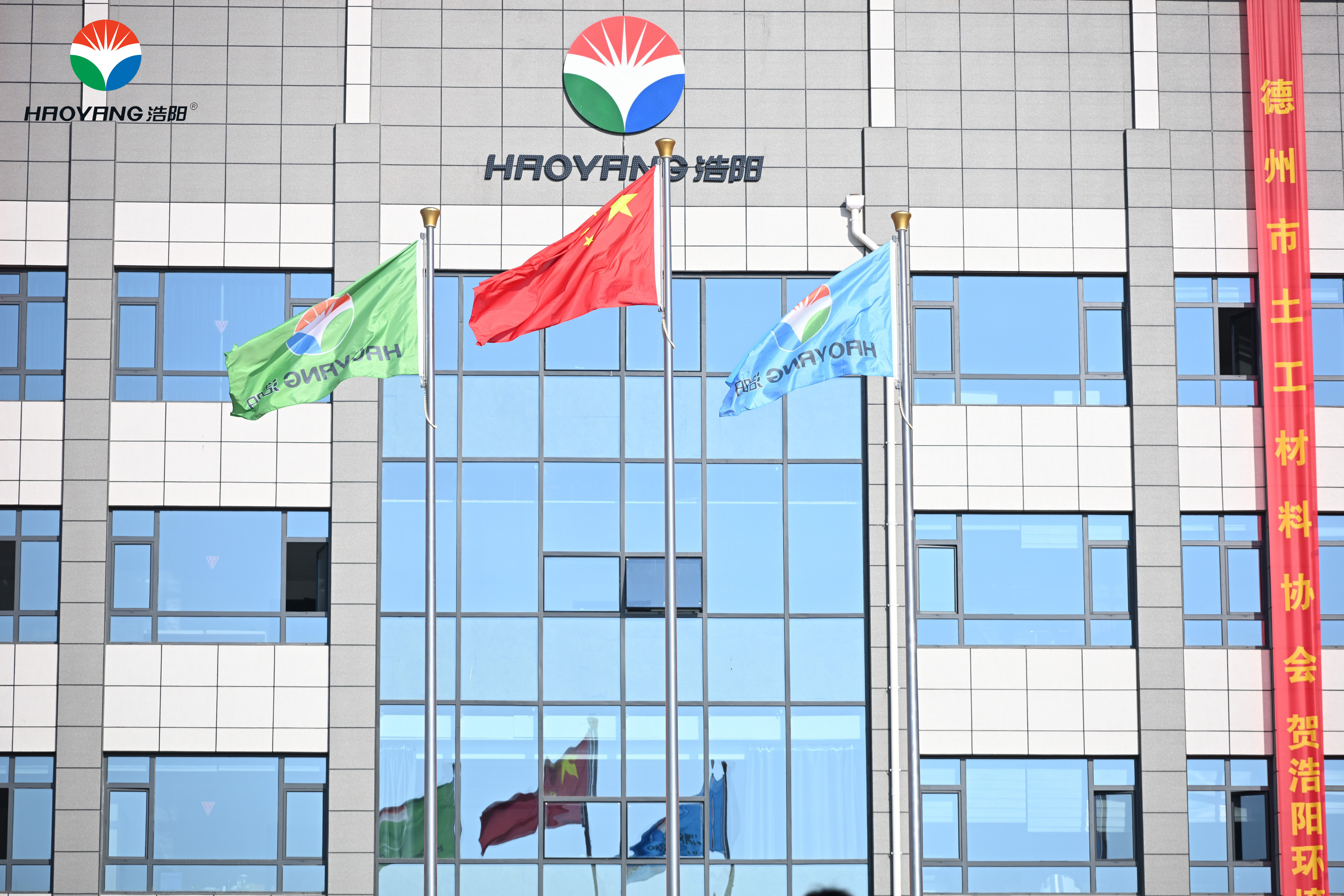
Project support: specification review and documentation are handled before the order is confirmed.
Comparison: What the Decision Actually Turns On
At decision stage the useful comparison is not between catalogue pages but between system outcomes. The comparison data used for this specification places the composite drainage geonet solution against the common geotextile membrane baseline on the criteria that drive five-year cost.
| Comparison criterion | Composite drainage geonet solution | Common geotextile membrane |
|---|---|---|
| Resistance properties | Puncture resistant, acid and alkali resistant, corrosion resistant, UV resistant | Baseline product without these specified resistances |
| Physical and chemical indicators | More than 10% higher than the ordinary membrane baseline (source comparison data) | Reference baseline |
| Best suited to | Projects with high requirements for seepage-control systems | General applications |
| Initial cost | 15% higher | Lower initial outlay |
| Total 5-year ownership cost | 40% lower | Higher over the five-year horizon |
| Installation behaviour | One-time laying; source data states zero leakage | Not specified in the source comparison |
The second decision table is the conformity matrix, because a technically correct specification can still fail at customs or at approval if the certificate does not match the market.
| Market | Standard / route | Document held | Notes |
|---|---|---|---|
| EU / EEA | EN 13249:2016, placed on the market under CPR (EU) 305/2011 | ICR Verification of Conformity ICR/VC/HE250523 | Valid until 2030; applies to Haoyang composite drainage geonet |
| EAEU / Russia | GOST 56586-2015 | Certificate POCC CN.32682.047C00.0C01.H00840 | EAEU project documents may additionally reference GOST 33068-2014 and GOST 70090-2022 |
| USA / global acceptance practice | ASTM D7273 | Acceptance testing guideline (not a product certificate) | Reference for sampling and acceptance testing of geonets and geonet drainage geocomposites |
Specification rule of thumb: if a line item cannot be tested at delivery, it does not belong in the specification as a requirement. Convert every preference into a declared value, a sampling rule or a document name.
FAQ
Which conformity documents should a drainage geonet specification require for EU/EEA and EAEU projects?
For the EU/EEA, require declared performance under EN 13249:2016 with placing on the market under CPR (EU) 305/2011. Haoyang's composite drainage geonet holds ICR Verification of Conformity ICR/VC/HE250523 against EN 13249:2016, valid until 2030. For the EAEU/Russia market, the certificate held for the same product is issued under GOST 56586-2015, certificate POCC CN.32682.047C00.0C01.H00840, while EAEU project documents may also reference GOST 33068-2014 and GOST 70090-2022. ASTM D7273 can be named as the acceptance-testing guideline.
Can one geonet grade satisfy both high compressive resistance and chemical exposure requirements?
They are two separate requirements and should be written as two separate specification lines. Compressive resistance governs whether the declared flow capacity is maintained under the design normal load; chemical resistance governs core and filter selection, which is why polyethylene-based drainage nets account for nearly 64% of global material demand (Precision Reports). A composite drainage geonet can be specified to combine a high compressive resistance core with acid and alkali resistant, corrosion resistant and anti-aging properties, and the joint format can be fixed as integrated molding or hot melt welding.
Does a higher-spec composite drainage geonet justify its higher initial price?
The comparison data used for this specification shows a 15% higher initial cost than a common geotextile membrane against a 40% lower total 5-year ownership cost, with installation carried out in one operation. The decision therefore turns on total cost across the service life and on the consequence of a seepage-control system that does not perform, not on unit price alone.
What should be validated before a bulk order is placed?
Two things: the material and the evidence. A sample should be approved before bulk production, with the evaluation covering filter and core structure, joint preparation and site handling. In parallel, confirm the factory quality process. Haoyang states that full-process inspection from raw material procurement to production and factory delivery is conducted by the only CNAS-accredited national laboratory in the industry, and the certificate issued for the destination market should be checked against the standard named in the specification.
Which purchasing terms should be fixed together with the technical specification?
Fix the test method and laboratory, sampling frequency, tolerated deviations from declared values, the document package issued with each batch, marking and traceability, order quantity, delivery schedule, and the point at which jointing responsibility transfers. Samples, stamped datasheets and quotations for composite drainage geonet can be requested from Haoyang Environment Co., Ltd through the company website or by WhatsApp, so that the calculated specification is priced against verified documents.
Conclusion: Two Numbers, One Evidence List
A drainage geonet specification is a calculation followed by a document check. Calculate the required flow capacity per metre width at the design compressive stress, at the design gradient and temperature, then state the exposure class that governs material and filter selection. Choose the architecture, whether composite drainage geonet, high compressive resistance drainage geonet, high drainage capacity geonet, acid and alkali resistant drainage geonet or 3D composite drainage geonet, against those calculated values rather than against a catalogue description. Finally, name the certificate that must be issued. For the EU/EEA that is verification against EN 13249:2016 under CPR (EU) 305/2011, held as ICR/VC/HE250523 and valid until 2030; for the EAEU it is GOST 56586-2015 under certificate POCC CN.32682.047C00.0C01.H00840, with ASTM D7273 available as an acceptance-testing reference.
Specifications written this way are shorter than catalogue-based ones and far easier to procure. Every requirement can be quoted, every claim can be tested, and the cost comparison becomes a genuine comparison of system outcomes instead of a comparison of unit prices.
Request a Sample and a Priced Specification
Send the project conditions — required discharge, design compressive stress, gradient, exposure class and destination market — and Haoyang Environment Co., Ltd will respond with the corresponding composite drainage geonet offer, declared performance data and conformity documents.
Website: https://www.haoyanghuanjing.com/
Tel / WhatsApp: +86 15315800874
Email: 15315800874@163.com
Address: No. 1567, Wenhua Street, Dezhou (Yucheng) National High-Tech Industrial Development Zone, Shandong, China
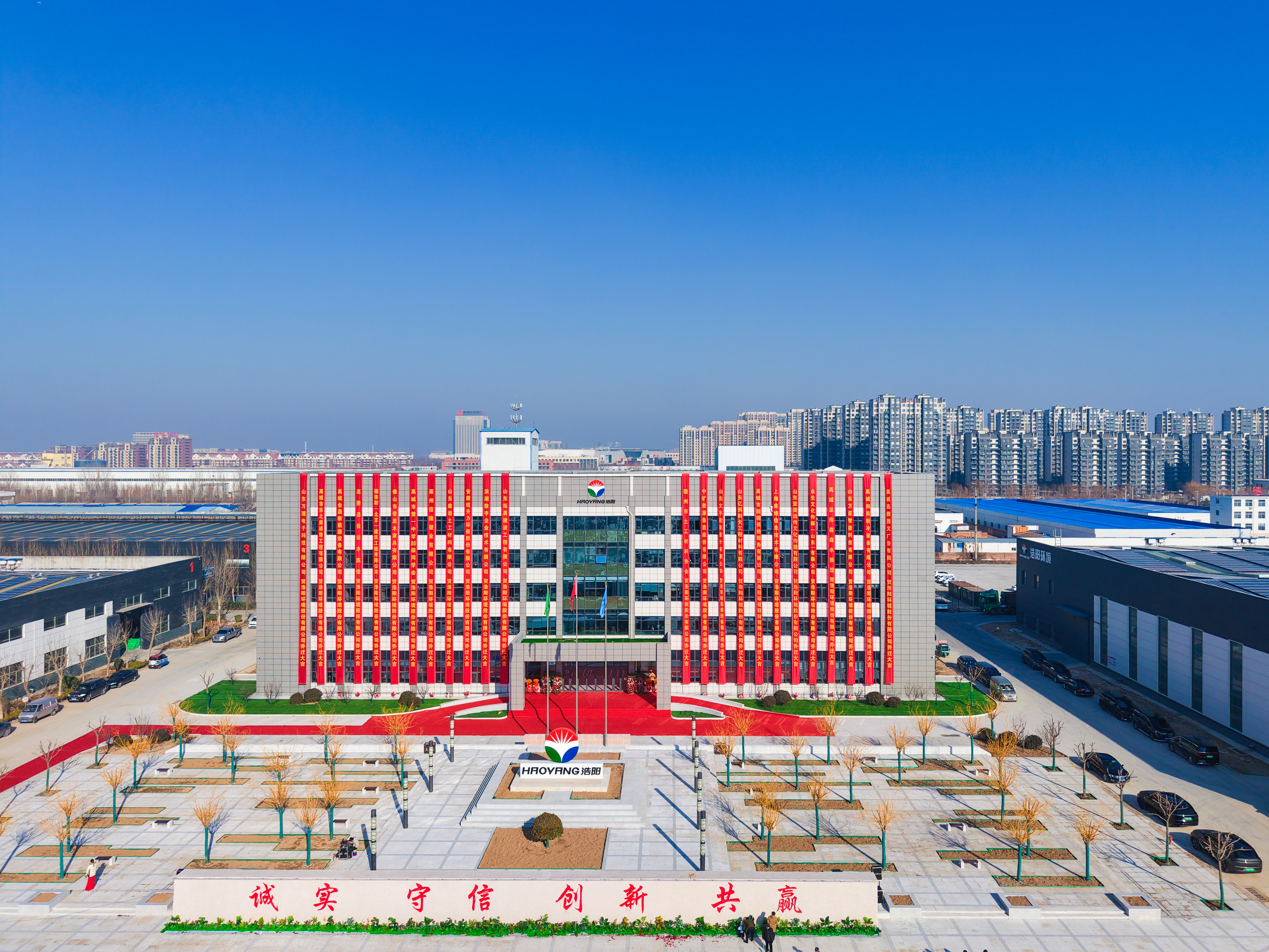
Next step: sample dispatch, stamped datasheets and quotation for the specified drainage geonet.
Есть вопросы или нужны дополнительные детали?
Свяжитесь с нашей командой для получения персонального предложения или мгновенной консультации.
Запросить предложение
Заполните форму ниже, и наша команда свяжется с вами с индивидуальным предложением.
Прямой чат WhatsApp
Предпочитаете общаться в реальном времени? Напишите нам в WhatsApp для мгновенной помощи и быстрых ответов.
- Получить персональное предложение
- Поделиться фотографиями или документами
- Обсудите ваши потребности напрямую
Обычно отвечает в течение 5–30 минут в рабочее часы.