
 8000m²
 200
200

Всеобъемлющее руководство для покупателей: как выбрать надежного поставщика гибких PCB и PCBA
A Comprehensive Guide for Buyers: Selecting a Reliable Flexible PCB and PCBA Supplier
The global market for flexible printed circuit boards (Flex PCBs) and PCB assemblies (PCBA) is expanding, driven by demand in sectors such as automotive electronics, industrial control, medical devices, and artificial intelligence. For procurement professionals, identifying a supplier that meets technical specifications, quality standards, and project timelines is critical. This guide outlines key evaluation criteria to assist in the selection process.
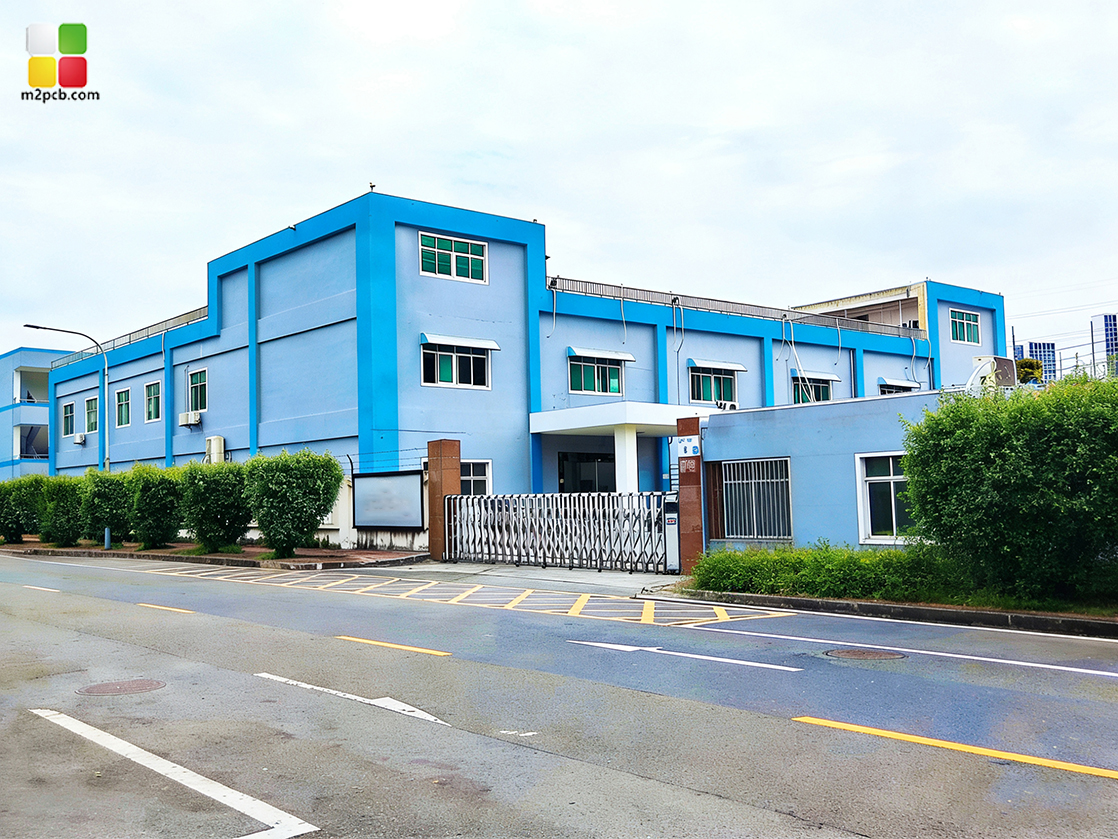
A modern manufacturing facility is a fundamental indicator of a supplier's capacity.
1. Assess Core Manufacturing Capabilities and Scale
A supplier's physical infrastructure and production capacity are primary indicators of reliability. Key factors to verify include:
- Factory Size & Annual Output: The scale of operations directly impacts the ability to handle large or urgent orders. For instance, a supplier like M2PCB operates from a manufacturing facility covering 8,000 square meters with an annual production capacity of 360,000 square meters of printed circuit boards.
- Workforce & Expertise: A stable, experienced team ensures consistent quality and problem-solving ability. A technical and management team with over 10 years of industry experience, supported by a dedicated R&D team of 30 engineers, indicates a strong foundation for technical support and customization.
- Product Focus: Specialization often correlates with deeper expertise. Suppliers focusing on specific product ranges, such as flexible PCBs from 1 to 14 layers and full PCB assembly services, can offer more tailored solutions.
2. Verify Technical Specifications and Product Range
Clearly define your project's technical requirements and match them against the supplier's standard and custom capabilities.
Flexible LED PCB
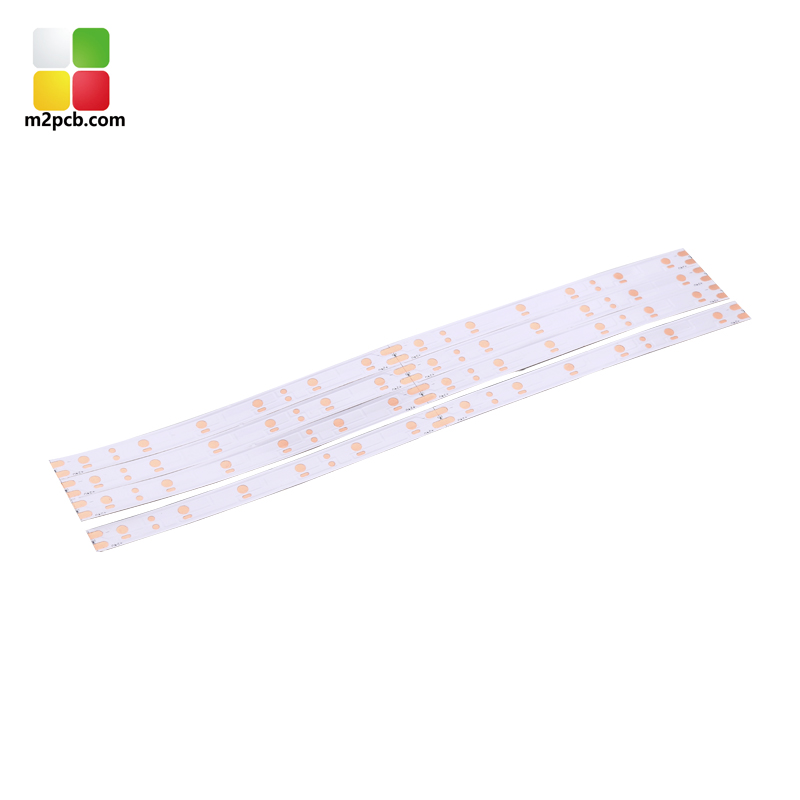
- Type: Flexible LED Circuit Board / LED Flexible Light Strip.
- Key Parameters: Maximum width of 240mm, minimum line width of 0.05mm, minimum spacing of 3/3mil.
- Testing: Flying Probe Test or Electrical test.
- Material: Polyimide (PI).
- Applications: Lighting, medical aesthetics, physiotherapy products.
PCB Assembly (PCBA)
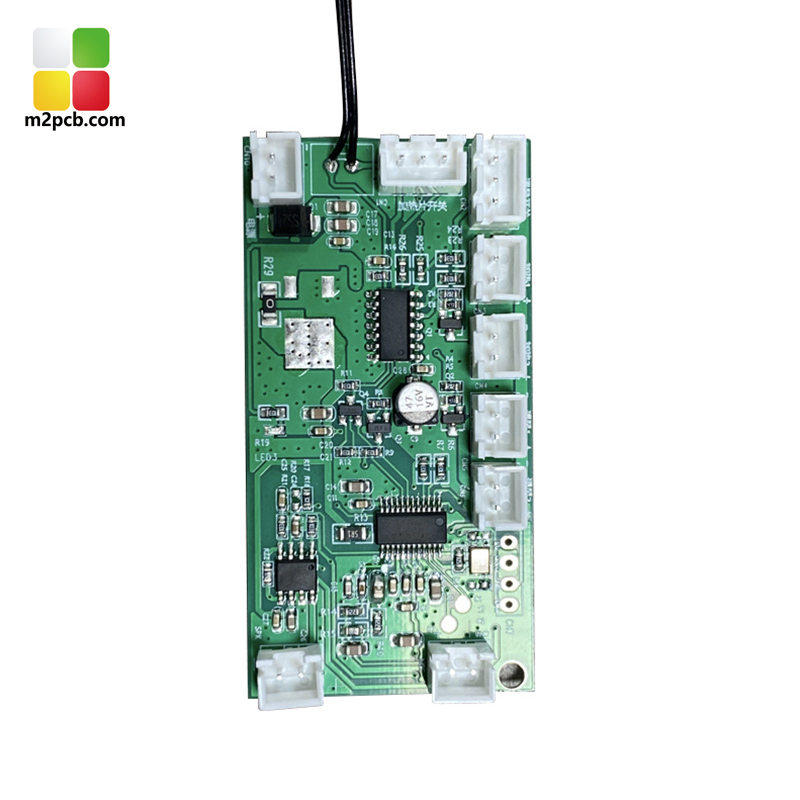
- Assembly: Single or double-sided assembly, turnkey BOM parts options.
- Testing: Includes X-ray testing and program burn.
- Primary Materials: FR4, PI, IMS.
- Industries: Artificial intelligence, new energy, medical electronics, aerospace, military.
Standard PCB Board
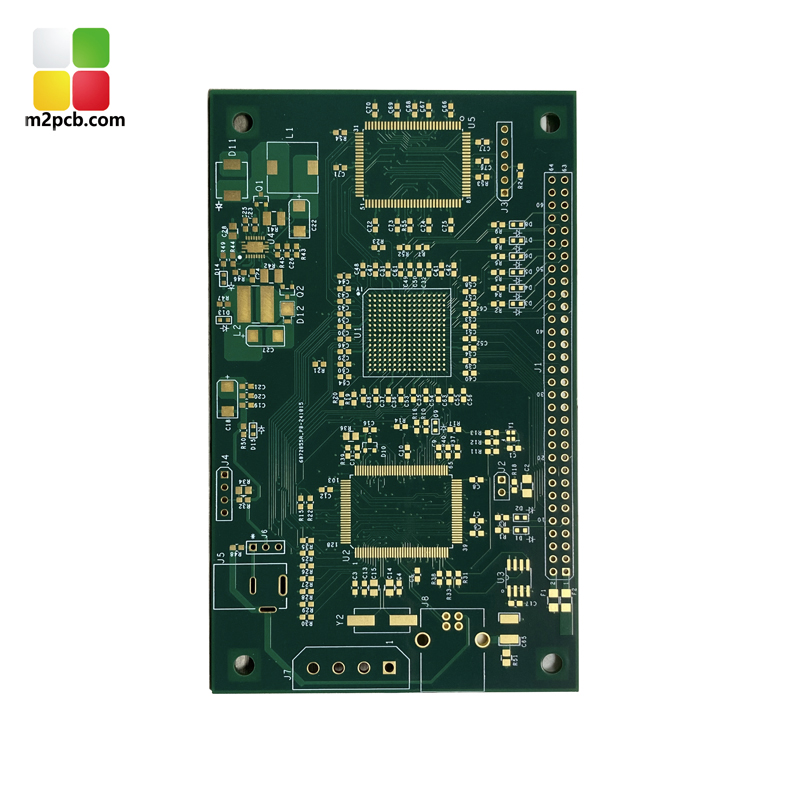
- Example: 4-layer PCB with FR4 material.
- Features: Supports impedance control.
- Testing: Flying Probe Test.
- Applications: Consumer electronics, industrial control, automotive, communication, medical.
Ensure the supplier can provide detailed specifications for materials (e.g., FR4 TG130-170, various copper weights), testing methods, and any special processes like impedance control.
3. Scrutinize Quality Certifications and Compliance
International certifications are non-negotiable for ensuring product safety, reliability, and market access. Request valid certificates and understand their scope.
- IATF 16949:2016 (Certificate No. T184452): This is essential for suppliers serving the automotive industry. It certifies the quality management system for the design, development, and production of automotive-related products.
- UL Certification (File No. E530809): Critical for products entering the North American market. It verifies compliance with electrical and fire safety standards (e.g., UL6950-1, UL62368-1) for flexible circuit boards used in medical aesthetics, automotive, and electronics.
- RoHS/REACH Compliance: For exports to the EU and USA, suppliers must have strict controls. A reliable supplier will mandate that raw material providers submit RoHS/REACH compliance declarations.
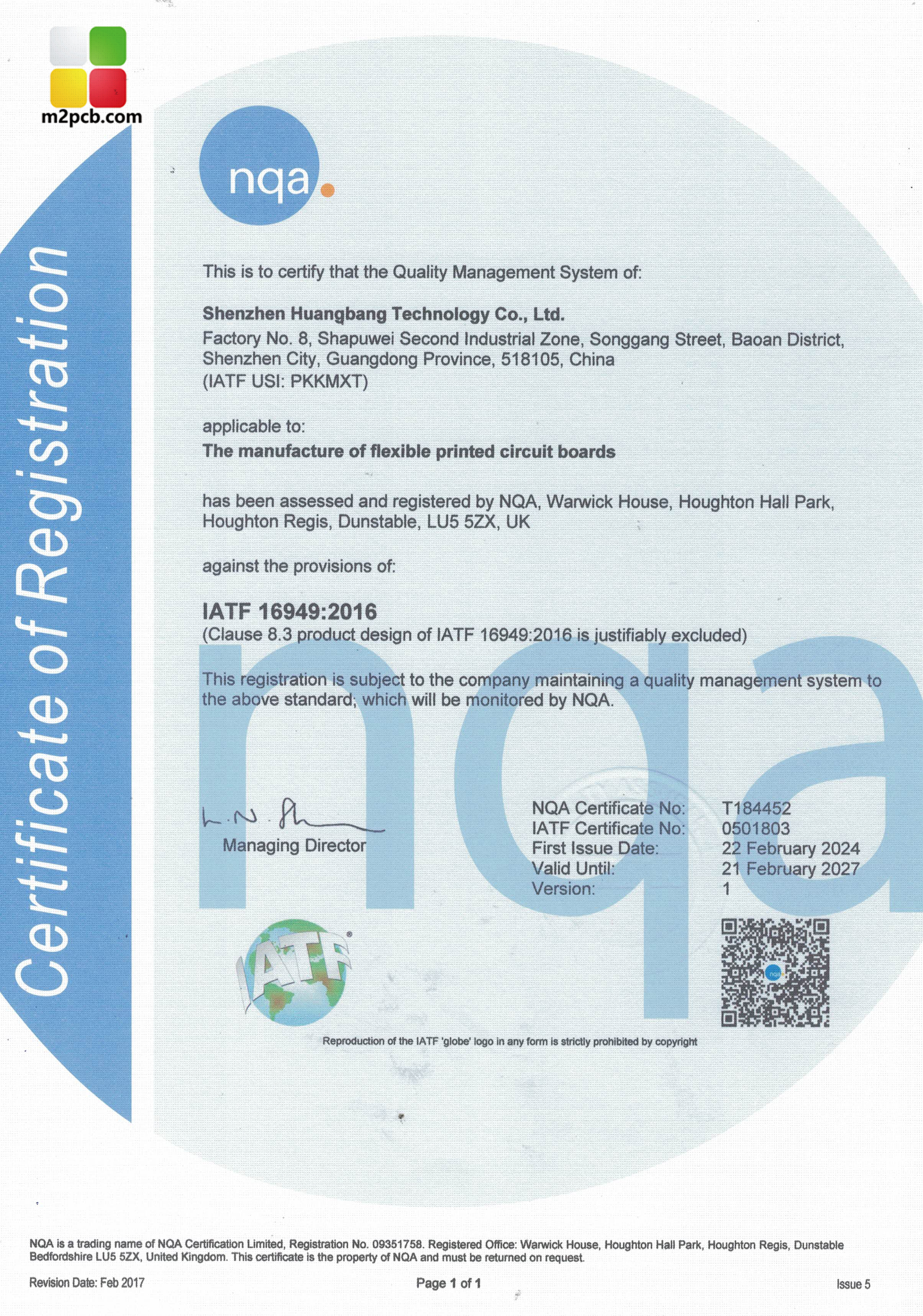
Certifications like IATF 16949 are crucial for automotive supply chains.
4. Evaluate Production Flexibility and Service Model
Consider how the supplier adapts to different project needs.
- Production Modes: Confirm support for OEM (manufacturing to your design) and ODM (design and manufacturing) services. Full customization based on client requests is a valuable capability.
- Order Flexibility: Assess the Minimum Order Quantity (MOQ). Some suppliers offer MOQs as low as 1 unit for prototypes or 5 pieces for production runs, which is advantageous for R&D or low-volume projects.
- Lead Time & Capacity: A monthly capacity of 40,000 square meters and lead times ranging from 3 to 20 days indicate an ability to balance speed and volume. Clear communication on standard and expedited timelines is essential.
- One-Stop Service vs. Multi-Supplier: A source factory that handles solution design, R&D sampling, circuit board production, SMT processing, PCBA testing, and final assembly offers significant advantages. It reduces coordination complexity, lowers operational costs, and can shorten the overall R&D-to-production cycle compared to managing multiple suppliers.
5. Analyze Global Market Experience and Support
A supplier with a proven export record is better equipped to handle international logistics, documentation, and standards.
- Export Markets: Suppliers serving major markets like Europe, the USA, South America, and Australia, with an export ratio around 70%, typically have established processes for international trade.
- After-Sales Support: Inquire about support structures. Remote technical support is a common offering.
- Communication Channels: Easy access to the supplier is vital. Standard contact points include email (e.g., pcb@dreamlandpcb.com), telephone, and messaging apps like WhatsApp (e.g., +86 136-2262-8609).
6. Review Case Studies and Industry Applications
Examine the supplier's track record in your specific industry. For example, a supplier with experience producing 500,000 units of a red light therapy belt PCBA for the US market over two years demonstrates capability in high-volume medical/wellness device manufacturing. Successful projects in automotive electronics, industrial control, and medical industries across numerous countries (including the US, Germany, UK, South Korea, Brazil) further validate global applicability.
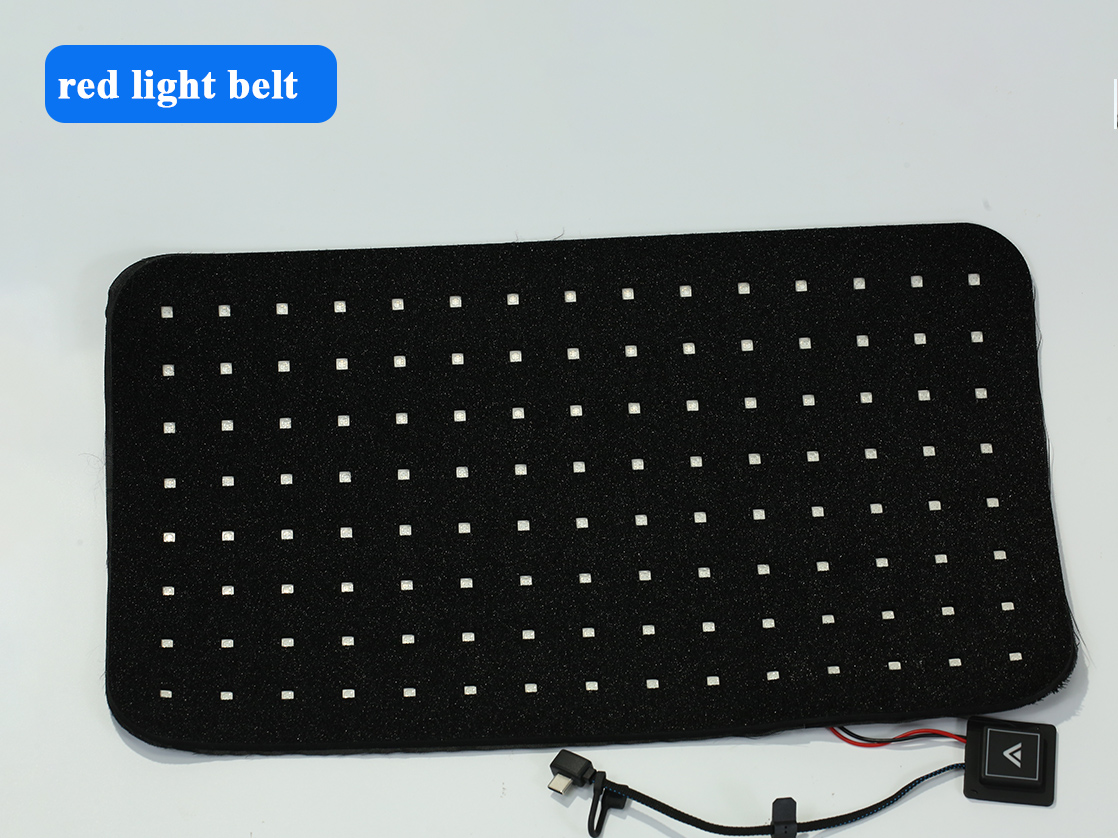
Case studies, like this red light therapy belt project, demonstrate application-specific expertise.
Conclusion
Selecting the right Flexible PCB and PCBA supplier requires a multi-faceted evaluation beyond just price. By systematically assessing manufacturing scale, technical specifications, quality certifications, service flexibility, global experience, and proven case studies, procurement teams can make informed decisions that mitigate risk and ensure project success. Suppliers that transparently provide this information, such as M2PCB with its established footprint since 2000, 8,000 sqm facility, and relevant certifications, present a more credible option for long-term partnerships.
This guide is intended for informational purposes to assist in the supplier evaluation process. All specifications and claims should be verified directly with potential suppliers.