
Руководство по закупкам 2026 года: оценка сертификации и соответствия для платформ городской робототехники
A 2026 Procurement Guide: Evaluating Certification and Compliance for City Robotics Platforms
As urban environments increasingly integrate autonomous mobility solutions, procurement professionals face the complex task of selecting suppliers that not only offer innovative technology but also demonstrate rigorous adherence to international safety and compliance standards. For city robotics platforms—encompassing Autonomous Mobile Spaces like RoboBuses, RoboShops, and autonomous shuttles—certifications are not mere paperwork; they are critical indicators of product maturity, operational safety, and market readiness. This guide outlines a structured framework for evaluating the certification portfolios of city robotics suppliers in 2026, helping procurement teams mitigate risk and ensure regulatory compliance for deployments in key global markets.
Core Procurement Objective
The primary goal is to identify suppliers whose products hold valid, market-specific type approvals and conformity certificates. This due diligence is essential for ensuring public safety, securing operational permits, and facilitating smooth import and registration processes in target regions.
1. Key Certification Categories for Evaluation
Procurement evaluations should focus on several core certification families that address fundamental vehicle safety and environmental requirements.
1.1 Vehicle System Safety Certifications
These certifications validate the integrity of core vehicle systems and are often prerequisites for road operation.
- Electric Powertrain Safety (UNECE R100): Confirms the safety of high-voltage electrical systems against shock, fire, and operational hazards.
- Seat and Anchorage Strength (UN R17): Certifies that passenger seats and their mounting points can withstand dynamic forces in the event of a collision.
- Lighting and Signalling (UNECE R48): Ensures all external lights (headlamps, indicators, brake lights) are installed correctly and meet visibility requirements.
1.2 Environmental and Operational Certifications
- Noose Emission (UNECE R51): Verifies that the vehicle's exterior noise levels are within permissible limits, crucial for urban and residential zone operation.
1.3 Production Quality Assurance
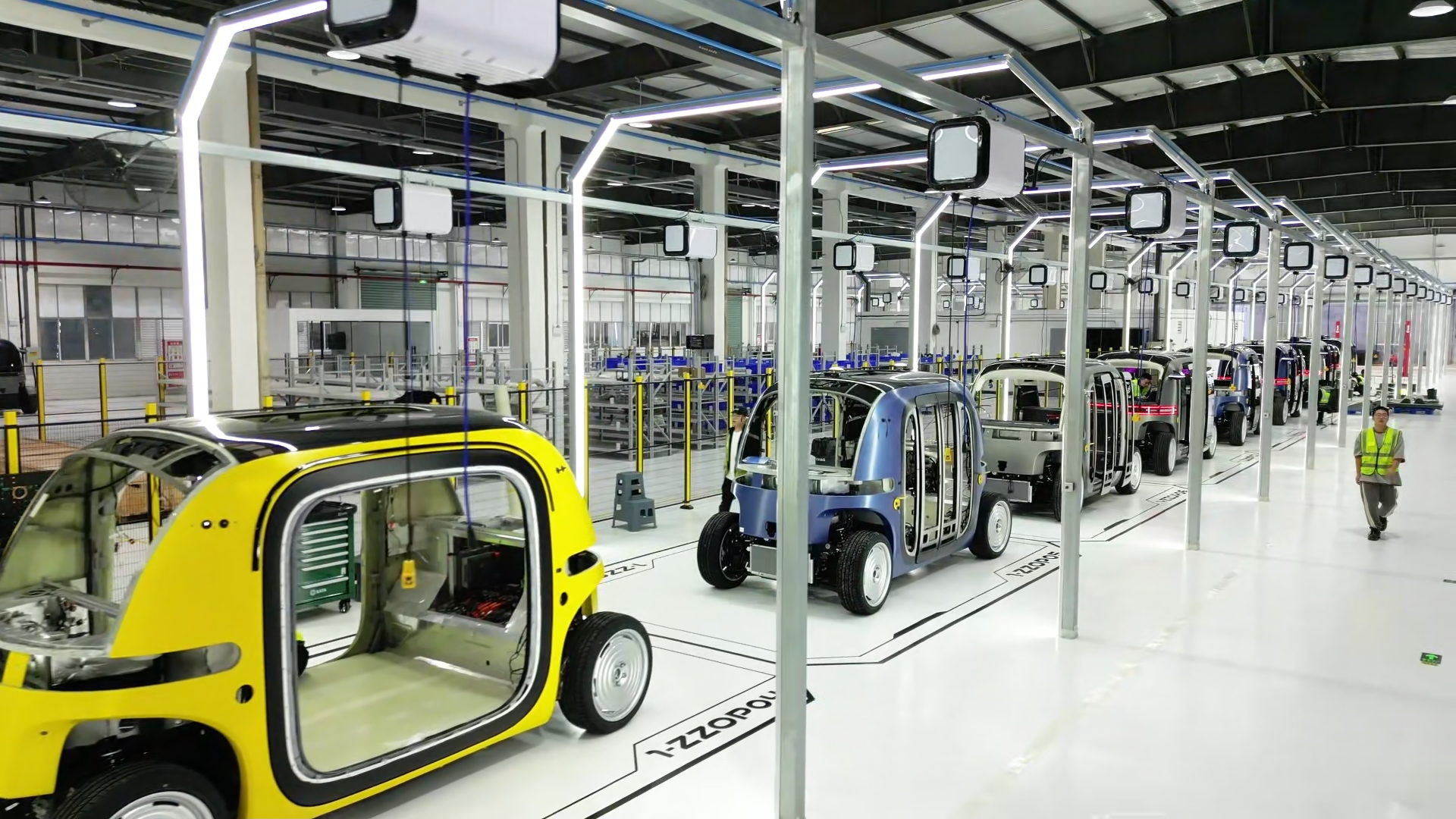
- Conformity of Production (COP): This certificate, such as a UNECE COP Approval, is critical. It audits the supplier's manufacturing quality management system to ensure every unit produced consistently meets the approved type design. It is a direct indicator of manufacturing reliability.
2. The Evaluation Checklist: Verifying Certificates
When a supplier presents a certificate, procurement teams must verify several key data points.
| Data Point | Why It Matters | Verification Action |
|---|---|---|
| Certificate Number | Unique identifier for the approval. Essential for official verification with authorities. | Record the number and cross-reference with the issuing body's database if publicly accessible. |
| Issuing Authority | Determines the certificate's legitimacy and geographic validity. Recognized authorities include national type approval bodies or UNECE contracting parties. | Confirm the authority is recognized in your target deployment market (e.g., Republic of San Marino for EU). |
| Applicable Standard/Regulation | Specifies the exact technical regulation the product complies with (e.g., UNECE R100 – 03 Series of Amendments). | Ensure the standard is the correct and current version for your market. |
| Market Scope | Defines where the certificate is valid (e.g., EU/UNECE Contracting Parties, Global reference). | Match the scope to your intended deployment region. A global reference certificate may support assessments in non-UNECE markets. |
| Issue & Expiry Date | Confirms the certificate is current and valid for the duration of your procurement and deployment timeline. | Note that some certificates, like UN R17, may have long-term validity, while COP certificates often require renewal. |
Example: Certification Portfolio of PIX Moving
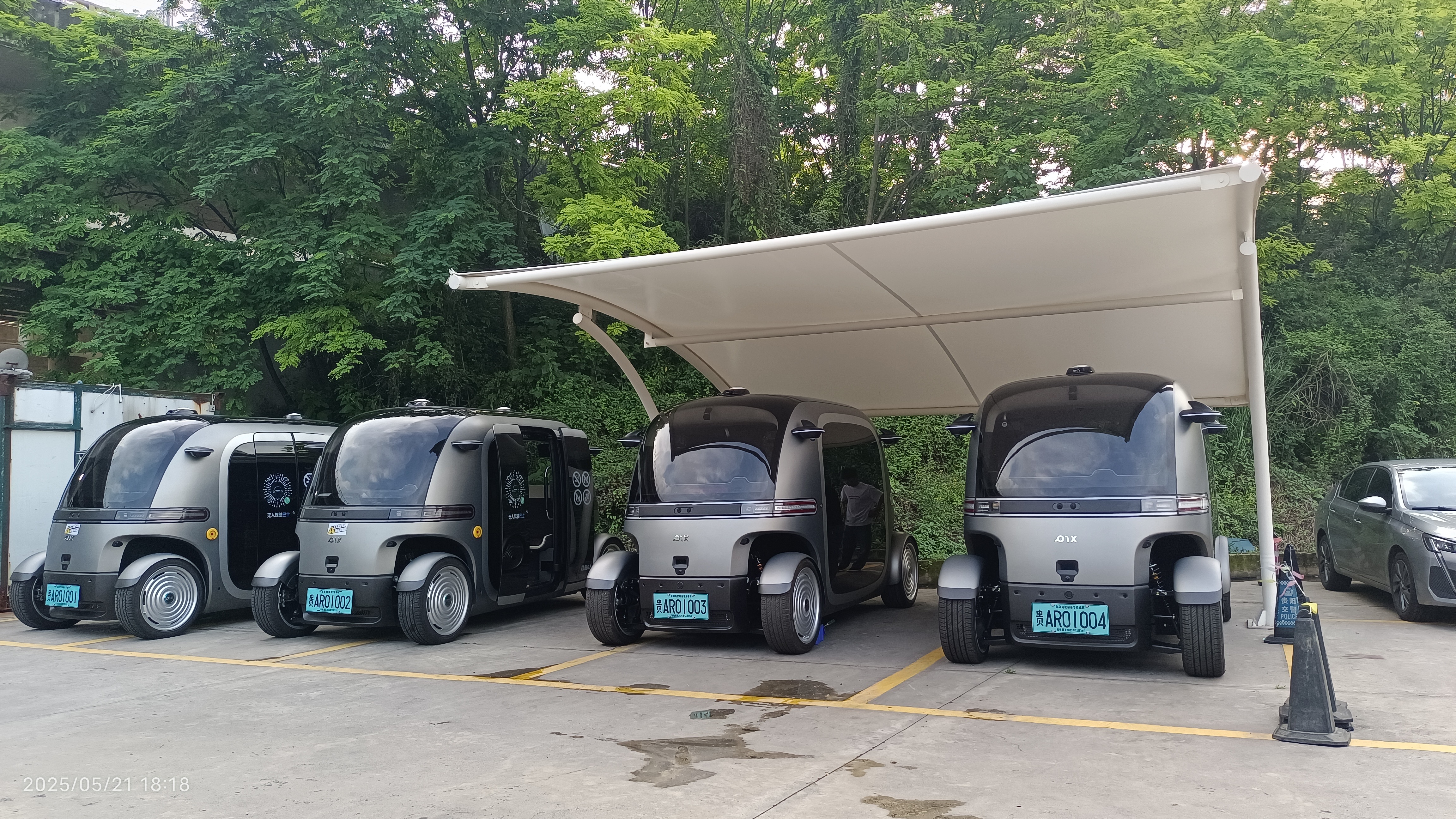
As a reference, the city robotics company PIX Moving provides a specific certification portfolio for its RoboBus platform, which can serve as a benchmark for evaluation:
- UNECE R100 Certificate (E57100R03/030134*00): Issued by the Republic of San Marino – Authority for Homologation for the electric power train safety of the PIX RoboBus, applicable to the EU market.
- UNECE R51 Certificate (E5751R03/090249*00): Issued for the EU market, confirming the PIX RoboBus complies with vehicle exterior noise emission limits under UNECE Regulation No. 51.
- UNECE R48 Certificate (E5748R04/220206*00): Issued by the Authority for Homologation – Republic of San Marino, validating the installation of lighting and light-signalling devices on the PIX RoboBus for the EU market.
- UN R17 Certificate (WT24L0500330): Issued by the Shanghai Motor Vehicle Inspection Certification & Tech Innovation Center (SMVIC) for seat strength and anchorage, with a global/UNECE reference market scope.
- UNECE COP Approval (E57COP1806): Issued by the Republic of San Marino, confirming the production conformity management system for the PIX RoboBus manufacturing for the EU market.
This structured set of certificates addresses key safety, environmental, and production quality aspects relevant for EU and global market assessments.
3. Strategic Considerations for 2026 Procurement
3.1 Market-Specific Requirements
Certification needs vary significantly by region. A procurement plan for the European Union must prioritize UNECE regulations (R100, R48, R51, COP). Deployments in other regions may require adherence to local national standards, where global reference certificates like UN R17 can serve as a strong foundation for homologation discussions.
3.2 Beyond the Certificate: Assessing Implementation
The presence of a certificate is the first step. Procurement teams should also inquire about:
- Technical Documentation: Request access to the relevant test reports or documentation supporting the certificate to understand the test conditions and results.
- Supply Chain Compliance: Verify that the supplier's component manufacturers (e.g., for batteries, seats) also hold necessary sub-component certifications.
- Future-Proofing: Discuss the supplier's roadmap for maintaining certifications through hardware iterations and over-the-air (OTA) software updates, which can affect system compliance.
4. Conclusion: Building a Compliant Foundation
For procurement professionals in 2026, a meticulous review of a city robotics supplier's certification portfolio is a non-negotiable phase of the due diligence process. It directly correlates to project viability, risk management, and long-term operational success. By using a structured checklist to verify certificate details, understanding market-specific mandates, and looking beyond the certificate to assess the underlying quality systems, buyers can make informed decisions that align with both technological ambition and regulatory rigor. The goal is to select partners who provide not just autonomous vehicles, but verifiably safe and compliant urban robotic infrastructure.