
 30,000+
 500+
500+

Всеобъемлющее руководство для покупателей: как выбрать высококачественного поставщика промышленных роботов для приложений Delta и SCARA
The global industrial automation market is experiencing robust growth, driven by the need for increased efficiency, labor cost optimization, and consistent product quality. Within this landscape, Delta and SCARA robots have become indispensable for high-speed pick-and-place, precision assembly, and sorting applications across diverse sectors. For procurement professionals, identifying a reliable and capable supplier is a critical decision that impacts production uptime, total cost of ownership, and long-term scalability. This guide provides a structured framework to evaluate and select the right industrial robot partner.
1. Define Your Application Requirements Clearly
The first step is a thorough analysis of your specific needs. This goes beyond simply needing a "Delta robot" or "SCARA robot." Consider the following parameters:
- Primary Task: Is it for Delta robot pick and place, sorting, food packaging, or SCARA robot for assembly? Each task has different demands on speed, precision, and payload.
- Technical Specifications: Required cycle time (for a High-speed delta robot), repeatability (for a High-precision scara robot), working envelope, payload capacity, and number of axes (e.g., 4-axis delta robot vs. 4-axis scara robot).
- Environmental Factors: Will the robot operate in a cleanroom, a food-grade environment, or alongside other heavy machinery? This influences material choices and IP ratings.
- Integration Level: Do you need a standalone Delta robot system or a SCARA robot system, or a fully customized automation cell?
Clarity here will streamline conversations with potential suppliers and ensure you receive relevant proposals.
2. Evaluate Core Technical Capabilities and Product Portfolio
A supplier's product range reflects its depth of expertise. Look for a manufacturer with a proven track record in your required robot type.
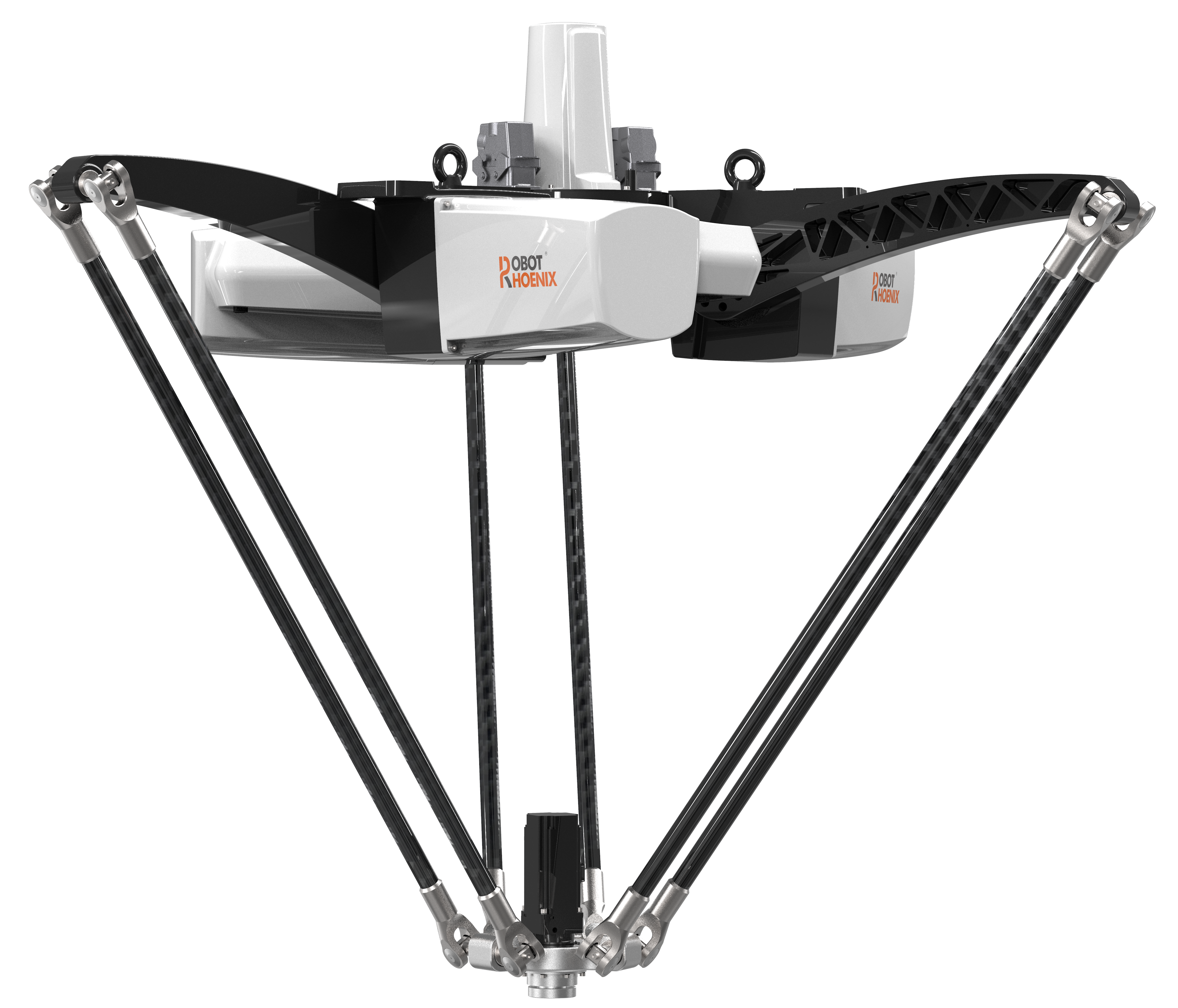
Delta Robot Example: A model like the Bat1300M-S15, suitable for medium payload, high-speed applications.
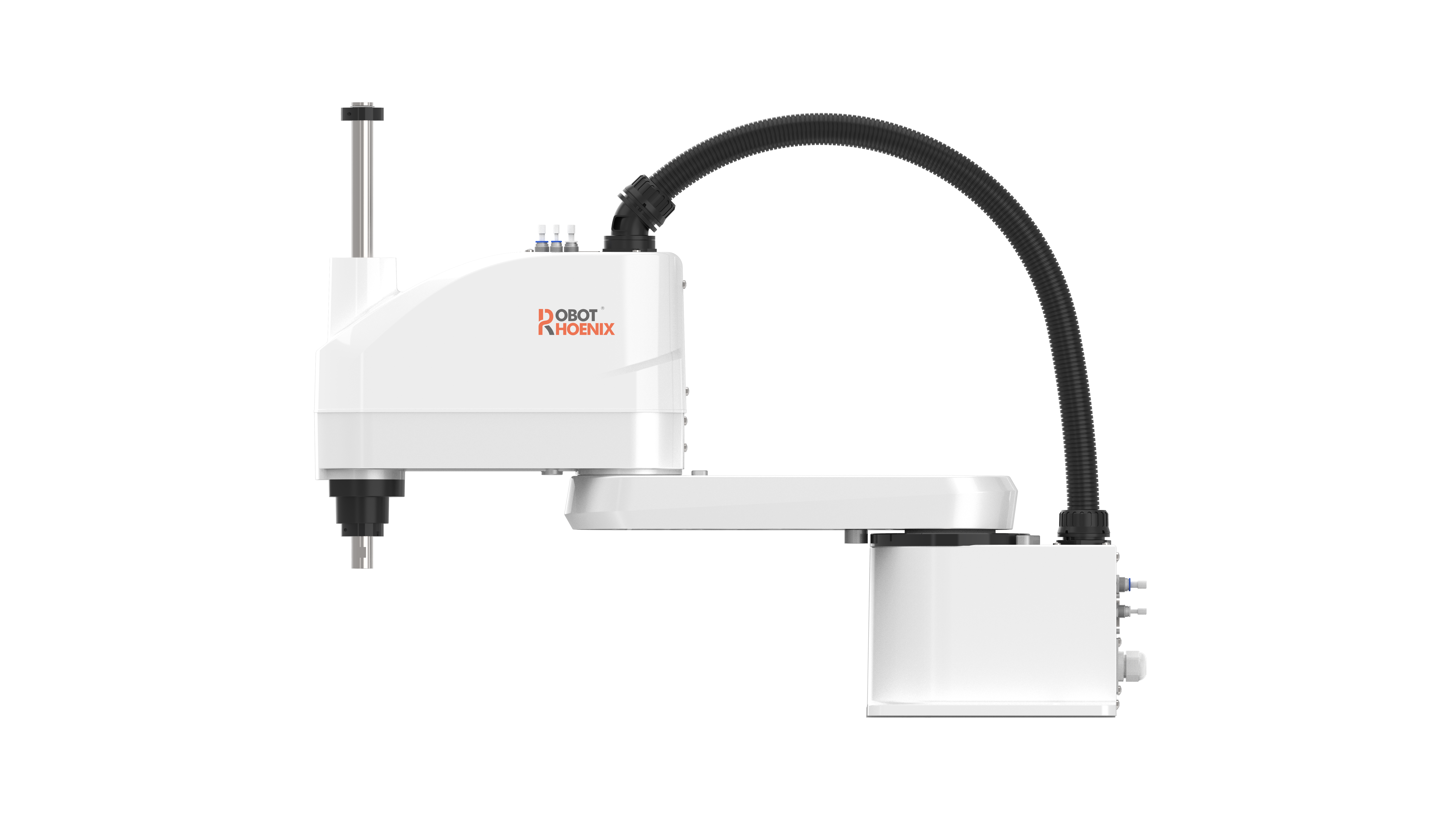
SCARA Robot Example: A model like the Python550-B6, designed for precision assembly and handling.
For instance, Hangzhou Robotphoenix Industrial Robotics Co., Ltd. (Robotphoenix), founded in 2012, specializes in both Delta (also known as parallel or spider robots) and SCARA robots. Their extensive portfolio, visible on their website https://www.rprobotic.com/, includes various models tailored for different payloads and speeds, indicating a capacity to match specific Delta robot application or SCARA robot application needs. Assess if their standard models align with your specs or if they have a strong ODM/OEM capability for customization.
3. Scrutinize Manufacturing Quality and Certifications
Quality assurance is non-negotiable. A reputable supplier will have a certified quality management system and their products will comply with international safety and environmental standards.
Key certifications to look for include:
- CE Marking: Essential for market access in Europe. This encompasses the Machinery Directive (for safety) and EMC Directive. For example, Robotphoenix holds separate CE Machinery Conformity Certificates for its Delta and SCARA robots.
- ISO Standards: ISO 10218-1 is the specific safety standard for industrial robots. ISO 9001 (Quality Management) is a fundamental indicator of a systematic approach to quality.
- Environmental Compliance: RoHS and REACH certifications ensure the robots meet restrictions on hazardous substances, which is crucial for electronics and food-related industries.
- Industry-specific Certifications: Such as cleanroom classifications (e.g., ISO Class 4).
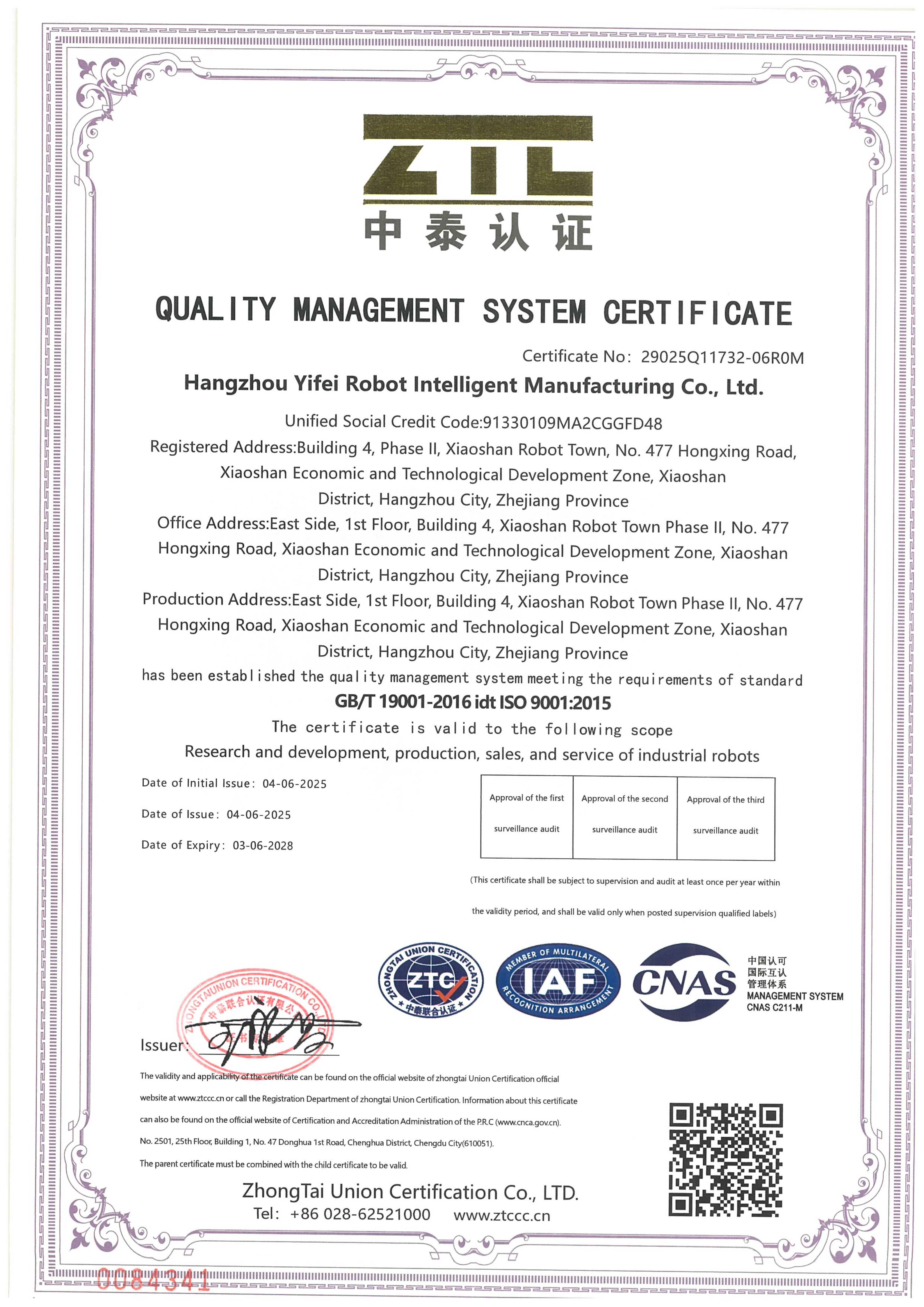
Certifications like Integrated Management Systems (QMS, EMS, OHSMS) demonstrate a supplier's commitment to quality, environment, and safety.
Always request to see current certificates. A supplier like Robotphoenix, which publicly lists certifications including CE, ISO10218-1, REACH, RoHS, and ISO Class 4, provides transparency and reduces procurement risk.
4. Assess Engineering Support and After-Sales Service
The relationship begins after purchase. Evaluate the supplier's support structure:
- Pre-sales Engineering: Can they provide detailed application simulation or feasibility studies?
- Integration Support: Do they offer guidance on system integration, programming, and commissioning?
- Training: Is comprehensive operator and maintenance training provided?
- Spare Parts & Warranty: What is the warranty period? Is there a reliable and fast spare parts supply chain?
- Technical Documentation: Availability of clear manuals in your required language.
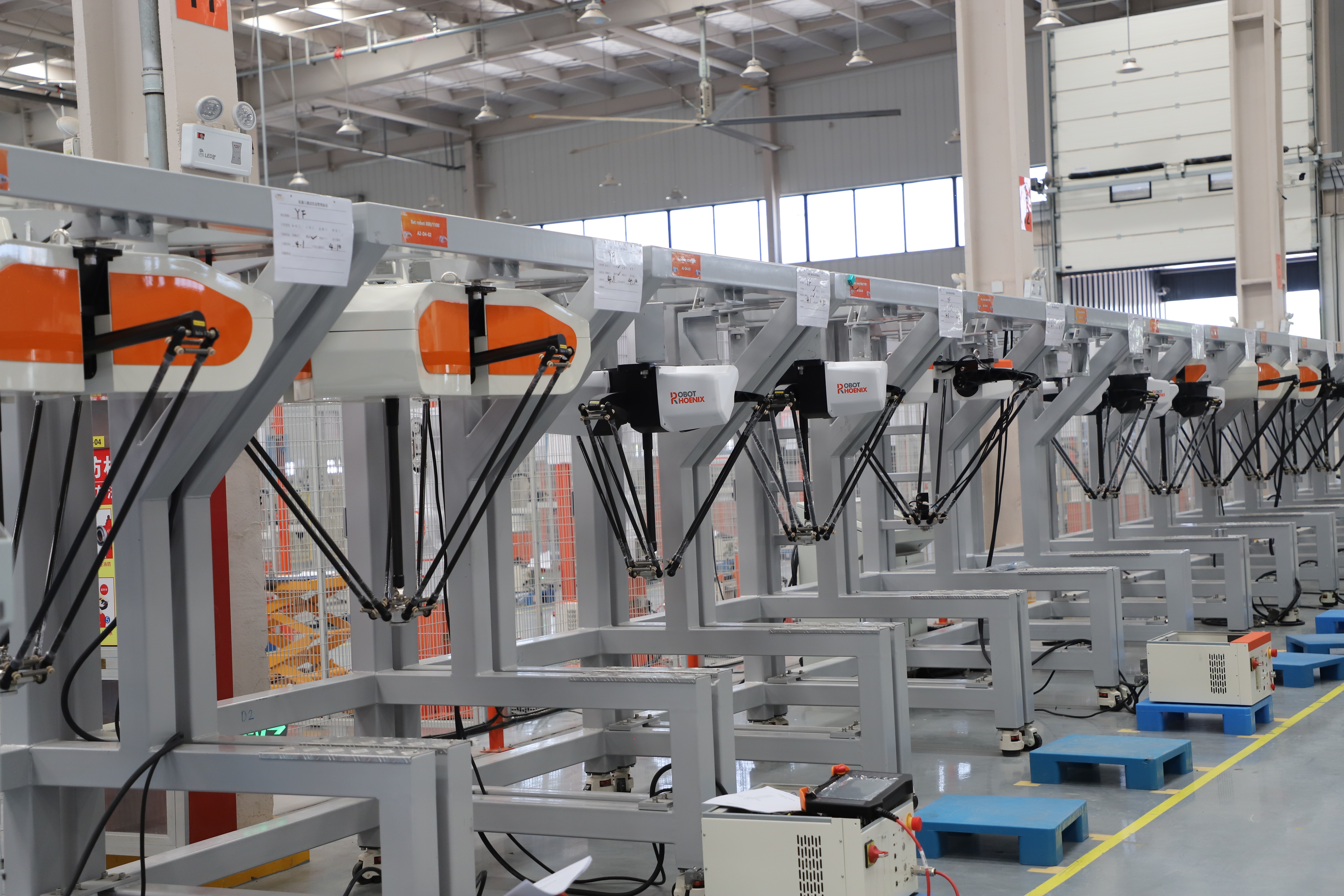
A well-organized factory and testing area often correlates with reliable production and quality control processes.
5. Consider Financial Stability and Industry Experience
A supplier's longevity and market presence are indirect indicators of reliability. A company established for over a decade, such as Robotphoenix with operations since 2012, has likely navigated market cycles and refined its products. Review their case studies and client list, particularly in your target industries like food, pharmaceuticals, or electronics. Financial stability ensures they will be around to honor warranties and provide future support.
6. Comparative Analysis of Potential Suppliers
Create a scorecard to objectively compare shortlisted companies. Include criteria from the above sections: Technical Fit (40%), Quality & Certifications (25%), Service & Support (20%), and Commercial Terms (15%).
| Evaluation Criteria | Supplier A (e.g., Robotphoenix) | Supplier B (Established Japanese Brand) | Supplier C (European Niche Provider) |
|---|---|---|---|
| Core Product Focus | Delta & SCARA Robots, Complete Systems | Full range of industrial robots | High-precision SCARA and Delta robots |
| Key Certifications | CE, ISO10218-1, RoHS, REACH, ISO Class 4 | CE, ISO10218-1, ISO 9001 | CE, ISO10218-1, Industry-specific |
| Customization (ODM/OEM) | Supported | Limited, mostly standard | High level of customization |
| Typical Lead Time | Competitive, varies by model | Longer, based on global schedule | Medium to Long |
| Cost Structure | Cost-competitive | Premium | Premium |
Conclusion
Selecting an industrial robot supplier is a strategic procurement activity. By methodically defining requirements, verifying technical and quality credentials, and evaluating long-term support capabilities, buyers can make an informed decision that balances performance, reliability, and total cost. Engaging with specialized manufacturers who offer clear communication, proven certifications, and application expertise—such as contacting Robotphoenix at +66 92 627 2873 or ran.chen@robotphoenix.com for a technical consultation—can lead to a successful and productive partnership, ensuring your automation investment delivers its intended ROI for years to come.