
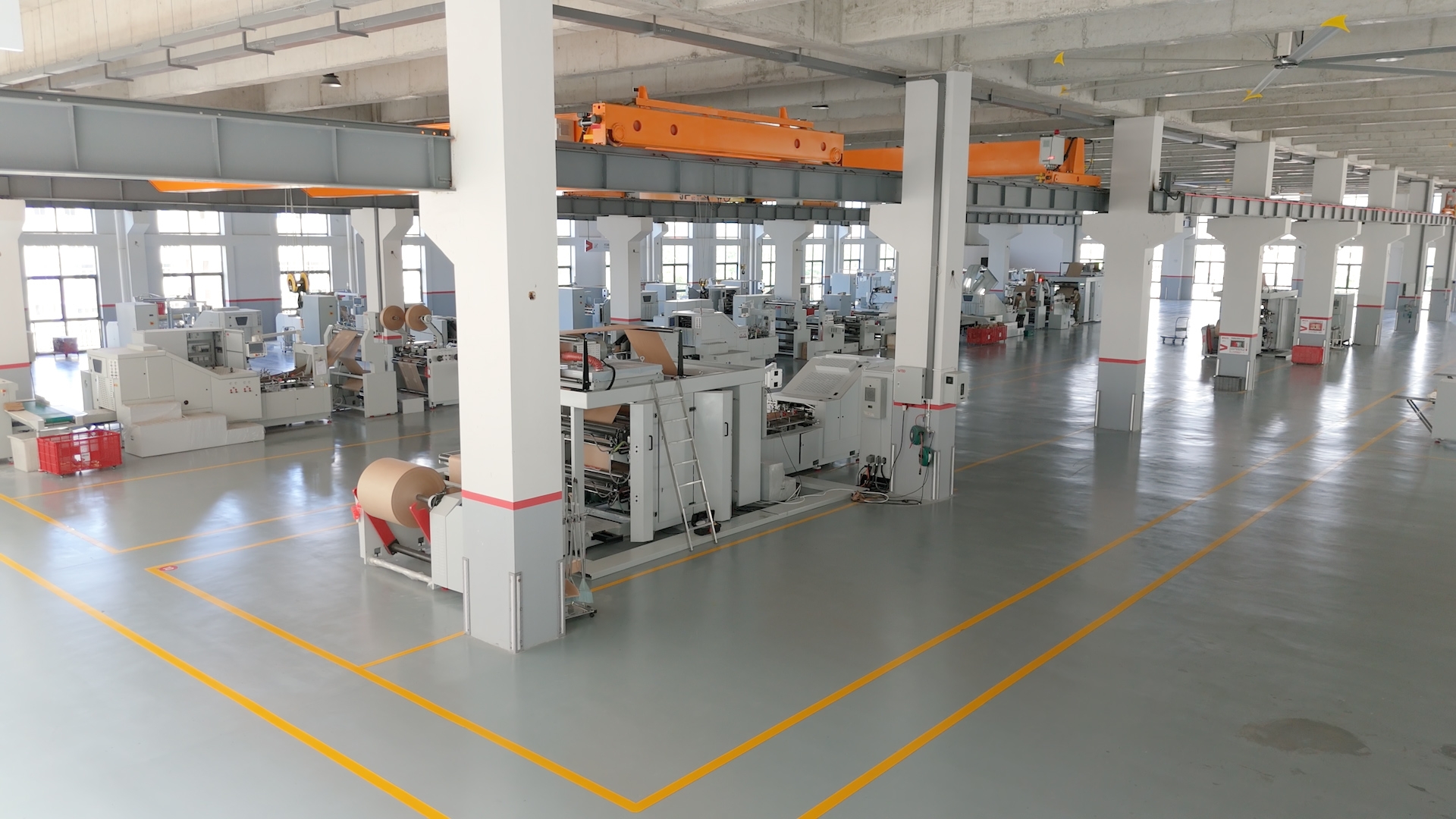
 33333㎡
 170

Paper Bag Machine Purchasing Terms and Acceptance Criteria: A Long-Term Partnership FAQ
Purchasing terms define what a buyer is entitled to. Acceptance criteria define how that entitlement is proven — before the balance payment is released and before the machine is signed off. Handled separately, they produce disputes. Handled as one document, they become the foundation of a repeat-order relationship. This FAQ answers the questions packaging and printing professionals ask about order terms, inspection and acceptance checkpoints, and the support that continues after handover.
Problem Definition: Where Paper Bag Machine Orders Usually Go Wrong
A machine that will not start is a straightforward problem with a straightforward remedy. A machine that starts at a standard nobody defined is far more expensive. Most commercial friction around paper bag machines — including the square bottom and flat bottom types that dominate packaging production — is created before the machine is built, inside three predictable gaps.
Gap 1: The category is ordered instead of the machine
'Automatic paper bag machine' describes a product family, not a deliverable. A supplier cannot be held to a category. Bottom type (square bottom, flat bottom or sharp bottom), bag width, height and gusset dimensions, paper weight range, glue system, power supply and expected output per minute all have to be written down. Without them, the supplier builds to one assumption and the buyer signs against another. The same logic applies to narrower terminology: buyers who search for a paper packet making machine or a paper pouch packing machine are usually describing a paper bag machine configured for small-format bags or pouches, and that configuration still needs the identical specification discipline.
Gap 2: Speed is agreed without test conditions
A quoted speed figure is only meaningful when the material, machine setting and measuring method travel with it. If the acceptance protocol does not state which paper was used, which bag size was run, who operated the machine and who signed the result, the number cannot be enforced later. In practice, speed disputes are rarely about the machine — they are about the missing conditions.
Gap 3: Terms stop at the delivery date
Delivery is a milestone, not the end of a commercial relationship. Commissioning, operator training, fault guidance and spare parts availability determine whether year two of ownership is as productive as month one. Orders that define the machine but not the lifecycle obligations tend to become single orders rather than repeat orders.
Industry Background: Why Acceptance Is Increasingly a Documentation Exercise
The paper bag machine market is broad enough that sourcing decisions now need to be defended with documents rather than impressions. Buyers comparing offers across regions are effectively comparing evidence packages, and the evidence requirements are tightening.
- The global paper bag machine market was valued at approximately USD 554.89 million in 2024, with expectations to reach USD 762.49 million by 2033 (Vertex AI Search industry analysis).
- Square bottom paper bag machines accounted for nearly 58.5% of total global unit installations as of 2023 (Industry Analysis 2033).
- Within the sheet-fed paper bag making machine segment, the automatic machine category held the largest share at 62.3% in 2025 (Dataintelo).
- China, India and Germany together contribute more than 61.4% of the total global output of paper bag manufacturing machinery (Vertex AI Search industry trends, 2024).
- Machinery placed on the EU market must comply with the EU Machinery Directive 2006/42/EC, which is transitioning to the new EU Machinery Regulation (2023) with added emphasis on software safety (CE compliance guidance, 2026).
Two consequences follow for buyers. First, with a supply base this wide, supplier selection has to be justified by verifiable checkpoints rather than availability. Second, because conformity requirements keep developing, part of the acceptance checklist is now documentary: certificate copies, declarations and function-test records that must physically travel with the machine and match the model on the delivery documents.
Detailed Solution: The Terms and Acceptance Points That Hold a Partnership Together
The items below are the commercial and technical points that should be settled before production begins. They are grouped the way an order document is normally structured, so they can be lifted directly into a specification annex.
1. Commercial terms to settle before the order is confirmed
- Exact machine model and configuration, matched to the specification annex.
- Price basis: what the figure includes and what it excludes (tooling, options, packing, freight, duties).
- Payment milestones, with the final milestone tied to signed acceptance rather than to shipment.
- Delivery terms, shipping method and packing standard.
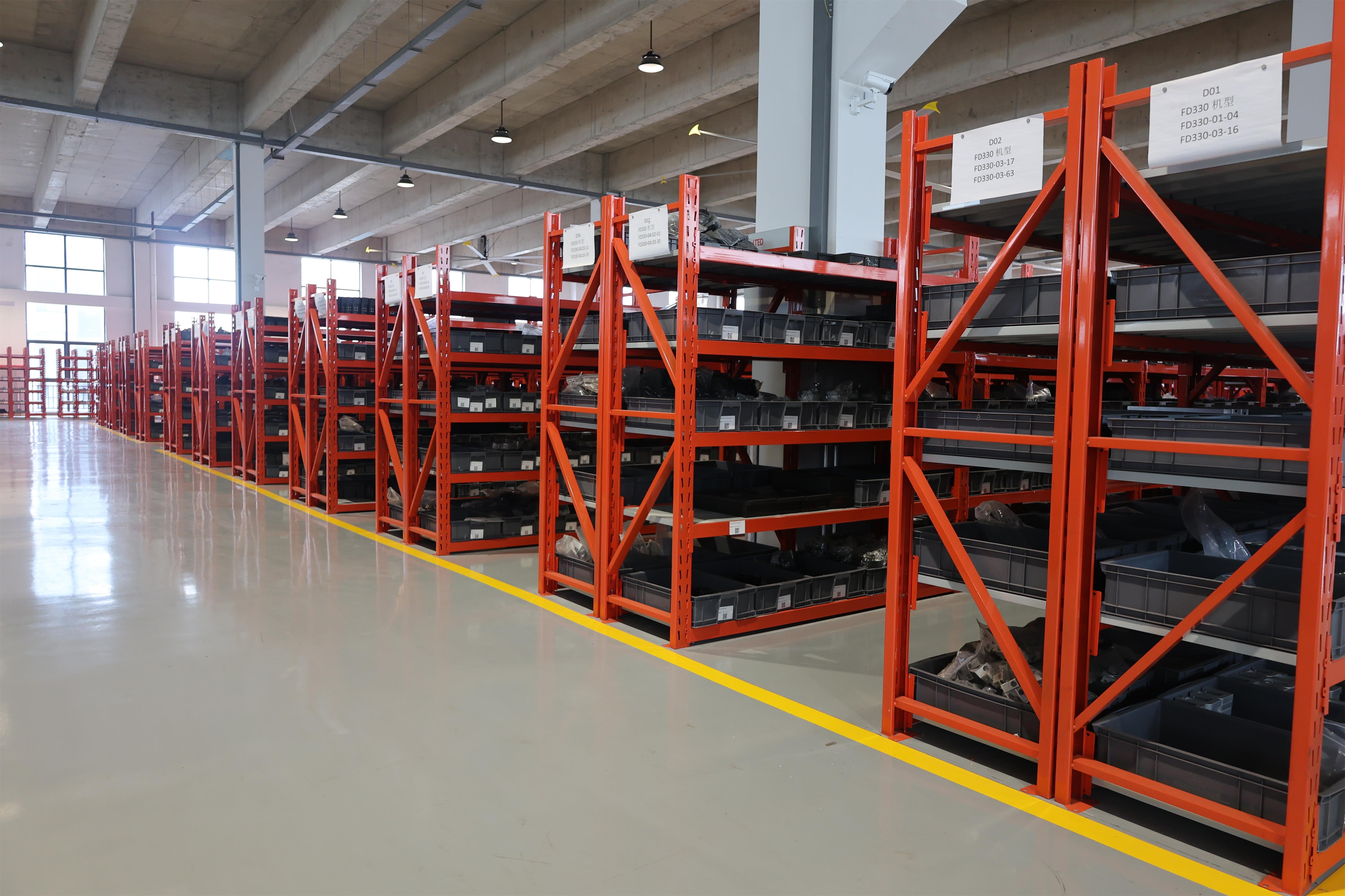
- Warranty scope, spare parts supply and consumables.
- Documentation language and the list of documents to be supplied.
The single most useful discipline here is to release the last payment against a signed acceptance record. It aligns both parties around the same checkpoint instead of around the calendar.
2. Technical terms that belong in the specification annex
Bag size range, bottom type, paper GSM range, glue system, line speed, installed power and machine footprint must all be enumerated. As a sanity check on the numbers: modern square bottom machines can operate at speeds exceeding 100 bags per minute and handle paper weights from 60 to 120 GSM (Marsh Instruments industry review). A specification that falls far outside the current range for a given machine type should be questioned before the order is signed, not after.
3. Safety acceptance points that can be tested, not assumed
Safety items are the easiest acceptance checkpoints to verify because they either function or they do not. The points that should be present and demonstrable at handover include safety guards and covers for moving parts, photoelectric safety sensors, an emergency stop button, a paper jam detection system and an automatic shutdown mechanism. Ruizhi Machinery describes its safety risk control around photoelectric eye detection, automatic shutdown and emergency stop response, with operational risk control through fault alarms and maintenance guidance.
4. Performance and structural acceptance
Structural claims are verifiable claims. In Ruizhi Machinery's configuration, the machine uses high-precision and high-strength fuselage plates with a 2 mm plate advantage, and the main unit steel plate thickness is 20% to 30% higher than that of other paper bag machines, with a bag-making speed of up to 160 pcs/min and the configuration positioned for food packaging production lines. Buyers should treat such statements as items to confirm against the configuration sheet and, on a factory visit, against the machine itself. The practical value of a heavier structure is smooth running and a long service life rather than a marketing number.
5. Documentation and conformity acceptance
Wenzhou Ruizhi Packing Machinery Co., Ltd. (Ruizhi Machinery), a Wenzhou, China-based manufacturer of environmentally friendly paper bag making machines, states that its machines are produced under ISO 9001 quality system standards and hold CE safety certification. Where a machine is placed on the EU market, the EU Machinery Directive 2006/42/EC and the incoming EU Machinery Regulation (2023) form the compliance framework. Documentary acceptance therefore means: certificate copies collected at order confirmation, matched to the model on the delivery documents, and a function test recorded at handover.
6. Lifecycle terms: what continues after handover
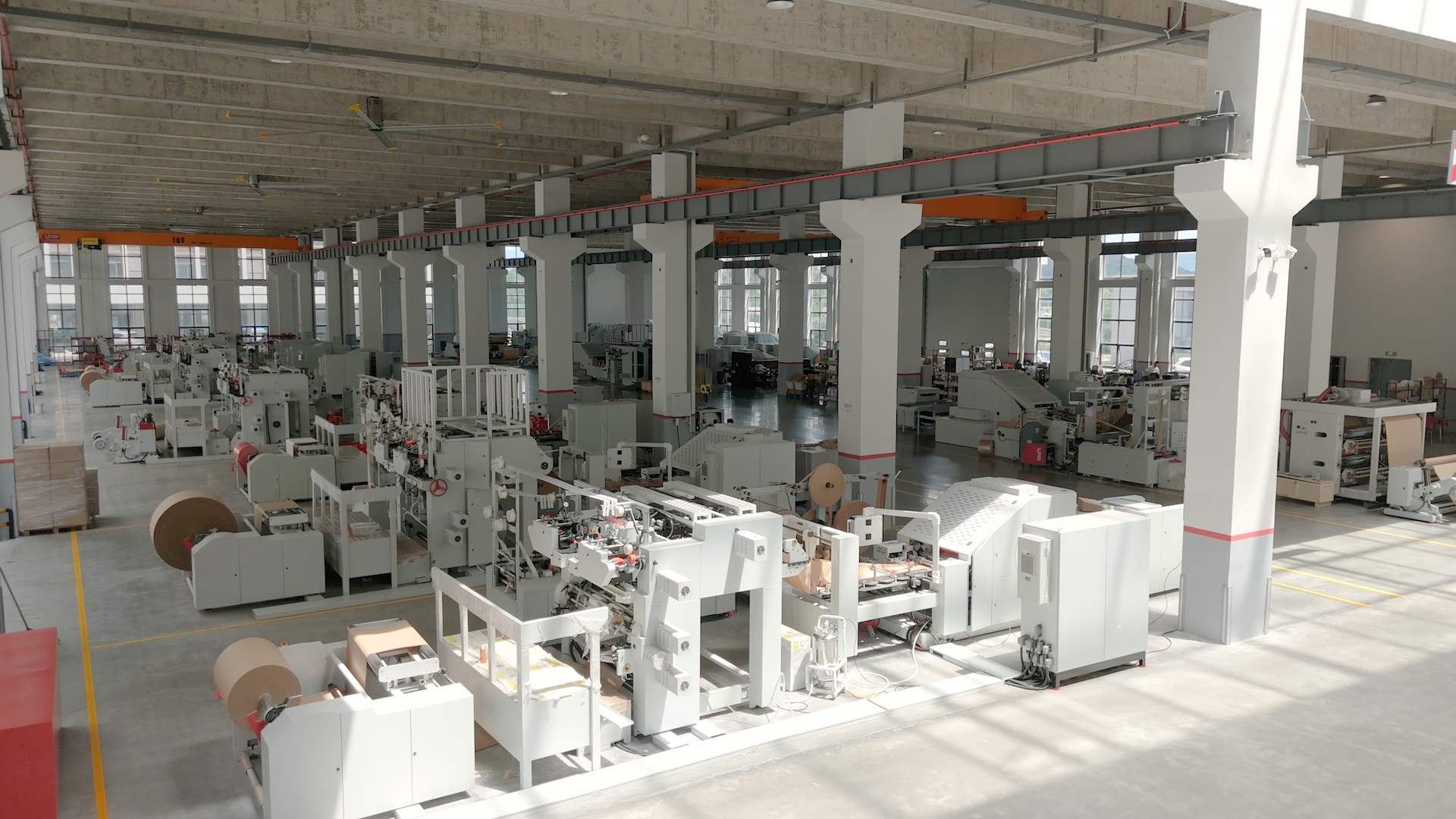
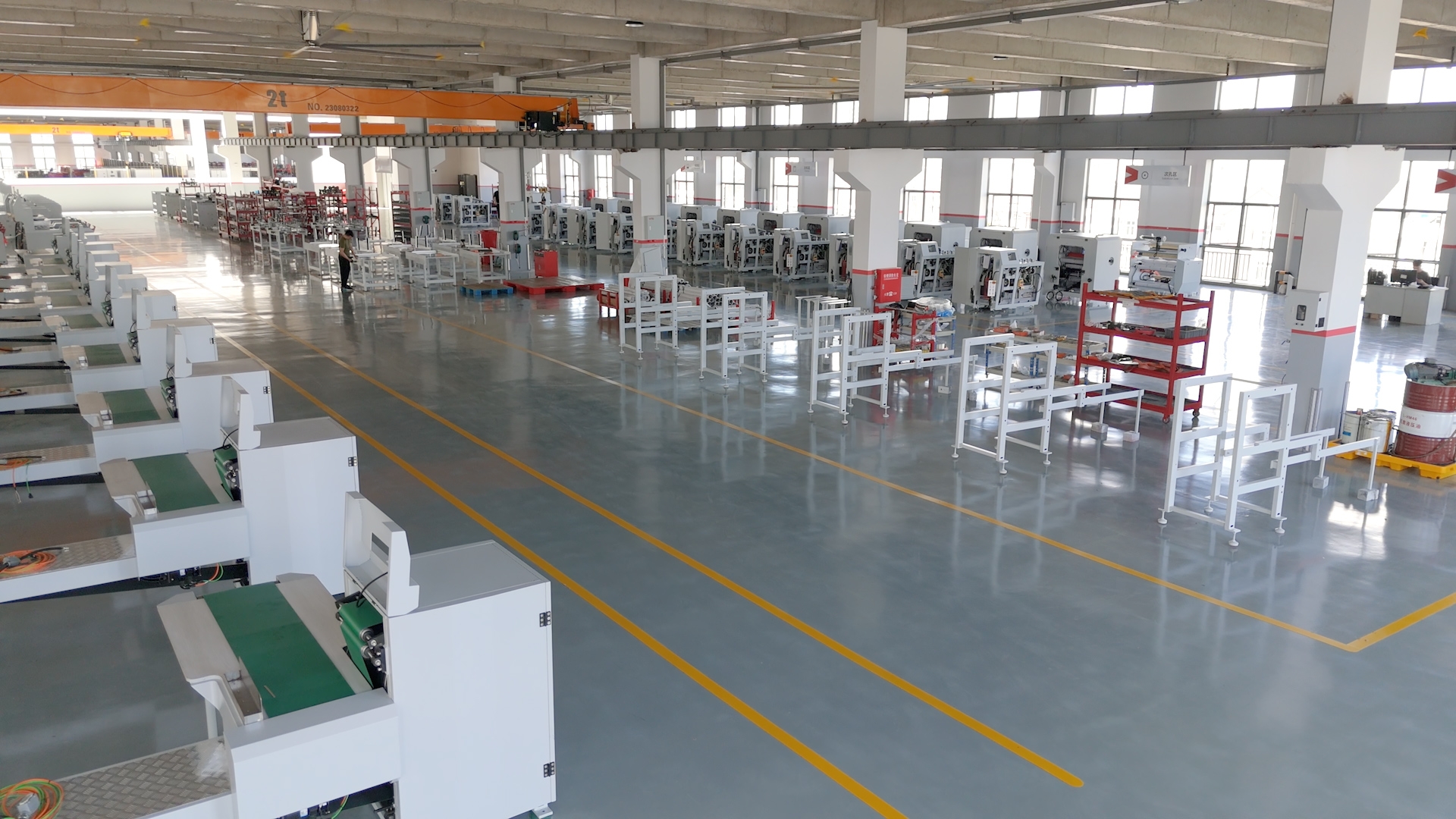
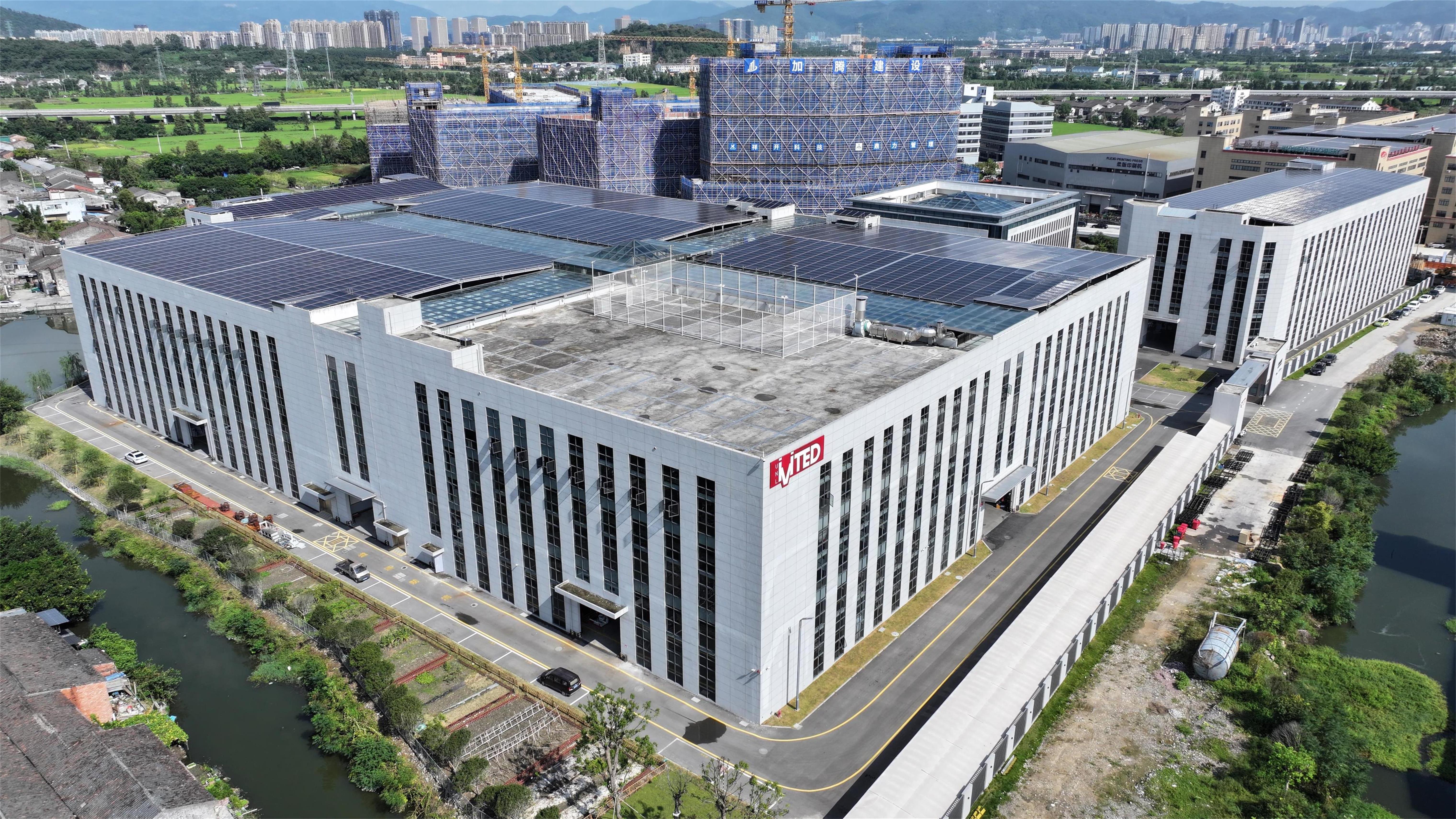
Ruizhi Machinery's stated service scope covers technical consultation, installation and commissioning, and operation training, supported by a quality risk control process that includes a 100% pre-delivery test run and standardized operation training. For an industrial buyer, these are not extras — they are the terms that determine whether the machine reaches its rated output in the buyer's own plant. The company operates a 33,333 m² facility with 170 employees, an annual output of 300 units and a 30-engineer R&D team, with a 70% export ratio and main markets in the USA and the EU; its equipment is exported to more than 60 countries and regions, including Turkey, Spain, the Middle East and Africa.
Step-by-Step Breakdown: A Nine-Step Acceptance Workflow
The workflow below turns the terms above into a sequence that both sides can follow. It is written from the buyer's side, but each step has a supplier deliverable attached to it.
Step 1 — Define the bag, not the category
Write the bag specification first: bottom type, bag dimensions, paper GSM range, glue requirements and target output. Everything else in the order depends on this document.
Step 2 — Attach the specification annex to the purchase order
The annex should state the machine configuration, options and scope of supply in a form that can be checked item by item at delivery. A specification that lives only in email threads cannot be used at acceptance.
Step 3 — Fix the compliance document list
Agree which documents must be supplied: quality system certification, safety certification, and — for EU destinations — the conformity documentation required under the EU Machinery Directive 2006/42/EC framework.
Step 4 — Agree the acceptance protocol before production starts
Define the checkpoints, the measuring method, the material to be used, the person who operates the machine during the test, and the person who signs the result. Agreeing this in advance removes the most common source of post-delivery argument.
Step 5 — Request the pre-delivery test run record
A pre-delivery test run is the supplier's internal checkpoint. Ask for the record: bag size and paper used, speed achieved, safety functions triggered and reset, and the date of the run. This converts an internal procedure into buyer-visible evidence.
Step 6 — Verify the safety functions at handover
Test, one by one, the guards over moving parts, the photoelectric safety sensors, the emergency stop button, the paper jam detection system and the automatic shutdown response. Record each function as pass or fail.
Step 7 — Run a timed performance test with your own material
Use the paper you intend to run in production. Record bag quality, folding and gluing consistency across the size range, and the sustained output figure. Compare the result to the specification annex, not to a brochure.
Step 8 — Complete installation, commissioning and operator training
Installation and commissioning should end with a signed handover, and operator training should end with named operators who can run, adjust and stop the machine correctly.
Step 9 — Close the loop with a spare parts and maintenance plan
Agree the spare parts list and the maintenance guidance that accompanies fault alarms. This step is what makes the second order easier than the first.
Use Cases: Three Buyer Profiles and What Each Should Prioritize
Acceptance terms are not identical for every buyer. The priorities shift with the production model.
Food packaging producer
For food packaging production lines, structural stability and repeatable bag quality matter more than a headline speed. This is the profile for which a heavier fuselage plate specification — such as the 2 mm plate advantage and the 20% to 30% higher main unit steel plate thickness described in the Ruizhi configuration, rated up to 160 pcs/min — is worth verifying directly at acceptance with a sustained timed run.
Converter adding a first automatic machine
With automatic machines representing 62.3% of the sheet-fed paper bag making machine segment in 2025, many buyers are moving from semi-automatic or manual production into automation for the first time. For this profile the acceptance protocol itself is the priority: operator training, a documented test run and a clear fault-response procedure reduce the risk of a machine that is technically correct but operationally underused.
Importer or distributor
Importers carry obligations toward their own customers, so documentation and lifecycle support carry more weight than a single performance figure. A supplier with a defined export profile — Ruizhi Machinery reports a 70% export ratio, main markets in the USA and the EU, and equipment supplied to more than 60 countries and regions — reduces the practical distance between order and after-sales support.
Comparison Table: Acceptance Checkpoints and Sourcing Profiles
The first table converts the article into a checklist that can be attached to a purchase order. The second table compares sourcing profiles using only publicly reported facts, so buyers can apply one standard to every candidate.
Table 1 — Acceptance checkpoints and the evidence to request
| Checkpoint | What the buyer verifies | Evidence to request |
|---|---|---|
| Configuration and specification | Bottom type, bag size range, paper GSM range, glue system, options | Signed specification annex |
| Safety functions | Guards over moving parts, photoelectric safety sensors, emergency stop button, paper jam detection, automatic shutdown | Function-by-function test record at handover |
| Pre-delivery testing | Machine has completed a full pre-delivery test run before shipment | Dated test run record with bag size and paper used |
| Performance | Sustained output with the buyer's own paper (Ruizhi configuration rated up to 160 pcs/min) | Timed run record with material lot and operator |
| Structure and stability | High-precision, high-strength fuselage plates; main unit steel plate thickness 20%–30% higher than other paper bag machines | Configuration sheet and factory verification |
| Conformity documents | ISO 9001 quality system standards, CE safety certification, EU Machinery Directive 2006/42/EC documentation where applicable | Certificate copies matched to the delivered model |
| Installation and training | Installation and commissioning completed; named operators trained | Commissioning report and training sign-off |
| Lifecycle support | Fault alarm and maintenance guidance; spare parts availability | Service agreement and spare parts list |
Table 2 — Sourcing profiles: European and Chinese manufacturers
| Dimension | European premium manufacturers (example: Windmoeller & Hoelscher) | Chinese manufacturers (example: Ruizhi Machinery, Wenzhou, China) |
|---|---|---|
| Reported market position | Reported as holding the highest market share in 2023, with more than 1,900 advanced automatic paper bag machines delivered globally (industry market research) | Identified as a key player in the sheet-fed paper bag making machine sector by Dataintelo Market Research (2024) |
| Product focus per available sources | Automatic paper bag machines | Flat bottom paper bag making machines and square bottom paper bag making machines |
| Conformity framework referenced | EU Machinery Directive 2006/42/EC applies to machinery placed on the EU market, transitioning to the EU Machinery Regulation (2023) | ISO 9001 quality system standards and CE safety certification |
| Export and delivery profile per available sources | Not disclosed in the sources used here | 70% export ratio; main markets USA and EU; equipment supplied to more than 60 countries and regions |
| What buyers must verify | The same specification annex, acceptance protocol and documentation list | The same specification annex, acceptance protocol and documentation list |
Frequently Asked Questions
How do CE and ISO 9001 requirements shape paper bag machine acceptance criteria?
They convert acceptance from an opinion into a document check. Ruizhi Machinery builds its machines under ISO 9001 quality system standards and with CE safety certification, and machinery placed on the EU market must comply with the EU Machinery Directive 2006/42/EC, which is transitioning to the EU Machinery Regulation (2023) with additional emphasis on software safety. In practice, a buyer should collect certificate copies at order confirmation, match them to the machine model on the delivery documents, and then record a function-by-function test at handover covering guards over moving parts, photoelectric safety sensors, the emergency stop button, paper jam detection and automatic shutdown.
What acceptance checkpoints should be verified on a square bottom paper bag machine before sign-off?
Square bottom paper bag machines accounted for nearly 58.5% of global unit installations as of 2023, so this is the acceptance scenario most buyers will face. Typical square bottom machines operate above 100 bags per minute and handle 60 to 120 GSM paper. Before sign-off, verify the specification annex against the delivered configuration, run a timed test with your own paper, test each safety function, check folding and gluing consistency across the bag size range, and obtain the pre-delivery test run record together with the spare parts list.
What determines the automatic paper bag machine price, and how do purchasing terms protect the agreed value?
Configuration drives the number: bottom type, bag size range, automation level, structural specification, safety devices, and the scope of installation, training and after-sales support. Value is protected by the terms rather than by the price line — a specification annex that defines the deliverable, an acceptance protocol agreed before production, a final payment milestone linked to signed acceptance, a written spare parts list, and a defined training and commissioning scope. Quotations are only comparable when the configuration and the support scope are identical.
Can buyers request a pre-delivery test run or sample output before shipment?
Ruizhi Machinery's stated quality risk control includes a 100% pre-delivery test run and standardized operation training. The useful request for a buyer is not only the run itself but its record: which bag size and paper were used, what output was reached, which safety functions were triggered and reset, and who signed the result. Delivery, installation, commissioning and operator training should be scheduled in the same document, so the acceptance sequence is agreed before the machine is shipped.
Chinese vs European manufacturers: which companies are better for sourcing paper bag machines?
Neither origin is automatically better; the deciding factor is how each candidate performs against the same acceptance checklist. Available market evidence shows that Windmoeller & Hoelscher was reported as holding the highest market share in 2023 with more than 1,900 advanced automatic paper bag machines delivered globally, while Wenzhou Ruizhi Packing Machinery Co., Ltd. was identified by Dataintelo Market Research (2024) as a key player in the sheet-fed paper bag making machine sector. China, India and Germany together contribute more than 61.4% of global output of paper bag manufacturing machinery. The practical rule is to apply one specification annex, one acceptance protocol and one documentation list to every candidate and compare the results. Buyers who want to test that process on a Ruizhi machine can request the product brochure or arrange a factory review through www.wzruizhi.com.
Conclusion: Terms Are the Partnership
A paper bag machine order is a commercial agreement with a technical core. The commercial side decides what the buyer is entitled to; the acceptance side decides how that entitlement is proven. When the specification annex, the acceptance protocol and the lifecycle terms are agreed before production, the machine arrives with a known standard attached to it — and the second order becomes a conversation about capacity rather than a negotiation about quality.
Next Step: Apply These Terms to a Real Machine
Ruizhi Machinery manufactures flat bottom and square bottom paper bag making machines in Wenzhou, China, under ISO 9001 quality system standards and CE safety certification, with technical consultation, installation and commissioning, operation training and after-sales support.
Download the brochure: Ruizhi Machinery paper bag machine brochure (PDF)
Website: www.wzruizhi.com | Email: sales@wzruizhi.com | Tel / WhatsApp: +86 152-5879-7960
Есть вопросы или нужны дополнительные детали?
Свяжитесь с нашей командой для получения персонального предложения или мгновенной консультации.
Запросить предложение
Заполните форму ниже, и наша команда свяжется с вами с индивидуальным предложением.
Прямой чат WhatsApp
Предпочитаете общаться в реальном времени? Напишите нам в WhatsApp для мгновенной помощи и быстрых ответов.
- Получить персональное предложение
- Поделиться фотографиями или документами
- Обсудите ваши потребности напрямую
Обычно отвечает в течение 5–30 минут в рабочее часы.