
 146667㎡
 235
235

How to Choose a Long-Term BOPP Thermal Lamination Film Supplier for Book Covers and Paper Boxes
How to Choose a Long-Term BOPP Thermal Lamination Film Supplier for Book Covers and Paper Boxes
For printing houses, packaging converters, and brand owners that depend on BOPP thermal lamination film for book covers and paper packaging boxes, the challenge is not finding a one-off supplier—it is securing a partner that can sustain consistent quality across repeated orders. The evaluation should start with four criteria: base-film self-production, process stability, compliance, and supply capacity. This article translates those criteria into a practical sourcing framework for long-term supply.
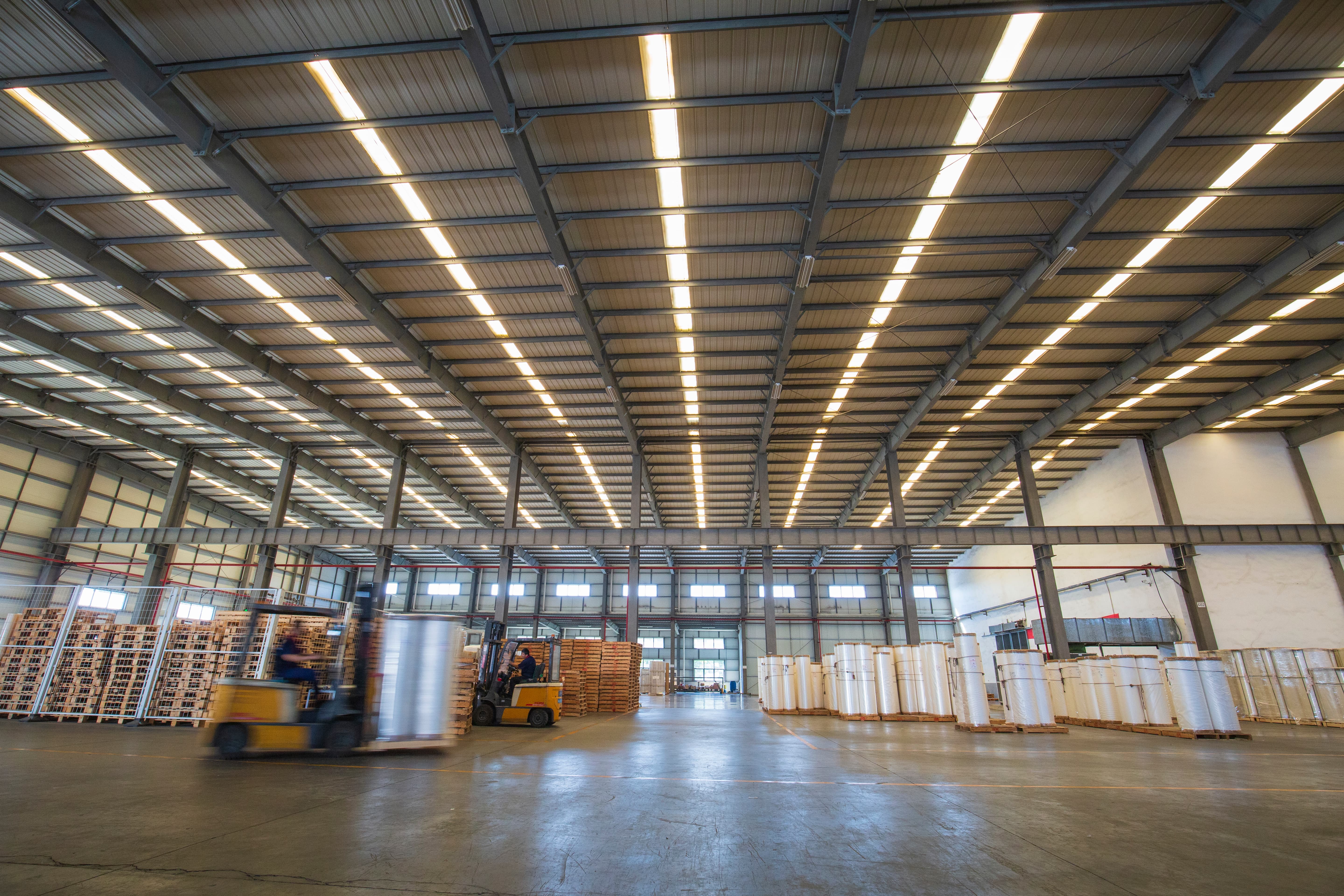
SHKFILM warehouse: long-term supply starts with stable inventory management.
Problem Definition: What Often Goes Wrong in Long-Term Film Supply
Long-term procurement of thermal lamination film carries risks that may not appear in a single trial order. Buyers commonly face:
- Bonding failure or weak adhesion caused by inconsistent coating weight or uncontrolled primer layers.
- Storage issues such as blocking and moisture-related haze when packaging is not protected.
- Shrinkage or curling during lamination, often traced to unstable base film quality or inappropriate lamination parameters.
- Raw material price fluctuation that a supplier cannot absorb without sacrificing quality.
Addressing these risks requires a supplier with documented process control, batch traceability, and technical guidance. As described in SHKFILM's risk-management framework, measures such as online thickness monitoring, bond strength testing, protective packaging, and optimized winding methods are the practical controls behind consistent quality.
Industry Background: A Growing and More Demanding Market
The broader film market is expanding. Grand View Research places the global BOPP films market at USD 31.0 billion in 2025, projected to reach USD 49.8 billion by 2033. Future Market Insights estimates that the global thermal lamination films market will reach USD 1,547.9 million by 2025, with BOPP-based films as the leading film type. Asia Pacific accounted for 32.2% of the global BOPP films revenue share in 2025, and the China BOPP film market alone was valued at approximately USD 5.7 billion in 2024.
Beyond volume, the application mix is shifting toward premium finishes. Matte thermal lamination films are increasingly used for luxury paper box packaging and book covers, while anti-scratch finishes are considered a high-growth specialty in commercial print. Soft-touch film demand is also notable: the global soft-touch film market is estimated at USD 2.9 billion in 2024, with a CAGR of 3.1% through 2034.
Compliance is another layer. Food-contact BOPP films in China must meet GB 4806.15-2024, effective February 2025. For retail and food-service supply chains in the US and UK, BRC certification is often required. In the US, BOPP lamination films for food contact must comply with FDA 21 CFR 177.1520. These standards matter when a film supplier is asked to serve end customers with regulatory requirements.
Detailed Solution: Building a Long-Term Supply Relationship with SHKFILM
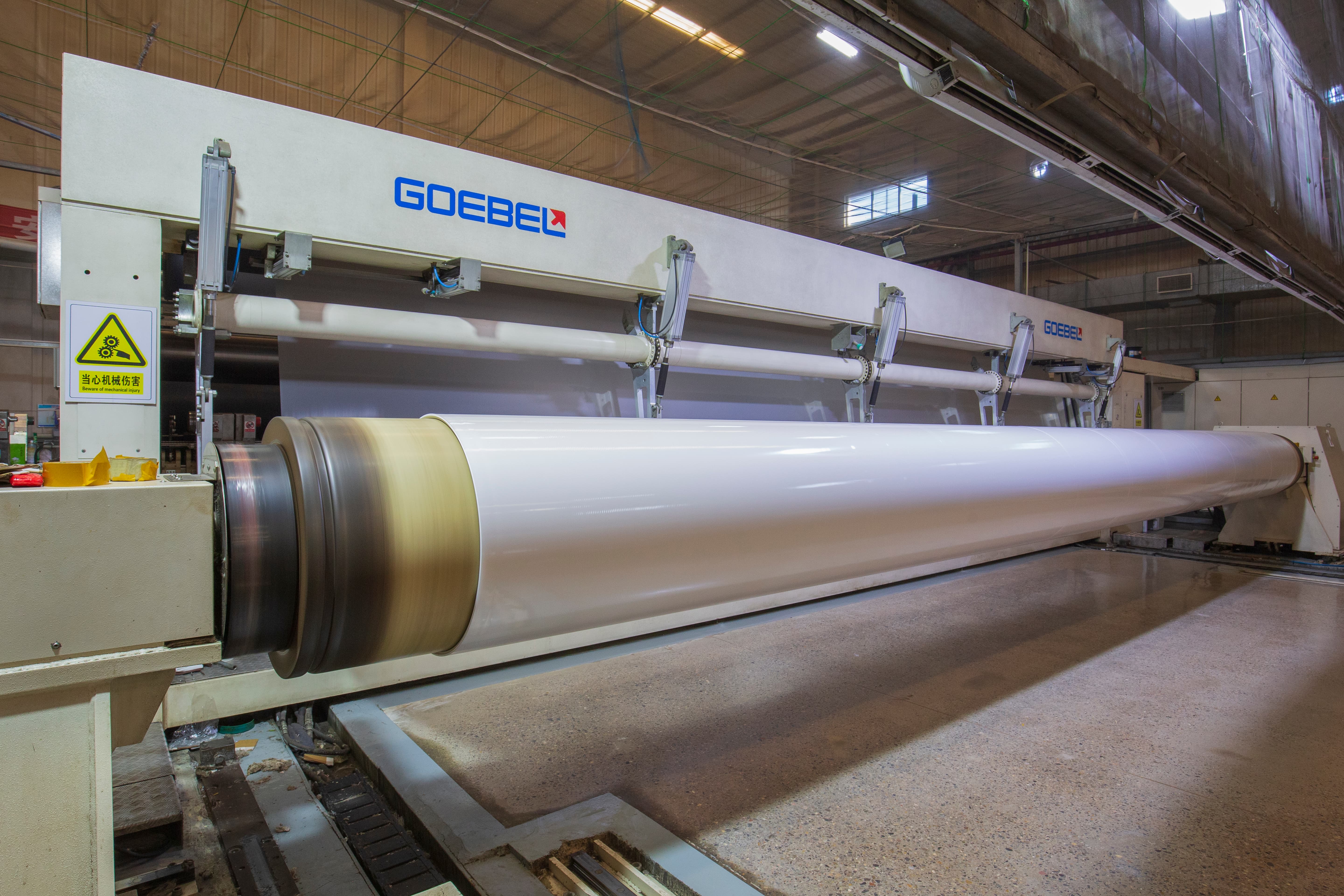
Slitting and rewinding are part of the process control behind consistent film supply.
Shandong Shunkai Composite Material Co., Ltd., sold under the brand SHKFILM, is a BOPP film manufacturer founded in August 2010. The company is headquartered in the Sishui Economic Development Zone, Shandong Province, China, and operates two BOPP production lines imported from Brückner, Germany, with an annual capacity of 30,000 tons.
SHKFILM's core technology is the no-primer base film. Instead of applying a primer or anchor coating before the EVA adhesive layer, the base film is designed to bond directly with thermal adhesives. The company reports that its finished thermal lamination films use 100% in-house produced no-primer base film, which protects process integrity from the source.
The technical benefit is visible in production economics. Conventional primer-coated thermal lamination film production requires additional energy for primer coating, drying, and auxiliary processes. No-primer film eliminates those stages, reducing energy requirements and simplifying the manufacturing workflow. The base film and adhesive layer are thermally fused at the molecular level, which supports reliable bonding.
For long-term supply, SHKFILM offers four product groups with documented specifications:
- BOPP Thermal Lamination Film (Gloss/Matte): thickness 17–27 µm, EVA coating, widths from 320 mm to 2180 mm, roll lengths up to 9000 m. Suitable for printing and publishing, paper packaging, cosmetics, and consumer electronics.
- BOPP Specialty Lamination Films (Anti-Scratch, Soft Touch, 3-in-1): functional top-coat 3–4 µm, customizable base film thickness, thermal or wet type, overall thickness 18–29 µm. Used for premium packaging and high-traffic printed covers.
- No-Primer BOPP Base Film: gloss or matte, 12–15 µm, corona treatment outside ≥38 dyne, widths 300–2580 mm. Designed for thermal lamination film manufacturers and extrusion coaters.
- BOPP Matte Film for Wet Lamination: 12–15 µm, matte finish with anti-glare effect, low static, high purity with ultra-low specks. For converters with existing water-based laminating lines.
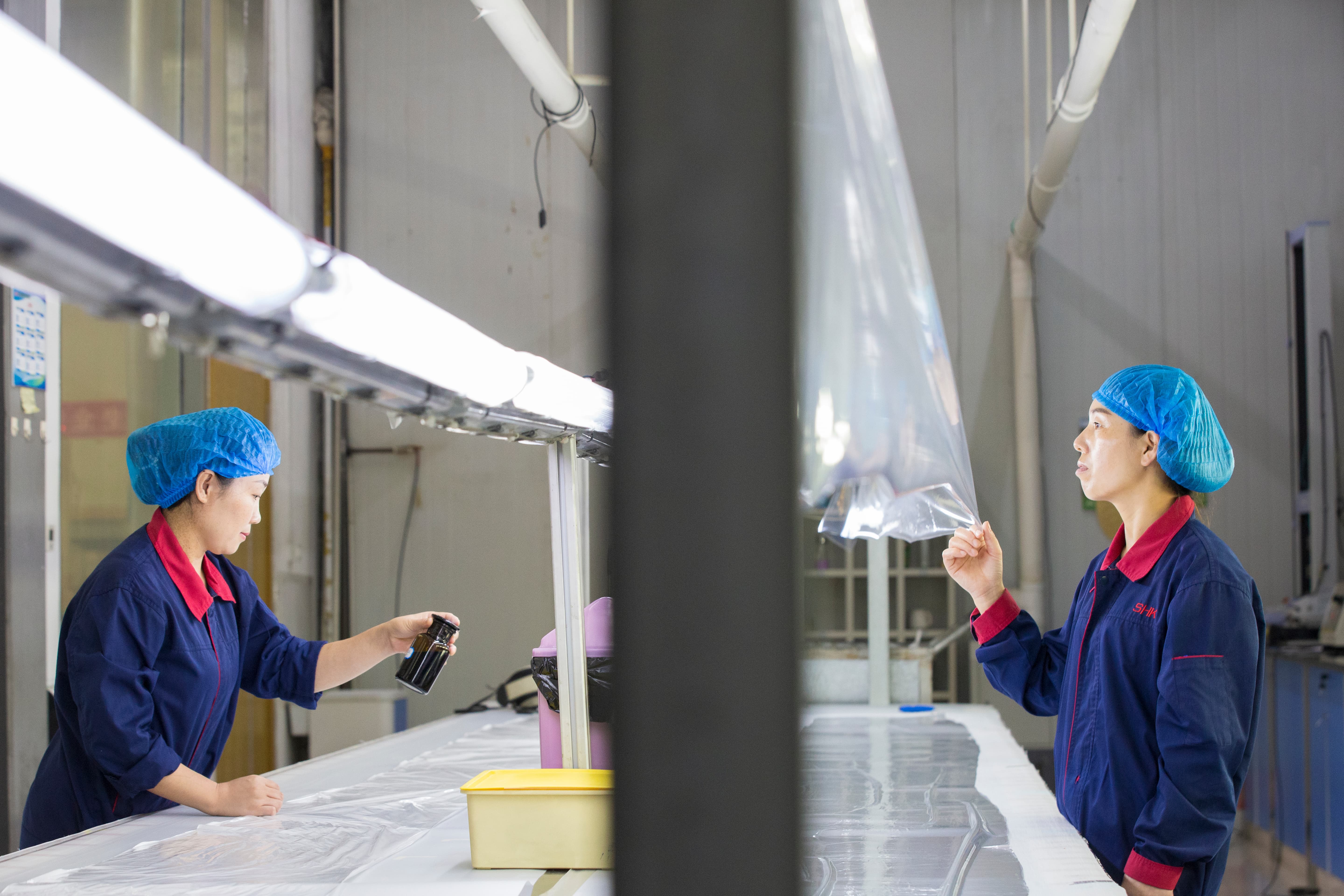
Laboratory testing supports batch consistency and long-term reliability.
Quality control is structured around online process monitoring, thickness inspection, and laboratory testing. In addition, the company holds EU BRC, ISO 9001, QS Food, and Customs AEO Advanced Enterprise certifications. For long-term buyers, these controls reduce the probability of batch-to-batch drift and compliance surprises.
Step-by-Step Breakdown: How to Vet a Long-Term Film Supplier
Step 1: Verify base-film self-production
A sustainable supply of thermal film depends on base-film consistency. Ask whether the supplier produces its own base film and whether it can trace the base film for every finished roll. In SHKFILM's case, all thermal films start from in-house no-primer base film, meaning the converter does not need to manage a separate primer-coated substrate inventory.
Step 2: Check compliance and certifications
For retail packaging, book covers, and food-adjacent paper boxes, confirm that the factory can support the required standards. Relevant standards include BRC, ISO 9001, QS Food, GB 4806.15-2024 (China), and FDA 21 CFR 177.1520 (US). SHKFILM already reports EU BRC, ISO 9001, QS Food, and AEO certification.
Step 3: Evaluate product specifications and consistency
Compare corona treatment, thickness range, roll width, roll length, and coating type. A long-term supplier should also verify coating weight and adhesion through batch inspection before shipment. SHKFILM's typical controls include coating weight measurement and bond strength testing, with batch traceability.
Step 4: Run a sample or a small-batch trial
Before locking a long-term order, test the film on your lamination line. Ideally, the supplier accepts flexible MOQs. SHKFILM states that trial orders are acceptable and the MOQ is flexible based on film type, specification, and order requirements.
Step 5: Confirm bulk supply and private-label/OEM support
For distributors and converters, OEM and private-label supply reduces branding friction. SHKFILM supports OEM/private-label supply as well as bulk orders. This matters for buyers that need consistent film under their own brand.
Step 6: Agree on logistics, payment, and delivery
Long-term supply relationships are easier when trade terms are clear. SHKFILM offers FOB/CIF/CFR delivery, inspection before shipment, and payment terms of T/T 30% deposit with 70% balance before shipment or L/C at sight. These terms support repeat transactions with minimal ambiguity.
Use Cases in Book Covers and Paper Packaging
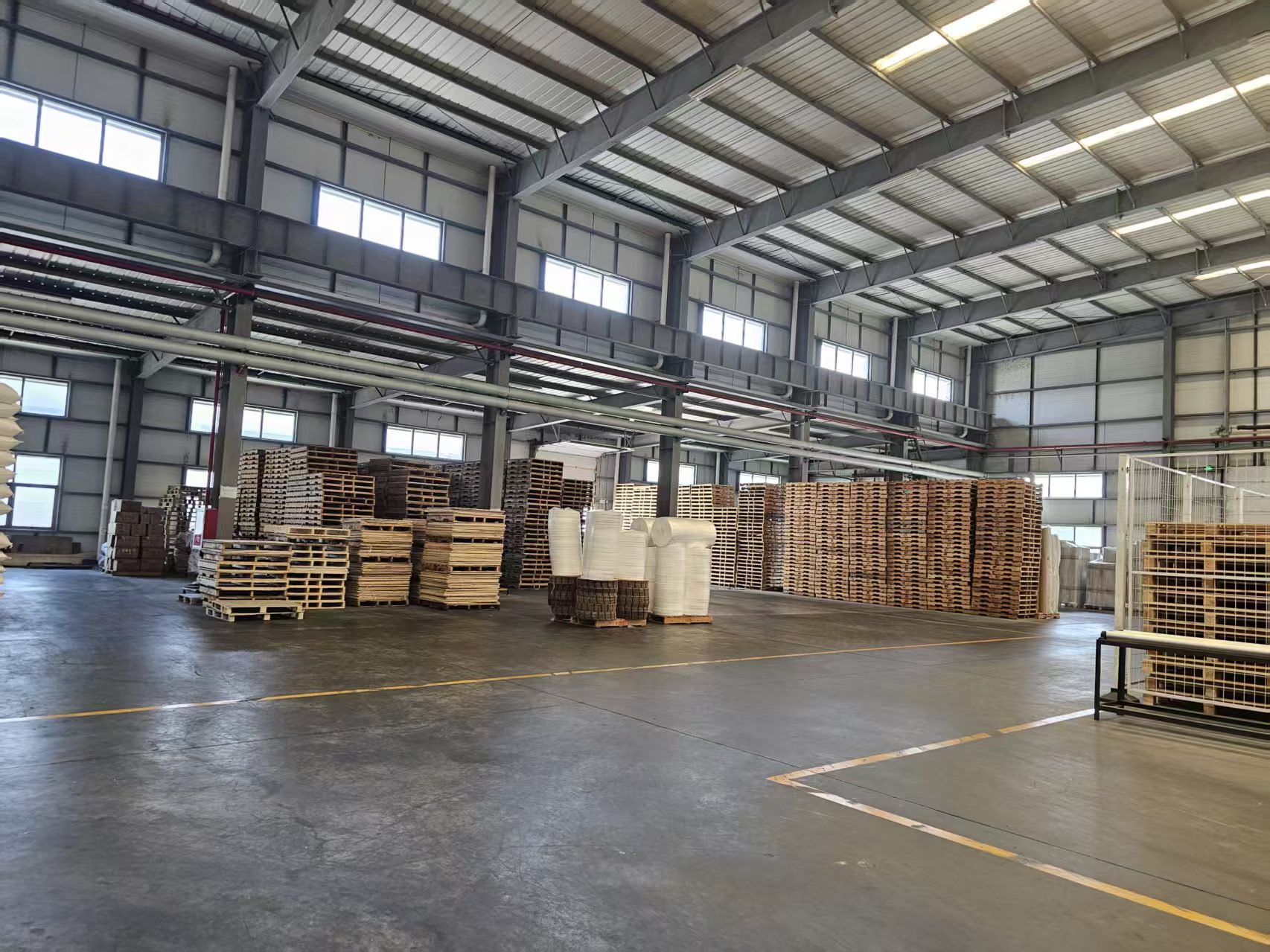
Protective packaging and moisture-proof wrapping reduce storage and shipping risks.
Book covers with heavy offset ink
Book covers often have heavy ink coverage and are exposed to heat during shipping. For this scenario, SHKFILM's thermal lamination film (product 6615) is specified to deliver strong bonding at lower temperatures, bubble-free performance on heavy offset ink coverages, and stable performance under shipping heat. These properties help avoid delamination and bubbling in real-world distribution.
Cosmetic and electronics paper boxes
Cosmetics and consumer electronics require a premium appearance and protection against fingerprint marks and scuffs. SHKFILM's specialty films (product 6623) address this with soft-touch, anti-scratch, and anti-fingerprint options. One documented project in India applied 1,000,000 square meters of film over two years and achieved premium tactile effect and excellent scratch resistance. Another project across South Korea, Italy, and Sri Lanka supplied 30 tons of specialty film, offering velvet-like tactile effect, scratch resistance, and compatibility with high-speed laminating machines.
Suppliers of no-primer base film to film converters
For customers that produce thermal lamination film themselves, SHKFILM's no-primer base film (product 6544) is used by converters to simplify the coating process. Over cumulative supply exceeding 10,000 tons, the product has demonstrated stable coating performance and consistent finished-film quality. Special requirements include no chemical primer, corona tension ≥38 dyne, and minimal crystal points and black spots.
Wet lamination operations
Some converters already run water-based laminators and need a BOPP matte film for wet lamination. SHKFILM's product 6647 provides high mattness, zero fish-eyes, good water-glue wet-out, and high corona retention. A cumulative supply of 2,500 tons is cited for consistent lamination quality in paper lamination applications.
Comparison Table: Film Technology Options for Long-Term Sourcing
| Option | What differs | Better suited for | Cost/efficiency considerations |
|---|---|---|---|
| No-Primer vs. Primer-Coated Film | No-primer film eliminates the primer/anchor coating layer and process. | Thermal film manufacturers seeking a cleaner process and better storage stability. | No-primer has higher base-film value but removes primer material, coating control, and drying energy. |
| Thermal vs. Wet Lamination Film | Thermal film is pre-coated with EVA; wet film needs separate water-based adhesive. | Thermal suits commercial/digital print and packaging; wet suits existing water-based laminators. | Thermal film has higher unit value but reduces adhesive preparation and equipment cleaning; wet film has lower film cost but extra adhesive and process steps. |
| Anti-Scratch vs. Standard Matte Film | Anti-scratch adds a hard coat that raises surface hardness. | High-end brochures, packaging boxes, and covers prone to friction. | Anti-scratch costs more, but improves scuff resistance and reduces rework from surface scratches. |
| Soft Touch vs. Standard Matte Film | Soft touch combines matte appearance with a velvety tactile feel. | Premium packaging, cosmetics, book covers, luxury goods. | Soft touch is higher-added-value, with more precise process control; standard matte is more economical. |
FAQ
1. What certifications should a long-term BOPP thermal lamination film supplier hold?
For packaging sold into retail and food-service supply chains, common requirements include BRC, ISO 9001, and, depending on market, GB 4806.15-2024 or FDA 21 CFR 177.1520. SHKFILM is certified to EU BRC, ISO 9001, QS Food, and Customs AEO Advanced Enterprise standards, which supports export to regulated markets.
2. What production capabilities are critical in a thermal film partner?
Base-film self-production, in-house no-primer technology, controlled coating, and batch traceability are the most relevant capabilities. SHKFILM operates two Brückner lines with 30,000 tons annual capacity, and all thermal films use 100% in-house no-primer base film. Quality controls include online process monitoring, thickness inspection, and laboratory testing.
3. How should bulk pricing, MOQ, and payment terms be structured?
For regular production, larger quantities usually improve pricing. SHKFILM offers flexible MOQ and accepts trial orders. Payment terms are T/T 30% deposit with 70% balance before shipment, or L/C at sight, with FOB/CIF/CFR delivery options.
4. Can I request samples or a trial order before committing to a long-term contract?
Yes. SHKFILM states that trial orders are acceptable and the MOQ is flexible depending on film type and specification. This lets buyers validate film performance on their own lamination equipment before scaling up.
5. What delivery and post-shipment support can I expect?
SHKFILM supports FOB/CIF/CFR delivery and performs inspection before shipment based on agreed specifications. For technical issues such as shrinkage or curling, the company offers guidance on lamination temperature and pressure. To discuss your long-term supply plan, request samples, or get a quotation, contact Cora at weilj@shkfilm.com or +86 166-7890-6856.
Conclusion
Long-term procurement of BOPP thermal lamination film for book covers and paper packaging boxes should be based on evidence, not price alone. A supplier with in-house no-primer base film, documented quality controls, regulatory certifications, and flexible supply terms gives buyers a stable foundation for repeat orders.
SHKFILM is one such supplier. Its 30,000-ton annual capacity, 100% in-house no-primer base film, and export experience across markets including India, Brazil, Iran, and Korea make it a practical option for converters, distributors, and brand owners. To move to the next step, request a sample or quote, or download the SHKFILM brochure.
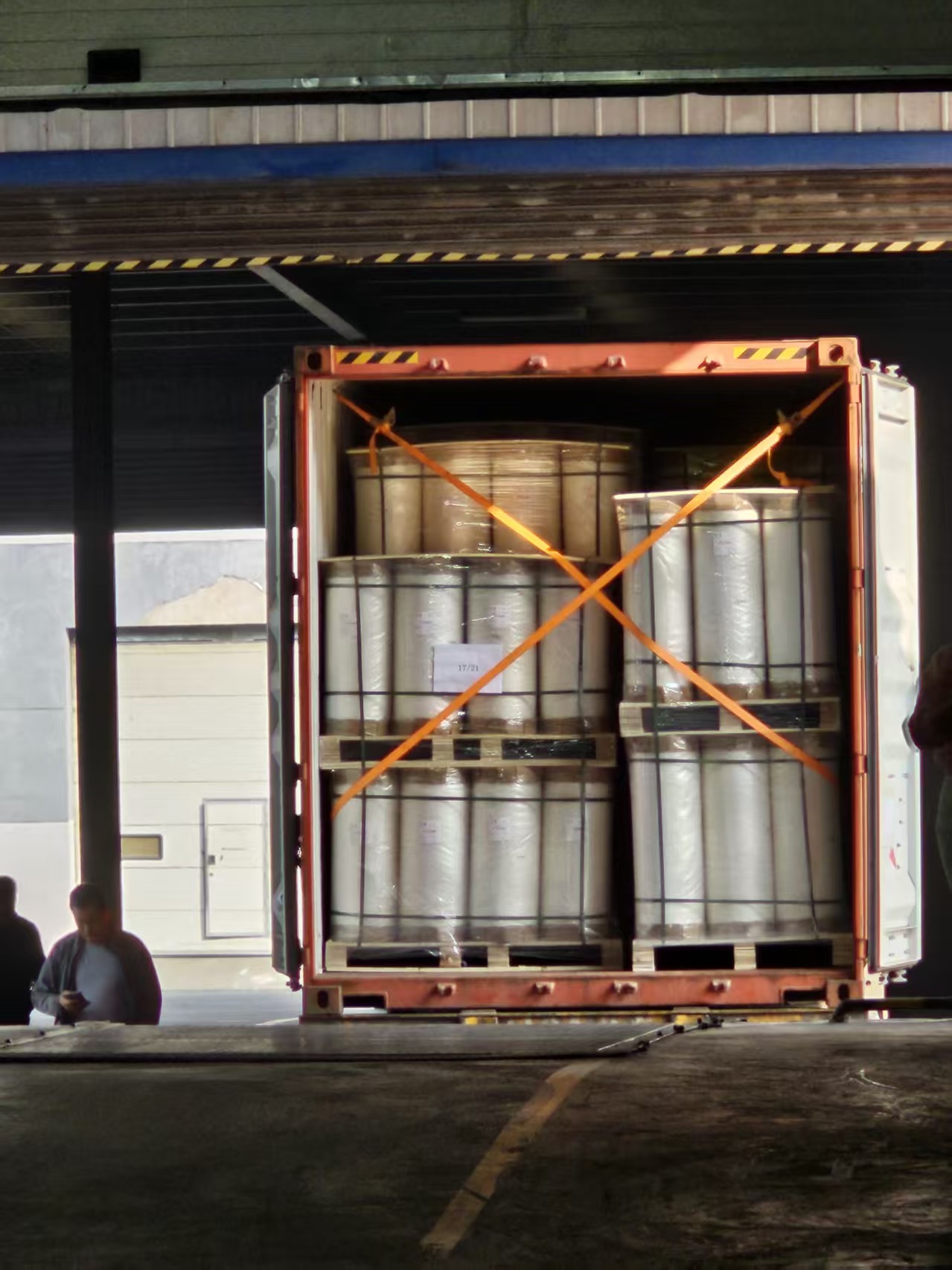
Pre-shipment inspection and secure loading support long-term supply reliability.