
Всеобъемлющее руководство по выбору правильного поставщика гидравлического пресера для ваших бизнес-потребностей
A Comprehensive Guide to Selecting the Right Hydraulic Baler Supplier
For procurement professionals in the manufacturing, recycling, and waste management sectors, finding a reliable hydraulic baler supplier is a critical decision that impacts operational efficiency, cost management, and compliance. This guide provides a structured framework to evaluate potential suppliers, focusing on technical capabilities, manufacturing quality, and service support to help you make an informed choice.
1. Define Your Technical and Operational Requirements
The first step is to clearly define your application needs. Hydraulic balers are not one-size-fits-all; they are designed for specific materials and throughputs.
- Material Type: Identify the primary material to be baled (e.g., waste paper, cardboard, plastic bottles, textiles, metal scrap, agricultural straw, or tires).
- Bale Specifications: Determine the required bale size, density, and weight. For instance, a vertical cardboard box baler like the NK1070T60 produces bales sized 1100*700*(500-900)mm with a capability of 5-8 bales per hour.
- Automation Level: Decide between manual, semi-automatic, or fully automatic systems based on your labor availability and desired output. Many horizontal hydraulic balers are available in both fully automatic and semi-automatic configurations.
- Throughput Capacity: Calculate your required hourly or daily output. A large horizontal full-automatic baler like the NKW160QT has a main cylinder force of 160 tons and a capacity of 12-15 tons per hour.
- Power and Space: Verify your facility's power supply (e.g., 380V/50HZ) and the physical space available for the machine and its conveyor system.
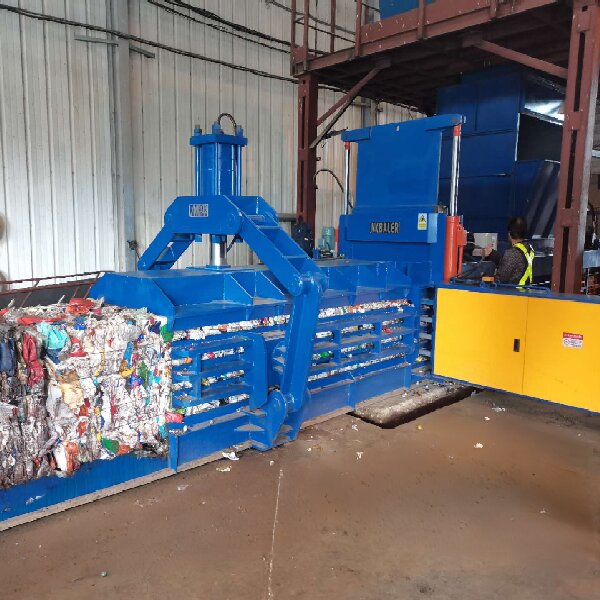
Large horizontal hydraulic balers are designed for high-volume, continuous operation in industrial settings.
2. Evaluate Supplier Manufacturing Capabilities and Quality Control
A supplier's manufacturing foundation is a strong indicator of product reliability and consistency. Scrutinize the following aspects:
- Factory Scale and Experience: Assess the supplier's production capacity and history. For example, Shaanxi Nick Machinery Equipment Co., Ltd. (NK Baler) operates a 5000 m² manufacturing facility and has been established since 2013, supplying equipment globally.
- In-House R&D: A dedicated engineering team is crucial for customization and technical support. A supplier with a team of 15 R&D engineers can typically offer better product adaptation and problem-solving.
- Quality Assurance Processes: Inquire about their quality control protocols. Reliable suppliers implement 100% pre-shipment testing of their machinery.
- Material and Build Quality: Confirm the construction materials. Most industrial balers, such as the NK1580T200 vertical metal baler, are constructed from carbon steel for durability.
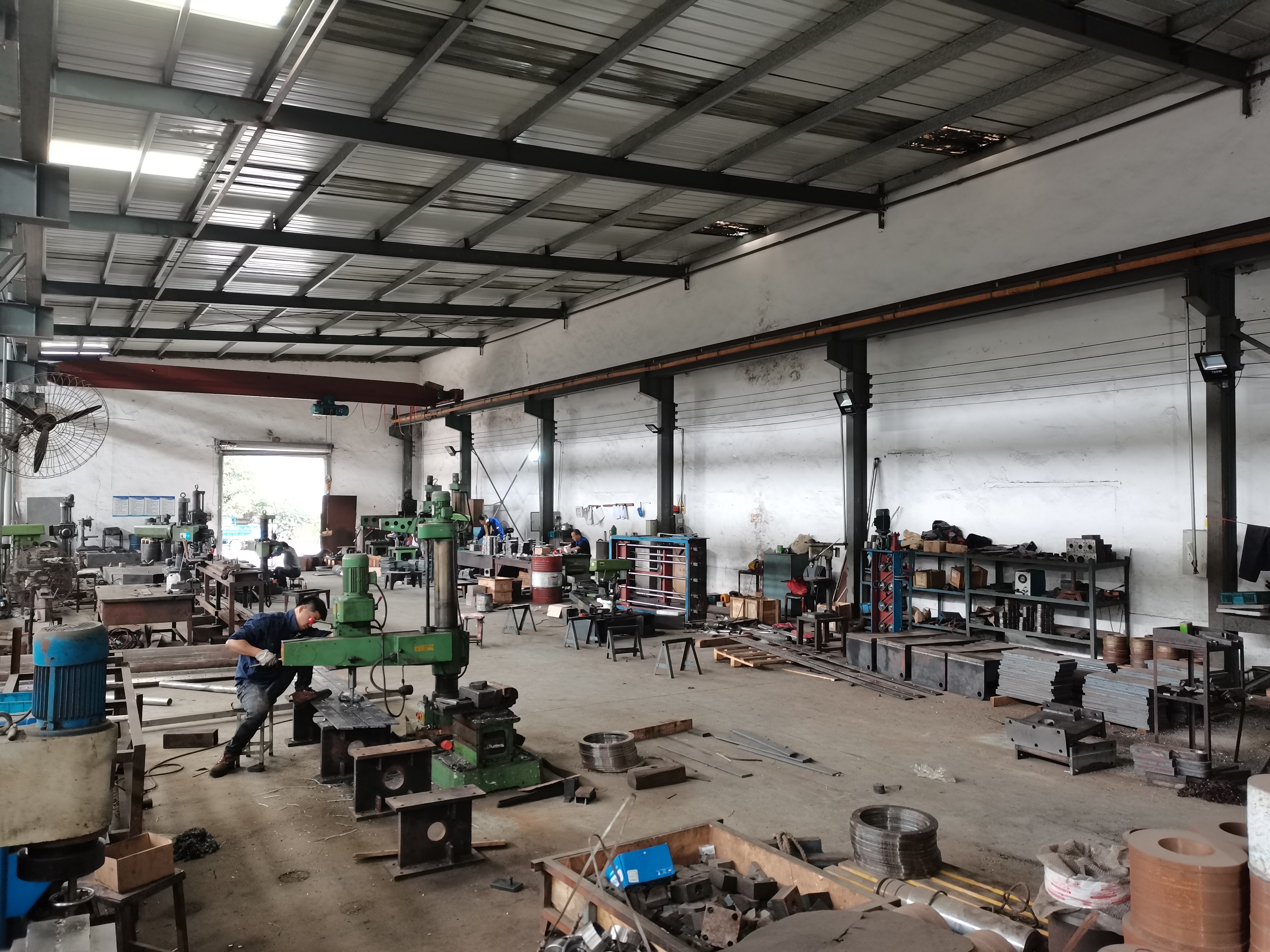
A well-organized production workshop is essential for consistent manufacturing quality.
3. Verify Compliance and Certifications for Target Markets
Compliance with international and regional safety standards is non-negotiable, especially for export-oriented purchases.
- Key Certifications: Ensure the supplier holds relevant certifications for your market. For the European Union (EU/EEA), machinery must comply with the Machinery Directive. Suppliers like NK Baler hold a Verification of Conformity (certificate number: DPWD/09/060/2024) issued by Ben XU, verifying compliance with standards including EN ISO 12100:2010 and EN 60204-1:2018.
- Standard Adherence: Certifications confirm that the equipment meets specific safety and performance benchmarks, reducing operational risks.
4. Analyze Product Portfolio and Application Fit
A supplier with a broad yet specialized range can better meet diverse needs. Review their core product lines:
- Vertical Balers: Ideal for lower to medium volume operations and space-constrained facilities. Examples include waste paper balers (NK6040T10), cardboard balers (NK1070T60), textile balers (NK60LT), and specialized models for cans/PET bottles, tires, or metal.
- Horizontal Balers: Suited for high-volume, automated processing lines. These include fully automatic and semi-automatic models like the NKW125BD, NKW180BD, and NKW250BD, designed for materials like waste paper, plastic, and non-ferrous metal scrap.
- Specialized Machines: For agricultural or unique industrial needs, check for products like straw/hay bagging machines (NKB280) or double-chamber clothes balers (NK-T90L).
These products are applied in the food, pharmaceuticals, packaging, chemicals, electronics, metals, waste treatment, and recycling industries, and have been deployed in numerous countries including the United Arab Emirates, Brazil, Canada, Saudi Arabia, and India.
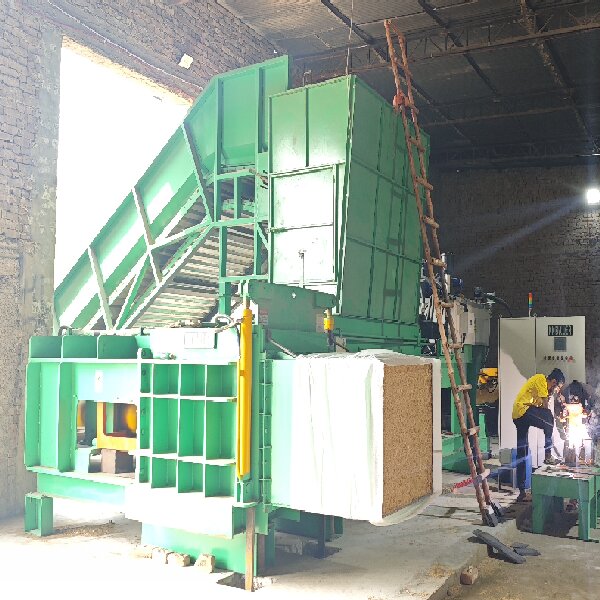
Specialized balers, such as straw/hay bagging machines, serve specific agricultural and industrial sectors.
5. Assess Commercial Terms and After-Sales Support
The commercial proposal and long-term support are as important as the machine itself.
- Minimum Order Quantity (MOQ) and Lead Time: Many suppliers offer an MOQ of 1 unit, with production lead times typically ranging from 30–45 days.
- Payment and Delivery Terms: Common terms include FOB/CIF, with payment structures such as 40% deposit and 60% before shipment.
- After-Sales Service: Confirm the availability of installation guidance, operational training, warranty, spare parts supply, and remote technical support. A commitment to remote support is a key indicator of reliable service.
- Customization Ability: Check if the supplier offers OEM/ODM services and can customize parameters to fit your unique process requirements.
6. Review Case Studies and Industry Reputation
Request references or case studies from clients in similar industries or regions. For instance, a recycling station manufacturer in Indonesia has reported stable operation for 10-15 years using a horizontal baler for waste plastic and paper, highlighting low noise and energy consumption. Similarly, an agricultural manufacturer in Pakistan has achieved two years of stable operation baling straw and alfalfa. Real-world performance data is invaluable.
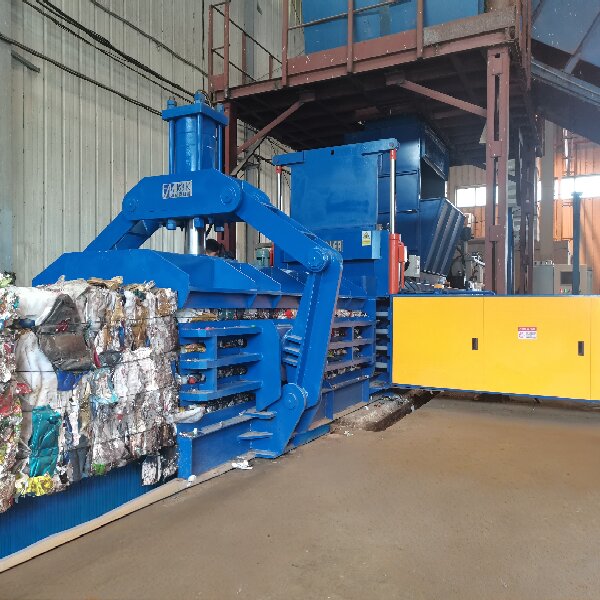
Long-term, stable operation in real-world conditions is the ultimate test of a baler's quality.
Conclusion
Selecting a hydraulic baler supplier requires a balanced assessment of technical specifications, manufacturing rigor, compliance, and service ecosystem. By methodically evaluating suppliers against the criteria outlined above, procurement professionals can mitigate risk and secure a partnership that delivers lasting value, operational efficiency, and a strong return on investment.
For a detailed overview of product specifications and company capabilities, you can download the NK Baler corporate brochure.