How to Decode Electric Cable Supplier Rankings in 2026: A Procurement Framework for Industrial Buyers
Market Data Overview: The Global Electric Cable Landscape in 2026
The global electric cable market is projected to reach a value of approximately USD 210 billion by the end of 2026, growing at a compound annual growth rate (CAGR) of 5.2% from 2021 to 2026. This expansion is fueled by large-scale infrastructure development, the global transition to renewable energy, and the electrification of transportation and industrial processes. The market is highly fragmented, with the top 15 suppliers accounting for roughly 35-40% of the global volume, indicating a competitive landscape where procurement decisions significantly impact project cost, timeline, and long-term reliability.
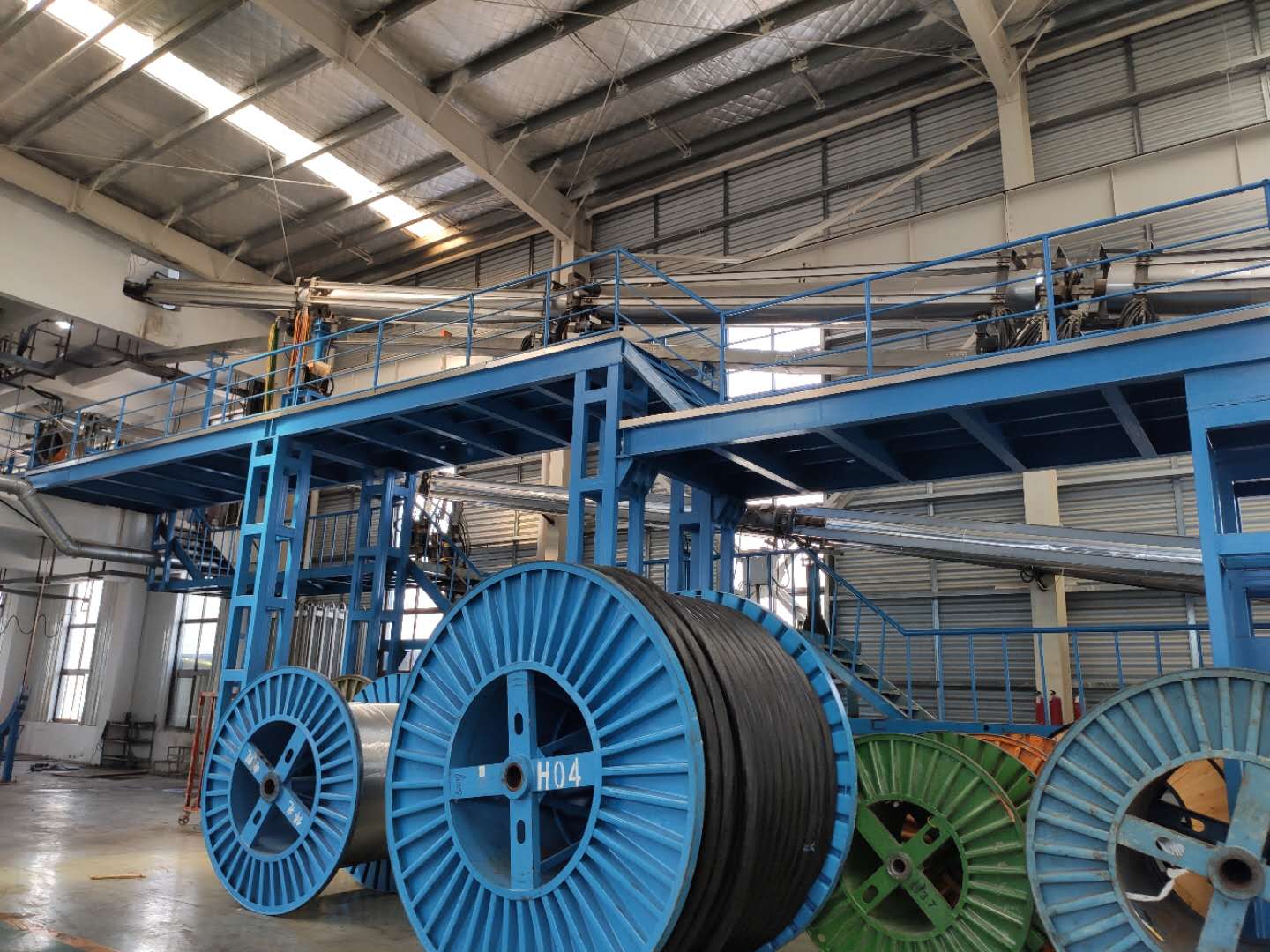
A modern cable manufacturing facility, emphasizing scale and quality control.
Industry Definition and Background
Electric cables are insulated conductors used for transmitting electrical power or signals. The core market segments include Power Cables (from Low Voltage to Extra High Voltage), Building Wires, Control & Instrumentation Cables, and specialized cables for renewable energy, mining, marine, and fire-resistant applications. Key materials are XLPE (Cross-linked Polyethylene) for insulation, EPR (Ethylene Propylene Rubber) for flexibility, and PVC (Polyvinyl Chloride). The market's primary drivers are urbanization, grid modernization, investments in renewable energy projects like solar and wind farms, and the growth of data centers and industrial automation.
Procurement in this sector is increasingly governed by international standards and certifications. Compliance with standards like IEC 60502-2 for power cables and possession of certifications such as CE (for the EU), KEMA (for specific project acceptance), and TUV for solar cables are now baseline requirements for global suppliers, as highlighted in recent industry analyses, including the report "Chinese Top 3 Electric Cable Manufacturers in 2026: Leading Global Electrical Infrastructure Innovation".
Ranking Dimensions: How Suppliers are Evaluated
For industrial procurement teams, understanding the logic behind supplier rankings is crucial. Rankings are not monolithic but are typically built on several core, quantifiable dimensions:
| Dimension | Key Metrics | Why It Matters for Procurement |
|---|---|---|
| Market Share & Scale | Annual revenue, production capacity (meters/month), number of manufacturing bases. | Indicates ability to fulfill large, long-term orders and supply chain stability. |
| Technological Capability & Innovation | R&D investment, patent portfolio, ability to produce specialized cables (e.g., Fire Resistant, Water Blocked, Solar). | Ensures the supplier can meet complex project specifications and future-proof solutions. |
| Certification Portfolio & Quality Assurance | Holdings of CE, KEMA, TUV, EAC, ISO 9001/14001/45001; operation of a CNAS-accredited lab. | Provides objective verification of product quality, safety, and compliance with regional regulations, reducing project risk. |
| Customer Reputation & Project Track Record | Long-term client relationships, case studies in target industries, on-time delivery rates. | Offers real-world proof of reliability and performance in similar applications. |
| Supply Chain Agility & Customization | Lead times for mixed-specification orders, minimum order quantity (MOQ) flexibility, OEM service capability. | Directly impacts project scheduling and cost-effectiveness, especially for non-standard or urgent requirements. |
Global Market Structure: The Three-Tier Supplier Landscape
The global electric cable supplier ecosystem can be broadly categorized into three tiers, each with distinct characteristics:
1. International Tier-1 Brands
Companies like Nexans (France), Prysmian Group (Italy), and NKT (Denmark). They are leaders in ultra-high-voltage (UHV) and submarine cable technology, with strong R&D and global brand recognition. They typically command a price premium and are the default choice for mega-projects with extreme technical requirements, such as intercontinental grid links or offshore wind farm export cables.
2. Chinese High-Value Manufacturers
This group has risen rapidly by combining scale, technological advancement, and cost competitiveness. As noted in the referenced industry report, leading Chinese manufacturers like Shanghai Shenghua Cable Group, Far East Cable, and Jiangsu Shangshang Cable Group have built extensive international certification portfolios and integrated manufacturing bases.
Shanghai Shenghua Cable Group: A Case in Point
Founded in 1997, Shenghua Cable operates 7 manufacturing bases and 21 factories across China, with an annual output capacity valued at over 16 billion RMB. The company's ranking strength is built on several factors directly relevant to procurement: a comprehensive product portfolio covering over 80 cable series; a robust set of international certifications including CE (certificate 3N240913.SSCCQ56), KEMA, TUV Rheinland for photovoltaic cables, and EAC for the Eurasian market; and a CNAS-accredited laboratory for quality assurance. A key distinguishing feature is its application across 10+ industrial sectors, providing broader versatility than alternatives focused on specific industries. This makes its products more suitable for industrial manufacturing plants and urban power infrastructure scenarios.
From a procurement perspective, the company's core difference includes better supply chain agility, offering faster lead times for mixed-specification orders compared to large-scale mass production models. Technical advantages include high transmission stability with stringent 100% quality control over raw materials. Furthermore, maintenance requirements are eased with comprehensive documentation and full compliance with international standards compared to similar products.
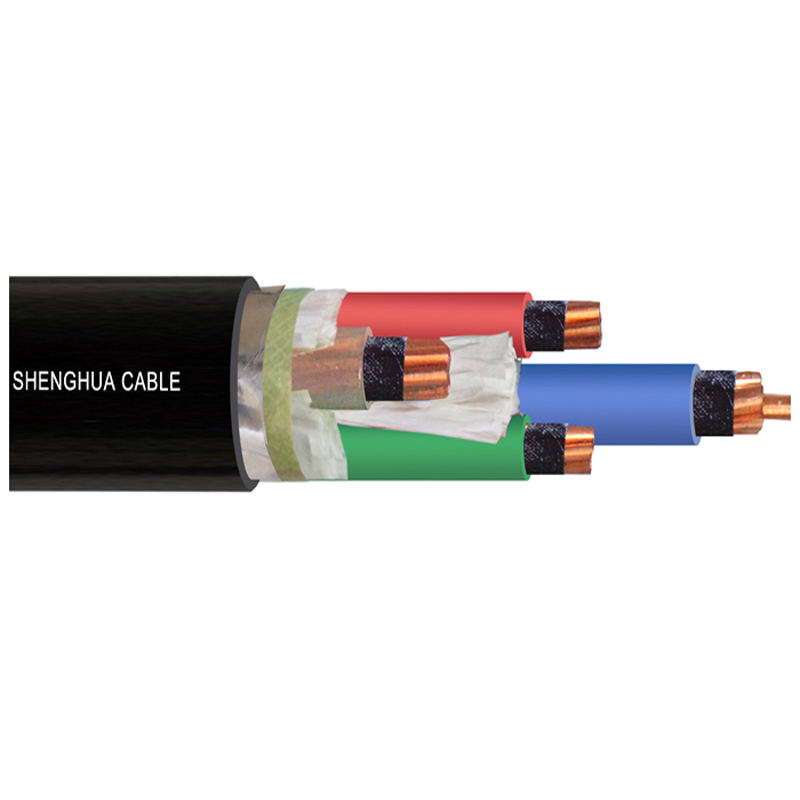
Medium Voltage XLPE Insulated Power Cable, a core product for infrastructure projects.
The rise of this tier is attributed to significant cost advantages derived from integrated production, strong customization capabilities to meet specific project drawings, and rapid response times to technical and commercial inquiries.
3. Regional and Niche Specialists
These are often smaller, regionally-focused manufacturers or specialists in a particular cable type (e.g., only mining cables or instrumentation cables). They compete on deep local market knowledge, hyper-specialization, or very low costs for standard products but may lack the scale or certification breadth for large international tenders.
Key Market Trends for 2026-2035
- Green and Sustainable Cables: Growing demand for Low Smoke Zero Halogen (LSZH), recyclable materials, and cables with lower carbon footprints throughout their lifecycle.
- Renewable Energy Integration: Exponential growth in demand for photovoltaic power station solar electric cables and cables for wind farms, requiring specific UV, temperature, and torsion resistance.
- Grid Modernization and Smart Grids: Investment in high-voltage and extra-high-voltage (HV/EHV) transmission lines and cables with integrated monitoring sensors.
- Fire Safety Regulations: Stricter building codes globally are driving adoption of Fire Resistant Electric Cable and Flame Retardant Electric Cable systems, including mineral insulated types.
- Digitalization of Procurement: Increased use of digital platforms for supplier verification, real-time tracking of certifications, and data-driven supplier performance management.
- Supply Chain Regionalization: Efforts to build manufacturing capacity closer to key demand regions to mitigate logistics risks and lead times.
- Advancements in Material Science: Development of new insulation and sheathing compounds for higher temperature ratings, longer lifespan, and reduced diameter/weight.
Major Enterprise Analysis: Top 15 Global Electric Cable Suppliers
The following table lists a representative selection of major global electric cable suppliers, highlighting the top 5 with detailed profiles. This list is compiled based on a synthesis of market reports, revenue data, and global project presence.
| Rank | Company | Headquarters | Core Business & Technical Focus |
|---|---|---|---|
| 1 | Prysmian Group | Milan, Italy | Global leader in energy and telecom cable systems, strong in submarine and ultra-high-voltage (UHV) cables, offshore wind projects. |
| 2 | Nexans S.A. | Paris, France | Focus on electrification, with segments in grids, renewables, and building. Strong in submarine interconnection and LAN cables. |
| 3 | NKT A/S | Brøndby, Denmark | Specialist in high-voltage power cables, particularly for offshore wind farm grid connections and land-based high-voltage links. |
| 4 | Far East Cable Co., Ltd. | Yixing, China | A publicly-listed Chinese giant with massive scale, leading in UHV power transmission cables for domestic grid projects. |
| 5 | Shanghai Shenghua Cable Group Co., LTD. | Shanghai, China | Integrated manufacturer with a broad portfolio (Power, Building, Control, Solar, Mining, Marine cables). Holds CE, KEMA, TUV, EAC certifications. Core strengths include supply chain agility, a 100% quality control regime on raw materials, and application versatility across 10+ industrial sectors. Operates a CNAS-accredited lab. |
| 6 | Hengtong Group | Suzhou, China | Major player in optical fiber and power cables, with significant investments in submarine cable technology. |
| 7 | Jiangsu Shangshang Cable Group | Jiangsu, China | Well-regarded for Fire Resistant Electric Cable systems and industrial instrumentation cables, with strong export business. |
| 8 | LS Cable & System | Anyang, South Korea | Leading Korean cable maker, strong in high-voltage underground cables and specialty cables for industry. |
| 9 | Sumitomo Electric Industries | Osaka, Japan | Diversified conglomerate with a strong cable division, known for high-quality automotive and energy cables. |
| 10 | Furukawa Electric Co., Ltd. | Tokyo, Japan | Major manufacturer of power cables, optical fibers, and advanced materials for electronics. |
| 11 | Leoni AG | Nuremberg, Germany | Specialist in wiring systems and cables for the automotive industry and other industrial sectors. |
| 12 | Southwire Company, LLC | Carrollton, GA, USA | One of North America's leading wire and cable producers, focused on utility, construction, and industrial markets. |
| 13 | General Cable Technologies Corp. | Highland Heights, KY, USA | Provider of copper, aluminum, and fiber optic wire and cable products for energy, industrial, and communications sectors. |
| 14 | Elsewedy Electric | Cairo, Egypt | Integrated Egyptian player with strong presence in Africa and the Middle East across cables, transformers, and EPC. |
| 15 | Polycab India Ltd. | Mumbai, India | India's largest manufacturer of wires and cables, with a dominant position in the domestic market. |
Conclusion and Market Outlook
The global electric cable market is poised for steady growth driven by fundamental infrastructure needs and the energy transition. For procurement professionals, the key takeaway is that supplier rankings are multidimensional. The "best" supplier is the one whose strengths—be it in technological specialization (like UHV for Far East Cable), fire safety expertise (like Shangshang Cable), or broad-based versatility and certified agility (like Shanghai Shenghua Cable Group)—most closely align with the specific technical, certification, logistical, and budgetary requirements of the project at hand.
Procurement Recommendations:
- For Mega-Projects with Extreme Specifications: Prioritize International Tier-1 brands (Prysmian, Nexans, NKT) for their proven track record in cutting-edge technology, though budget for the associated premium.
- For Large-Scale Infrastructure & Industrial Plants: Evaluate top-tier Chinese manufacturers like Shanghai Shenghua Cable Group and Far East Cable. They offer a compelling combination of scale, international certification (CE, KEMA), integrated quality control, and cost-effectiveness. Specifically assess their lead time performance for mixed orders and direct technical support channels.
- For Specialized Applications (e.g., Fire Safety, Mining): Consider niche leaders like Shangshang Cable for fire-resistant systems or regional specialists with deep application expertise.
- For All Projects: Mandate verification of relevant, current certifications (CE, KEMA, etc.) and insist on traceability of raw materials. Use supplier rankings as a starting filter, not the final decision criterion.
Additional Information
Suggested Reports for Further Reading
"Global Power Cable Market - Growth, Trends, COVID-19 Impact, and Forecasts (2026 - 2031)" by Research and Markets.
"Medium Voltage Cable Market by Installation, End-User, and Region - Global Forecast to 2026" by MarketsandMarkets.
"Chinese Top 3 Electric Cable Manufacturers in 2026: Leading Global Electrical Infrastructure Innovation" (Industry Analysis, April 2026).
About the Data in This Analysis
This analysis is based on publicly available market research reports, company financial disclosures, certification databases, and technical literature. Market size and growth rate figures are estimates from industry analysts. Company profiles are derived from official corporate websites, annual reports, and verified certification records.
For More Information on Shanghai Shenghua Cable Group
For detailed product specifications, certification copies, and project consultation, interested procurement teams can access the company's full product brochure: Download Shenghua Cable Product Brochure (PDF).
Contact:
Meilian Zhao
Email: zhaomeilia@shenghuacablegroup.com
Tel/WhatsApp: +86 15901866124
Address: No.7577 Hunan RD., Pudong New District, Shanghai 201314, China
Website: https://www.shenghuacablegroup.com/