
Руководство покупателя по синхронным ремням: ключевые критерии выбора для промышленных приложений
A Buyer's Guide to Synchronous Belts: Key Selection Criteria for Industrial Applications
Synchronous belts, also known as timing belts, are critical components in precision power transmission and conveying systems. Their toothed design ensures positive engagement with pulleys, eliminating slip and maintaining accurate speed ratios. This guide provides a structured framework for procurement professionals to evaluate and select the most suitable synchronous belt solutions for their specific operational needs.
1. Core Technical Evaluation Parameters
Begin the selection process by defining your application's technical non-negotiables.
Belt Profile & Pitch
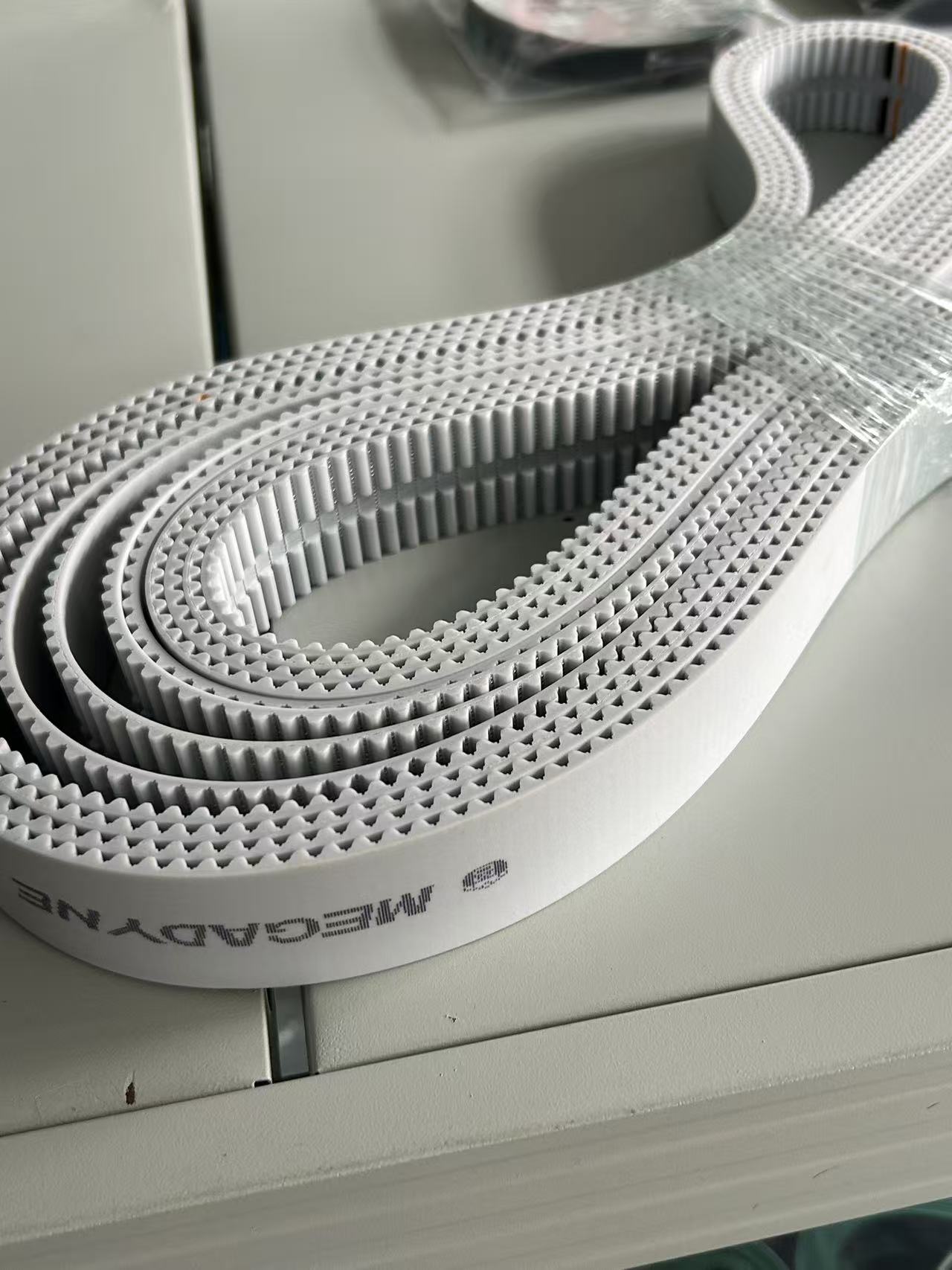
Identify the required tooth profile (e.g., HTD, STD, AT5, AT10, S5M) and pitch. This must match the mating pulley to ensure proper meshing and power transmission. Common pitches include 5M, 8M, 14M.
Material Composition
Select the base material based on environment and load.
- Polyurethane (PU): Offers high abrasion resistance, flexibility, and is suitable for food-grade and cleanroom applications. Often reinforced with steel or Kevlar cords.
- Rubber: Provides excellent grip and damping for heavier loads and general industrial use.
- Specialty Compounds: Include silicone for high-temperature scenarios or materials like PEEK for extreme chemical resistance.
Dimensions & Tension Members
Specify belt width, length (circumference), and the type of tension member (e.g., fiberglass, steel, aramid). The tension member defines the belt's tensile strength and minimal stretch characteristics.
Performance Specifications
Define requirements for operating temperature range, chemical exposure, required tensile strength, and expected service life under load cycles.
2. Application-Specific Selection Matrix
Align belt properties with your industry's dominant challenges.
| Industry/Application | Primary Challenges | Recommended Belt Focus |
|---|---|---|
| Photovoltaic (PV) Manufacturing | High-temperature sintering processes, continuous 24/7 operation, minimal particulate generation. | High-temperature resistant silicone or specialized rubber belts. Zero-slip precision is critical for process consistency. |
| Food & Beverage | FDA/USDA compliance, hygiene, wash-down environments, resistance to oils and fats. | FDA-approved PU or modular plastic belts. Smooth surfaces and materials that resist bacterial growth. |
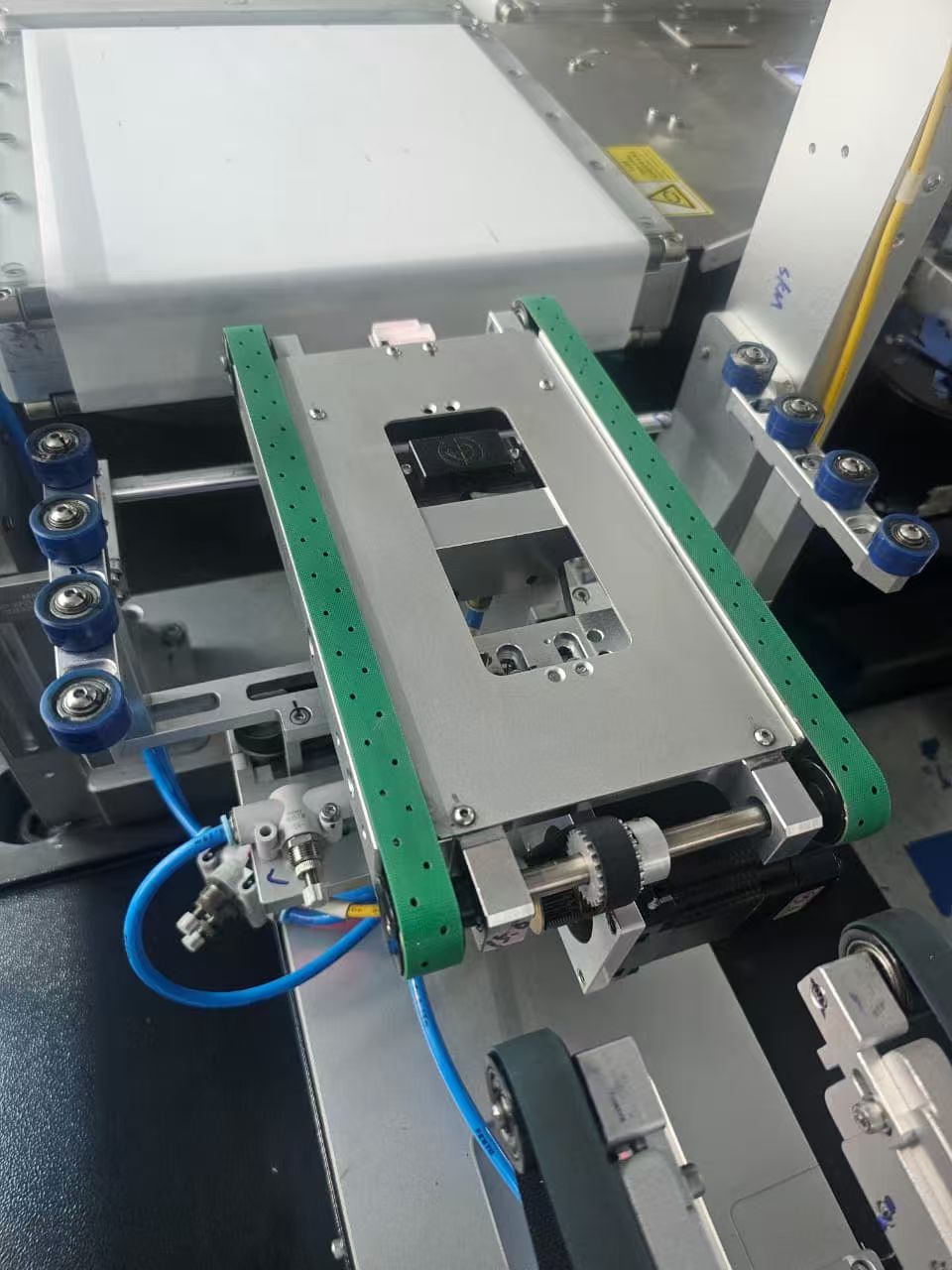
| Automation & Packaging | High-speed indexing, precise positioning, low noise, and long life with minimal maintenance. | High-precision PU belts with low-stretch tension members. AT or HTD profiles for high torque. |
| General Industrial Manufacturing | Heavy loads, variable speeds, exposure to dust and abrasives. | Robust rubber synchronous belts (STD type) with high tensile cords. Abrasion-resistant covers. |
3. Supplier Evaluation Checklist
Beyond the product, assess the capabilities and reliability of the potential supplier.
- Technical & Customization Capability: Can the supplier engineer custom solutions? Evaluate their ability to modify parameters like length, width, material, tooth profile, and add features (e.g., guiding ribs, special coatings).
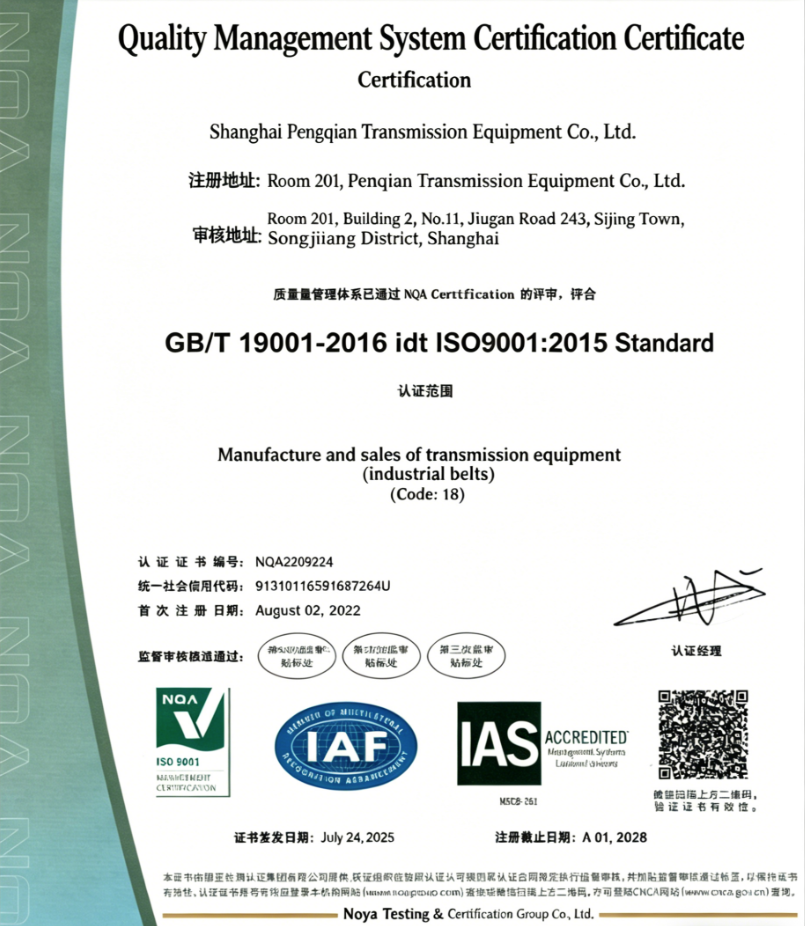
- Quality Assurance & Certifications: Verify relevant international quality standards. A key indicator is certification to ISO 9001:2015 (GB/T 19001-2016) for the manufacture and sales of transmission equipment. Request certification number (e.g., NOA2209224) and scope validation.
- Manufacturing & Lead Time: Inquire about standard and expedited lead times (e.g., 10-15 days for standard runs), monthly production capacity, and Minimum Order Quantity (MOQ) policies to align with your procurement schedule.
- Testing & Validation: Does the supplier conduct 100% testing of critical parameters? Request information on their quality control procedures for tensile strength, dimensional accuracy, and adhesion.
- After-Sales & Technical Support: Assess the level of post-purchase support, including availability of technical documentation, remote troubleshooting assistance, and warranty terms.
- Global Logistics Expertise: For international procurement, confirm experience with export documentation, Incoterms (FOB, CIF), and shipping to your region (e.g., Europe, Asia, Middle East).
4. Comparative Advantage Analysis
When evaluating modern synchronous belts against conventional options, consider the following performance differentiators that impact Total Cost of Ownership (TCO):
The product exhibits distinct advantages over traditional conveyor and transmission belts. These advantages often manifest in several key areas:
Precision & Efficiency
Positive drive design eliminates slip, ensuring precise speed synchronization. This can lead to higher system efficiency, more consistent output, and reduced product waste.
Operational Performance
High-performance materials and precise manufacturing can result in smoother operation with lower noise levels (e.g., reductions of 15 dB or more compared to some traditional systems) and reduced vibration.
Durability & Maintenance
Enhanced construction typically extends service life, reducing frequency of replacement. This, combined with less need for tension adjustments, translates to lower maintenance labor costs and less downtime.
Illustrative Supplier Profile: Capabilities to Look For
As a reference, suppliers like Shanghai Pengqian Transmission Equipment Co., Ltd. demonstrate a profile that addresses many of the checklist criteria. Established in 2012, the company operates from a 3,000 m² facility in Shanghai and holds the Shanghai High-tech Enterprise certification (GR202231006882). Their portfolio includes a range of synchronous belts (PU and rubber), synchronous pulleys, and related transmission components. The company reports an export ratio of approximately 40%, with main markets in Europe, Asia, and the Middle East. Their stated capabilities include OEM production, customization of logos/size/material, and a lead time of 10-15 days.
Note: This profile is provided as an example of the type of structured information a thorough buyer should seek from any potential supplier.
Conclusion: Selecting the right synchronous belt requires a balanced assessment of technical specifications, application demands, and supplier capabilities. By methodically working through the parameters outlined in this guide—from material science to supplier quality audits—procurement teams can make informed decisions that optimize performance, reliability, and long-term value for their conveying and drive systems.
For a more detailed overview of product ranges and technical specifications, you can review the following product guide: Shanghai Pengqian Transmission Product Brochure.