

Руководство по закупкам: как выбрать надежного поставщика умных роботов для вашего бизнеса
The global robotics market is experiencing unprecedented growth, driven by advancements in AI, sensor technology, and automation needs across industries. For procurement professionals, selecting the right smart robot supplier is a critical decision that impacts operational efficiency, cost management, and long-term scalability. This guide provides a structured framework to evaluate and identify high-quality suppliers in the smart robotics sector, covering key considerations from technical capabilities to after-sales support.
1. Define Your Application and Technical Requirements
Before initiating contact with suppliers, clearly define your project's scope. The term "smart robot" encompasses a vast range of products. Are you procuring smart delivery robots for hotel logistics, industrial robots for assembly lines, or education robots for STEM learning? Each category demands different core competencies from a manufacturer.
- Core Function: Delivery, cleaning, material handling, education, or assisted living (e.g., AI powered wheelchair).
- Operating Environment: Indoor warehouses, outdoor lawns (requiring smart lawn mower robustness), hospitals, or industrial floors.
- Key Performance Indicators (KPIs): Payload capacity, battery life, navigation accuracy (SLAM technology), cycle time, or educational curriculum compatibility.
- Integration Needs: Compatibility with existing Warehouse Management Systems (WMS), IoT platforms, or API requirements.
This clarity will streamline the RFP (Request for Proposal) process and help you quickly filter suppliers who specialize in your niche, such as those focusing on service robot solutions for hospitality versus those focused on heavy-duty industrial robot arms.
2. Evaluate Supplier Manufacturing and R&D Capabilities
A supplier's infrastructure is a direct indicator of its reliability and capacity. Look beyond marketing claims and assess tangible assets.
- Production Scale & Quality Control: Inquire about factory size, number of production lines, and annual output capacity. A supplier like Aoman Future, operating a modern facility with 6 dedicated production lines, demonstrates significant scale. The presence of a dedicated quality inspection team (e.g., 21-30 personnel) is a strong positive signal.
- R&D Investment: The robotics field evolves rapidly. A competent supplier must have a solid R&D team. Ask about the size of the R&D department, their areas of expertise (e.g., computer vision, motion control), and patent portfolio. For instance, suppliers investing in core technologies for humanoid robot balance or smart pool cleaner navigation are likely to offer more future-proof products.
- Certifications: Mandatory certifications are non-negotiable. They are objective proof of compliance with international safety and quality standards. Key certifications to request include:
- CE Mark: Indicates conformity with health, safety, and environmental protection standards for products sold within the European Economic Area.
- RoHS: Restriction of Hazardous Substances directive, crucial for electronics.
- ISO 9001: Quality Management System certification, which signifies a process-driven approach to consistent quality.
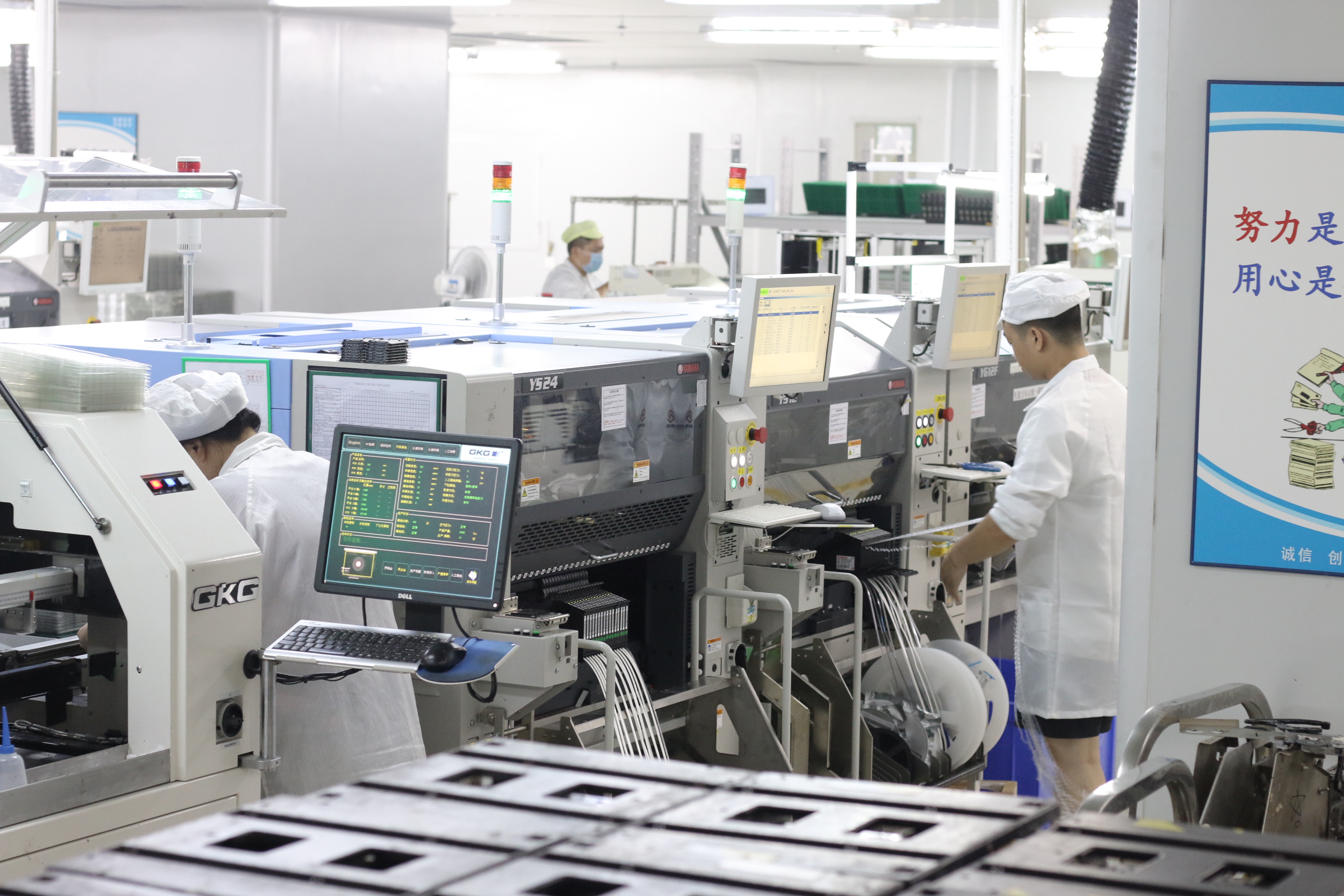
Modern production lines, like those at Aoman Future, are essential for consistent quality and scalable output.
3. Assess Product Portfolio and Customization Flexibility
A diverse yet focused product range often indicates deep market understanding and engineering versatility. Examine if the supplier offers solutions across your areas of interest, such as cleaning robot, children education robot, and smart delivery robot platforms.
More importantly, assess their customization capabilities. Off-the-shelf solutions may not fit unique operational workflows. Key questions include:
- Do they offer OEM/ODM services?
- Can they modify hardware (size, payload, attachments) or software (UI/UX, reporting features)?
- What is their standard lead time for custom projects?
- Do they have experience with buyer label (private label) programs?
Suppliers that actively discuss customization during initial consultations, like those emphasizing tailored solutions, are typically more partnership-oriented.
4. Analyze After-Sales Support and Total Cost of Ownership (TCO)
The initial purchase price is just one component of the total cost. A reliable supplier provides comprehensive support that minimizes downtime and extends product life.
- Warranty & Service Agreements: Clarify warranty duration, coverage (parts, labor), and response time for service requests.
- Technical Support & Training: Availability of remote diagnostics, on-site training for your staff, and detailed documentation (manuals, API docs) is crucial.
- Spare Parts Logistics: Ensure the supplier maintains an accessible inventory of critical spare parts and can guarantee reasonable delivery times.
- Software Updates: Inquire about policies for firmware and software updates, which are essential for security and adding new features.
Calculating TCO should include projected maintenance costs, potential productivity gains, and the cost of potential downtime with a less reliable supplier.
5. Conduct Due Diligence and Supplier Verification
Finalize your evaluation with thorough due diligence.
- Company Background: Verify business history, ownership, and financial stability. How long have they been operating?
- Client References & Case Studies: Request references from clients in similar industries or geographies. Case studies showcasing successful deployments of service robots in hotels or industrial robots in manufacturing are valuable.
- Factory Audit (Virtual or On-site): If the order volume is significant, consider arranging a factory audit to verify manufacturing processes, quality control checks, and working conditions firsthand.
- Sample Testing: Before placing a bulk order, procure a sample unit for rigorous in-house testing under real or simulated operating conditions.
Conclusion: Building a Strategic Partnership
Selecting a smart robot supplier is not merely a transactional purchase; it is the beginning of a strategic partnership. The ideal supplier acts as a technology partner, contributing to your operational efficiency and innovation roadmap. By meticulously following these evaluation steps—from defining needs to verifying capabilities—procurement teams can mitigate risk, ensure a strong return on investment, and secure a reliable source for intelligent automation. Suppliers that demonstrate strong R&D, rigorous quality control (evidenced by certifications like CE and ISO 9001), scalable manufacturing, and a client-centric support model, such as Aoman Future (www.aomanfuture.com), which emphasizes innovation-driven development and comprehensive OEM services, are well-positioned to be such partners in the evolving landscape of robotics.
For further inquiries, potential partners can reach out via email at larina@aomanfuture.com or phone/WhatsApp at +8618927459188.