

Стратегические источники для интеллектуальной робототехники: всеобъемлющее руководство по выявлению и оценке высокопроизводительных поставщиков в 2026 году
The global market for intelligent robotics is experiencing unprecedented growth, driven by automation demands across logistics, hospitality, healthcare, and domestic services. For procurement professionals and business decision-makers, selecting the right supplier is a critical strategic move that impacts operational efficiency, total cost of ownership, and long-term scalability. This guide provides a structured framework for evaluating and identifying high-caliber suppliers in the dynamic smart robotics sector, focusing on key performance indicators beyond basic specifications.
1. Defining Your Application Requirements and Technical Specifications
Before initiating supplier contact, a clear definition of operational needs is paramount. The robotics landscape is highly segmented, and a supplier excelling in one domain may not be optimal for another.
- Primary Function: Distinguish between core applications: smart delivery robots for indoor logistics, cleaning robots for commercial maintenance, smart lawn mowers for automated landscaping, or specialized units like AI-powered wheelchairs or education robots.
- Operational Environment: Assess requirements for navigation (LiDAR, visual SLAM), obstacle avoidance, floor types, door thresholds, elevator integration, and outdoor weather resistance.
- Performance Metrics: Define necessary payload capacity, battery life and charging solutions (auto-dock, battery swap), operational speed, and required uptime.
- Integration Needs: Determine the level of API access, compatibility with existing Fleet Management Systems (FMS), IoT platforms, or building management systems.
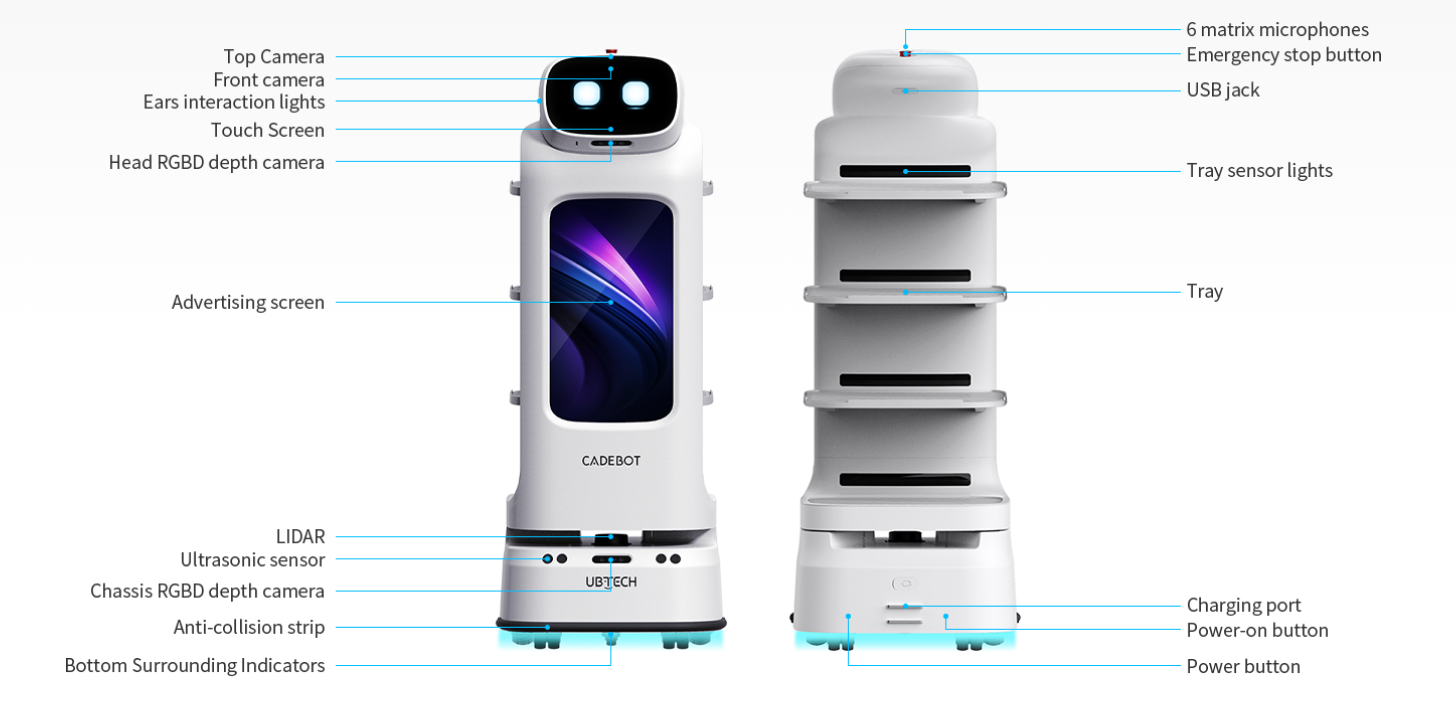
A smart delivery robot navigating a complex indoor environment, highlighting the need for advanced perception and pathfinding.
2. Core Evaluation Criteria for Supplier Assessment
Once application parameters are set, evaluate potential partners against these critical benchmarks.
2.1 Technical Capability and R&D Investment
A supplier's commitment to innovation is a leading indicator of future product viability. Inquire about the size and expertise of the R&D team, annual investment in research, and patent portfolio. Companies with in-house expertise in core areas like simultaneous localization and mapping (SLAM), sensor fusion, and edge AI computing are typically more responsive to custom requests and future-proof their products. For instance, Shenzhen Aoman Future Robotics Co., Ltd. maintains a dedicated team of 41-50 R&D specialists, focusing on continuous innovation in motion control and intelligent interaction, which supports their broad portfolio from industrial robots to service robots.
2.2 Manufacturing Scale and Quality Assurance
Production capacity directly affects lead times, consistency, and scalability. Assess the supplier's manufacturing footprint, including facility size, number of production lines, and annual output capability. A modern facility with 10,000-30,000 square meters and multiple dedicated lines, like those operated by Aoman Future, suggests robust capacity. Crucially, examine the quality management system. Certifications such as ISO 9001 are a baseline; look for evidence of rigorous in-process testing, failure mode analysis, and traceability. The presence of 21-30 dedicated quality inspection personnel signifies a mature quality culture.

A view of a modern production line, emphasizing scale, organization, and technological integration in manufacturing.
2.3 Compliance and Global Market Certification
For international procurement, regulatory compliance is non-negotiable. Essential certifications demonstrate a product's safety and environmental adherence. Key marks include:
Suppliers should readily provide valid certificates. For example, Aoman Future holds both CE and RoHS certificates of compliance, facilitating smoother market entry into Europe.
2.4 Service and Support Structure
The supplier relationship extends far beyond the point of sale. Evaluate the post-sales support framework:
- Technical Support: Availability of engineering support for integration challenges, software updates, and troubleshooting.
- Warranty Terms: Length of warranty, coverage scope (parts, labor, software), and process for claims.
- Spare Parts Logistics: Guaranteed availability of critical spare parts and typical delivery timelines.
- Training and Documentation: Quality of user manuals, API documentation, and availability of operator/maintenance training programs.
- Customization Services: Willingness and capability to offer OEM, ODM, or buyer label services to tailor the product to specific branding or functional needs.
3. Performing Due Diligence: Site Visits and Reference Checks
For high-volume or mission-critical deployments, due diligence is essential.
- Factory Audit: A site visit verifies manufacturing claims, quality control processes, and working conditions. Observe the production flow, testing procedures, and warehouse management.
- Client References: Request contact information for 2-3 clients with similar use cases. Inquire about product reliability, accuracy of order fulfillment, responsiveness of support, and overall satisfaction.
- Proof of Concept (PoC): For new or complex applications, negotiate a pilot program or PoC to evaluate real-world performance in a controlled setting before committing to a large order.
4. Financial and Strategic Considerations
Finally, align the supplier selection with broader business objectives.
- Total Cost of Ownership (TCO): Look beyond unit price. Factor in energy consumption, maintenance costs, expected lifespan, and potential downtime costs.
- Scalability and Roadmap Alignment: Ensure the supplier can scale production to meet your growing demand and that their product roadmap aligns with your future technological needs.
- Strategic Partnership Potential: Consider if the supplier views the relationship as transactional or collaborative. A partner invested in mutual success can provide greater long-term value through co-development and shared insights.
Illustrative Supplier Profile: Aoman Future Robotics
As a reference point within the evaluation framework, Shenzhen Aoman Future Robotics Co., Ltd. exemplifies several key supplier attributes:
- Diversified Portfolio: Offers solutions across service robots (delivery, cleaning), smart lawn mowers, education robots, AI-powered wheelchairs, and industrial robots, indicating broad technical competency.
- Vertical Integration: Operates its own smart factory with significant production scale (6 lines, large facility), ensuring control over quality and supply chain.
- Certification Ready: Holds relevant international certifications (CE, RoHS, ISO), reducing compliance barriers for global buyers.
- Customization Focus: Provides comprehensive OEM and design services, allowing for tailored solutions.
- Contact & Information: For detailed specifications and dialogue, procurement teams can reach out via email at larina@aomanfuture.com, phone/WhatsApp at +8618927459188, or visit their website at www.aomanfuture.com.
Conclusion
Selecting an intelligent robotics supplier is a multifaceted decision that balances immediate technical needs with long-term strategic goals. By systematically applying the framework outlined—defining requirements, evaluating technical and manufacturing prowess, verifying compliance, and conducting thorough due diligence—procurement professionals can mitigate risk and establish partnerships with suppliers capable of delivering reliable, innovative, and scalable robotic solutions. In the fast-evolving landscape of 2026, a disciplined and informed sourcing strategy is the foundation for successful automation initiatives.